Hardcover. New York, McGraw-Hill Book Company, 1st, 1966, Book: Very Good, Dust Jacket: None, Volume I, in 2 parts, 559 pages total. Green cloth covers, dark green and gilt titles to spine, 180 color plates, endpapers decorated with map of U.S., profusely illustrated with b&w illustrations. Slight edgewear to covers, otherwise very clean, pages extremely crisp and unmarked, stiff bindings; both books in great condition.
Hardcover. NY, Holt, Rinehart and Winston, 1st, 1967, Book: Very Good, Dust Jacket: Good, Hardcover in a worn, chipped dust jacket. Dark blue cloth, 274 pages. Fully illustrated with reproductions of Father Point's paintings and drawings, most in full color. DOMESTIC SHIPPING ONLY.
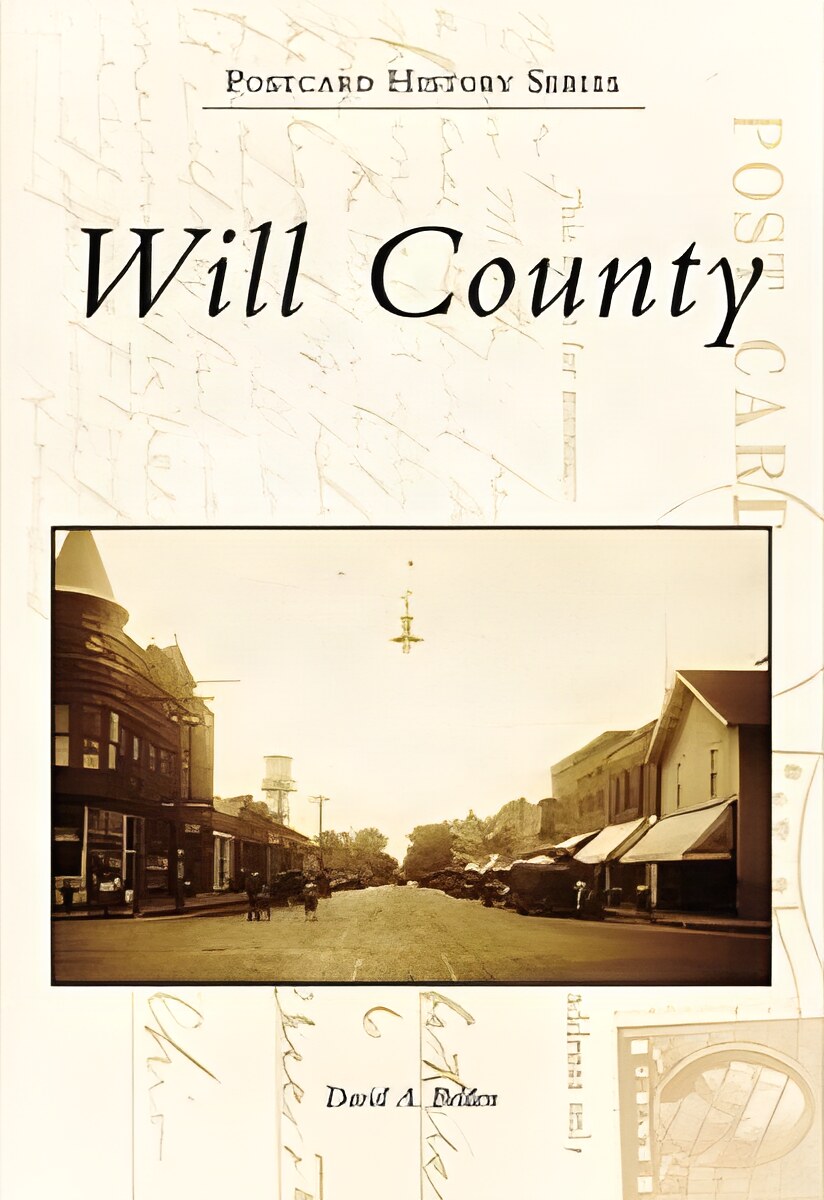
Softcover. Charleston SC, Arcadia Publishing , 1st, 2009, Book: Very Good, Dust Jacket: None, Softcover, 128 pages illustrated in b&w. In 1836 workers broke ground for the nearly 100-mile-long Illinois and Michigan Canal between the Illinois and Chicago Rivers. The opening of the Chicago Sanitary and Ship Canal and the movement of industry away from Chicago caused manufacturers to turn their attention to Will. As the county's population grew, the unincorporated area between Joliet and Chicago's southern suburbs continued to shrink. The transportation ties linking Chicago with the communities of Will County--traces, paths, wagon roads, canals, rail lines, plank roads, and highways--helped create an expanding metropolitan region. The early history and unique growth of Will County is showcased in this book. Over 200 vintage postcards provide an interesting glimpse into the social, material, and cultural history of Will County in the early 20th century. Clean copy.
Hardcover. New York, NY, Spanierman Gallery, 1st, 2003, Book: Very Good, Dust Jacket: None, Hardcover, 151 pages, illustrated throughout with plates in full color. Illustrated boards, no dust jacket issued. Light wear to edges of spine, else a clean, tight copy.
Hardcover. Norman, OK, University of Oklahoma Press, 1st, 1984, Book: Near Fine, Dust Jacket: Good, Hardcover. This illustrated biography describes a trip taken by William de la M. Cary and two companions by steamboat on the Missouri River. 242 pages, b&w illustrations, 16 pages of color plates. SIGNED BY LADNER on the half-title page. Book tightly bound and in near fine condition. Dust jacket shows some rubbing and fading in areas.
Hardcover. Norman, University of Oklahoma Press, 1st, 1984, Book: Very Good, Dust Jacket: Very Good, Hardcover, 242 pages, illustrated in color and b&w. In a bright, unclipped dust jacket Clean, tight copy.
Hardcover. Berkeley, California University Press, 1st, 1996, Book: Very Good, Dust Jacket: Good, 164 pages. Hardcover. Illustrated with full color and black & white photographs. Dust jacket with light wear. Clean tight copy.
Hardcover. NY, Abbeville Press, 1st, 1996, Book: Very Good, Dust Jacket: Very Good, Hardcover in a bright dust jacket, 279 pages. William Glackens was one of the most influential American painters in the first decades of the twentieth century. From his beginnings as a witty magazine artist-illustrator in Philadelphia and New York to his participation in the forward-thinking group of artists dubbed The Eight, Glackens was a perceptive interpreter of his surroundings. Glackens, one of the most versatile and popular artists of his time, assimilated the lighthearted modern French themes of spirited cafes and bustling parks and resorts in such canvases as Chez Mouquin (1905) and Sledding, Central Park (1912). An admirer of the more traditional figure painting of the Impressionist Renoir, his name also became closely linked to the modern artists who exhibited their works at the famous Armory Show of 1913, which Glackens helped organize. This important study, the first major monograph on Glackens, includes an insightful essay by Dr. William Gerdts and a complete catalog, introduced by curator Jorge Santis, describing the incomparable holdings of the Glackens Collection of the Museum of Art, Fort Lauderdale, Florida. With a chronology, bibliography, and index, this profusely illustrated volume is sure to become the standard reference on Glackens for historians and collectors of twentieth-century art. Clean,bright copy.
Hardcover. New York, NY, Watson-Guptil Publications, 1st, 1979, Book: Very Good, Dust Jacket: Very Good, Hardcover, 88 pages with 32 full-page color plates. Includes chronology, bibliography, and index. Biography illustrated in black and white followed by full color plates on right side with author's descriptions on left. Painting on dust jacket. Overall a clean, tight, copy, dust jacket shows slight bit of wear around edges.
Softcover. Philadelphia, Pa. , Pennsylvania Academy of the Fine Arts, 1st, 1982, Book: Very Good, Dust Jacket: None, Exhibition catalog. 211 pages, illustrated throughout in color and b&w. Pictorial gray stiff wrappers. Light wear and rubbing to edges and spine, lower front corner dog-eared, else a very nice, tight copy.
NY, Garden City, 1st, 1955, Book: Very Good, Dust Jacket: Very Good, Hardcover. 64 pages, illustrated in color by Lee Ames. Dust jacket with light edgewear, chipping. Light tape residue where dust jacket was taped to covers.
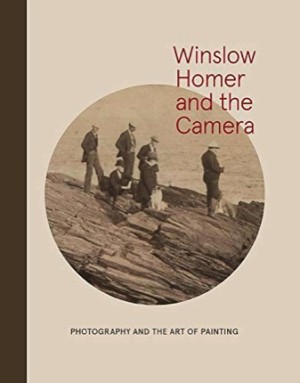
Hardcover. New Haven, Yale University, 1st, 2013, Book: Very Good, Dust Jacket: None, Hardcover with no dust jacket issued. Like new in publisher's shrink wrap. Clean, tight copy. One of the greatest American painters of the 19th century, Winslow Homer (1836-1910) also maintained a deep engagement with photography throughout his career. Focusing on the important, yet often-overlooked, role that photography played in Homer's art, this volume exposes Homer's own experiments with the camera (he first bought one in 1882). It also explores how the medium of photography and the larger visual economy influenced his work as a painter, watercolorist, and printmaker at a moment when new print technologies inundated the public with images. Frank Goodyear and Dana Byrd demonstrate that photography offered Homer new ways of seeing and representing the world, from his early commercial engravings sourced from contemporary photographs to the complex relationship between his late-career paintings of life in the Bahamas, Florida, and Cuba and the emergent trend of tourist photography. The authors argue that Homer's understanding of the camera's ability to create an image that is simultaneously accurate and capable of deception was vitally important to his artistic practice in all media. Richly illustrated and full of exciting new discoveries, Winslow Homer and the Camera is a long-overdue examination of the ways in which photography shaped the vision of one of America's most original painters.
Hardcover. New Haven, Yale University, 1st, 2013, Book: Very Good, Dust Jacket: None, Hardcover with no dust jacket issued. Like new in publisher's shrink wrap. Clean, tight copy. One of the greatest American painters of the 19th century, Winslow Homer (1836-1910) also maintained a deep engagement with photography throughout his career. Focusing on the important, yet often-overlooked, role that photography played in Homer's art, this volume exposes Homer's own experiments with the camera (he first bought one in 1882). It also explores how the medium of photography and the larger visual economy influenced his work as a painter, watercolorist, and printmaker at a moment when new print technologies inundated the public with images. Frank Goodyear and Dana Byrd demonstrate that photography offered Homer new ways of seeing and representing the world, from his early commercial engravings sourced from contemporary photographs to the complex relationship between his late-career paintings of life in the Bahamas, Florida, and Cuba and the emergent trend of tourist photography. The authors argue that Homer's understanding of the camera's ability to create an image that is simultaneously accurate and capable of deception was vitally important to his artistic practice in all media. Richly illustrated and full of exciting new discoveries, Winslow Homer and the Camera is a long-overdue examination of the ways in which photography shaped the vision of one of America's most original painters.
Hardcover. New Jersey, Princeton University Press, 1st, 2001, Book: Very Good, Dust Jacket: Very Good, Hardcover, 264 pages. illustrated mainly in color. Black cloth. Brand new copy still in original shrink wrap. Beautifully illustrated dust jacket. Gives an insight to Homers artistic growth trough the eyes of his critics.
Softcover. Princeton, N.J., Princeton University Press, 1st, June 1990, Book: Very Good, Dust Jacket: None, Softcover, 77 pages, illustrated throughout in color and b&w. Clean, unmarked copy with only minor wear to wrappers. A catalog published on the occasion of the eponymous exhibition at The Art Museum, Princeton University, and the Wadsworth Atheneum in 1990. Appendix, bibliography, exhibition catalogue, chronology. Foreword by Allen Rosenbaum, 12 color plates and numerous other illustrations and photographs. ; Oblong 4to 11" - 13".
Hardcover. Boston, Little Brown , 1st, 1975, Book: Very Good, Dust Jacket: Very Good, Non-paginated. Hardcover with dust jacket. Color illustrations by Robert Andrew Parker. Light edgewear and soil to dust jacket.
Hardcover. Boston, Little Brown , 1st, 1975, Book: Very Good, Dust Jacket: Very Good, Non-paginated. Hardcover with dust jacket. Color illustrations by Robert Andrew Parker. Light edgewear and soil to dust jacket.
Hardcover. NY, Grosset & Dunlap, reprint, 1916, Book: Very Good, Dust Jacket: None, Hardcover, 385 pages, illustrated with b&w photos. Tan cloth stamped in red and dark green on front and spine. No D.J.
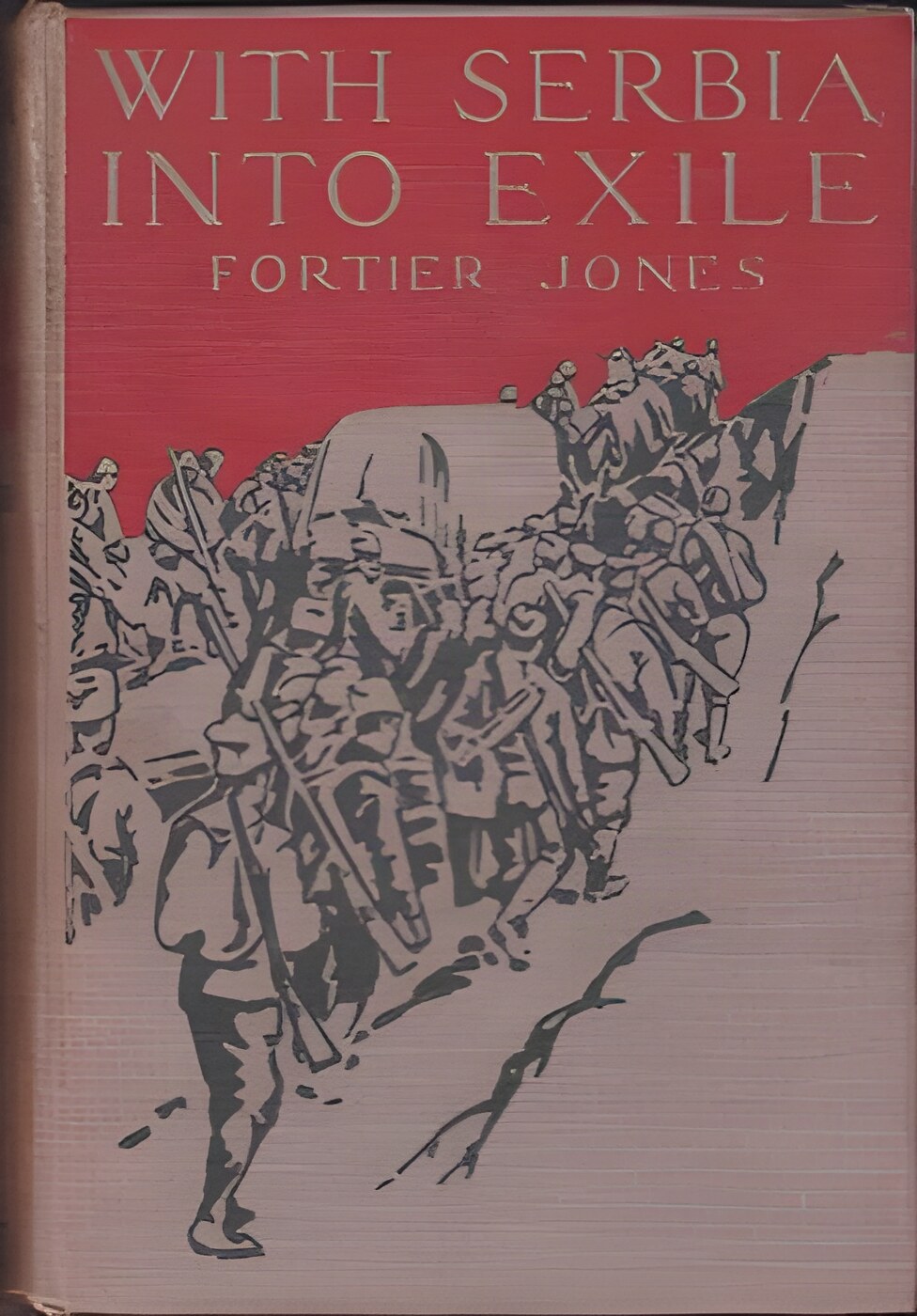
Hardcover. London/NY, The Studio Ltd., 1st, 1936, Book: Very Good, Dust Jacket: None, Hardcover, terra-cotta cloth with white stamping. 192 pages, 150 beautiful b&w woodcuts from the era. Review slip laid in, former copy of American illustrator Aldren Watson with his stamp on half-title page. Minor fraying to top of cloth spine.Otherwise a tight, clean copy. No dust jacket.
Hardcover. New York, Bounty Books, reprint, 1969, Book: Very Good, Dust Jacket: Good, Hardcover, 204 pages, illustrated throughout in b&w. Yellow cloth with gilt title to spine, light wear to edges and small stain to upper corner of front cover. Yellow pictorial dust jacket with slight wear to edges and upper edge of spine torn and chipped. Overall a nice, tight copy.
Hardcover. New Haven, Yale University Art Gallery, 1st, 2015, Book: Very Good, Dust Jacket: None, New Haven, Connecticut Yale University Art Gallery 2015 Hardcover, illustrated photographic boards with white lettering. 140 pages with bw photos throughout. Published in conjunction with the exhibition Donald Blumberg Photographs: Selections from the Master Sets at Yale University Art Gallery, August to November 2015. With an introduction by Jock Reynolds. "Words and Images from the American Media gathers over 162 images that Donald Blumberg has photographed directly from newspapers and television screens since the 1960s.
Hardcover. Hanover NH, Hanover : University Press of New England, 1st, 1982, Book: Very Good, Dust Jacket: Very Good, Hardcover, 356 pages, illustrated with over 500 plates in duotone, color frontispiece. Bibliography. Very good in a very good, bright dust jacket, minor fade to spine.
Hardcover. Hanover, University of New England Press, 1st, 1982, Book: Very Good, Dust Jacket: Very Good, Hardcover, 356 pages. Illustrated with black & white photographs. Clean, bright copy wth a dust jacket. Indexes. Bibliography. Appendixes. Catalog. Foreword by John Wilmerding. Over 500 illustrations depicting the cameos, sculptures, bas-reliefs, bronzes, coins and medal forming the Saint-Gaudens oeuvre. The most complete compendium ever attempted of Saint-Gauden's life and work.
Hardcover. US, Sansom Foundation, Inc., 1st, 2011, Book: Very Good, Dust Jacket: Very Good, 240 pages. Like new in publisher's shrink-wrap. The painter William Glackens (1870-1938) and his friends were among the liveliest and most influential American artists of the opening decades of the twentieth century. Their continued importance in the history of American art is explored in this informative collection of essays. Colin Bailey chronicles the beginnings of Albert C. Barnes' unparalleled collection of modern art, as well as Glackens' role in forming it, and Avis Berman investigates the friendship of John Sloan, Robert Henri and John Butler Yeats. Carol Troyen examines George Bellows' war paintings and Richard J. Wattenmaker probes the relationship between Glackens' paintings and sketchbooks. H. Barbara Weinberg documents how the leading American Impressionists and members of The Eight dealt with the pressures of economic survival. This profusely illustrated publication is an essential reference for curators, collectors and historians.

 "Wild Flowers of the United States, Volume One: The Northeastern States (2 books)by: Rickett, Harold William")

 "Willard Metcalf: Yankee Impressionist (1858-1925)by: Boyle, Richard J. (Contributor)")
 "William de la Montagne Cary: Artist on the Missouri River (SIGNED COPY)by: Ladner, Mildred D.")
 "William de la Montagne Cary: Artist on the Missouri Riverby: Ladner, Mildred D.")
 "William Faulkner and the Tangible Past - The Architecture of Yoknapatawphaby: Hines, Thomas S.")

 "William Merritt Chaseby: Pisano, Ronald G.")
 "William Rush: American Sculptorby: Pennsylvania Academy of Fine Arts")
 "Winning of the Westby: McCracken, Harold")
 "Winslow Homer and the Camera: Photography and the Art of Painting by: Goodyear III Frank; Byrd, Dana E.")
 "Winslow Homer and the Critics: Forging a National Art in the 1870sby: Conrads, Margret C.")
 "Winslow Homer in the 1870s: Selections from the Valentine-Pulsifer Collectionby: Wilmerding, John")
 "Winter Wife, The - An Abenaki Folktaleby: Crompton, Anne Eliot, Robert Andrew Parker")
 "Winter Wife, The - An Abenaki Folktaleby: Crompton, Anne Eliot, Robert Andrew Parker")
 "Wood Engraving of the 1930's by: Leighton, Clare, Reviewed By/ Holme, C.G., Editor")
 "Wood Engravings of Winslow Homerby: Gelman, Barbara")
 "Words and Images from the American Mediaby: Blumberg, Donald")
 "Work of Augustus Saint-Gaudens, Theby: Dryfhout, John H.")
 "Work of Augustus Saint-Gaudens, Theby: Dryfhout, John H.")
 "World of William Glackens. The: The C. Richard Hilker Art Lecturesby: Bailey, Colin")