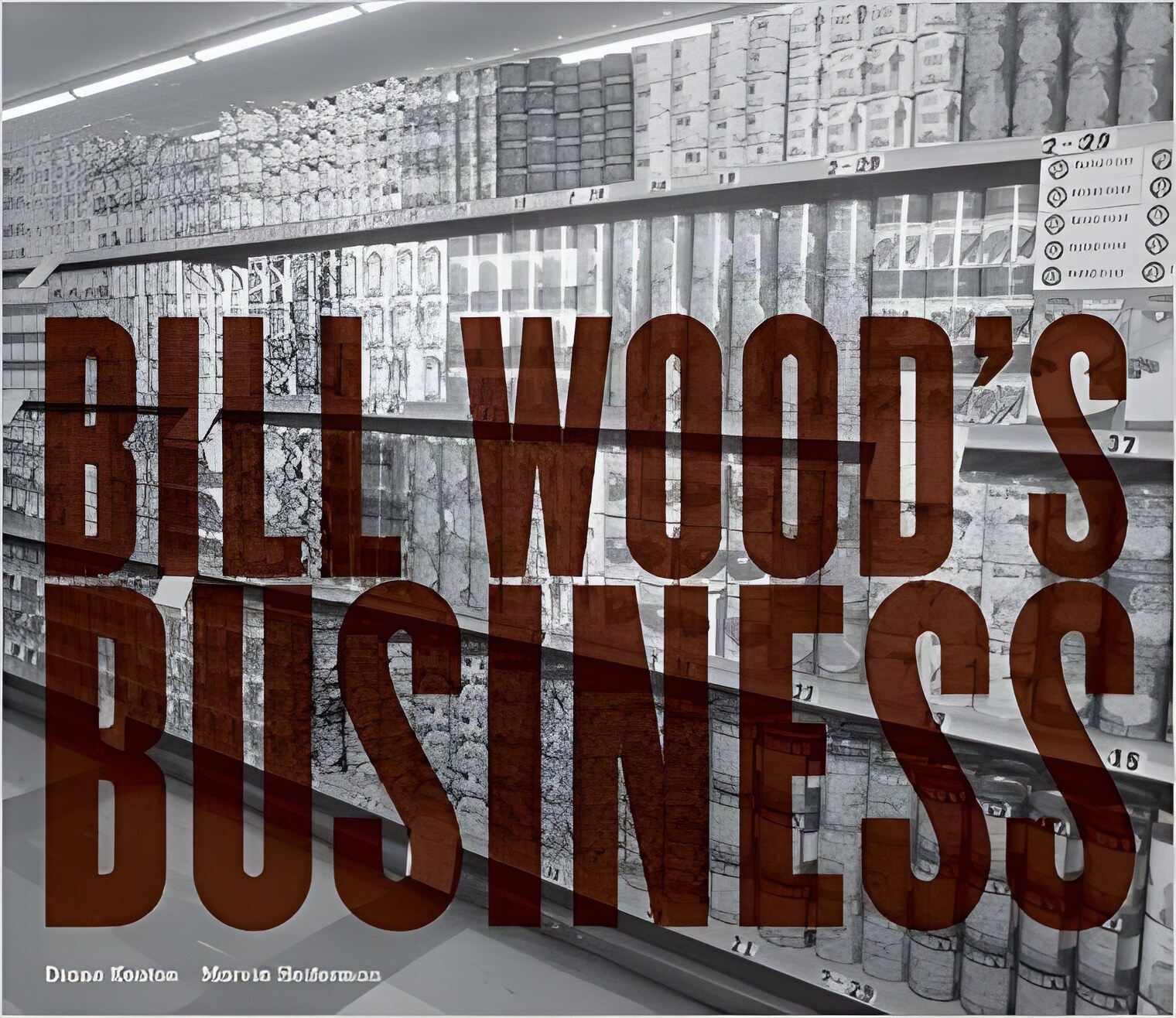
Hardcover. GR, Steidl, 1st, 2008, Book: Very Good, Dust Jacket: None, Hardcover, 272 pages. Bill Wood's business was photography, and he produced tens of thousands of images over the course of his career. A tall, slender, hardworking family man with a penchant for bow ties, Wood (1913-1979) was born, lived and died in the Fort Worth, Texas area, and his photography played a central role in how his clients chose to see and to portray themselves and their city. Bill Wood's Business features approximately 300 of Wood's photographs, alongside essays by Diane Keaton and Marvin Heiferman that pay homage to the skills Wood (and professional photographers like him) brought to the business of photography. What drew Keaton and Heiferman to this project was the extraordinary range of Wood's images, as well as a shared appreciation of archives and the construction of photographic realities. In an earlier collaboration, Still Life (1982), Keaton and Heiferman explored the Surrealism, the fantasies and the economic motivations percolating beneath the surface of the glamourous color publicity photographs that Hollywood studios orchestrated and distributed in the mid-twentieth century. Since then, Keaton (in her film and book projects) and Heiferman (in his curatorial, writing and publishing work) have continued to survey the quirks of American iconography. Keaton purchased the archive of Wood's negatives 20 years ago, and in Bill Wood's Business, she and Heiferman team up again to look at and through photographs, to show what they are intended to depict and what they actually reveal.
Hardcover. US, Reel Art Press, 1st, 2014, Book: Very Good, Dust Jacket: Very Good, Large heavy book, 448 pages, illustrated throughout in b&w. Clean, unmarked copy with only minor wear to dust jacket. This breathtaking tome is the definitive and comprehensive collection of Billy Name's black-and-white photographs from Warhol's Factory. Name's photographs from this period (1964-68) are one of the most important photographic documents of any single artist in history. Name lived in a tiny closet at the Factory. He was responsible for the legendary "silverizing" of the space using aluminum paint and foil to complete the instillation. When Warhol gave Name a Pentax Honeywell 35mm camera, he took on the role of resident photographer and archivist. This visual essay, produced in collaboration with Billy name, offers an extensive trip through Warhol's world. Name photographed the day-to-day happenings at The Factory with Andy, including visits from Lou Reed and the Velvet Underground, Nico, Edie Sedgwick, Ivy Nicholson and Bob Dylan, and filming Screen Tests and features such as Chelsea Girls, Vinyl and My Hustler.
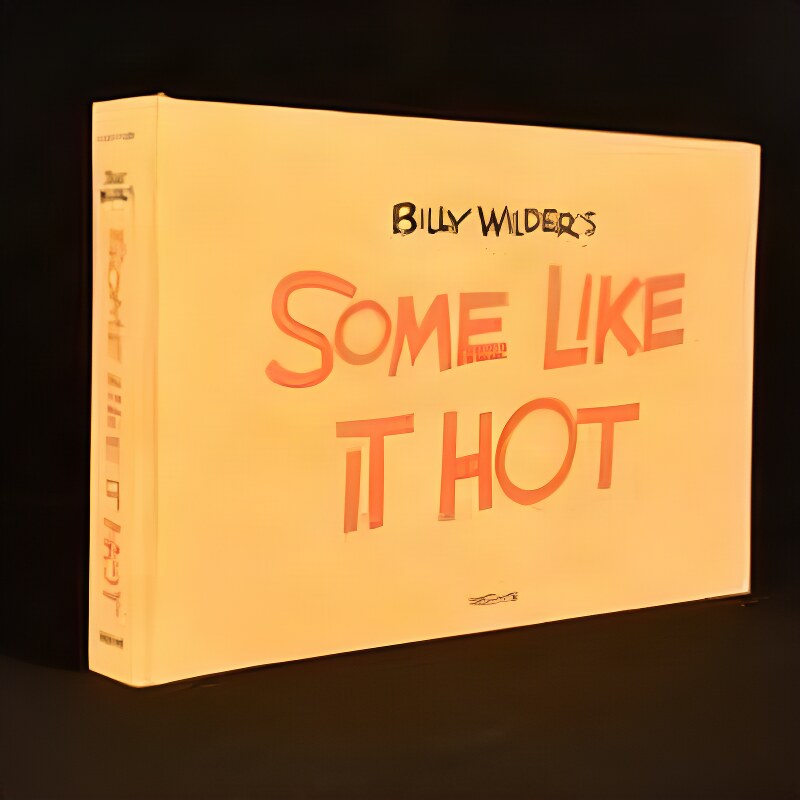
Hardcover. Taschen, 1st, 2001, Book: Very Good, Dust Jacket: None, Hardcover, yellow boards, without dj. as issued. (11" X 18") 384 pages, 843 color & b&w illustrations. Text in English, German & French. Wonderful homage to director Billy Wilder's classic comedy. Features ephemera loosely laid-in, including a facsimile of Marilyn Monroe's promptbook showcasing her original notes. Large and heavy production which requires extra shipping upon purchase. DOMESTIC SHIPPING ONLY.
Hardcover. Black Dog Publishing, 1st, 2006, Book: Very Good, Dust Jacket: Very Good, Hardcover, 189 pages. Blasphemy: Art that Offends is a prescient examination of the perpetually troubled, often explosive relationship between religion, politics and art. This book draws on a rich wealth of visual material, tracing both the history of blasphemy as a concept and re-positioning the term in the twenty-first century. Questions of censorship and freedom of expression are today extremely volatile, a fact evinced by the recent international backlash against the Danish newspaper Islamic caricatures and the murder of the Dutch filmmaker Theo Van Gogh following the release of his notorious Submission. Blasphemy: Art that Offends provides a vital vantage point from which to view the complicated, compelling interrelations between religion, politics and the visual arts.
Softcover. Seattle, Fantagraphics, reprint, 2013, Book: Very Good, Dust Jacket: None, Softcover, A comic-book classic with timely resonance: Blazing Combat was an American war-comics magazine published by Warren Publishing from 1965 to 1966. Written and edited by Archie Goodwin , with artwork by such industry notables as Gene Colan , Frank Frazetta , John Severin , Alex Toth , Al Williamson, Russ Heath, Reed Crandall, and Wally Wood , it featured war stories in both contemporary and period settings, unified by a humanistic theme of the personal costs of war, rather than by traditional men's adventure motifs. What proved to be the most controversial were stories set during the then-contemporary Vietnam War; one such story caused key distributors to stop selling the title. Fantagraphics softcover edition of the sold-out 2011 hardcover, magnificently printed and bound, of these stories, superbly reproduced from the original printer's film negatives.
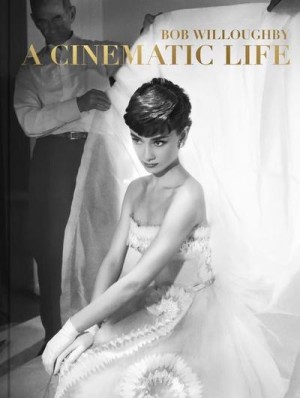
Hardcover. Los Angeles, Chronicle Chroma, 1st, 2022, Book: Very Good, Dust Jacket: Very Good, Hardcover in a bright, unclipped dust jacket, 376 pages. This is the first comprehensive, large-format monograph of Bob Willoughby's photographs of film and television stars from the 1950s to the 1970s. Considered the first on-set still photographer in the film industry, Bob Willoughby photographed numerous movie stars of the era, including Audrey Hepburn, Marilyn Monroe, Jean Seberg, Elizabeth Taylor, Natalie Wood, Frank Sinatra, Cary Grant, Doris Day, James Dean, and many more. These stars continue to influence fashion and culture, from Baby Boomers all the way to Gen Z. The iconic celebrities and others featured have lasting presence, still gaining fans today via both social media and the availability of classic films through streaming channels.This compendium features vintage and never-before-seen photographs of the most beloved stars of film and television. Willoughby's images include many taken during the filming of classics such as THE GRADUATE, MY FAIR LADY, ROSEMARY'S BABY, and others. In addition to on-set photography, there are also many candid portraits of actors at home, such as those of Audrey Hepburn. This compendium includes both black-and-white and color photographs of some of the greatest icons from this Golden Age of Hollywood. DOMESTIC SHIPPING ONLY.
Softcover. New York, Thames & Hudson, 1st, 2009, Book: Very Good, Dust Jacket: None, 216 pages. Softcover. Like new in publisher's shrink-wrap. Light edgewear to spine corners. From the early 20th century to the present day, this large-scale, brightly colored, coffee table book features the very best (and also the very cheesiest) advertisements for the hottest movie releases and stand-alone Hindi classics.
Hardcover. New York, Little, Brown and Company, 2nd pr., 2018, Book: Very Good, Dust Jacket: Very Good, 503 pages. Hardcover with dust jacket. Clean, tight copy. From The Gashlycrumb Tinies to The Doubtful Guest, Edward Gorey's wickedly funny and deliciously sinister little books have influenced our culture in innumerable ways, from the works of Tim Burton and Neil Gaiman to Lemony Snicket. Some even call him the Grandfather of Goth. But who was this man, who lived with over twenty thousand books and six cats, who roomed with Frank O'Hara at Harvard, and was known -- in the late 1940s, no less -- to traipse around in full-length fur coats, clanking bracelets, and an Edwardian beard? An eccentric, a gregarious recluse, an enigmatic auteur of whimsically morbid masterpieces, yes -- but who was the real Edward Gorey behind the Oscar Wildean pose? He published over a hundred books and illustrated works by Samuel Beckett, T.S. Eliot, Edward Lear, John Updike, Charles Dickens, Hilaire Belloc, Muriel Spark, Bram Stoker, Gilbert & Sullivan, and others. At the same time, he was a deeply complicated and conflicted individual, a man whose art reflected his obsessions with the disquieting and the darkly hilarious. Based on newly uncovered correspondence and interviews with personalities as diverse as John Ashbery, Donald Hall, Lemony Snicket, Neil Gaiman, and Anna Sui, Born to Be Posthumous draws back the curtain on the eccentric genius and mysterious life of Edward Gorey.
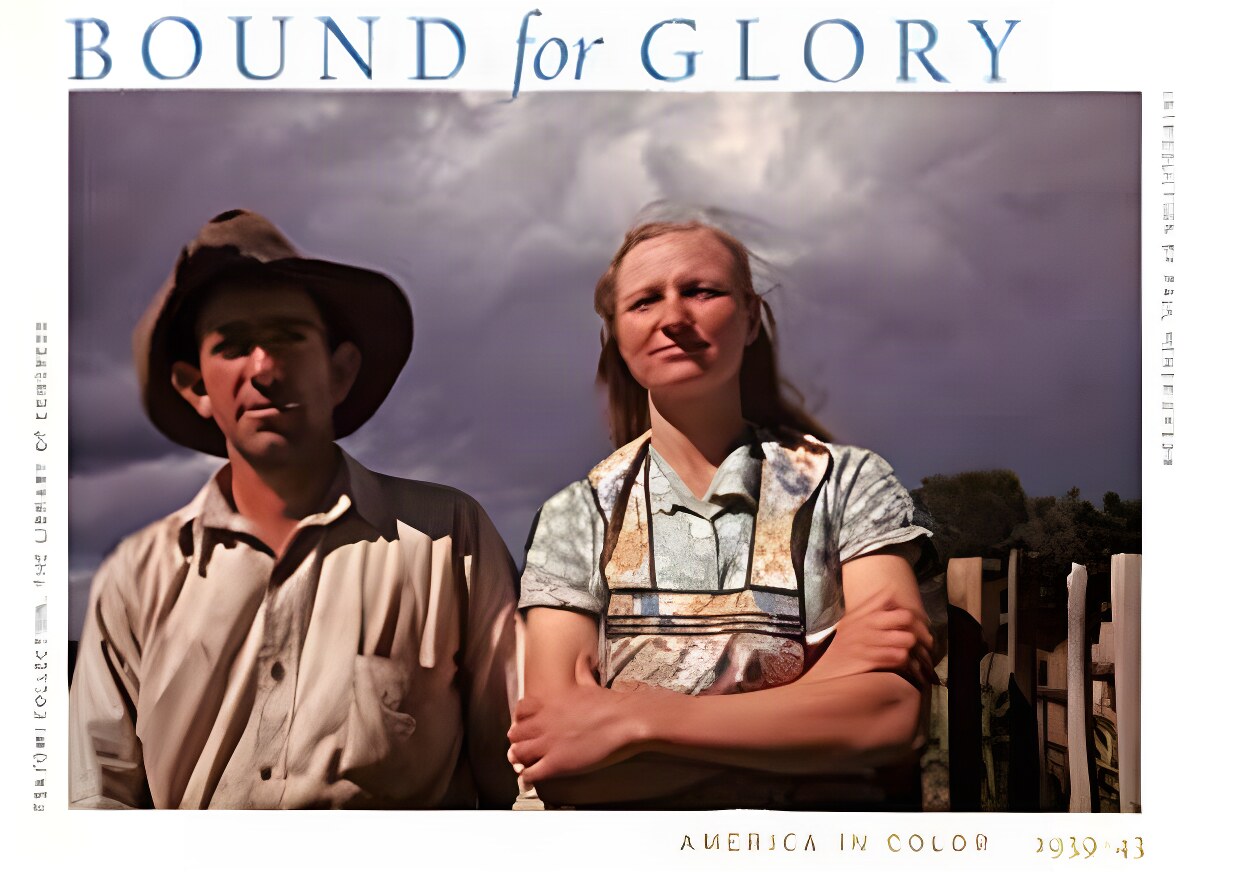
Hardcover. NY, Abrams, 1st, 2004, Book: Very Good, Dust Jacket: Very Good, Hardcover, 192 pages. Taken from 1939 to 1943 under the auspices of the Farm Security Administration and the Office of War Information, these 175 "lost" photos feature shots by Russell Lee, Andreas Feininger and Marion Post Wolcott, using the then-revolutionary technology of Kodachrome film. Color photographs taken before 1939 have largely deteriorated, so these surviving photos are later than the most familiar b&w Depression-era shots. This 11 3/4 "x8 1/2 " volume thus "colorizes" one's normally black-and-white impressions of a very vibrant time, as Hendrickson (Sons of Mississippi) notes in his introduction. The logic behind the arrangement of the photos, which at first seems largely random, as it follows neither photographer, location nor chronology, becomes clear by the end of the book: the U.S.'s industrial rise. Images of urban lethargy and farmhands picking cotton under hot blue skies (the unbearable conditions of cotton-picking somehow seem more apparent in color) gradually give way to images of mobility, mechanization and a changing economy. Arnold T. Palmer's gleaming portraits of Rosie the riveter-like aircraft workers follow Jack Delano's earthier photos of male railroad workers, their sweaty and intent faces caked with soot. Tellingly, the book ends with photos of bombers flying over California.
Hardcover. New York, Charles Scribner's Sons, 1st, 1936, Book: Good, Dust Jacket: None, 218 pages. Hardcover. Previous owners names on front endpaper. Yellow highlighting of text throughout book. "Illustrated with Photographs from Moving-Picture Films - The "movie" illustrations are clippings from the reels of the ten-round bout between Philadelphia Jack O'Brien and Tommy Burns, the former heavyweight champion of the world." Darkening to endpapers, edges. Light wear.
NY, Abrams, 1st, 1999, Book: Very Good, Dust Jacket: Very Good, Hardcover, 367 pages. Brassai: The Eye of Paris is both the catalog of an exhibition of Brassai's photographs organized by the Houston Fine Arts Museum and a valuable biography of the artist. In 1932, only three years after he purchased his first camera (a Leica), Brassai published a portfolio of 64 photos titled Paris by Night that caused an immediate sensation. His lively eye (seen in an enigmatic photograph at the beginning of the book) captured fresh, unique images of the city and its citizens. Fascinated by the underworld, he moved easily among gangsters and prostitutes in bars and bordellos; he was equally at home among the fashionable and wealthy, and just as devastating in his depiction of them. He used magnesium flares for low-contrast shadows, catching his subjects in natural poses at significant moments. The wide range of Brassai's work is suggested by his formal nudes, which have an affinity with Edward Weston's, and his informal portraits, which remind viewers of Diane Arbus, who admired his work. Brassai was a central figure in the intellectual and artistic circles of Montparnasse that made Paris the most exciting city in the world during the 1930s. In a long essay that includes lively anecdotes of the photographer's relationships with Picasso, Henry Miller, Kertesz, and many other luminaries, the author re-creates the aesthetic and philosophical ferment of the period. Brassai: The Eye of Paris recognizes the artist's talents in five different media--photography, filmmaking, sculpture, writing, and drawing--but focuses on what he is best known for: lyrical and penetrating photographs of the City of Light.
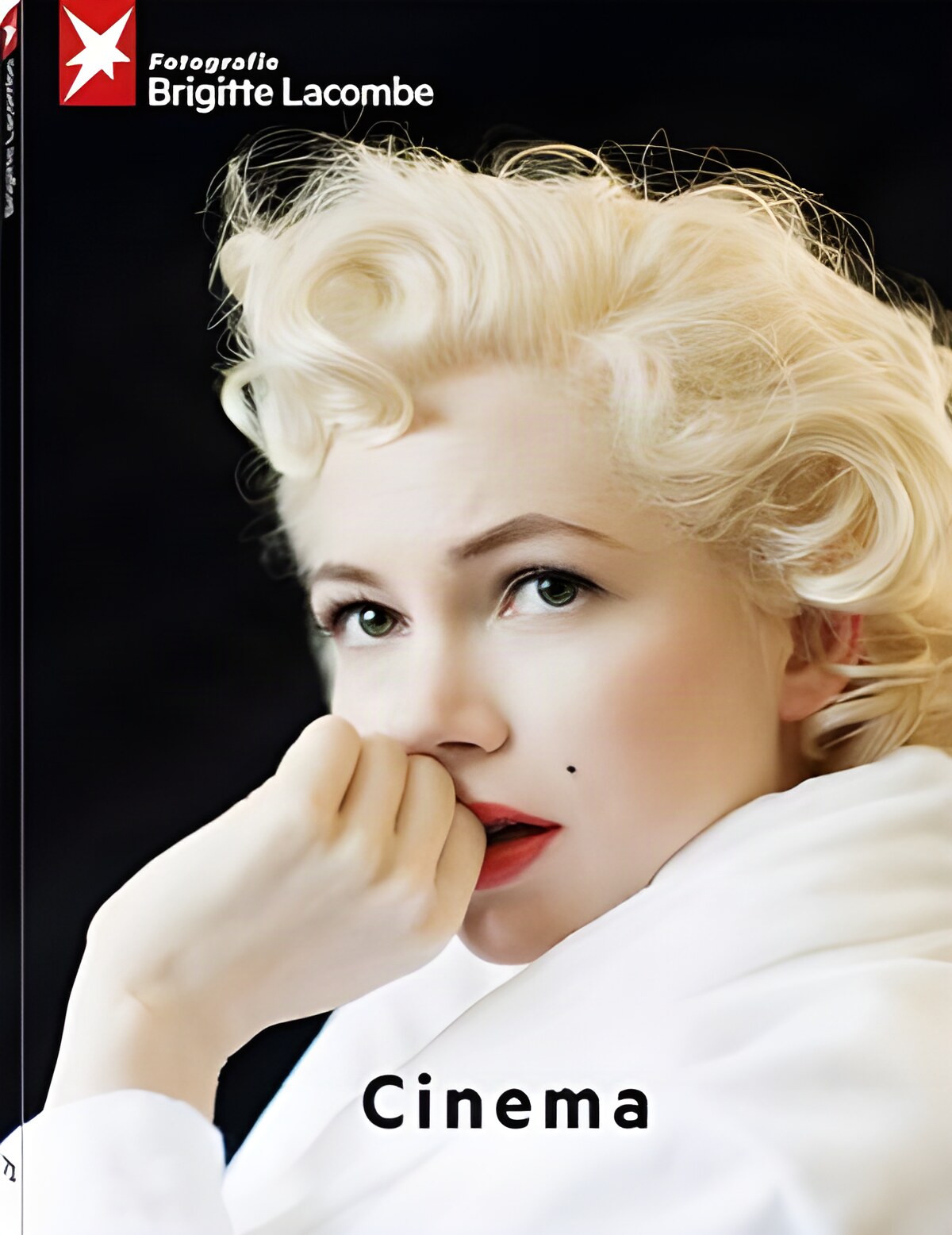
Hardcover. US, Stern Portfolios, 1st, 2013, Book: Very Good, Dust Jacket: None, 96 pages. Hardcover with laminated boards. Like new in publishers shrinkwrap. In 1975, the young Parisian photographer Brigitte Lacombe met Donald Sutherland and Dustin Hoffman at the Cannes Film Festival; these new acquaintances would go on to open doors for her. That same year she was hired as a photographer for the filming of Fellini's Casanova. Since then, Lacombe's famous images have reflected a who's who of Hollywood cinema. This collection spans a masterfully choreographed array of photographs Lacombe took - all the way from the sets of 1970's cinema classics to film milestones of the new millennium, including Alan J. Pakula's All the President's Men, Martin Scorsese's Gangs of New York, and Quentin Tarantino's Inglorious Bastards. Conveying a certain intimacy without unmasking any mystery, Lacombe's images capture classical beauty in a way that is fresh and exciting.
Hardcover. US, Stern Portfolios, 1st, 2013, Book: Very Good, Dust Jacket: None, 96 pages. Hardcover with laminated boards. Like new in publishers shrinkwrap. In 1975, the young Parisian photographer Brigitte Lacombe met Donald Sutherland and Dustin Hoffman at the Cannes Film Festival; these new acquaintances would go on to open doors for her. That same year she was hired as a photographer for the filming of Fellini's Casanova. Since then, Lacombe's famous images have reflected a who's who of Hollywood cinema. This collection spans a masterfully choreographed array of photographs Lacombe took - all the way from the sets of 1970's cinema classics to film milestones of the new millennium, including Alan J. Pakula's All the President's Men, Martin Scorsese's Gangs of New York, and Quentin Tarantino's Inglorious Bastards. Conveying a certain intimacy without unmasking any mystery, Lacombe's images capture classical beauty in a way that is fresh and exciting.
Hardcover. US, Moderne Kunst Nurnberg, 1st, 2011, Book: Very Good, Dust Jacket: None, 216 pages, illustrated in color and b&w. Small 4to, boards. This work looks at parallels between Conner's works as an artist and filmmaker. It depicts and discusses his drawings, oil and acrylic paintings, lithographs, prints, photograms and photographs, alongside three of Conner's best-known films: Breakaway (1966), Crossroads (1976), and Marilyn Times Five (1968-1973). Text in English. Like new in publishers shrink-wrap.
Hardcover. Gottingen, Steidl, 1st, 2015, Book: Very Good, Dust Jacket: Very Good, Hardcover with dust jacket. Like new in publisher's shrink-wrap. This volume presents Bruce Davidson's personal selections from his lesser-known color archive, from a period of nearly 60 years. Assignments from various magazines including Vogue, National Geographic and Life, as well as commercial projects led Davidson to photograph subjects as diverse as fashion (in the early 1960s), the Shah of Iran with his family (1964), keepers of French monuments (1988), the supermodel Kylie Bax (1997) and college cheerleaders (1989). He photographed in India and China, but also at home in New York, in Chicago and along the Pacific Coast Highway. In 1968, Michelangelo Antonioni invited Davidson to document the making of his film Zabriskie Point. Davidson also continued to pursue personal projects, such as photographing the Yiddish writer and Nobel Prize laureate Isaac Bashevis Singer (1972-75), the New York City subway (1980) and Katz's Delicatessen (2004). Often staying on in a country after an official assignment, Davidson documented Welsh coalfields, family holidays in Martha's Vineyard and travelled through Patagonia and Mexico.
Hardcover. NY, Harry N Abrams, 1st, 1996, Book: Very Good, Dust Jacket: Very Good, Hardcover in a bright dust jacket. 208 pages illustrated in color. A surprising look at who designed for Disney: Michael Graves, Frank Gehry, Aldo Rossi, Robert Venturi etc. Based on interviews with those involved plus original photos and drawings. From fairy-tale castles to extraordinary buildings designed by the world's most distinguished architects, The Walt Disney Company has set new standards for the imaginative use of popular imagery in architecture. The company's enormously influential architectural philosophy, first expressed more than fifty years ago at Disneyland, draws on characters and settings from the world's most compelling legends and stories, especially Disney's own remarkable animated films. Clean copy.
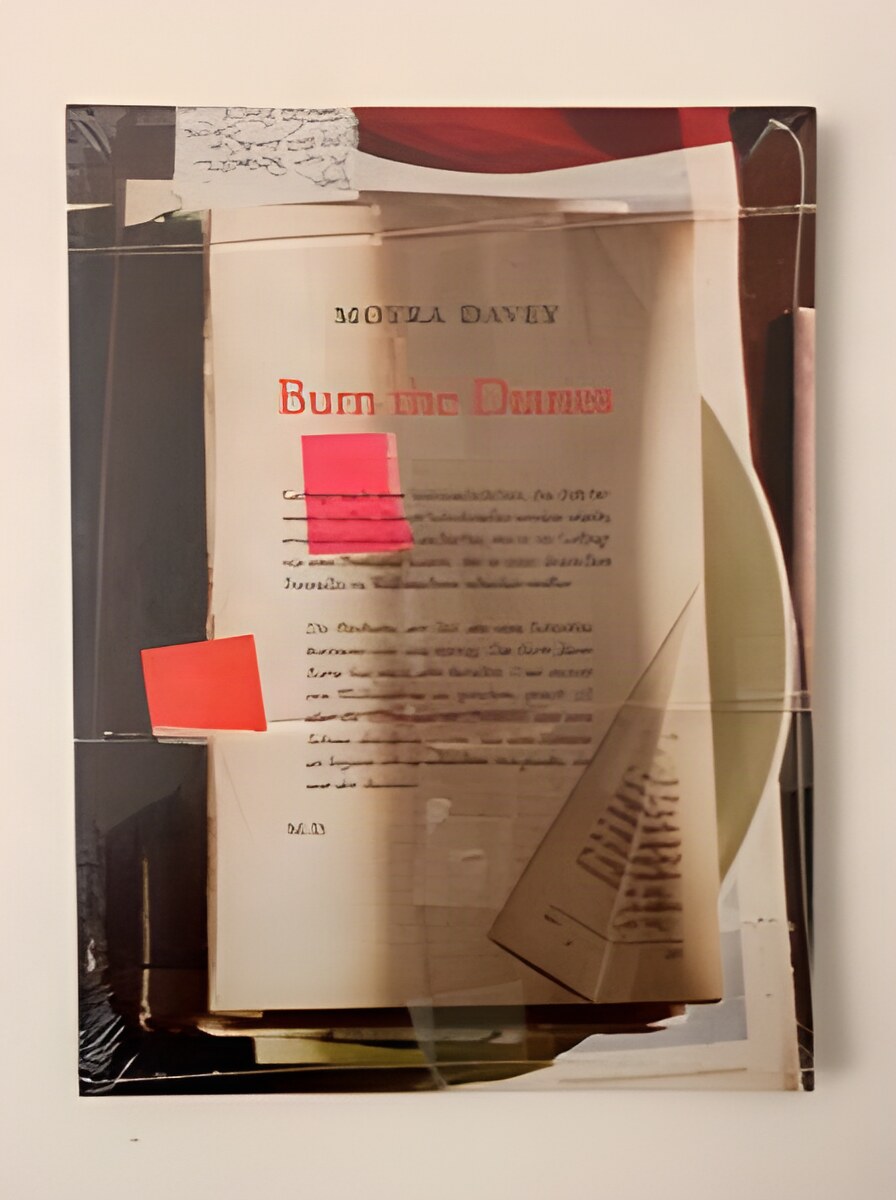
Softcover. Wien, mumok/ICA/Dancing Foxes Press, 1st, 2014, Book: Very Good, Dust Jacket: None, 60 pages. Softcover. Previous owners name and date on title page. Illustrated with full color photography. Light wear. Clean, unmarked text. In the oeuvre of New York artist Moyra Davey (born 1958), literature and writing are as significant as photography, film and video. In her latest text, Burn the Diaries, Davey considers the work of French playwright and political activist Jean Genet, while examining fugitive moments from her own life. An essay by her childhood friend and reading companion Alison Strayer, written in response, reflects on Davey's themes. The publication is part of a group of new works--also including photographs, a film and an installation of her signature mailers, which Davey sends to family, friends and acquaintances--that illuminate the relationship between image and language. This volume can be read both as an artist's book and a catalogue to accompany the exhibition at Mumok, Vienna, and the ICA, Philadelphia, in 2014.
Hardcover. New York, Morrow, 1st, 2005, Book: Very Good, Dust Jacket: Very Good, Hardcover, 356 pages. SIGNED BY AUTHOR ON TITLE PAGE. Clean, tight copy. Remainder line bottom edge. X marks the spot -- and when that spot is a corpse's naked back and the X is carved in blood, Detective Inspector Tom Thorne is in no doubt that the dead man is the latest victim of a particularly vicious contract killer. It's morbid and messy -- but it's a mystery with plenty of clues. This is turf warfare between North London gangs. Organized crime boss Billy Ryan is moving into someone else's territory, and that someone is ready to stand up for what he believes is his. Thorne's got plenty on his plate when he agrees to help out ex-DCI Carol Chamberlain rake through the ashes of an old case that has come back to haunt her. Schoolgirl Jessica Clarke was lit on fire twenty years ago. Now, Gordon Rooker, the man Chamberlain put away for the crime, is up for parole, and it seems there's a copycat on the prowl.
Hardcover. Jefferson, NC, McFarland & Company, 1st, 1996, Book: Very Good, Dust Jacket: None, Hardcover. 166 pages plus index. Near fine in the publisher's red boards with white spine and upper board lettering. Issued without a dust jacket.
Hardcover. New York, Newmarket Press, 1st US, 2005, Book: Very Good, Dust Jacket: Very Good, 289 pages, hardcover with dust jacket. An tour of Buster Keaton's life and art. Mild rubbing to dust jacket. Creasing to dust jacket front flap. Includes 40 black-and-white photographs. Unmarked. Bright and clean; a tight copy.
Hardcover. Zurich, Parkett Publishers, 1st, 1991, Book: Very Good, Dust Jacket: Very Good, Hardcover, 150 pages, color illustrations. Buster's Bedroom is a 1990 independent German comedy film directed by Rebecca Horn. The film follows a young woman with an infatuation for Buster Keaton. The film was shown at the Marche du Film of the Cannes Film Festival in May 1990.
Hardcover. NY, powerHouse Books, 1st, 2008, Book: Very Good, Dust Jacket: Very Good, Hardcover, 268 pages. A privileged witness to the glamorous spirit of the 1950s and 60s, Milton H. Greene photographed the greatest artists, actors, and personalities of the twentieth century, including Marilyn Monroe, Frank Sinatra, Grace Kelly, Marlene Dietrich, Sammy Davis Jr., Elizabeth Taylor, Cary Grant, Sophia Loren, Groucho Marx, Audrey Hepburn, Judy Garland, Lauren Hutton, Alfred Hitchcock, Sir Laurence Olivier, Ava Gardner, Steve McQueen, Claudia Cardinale, Paul Newman, Lauren Bacall, Dizzy Gillespie, and Catherine Deneuve, amongst countless others. Renowned for his fashion photographs, Greene perfectly captured the fantasy, elegance, and beauty of his models, for which he secured assignments from major national publications and prestigious advertising clients. But That's Another Story: A Photographic Retrospective of Milton H. Greene reproduces, in their original clarity and integrity, pictures that have been largely unavailable since Greene's death in 1985. Organized thematically, the book features both the widely published fashion and celebrity series (including the campaign Greene shot for American Airlines in the 1950s), and intimate backstage candids. A whole chapter is dedicated to photos of Marilyn Monroe, where some of her most iconic portraits mix with private moments from her life. Ultimately, Greene's photography invites us back to an era when film and fashion, art and style were at their highest.

 "Billy Name:The Silver Age: Black and White Photographs from Andy Warhol's Factoryby: James, Dagon")
 "Blasphemy: Art That Offendsby: Plate, S. Brent")
 "Blue Angel: The Life of Marlene Dietrichby: Spoto, Donald")


 "Bollywood Postersby: Pinto, Jeremy")

 "Boxingby: O'Brien, Philadelphia Jack/S. E. Bilik, M. D.")

 "Brigitte Lacombeby: Lacombe, Brigitte")



 "Buster Keaton: Tempest in a Flat Hatby: McPherson, Edward")
 "But That's Another Story: A Photographic Retrospective of Milton H. Greeneby: Greene, Amy")