Softcover. London, Phoenix Press, reprint, 2002, Book: Very Good, Dust Jacket: None, Softcover, 500 pages. The youngest member ever of the esteemed Academie Francaise--and winner of the Legion of Honor--produces a towering, erudite study of the humble men and women who were Christ's very first followers. Historically rich, it captures everything from the occupations, families, and homes to the flowers and birds native to the land. ".wealth of information.about customs, language, habits, clothes, food and all the other features.will make the reading of the New Testament far more real and vivid."--The Times. Clean copy.
Softcover. Brownington VT, Orleans County Historical Society, 1st, 1983, Book: Very Good, Dust Jacket: None, Softcover, 122 pages. Previous owner's name, embossed stamp on title pg. A charming, nostalgic portrait of Vermont through the eyes of Daisy Dopp, a beloved figure in the state's history, this book is a collection of anecdotes, illustrations, and historical details that capture the essence of Vermont's rural life and traditions. B&w drawings by Peter Schumann.
Softcover. Urbana IL, University of Illinois Press, 1st, 2015, Book: Very Good, Dust Jacket: None, Softcover, 295 pages, b&w illustrations. INSCRIBED BY BECK on the title page. A daughter of freed African American slaves, Daisy Turner became a living repository of history. The family narrative entrusted to her--"a well-polished artifact, an heirloom that had been carefully preserved"--began among the Yoruba in West Africa and continued with her own century and more of life. In 1983, folklorist Jane Beck began a series of interviews with Turner, then one hundred years old and still relating four generations of oral history. Beck uses Turner's storytelling to build the Turner family saga, using at its foundation the oft-repeated touchstone stories at the heart of their experiences: the abduction into slavery of Turner's African ancestors; Daisy's father Alec Turner learning to read; his return as a soldier to his former plantation to kill his former overseer; and Daisy's childhood stand against racism. Other stories re-create enslavement and her father's life in Vermont--in short, the range of life events large and small, transmitted by means so alive as to include voice inflections. Beck, at the same time, weaves in historical research and offers a folklorist's perspective on oral history and the hazards--and uses--of memory. Clean copy.
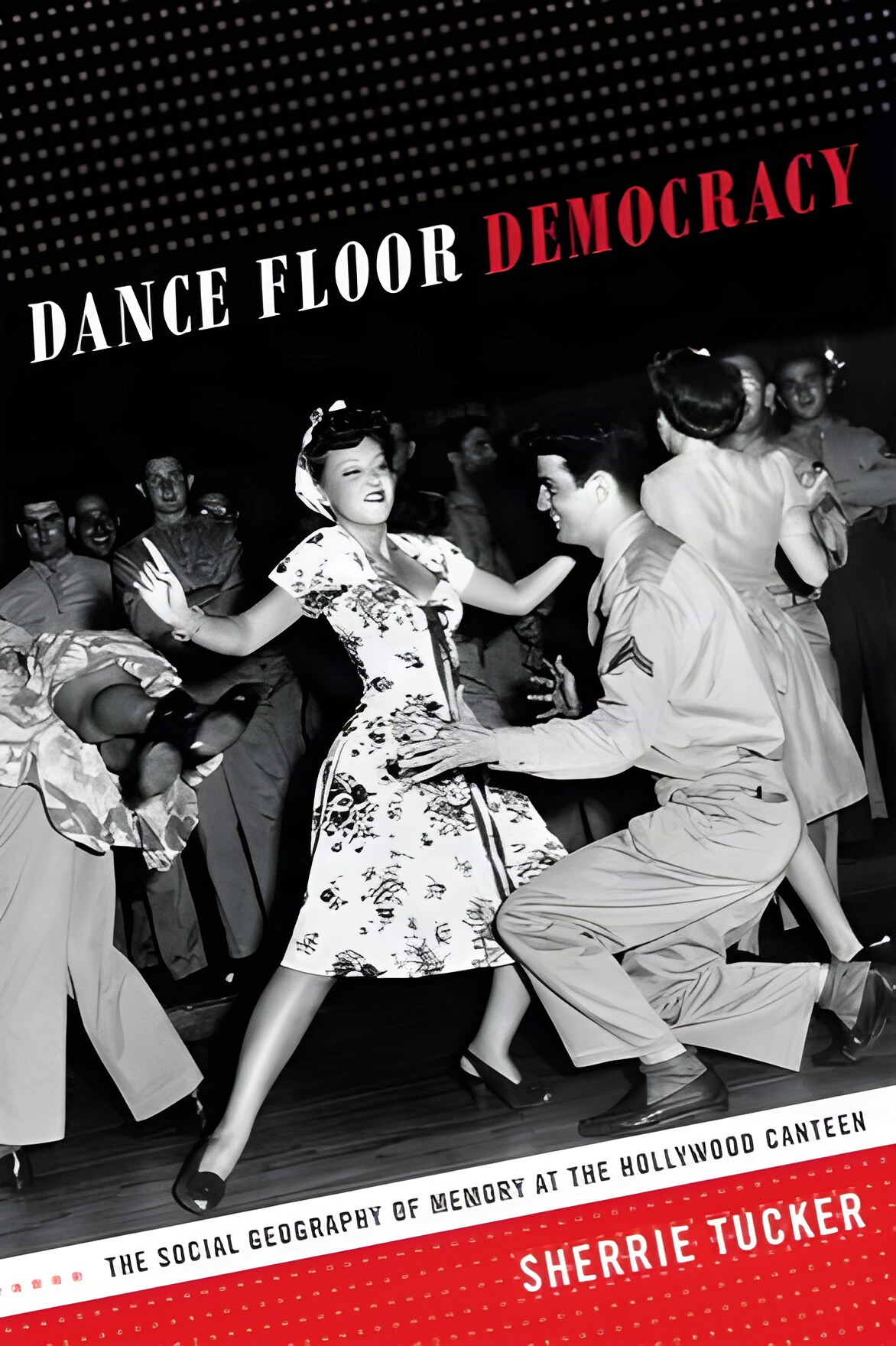
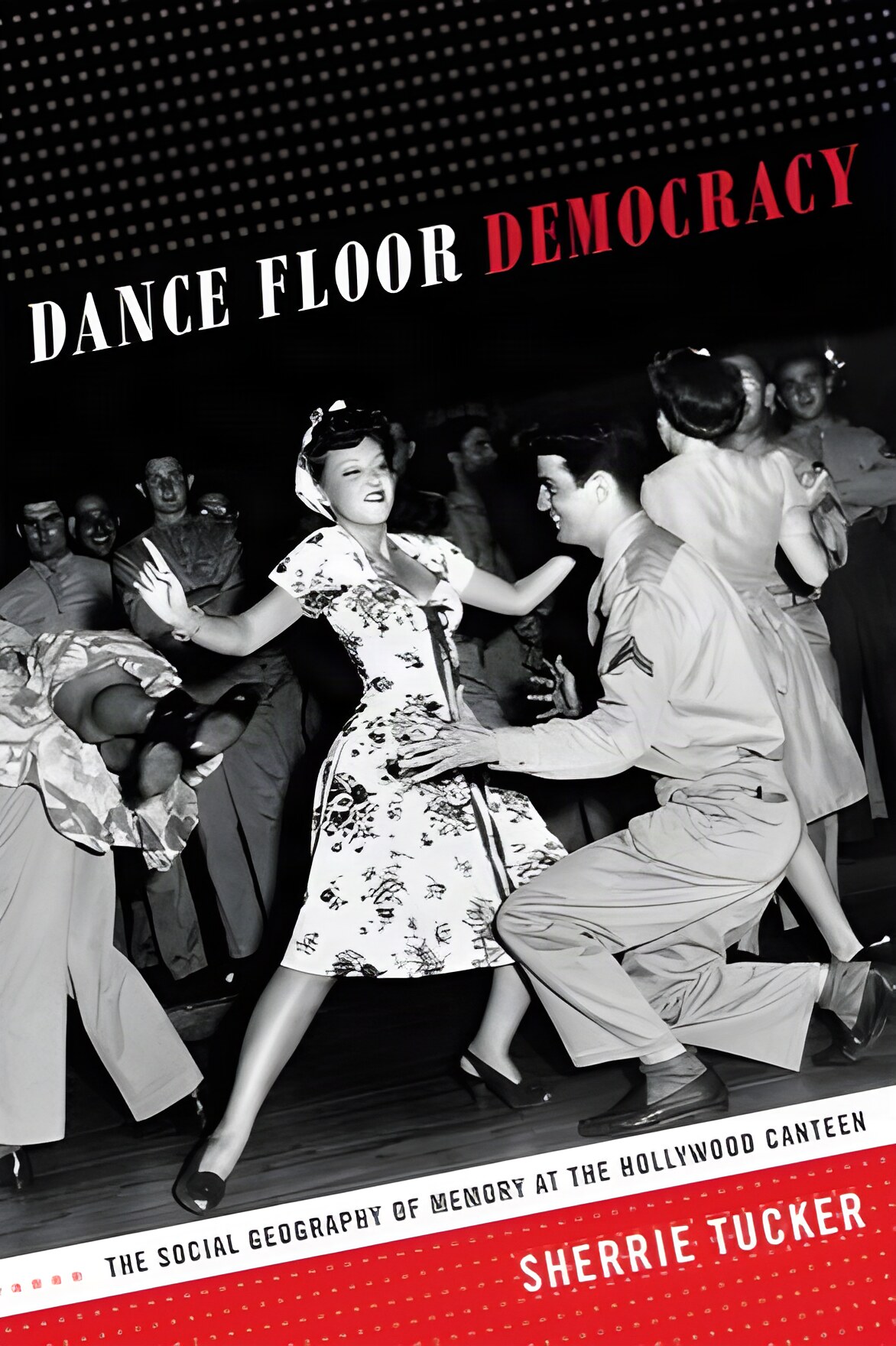
Softcover. Durham NC, Duke University Press, 1st, 2014, Book: Very Good, Dust Jacket: None, Softcover, 416 pages. Open from 1942 until 1945, the Hollywood Canteen was the most famous of the patriotic home front nightclubs where civilian hostesses jitterbugged with enlisted men of the Allied Nations. Since the opening night, when the crowds were so thick that Bette Davis had to enter through the bathroom window to give her welcome speech, the storied dance floor where movie stars danced with soldiers has been the subject of much U.S. nostalgia about the 'Greatest Generation.' Drawing from oral histories with civilian volunteers and military guests who danced at the wartime nightclub, Sherrie Tucker explores how jitterbugging swing culture has come to represent the war in U.S. national memory. Yet her interviewees' varied experiences and recollections belie the possibility of any singular historical narrative. Some recall racism, sexism, and inequality on the nightclub's dance floor and in Los Angeles neighborhoods, dynamics at odds with the U.S. democratic, egalitarian ideals associated with the Hollywood Canteen and the 'Good War' in popular culture narratives. Clean copy in publisher's shrinkwrap.
Softcover. Durham NC, Duke University Press, 1st, 2014, Book: Very Good, Dust Jacket: None, Softcover, 416 pages. Open from 1942 until 1945, the Hollywood Canteen was the most famous of the patriotic home front nightclubs where civilian hostesses jitterbugged with enlisted men of the Allied Nations. Since the opening night, when the crowds were so thick that Bette Davis had to enter through the bathroom window to give her welcome speech, the storied dance floor where movie stars danced with soldiers has been the subject of much U.S. nostalgia about the 'Greatest Generation.' Drawing from oral histories with civilian volunteers and military guests who danced at the wartime nightclub, Sherrie Tucker explores how jitterbugging swing culture has come to represent the war in U.S. national memory. Yet her interviewees' varied experiences and recollections belie the possibility of any singular historical narrative. Some recall racism, sexism, and inequality on the nightclub's dance floor and in Los Angeles neighborhoods, dynamics at odds with the U.S. democratic, egalitarian ideals associated with the Hollywood Canteen and the 'Good War' in popular culture narratives. Clean copy in publisher's shrinkwrap.
Softcover. San Francisco, Chronicle Books, 1st, 1993, Book: Very Good, Dust Jacket: None, Softcover, 144 pages. An illustrated history of the fabulous pulp magazines from 1896 to 1953. After tracing the birth of the pulps back to the 1882 launching of Golden Argosy magazine, printed on pulpwood pages, Server organizes his unwieldy subject into categories of pulps: adventure, romance and sex, horror and fantasy, private eye, weird menace, science fiction. Each receives a lively capsule history that covers trends, reader (and sometimes, as in the case of the ``Spicys,'' government) response, and writers' bios--which, though sketchy (Hammett's Hollywood experience gets one sentence), resurrect a number of relatively obscure but seminal and fascinating figures, like Conan- creator Robert E. Howard, who shot himself dead at age 30 on the day his mother died, and Frederick Faust (a.k.a. Max Brand), who sometimes wrote around the clock, piling up two or three million words a year. Server attributes the pulps' demise to, among other factors, the advent of TV, paperbacks, and comic books, and he winds up with a note on pulp-collecting. For all of the author's savvy, though, it's above all the eye- popping illustrations (100 color, 57 b&w) that will have readers beaming. Magazine covers (some lurid, some of eerie beauty), sample pages of text and ads (``Raise Giant Frogs'')--the pulps come alive once again here, in all their eccentric glory.
Hardcover. Auburn, Miller, Orton & Mulligan, 1st, 1854, Book: Good, Dust Jacket: None, 390 pages. Noted as "Fifth Thousand" at top of title page. Previous owners name on front endpaper. Brown leather covers with gilt title on faded spine. Rubbing to cover corners. Light foxing to some pages. Copy tight and unmarked.
Hardcover. London, Arthur Baker, 1st, 1967, Book: Very Good, Dust Jacket: Good, Hardcover in a dust jacket with partial fading, 449 pages, b&w illustrations. The definitive biography of the larger-than-life figure of the French Revolution who was found guilty of loyalist inclinations and executed at the guillotine. Name on front fly leaf otherwise clean.
Hardcover. NY, Time Life, reprint, 1982, Book: Very Good, Dust Jacket: None, 288 pages. Hardcover with no dust jacket. Dark blue leather bound with gilt titles to front cover and spine. Embossed decoration on front cover. Gilt text block edges, red ribbon marker. Light scuffing to fore edge gilt. Otherwise, clean, tight copy. A History of the Andrews Railroad Raid into Georgia in 1862, Embracing a Full and Accurate Account of the Secret Journey to the Heart of the Confederacy, the Capture of a Railway Train in a Confederate Camp, the Terrible Chase that Followed, and the Subsequent Fortunes of the Leader and His Party. Reprint of the 1877 edition.
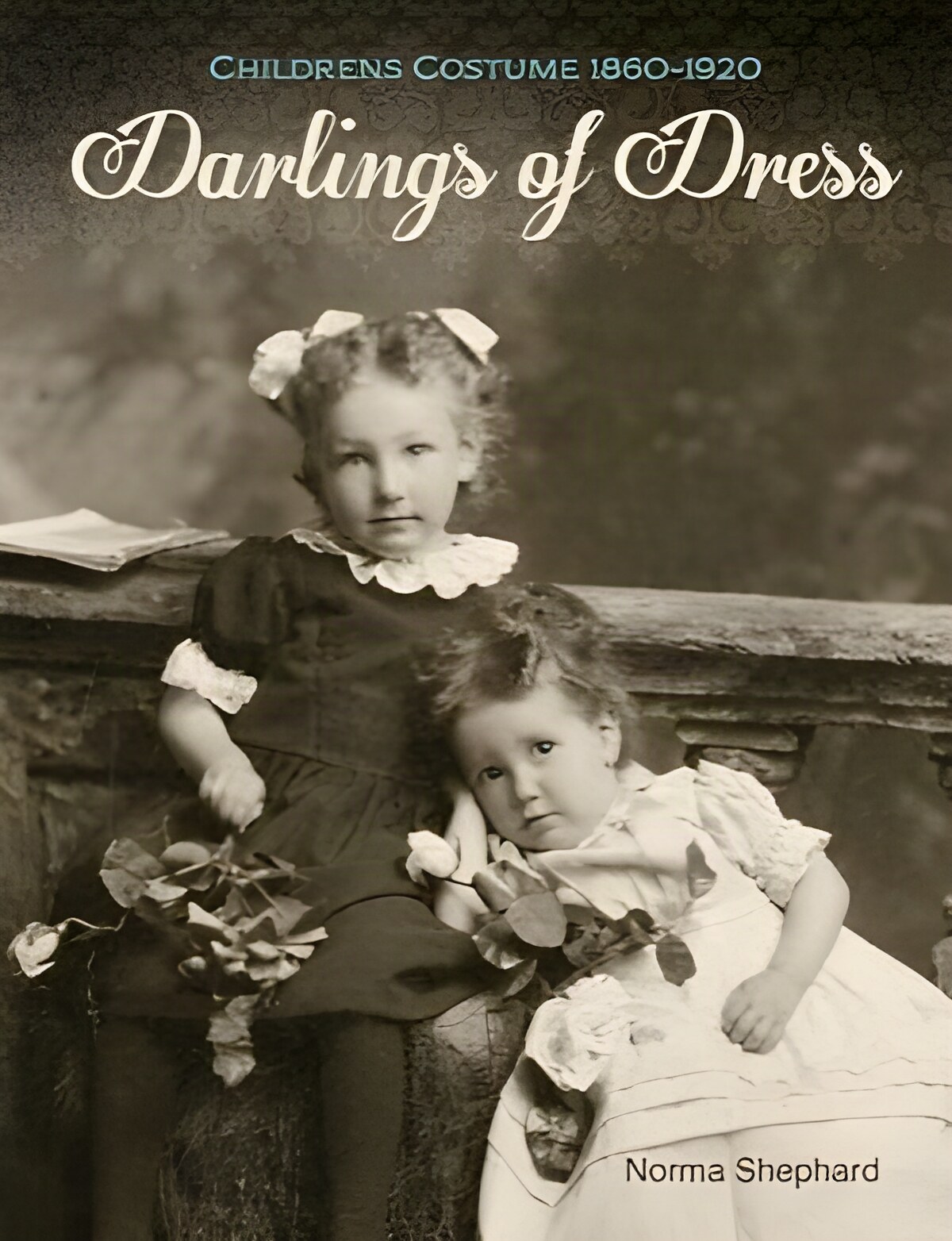
Hardcover. Atglen PA, Schiffer Fashion Press, 1st, 2017, Book: Very Good, Dust Jacket: Very Good, Hardcover in a bright dust jacket. This nostalgic look at children's costume, from 1860 to 1920, reveals diverse cultural influences on its manufacture and design. More than 300 historic photographs, fashion plates, and selections from vintage catalogs and magazines, plus 115 color images, show examples of costume and accessories. See infants in period dress plus school-aged and teen fads and trends. Learn about the history of clothing use and development, fabric types, conservation and storage of textiles, and artistic inspiration, all arranged by decade. All types of clothing are represented, including christening gowns; boys' breeches, knickerbockers, and sack suits; swimwear and underwear; bloomers and blouses; fur, feather boas, and frocks; sailor suits and uniforms; collars and belts; capes and hoods; lingerie and dresses; sweaters and cardigans; overalls; and many more. Whether you are interested in clothing children wore in 1920 or to church in the Victorian era, this reference is a fun and evocative collection. Clean copy.
Hardcover. Chicago, University of Chicago, 1st, 1987, Book: Very Good, Dust Jacket: Very Good, Hardcover in a bright dust jacket, 700 pages, b&w illustrations. With insight and wit, Robert J. Richards focuses on the development of evolutionary theories of mind and behavior from their first distinct appearance in the eighteenth century to their controversial state today. Particularly important in the nineteenth century were Charles Darwin's ideas about instinct, reason, and morality, which Richards considers against the background of Darwin's personality, training, scientific and cultural concerns, and intellectual community. Many critics have argued that the Darwinian revolution stripped nature of moral purpose and ethically neutered the human animal. Richards contends, however, that Darwin, Herbert Spencer, and their disciples attempted to reanimate moral life, believing that the evolutionary process gave heart to unselfish, altruistic behavior. Name on front fly leaf, otherwise clean.
Hardcover. Munchen GR%, C. Bertelsmann, 1st, 1995, Book: Very Good, Dust Jacket: Very Good, Hardcover, 255 pages, profusely illustrated with b&w photographs. GERMAN TEXT.
Hardcover. Berlin GR, Nicolai Publishing, 1st, 1997, Book: Very Good, Dust Jacket: Very Good, Hardcover in a bright dust jacket. GERMAN TEXT. The history of Berlin's grand hotel. The Adlon opened on October 23, 1907, with the Kaiser, his wife, and many other notables in attendance. It quickly became the social center of Berlin. As the rooms in the Stadtschloss were cold and drafty, the Kaiser paid an annual retainer to keep suites available for his guests.[2] Likewise the Foreign Office used the Adlon for accommodation during state visits, with guests including Tsar Nicholas II of Russia and Maharaja Bhupinder Singh of Patiala. Notable guests of the early years included industrialists such as Thomas Edison, Henry Ford, and John D. Rockefeller, as well as politicians like Walter Rathenau, Gustav Stresemann and the French prime minister Aristide Briand. Many wealthy Berliners lived for extended periods of time in the hotel, while its ballrooms hosted official government functions and society events. Many photos. Clean copy.
Hardcover. Rome, Institut Suisse De Rome, 1st Edition, 1976, Book: Good, Dust Jacket: Good, 159 pages followed by 46 plates in black & white. Hardcover limited edition to 800 copies in German Text. White cloth boards with brick titles to spine. Previous owner's name to front flyleaf. Spotting, foxing to preliminary pages & edges. Dust jacket with light foxing, now protected with plastic cover. Plates detail fresco cycle of the Oratorio di San Giovanni Decollato in Rome commissioned by the Florentine confraternity of the Misericordia, related drawings & sculptures. Clean, unmarked copy.
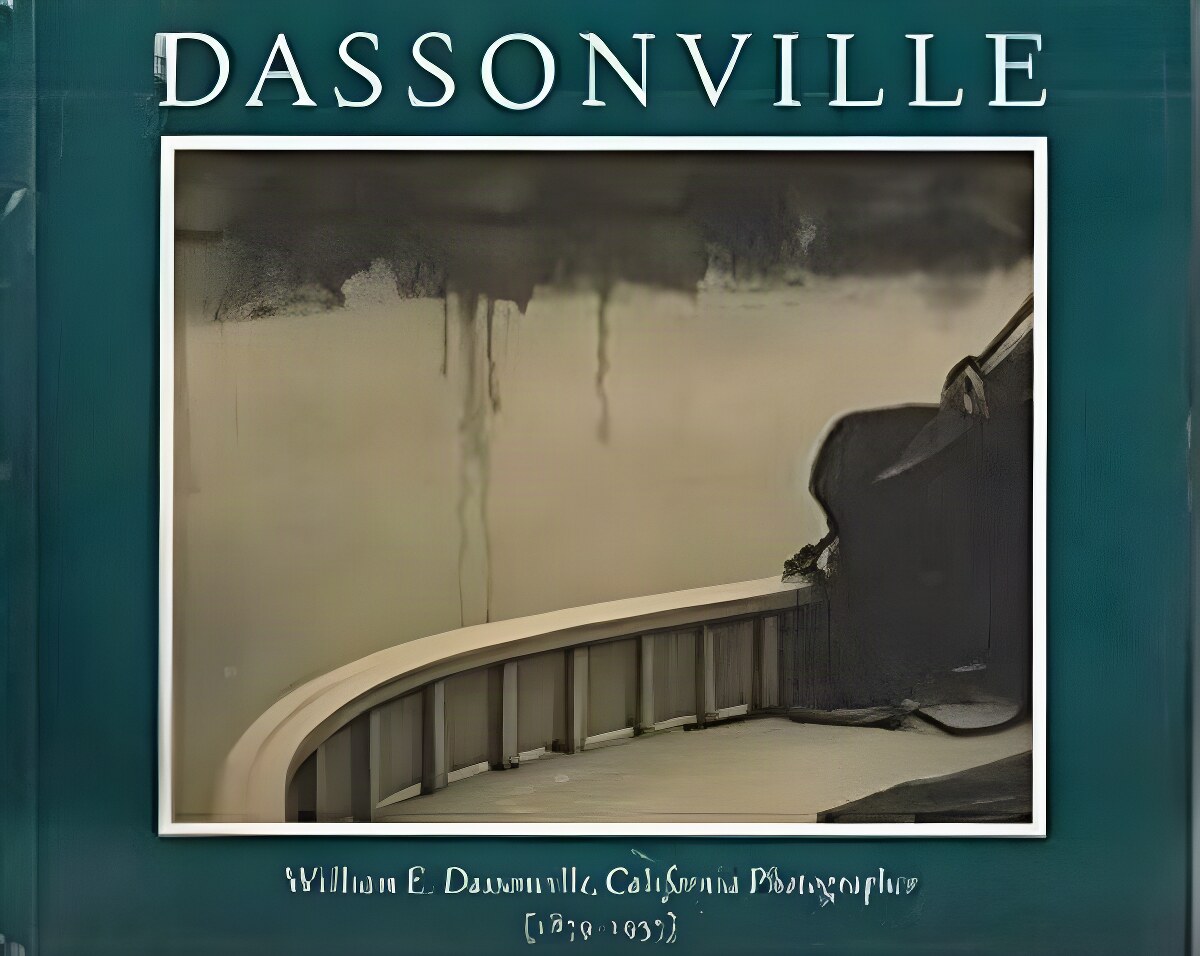
Hardcover. Nevada City CA, Carl Mautz Publishung, 1st, 1999, Book: Very Good, Dust Jacket: Very Good, Oblong hardcover. 111 pages. Researched and edited by Susan Herzig and Paul Hertzman. Essay by Peter Palmquist. Includes 60 illustrations with 47 color and duotone plates.
Hardcover. London ; Boston, Faber & Faber, 1st, 1979, Book: Very Good, Dust Jacket: Very Good, Hardcover, 256 pages, b&w illustrations. Light shelf-wear and rubbing to dust jacket. Previous owner's blind stamp on front end paper, else a clean, tight copy.
Hardcover. NY, Harper and Row, 1st, 1988, Book: Very Good, Dust Jacket: Very Good, Hardcover in a bright, unclipped dust jacket, 244 pages. The author spent 6 weeks with a courageous and devoted group of black reporters from the Johannesburg Star. This book focuses on the dilemma of these men and women caught between the militant black community, the police who harass them mercilessly, and their white editors who, fearful of the truth and wary of government disapproval, sometimes refuse to print the stories the reporters risked their lives to get. Clean copy.
Hardcover. Cleveland, OH, World Publishing, 1st, 1967, Book: Very Good, Dust Jacket: Good, 143 pages. Hardcover with clipped-dust jacket. SIGNED BY ILLUSTRATOR, WENDY WATSON, ON TITLE PAGE. Fading to dust jacket spine, light rubbing to edges. Tight copy.
Hardcover. NY, Norton, 1st, 2003, Book: Very Good, Dust Jacket: Very Good, Hardcover, 160 pages. A tribute to the barn by the master documentarian of our time. As an elemental part of our landscape and our history, barns evoke childhood memories for many of us, recollections of a simpler way of life. Regardless of their size or shape, their forms follow their functions. They are honest. They are beautiful. And they are rapidly vanishing. Across the land we see abandoned farms with barns falling down, being torn down, and only occasionally being converted to other uses. As urban sprawl eats up the countryside and food-producing Goliaths put small farmers out of business, the need for old barns has diminished. For most of his life as a photographer, David Plowden has admired and photographed barns. In recent years, as their disappearance accelerated, he made it his mission to document these beautiful structures, before they too are lost. The result is this beautiful book, his hymn to the American barn. 130 duotone photographs.
Softcover. Bennington VT, Bennington Historical Museum and Art Gallery, 1st, 1945, Book: Very Good, Dust Jacket: None, Softcover, cream color card wrappers, 67 pages, frontispiece of the author. "From several points of view, I think the strange story of David Redding, the mystery surrounding his trials and condemnation, is as interesting as any in our history. From my study I can look out upon the place where stood the gallows upon which David Redding was executed. These pages contain the result of many years' study of this man's tragic story." - from the Foreword. Clean, bright copy.
Hardcover. Benteli Verlags , 1st, 2017, Book: Very Good, Dust Jacket: None, Oblong hardcover with a pictorial label, 192 pages. The faded remnants of a glorious past are captured in all their morbid beauty, in images that manifest the ephemeral and go beyond all conventional associations and conceptions of the American South: Days Gone By combines carefully crafted photographs from the past ten years with a cultural history of the region's social and structural changes. With an unflinching gaze, Jorg Rubbert presents the demise of countless small towns between Georgia, Mississippi and Texas, their suffering particularly tangible following the financial crisis. Rural towns, idyllic at first glance, are soon revealed as forgotten relics of times long past.
Hardcover. London, The Grolier Society, 1st Thus, ND, Book: Very Good, Dust Jacket: None, 2 Hardcover Volumes. Edition de Luxe - Limited to One Thousand Copies for England and America - this being No. 746. Gray cloth covers. Top edges gilt. Fading to spine labels. Full color and black & white illustrations. Clean, tight copies.
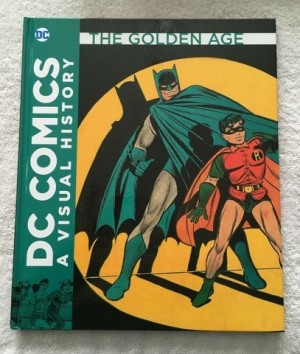
Hardcover. NY, DK Publishing, 1st, 2017, Book: Very Good, Hardcover, glossy pictorial boards, 72 pages. Embark on an amazing, visually dazzling adventure across the Golden Age of DC Comics history! The Golden Age heralded the birth of the Super Hero, and DC Comics paved the way. From the big bang debut of Superman in 1938 to the sensational arrival of the Amazon Princess, Wonder Woman in 1942, the face of comics books was to change forever. Profusely illustrated in color. Clean, bright copy.


 "Daisy Turner's Kin: An African American Family Saga (INSCRIBED COPY)by: Beck, Jane C.")
 "Danger Is My Businessby: Lee Server")


 "Daring and Suffering: A History of the Great Railroad Adventure (Collector's Library of the Civil War)by: Pittenger, William")

 "Das Ende 1945 Der verdammte Kriegby: Guido Knopp")
 "Das Hotel Adlonby: Demps, Laurenz/Paeschke, Carl-Ludwig")
 "Das Oratorium Von San Giovanni Decollato In Rom - Eine Studie Seiner Freskenby: Keller, Rolf E.")
 "Dated Chinese Antiquities: 600 To 1650by: Riddell, Sheila")





 "David Redding, Queen's Ranger who was Hanged in Bennington, Vermont, June 11, 1778: A Study in Historical Reconstructionby: Spargo, John")
 "Days Gone By: Roadside Photographs of the American South by: Jorg Rubbert")