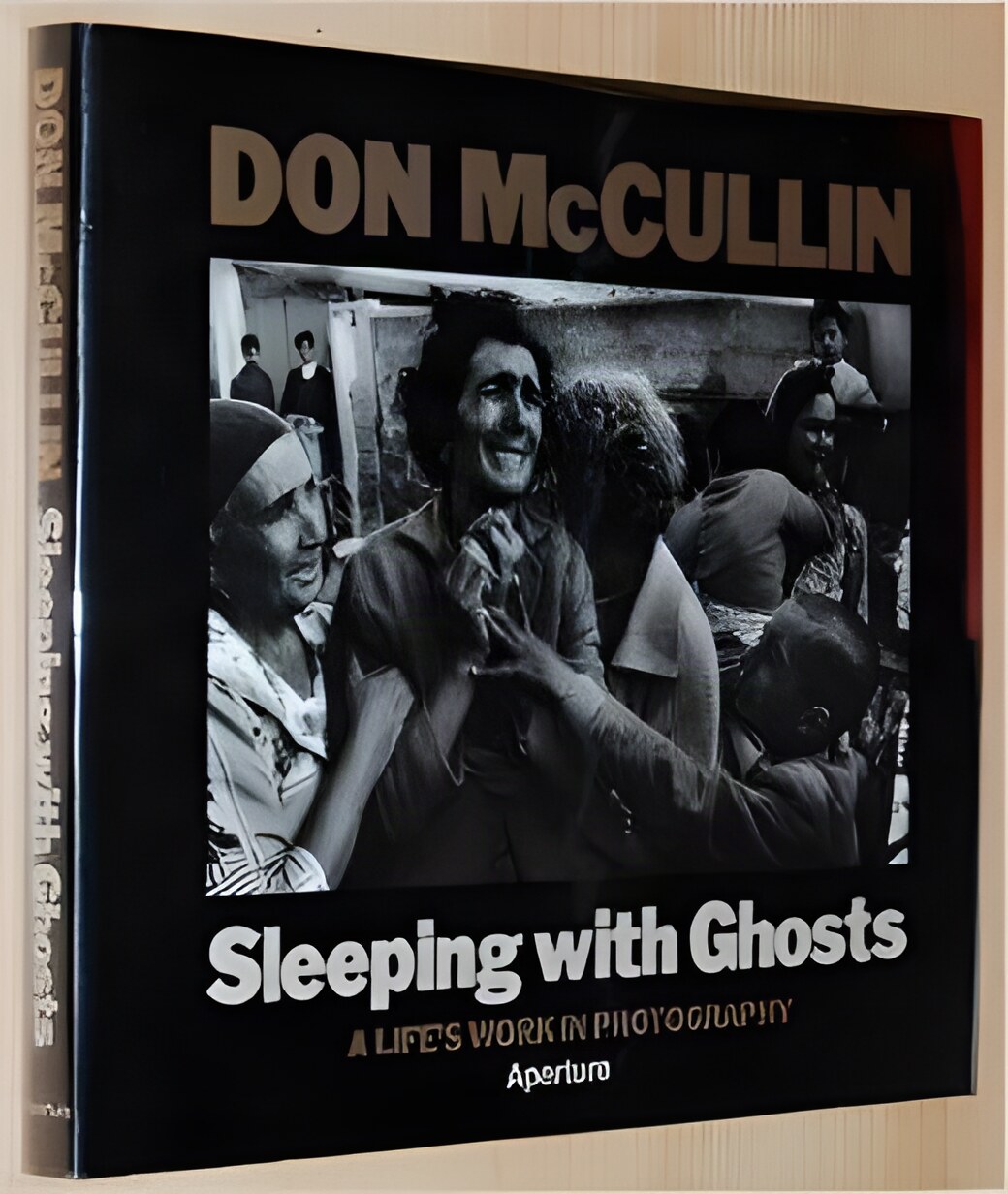
Hardcover. New York , Aperture Book, 1st, 1996, Book: Very Good, Dust Jacket: Very Good, Hardcover, 207 pages, illustrated throughout in b&w. Light yellowing to edges and light shelf-wear to dust jacket, else a clean, tight copy. This book shows the life's work of one of the most brilliant photojournalists of our time, who raised the status of his craft to that of high art. In his bestselling autobiography, Unreasonable Behavior, Don McCullin told the extraordinary and sometimes harrowing story of how he grew up in north London's gangland and graduated from poverty to stardom as the most daring and self-sacrificing reporter of wars around the world - from Cyprus to Israel, the Congo and Biafra to Vietnam, Pakistan to Cambodia, Beirut to Iraq. But his interests go far beyond the battleground in all its degradation which he has captured so brilliantly. In this book he has collected some 200 of what he considers to be his best pictures. A few have become well-known icons, many have not been seen in a book before. They depict unemployed miners collecting coal from the beach at dawn, down-and-outs in the East End, the homeless in Bradford, but they also reveal a passion for landscape, especially in the mysterious light of India, and a moving contact between human beings in a harsh environment. DUE TO WEIGHT. DOMESTIC SHIPPING ONLY
Hardcover. NY, Macmillan Company, 1st, 1959, Book: Very Good, Dust Jacket: None, Hardcover, tan cloth covers, 286 pages, map endpapers, b&w illustrations. Lionel Casson, the renowned authority on ancient ships and seafaring, has done what no other author has: he has put in a single volume the story of all that the ancients accomplished on the sea from the earliest times to the end of the Roman Empire. He explains how they perfected trading vessels from mere rowboats into huge freighters that could carry over a thousand tons, how they transformed warships from simple oared transports into complex rowing machines holding hundreds of marines and even heavy artillery, and how their maritime commerce progressed from short cautious voyages to a network that reached from Spain to India. In the process he corrects cherished but erroneous beliefs. Ancient warships, he shows, were never manned with slave rowers; ancient merchant-men did not stick timidly to the shore; and ancient craft were well able to sail against the wind. Embossed stamp to dedication page, otherwise clean, No dust jacket.
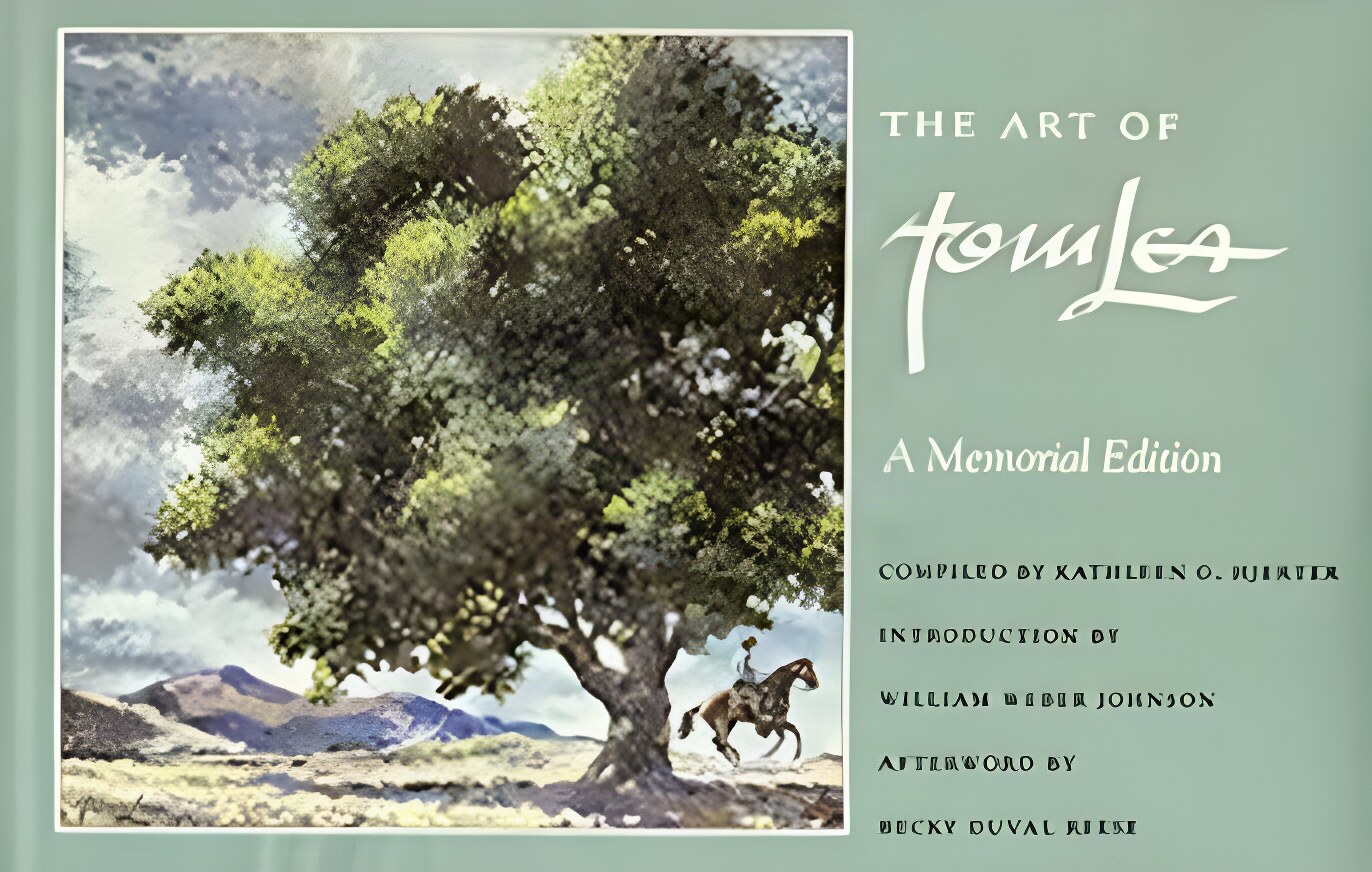
Hardcover. Texas A&M University Press;, 1st, 2003, Book: Very Good, Dust Jacket: Very Good, Hardcover, 276 pages. Tom Lea was a realist who painted things as they are, but just happened to see more of what they are than most of us do. A muralist, painter, book illustrator, World War II artist-correspondent, historian, novelist, and humanist, Lea died in 2001 after creating in some sixty years a corpus of work that has captivated those who know it. This volume makes available the full range of his vigorous work. Old admirers of Lea's talents will delight in this presentation, and a whole new generation will be awed by the unique contribution he has made. A Southwesterner from multicultural El Paso, Lea gave new vision to the misunderstood lands often thought of as barren wastes. As Kathleen G. Hjerter says in her foreword, in his paintings "the desert's melded colors are vibrant under many subtle gradations of light; the mesas and mountains reach up to a sky enormous enough to hold everyone's soul." But it is not just the southwest. its life and lore that Lea knew. Any subject he portrayed in picture or words (he wrote several outstanding books, including The Wonderful Country) he first researched minutely. Thus, he brought marvelous detail to his portrayal of the Mexican bullfighter, the Australian ranches and Texas cattle of the King empire, and the Indians, pioneers, and ranch hands of his own corner of the world. In the Second World War, as an artist-correspondent for Life magazine, he captured both the weaponry and the emotions of war. On assignment in China he developed a love for that land that gave him not only many subjects for paintings but also his favorite and, in later years, most characteristic medium: Chinese ink applied with a fine brush. This is a heavy and oversized book and will require extra shipping. International customers please ask for a shipping quote before purchasing.
Softcover. Norman OK, University of Oklahoma Press , reprint, 1996, Book: Very Good, Dust Jacket: None, Softcover, 167 pages. After nearly 200,000 African-American soldiers fought in the Civil War, Congress enacted legislation to authorize regiments of cavalry and infantry for service in the West. The Ninth and Tenth cavalries won fame as "buffalo soldiers" in the Indian wars, nearly overshadowing the critical support role of the Twenty-fourth and Twenty-fifth infantries. Now Arlen L. Fowler brings to light the story of African-American infantry service from 1869 to 1891 in Texas, Indian Territory, the Dakotas, Montana, and Arizona.
Hardcover. NY, Farrar Straus & Giroux, 1st, 1985, Book: Very Good, Dust Jacket: Very Good, Hardcover in a bright dust jacket, SIGNED BY AUTHOR on the half-title page. In 1942, Ruth and Simeon must leave their missionary parents to escape the perils of war, and Ruth learns much about human nature and life as she and her brother make the dangerous trip through China to India. Clean copy.
Hardcover. Norman OK, University of Oklahoma Press, Revised Ed., 2003, Book: Very Good, Dust Jacket: Very Good, Hardcover in a bright dust jacket, 319 pages. B&w illustrations. A well-researched and authoritative study of 'negro' soldiers who wished to remain in the United States Army following the Civil War. They were eventually organized into the Ninth and Tenth Cavalry Regiments their service in controlling Indians on the Great Plains during the next twenty years was as invaluable as it was unpraised. With Bibliography and Index. Clean copy.
Hardcover. NY, Doubleday & Co., 1st, 1962, Book: Very Good, Dust Jacket: Fair, Hardcover in a worn and chipped dust jacket. A volume in the Mainstream of Americas Series, edited by Lewis Gannett. Between the period of settlements in colonial America and the time of the Revolutionary War, English and French interests clashed in a struggle to determine who would rule the New World. It was a time from which a great deal of fiction draws inspiration, an exciting and dramatic period well~salted with the Washingtons, Johnsons, Frontenacs, Amhersts, Wolfes, and Montcalms who so greatly influenced the early growth of our land. Edward Hamilton has reconstructed this absorbing story of wilderness, forts, and weapons with a scholarly respect for minute detail. Name on half-title page, otherwise clean copy.
Hardcover. NY, New York University Press, 1st, 2002, Book: Very Good, Dust Jacket: Very Good, Hardcover in a bright dust jacket, pages. The GI War Against Japan recounts the harrowing experiences of American soldiers in Asia and the Pacific. Based on countless diaries and letters, it sweeps across the battlefields, from the early desperate stand at Guadalcanal to the tragic sinking of the U.S.S. Indianapolis at war's very end. From the daunting spaces of the China-India theater to the fortress islands of Iwo Jima and Okinawa, Schrijvers brings to life the GIs' struggle with suffocating wilderness, devastating diseases, and Japanese soldiers who preferred death over life. Amidst the frustration and despair of this war, American soldiers abandoned themselves to an escalating rage that presaged Hiroshima and Nagasaki.
Hardcover. NY, Alfred A Knopf, 1st, 1995, Book: Very Good, Dust Jacket: Very Good, Hardcover in a bright, unclipped dust jacket. The tale of a 17th-Century American girl who ends up an emperor's mistress in India. Hannah Easton, born in 1670 in the forests of Massachusetts, at age 15 moves to Salem with adoptive parents after her father dies of a bee sting and her mother - during the French and Indian War-runs off with a lover from the Nipmuc tribe. Having witnessed scalpings and worse, and harboring the terrible secret of her mother's having gone over to the ``barbarians,'' Hannah is a deeper well than most young girls, suffering trance-like illnesses but also excelling at needlework - including the surgical variety, learned in the war. Her oddnesses, though, are no impediment to marriage with the dashing adventurer Gabriel Legge, who takes her first to England, then to India, where Gabriel joins the East India Company before going independent as a pirate - a calling that will bring him fame and wealth, but also, at last, death. Clean copy.
Hardcover. NY, Oxford University Press, 1st, 1985, Book: Very Good, Dust Jacket: Very Good, Hardcover in a bright, unclipped dust jacket, 364 pages. The Second World War's Pacific conflict was one of the most complex in history. It embrioled peoples from opposite sides of the globe; it was fought in China, across the expanses of the Pacific, and in the jungles of Southeast Asia; and it was devastating in its consequences for civilians and servicemen alike. It saw the first use of atomic weapons, hastened the end of the Western empires in Asia, and marked America's rise to the position of the most powerful nation in the world. Christopher Thorne, whose previous studies of the war in the Pacific have become landmarks in the field, here weaves together both the entire network of international relations surrounding the war and the impact the war had on all the societies involved--Indian as well as American; Australian and New Zealand as well as Japanese; Korean, Chinese, and Southeast Asian as well as British, French, and Dutch. The Issue of War draws on material gathered over many years in the Far East, Western Europe, and the U.S.--material including wartime films, broadcasts, and newspapers,as well as countless private and offical papers. Representing a synthesis of military, diplomatic, economic, intellectual, and social history, it not only places the war in the context of developments before 1941, but illuminates various patterns that cut across the familiar distinctions between Asia and the West or between Japan and the Allies. Name on front fly leaf, otherwise clean.
Hardcover. NY, Alfred A. Knopf, 1st, 2010, Book: Very Good, Dust Jacket: Very Good, Hardcover in a bright, unclipped dust jacket. He was the greatest Indian warrior of the nineteenth century. His victory over General Custer at the battle of Little Bighorn in 1876 was the worst defeat inflicted on the frontier Army. And the death of Crazy Horse in federal custody has remained a controversy for more than a century. The Killing of Crazy Horse pieces together the many sources of fear and misunderstanding that resulted in an official killing hard to distinguish from a crime. A rich cast of characters, whites and Indians alike, passes through this story, including Red Cloud, the chief who dominated Oglala history for fifty years but saw in Crazy Horse a dangerous rival; No Water and Woman Dress, both of whom hated Crazy Horse and schemed against him; the young interpreter Billy Garnett, son of a fifteen-year-old Oglala woman and a Confederate general killed at Gettysburg; General George Crook, who bitterly resented newspaper reports that he had been whipped by Crazy Horse in battle; Little Big Man, who betrayed Crazy Horse; Lieutenant William Philo Clark, the smart West Point graduate who thought he could "work" Indians to do the Army's bidding; and Fast Thunder, who called Crazy Horse cousin, held him the moment he was stabbed, and then told his grandson thirty years later, "They tricked me! They tricked me!" With the Great Sioux War as background and context, drawing on many new materials as well as documents in libraries and archives, Thomas Powers recounts the final months and days of Crazy Horse's life not to lay blame but to establish what happened.
Softcover. Bloomington IN, Indiana University Press, 2nd Ed., 1994, Book: Very Good, Dust Jacket: None, Softcover, 418 pages. Like the other republics floating free after the demise of the Soviet empire, the independent republic of Georgia is reinventing its past, recovering what had been forgotten or distorted during the long years of Russian and Soviet rule. Whether Georgia can successfully be transformed from a society rent by conflict into a pluralistic democratic nation will depend on Georgians rethinking their history. This is the first comprehensive treatment of Georgian history, from the ethnogenesis of the Georgians in the first millennium B.C., through the period of Russian and Soviet rule in the nineteenth and twentieth centuries, to the emergence of an independent republic in 1991, the ethnic and civil warfare that has ensued, and perspectives for Georgia's future.
Hardcover. NY, John Day Company,, 1st, 1948, Book: Very Good, Dust Jacket: Good, Hardcover in a lightly worn dust jacket. 100 pages, b&w illustrations and decorative page borders by Vera Bock. A collection of tales about India. Clean copy.
Hardcover. Greenwich CT, New York Graphic Society, 1st, 1972, Book: Very Good, Dust Jacket: Very Good, Hardcover, 208 pages. Margaret Bourke-White was "a war correspondent, a compassionate witness of famine in India, a dedicated seeker of the truth, whether it be among sharecroppers, South African goldminers, American GI's or Jesuits. . All of her important work is shown in this major retrospective of her career." Tan cloth binding, illustrated dust jacket.
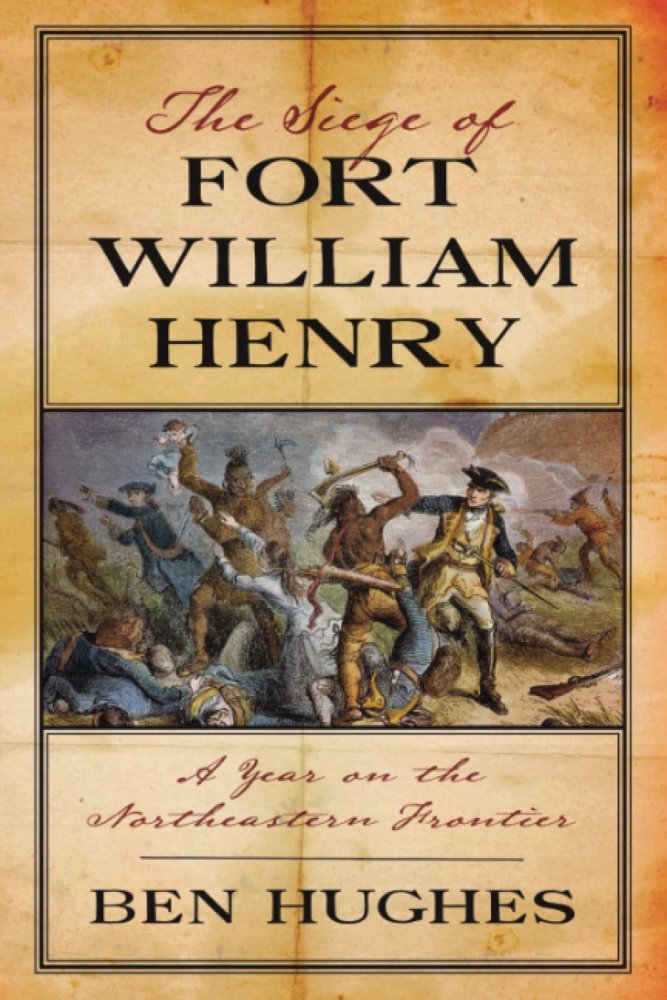
Hardcover. Yardley PA, Westholme Publishing, BC Ed., 2011, Book: Very Good, Dust Jacket: Very Good, Hardcover in a bright dust jacket, 337 pages. The opening years of the French and Indian War were disastrous for the British. In 1755 General Braddock's troops were routed at the Battle of Monongahela and by the middle of 1756 Fort Oswego on Lake Ontario had fallen. Hindered by quarrelsome provincial councils, incompetent generals, and the redcoats' inability to adapt to wilderness warfare, Britain was losing the war. In 1757 the 35th Regiment of Foot stepped into the breach. A poorly trained assortment of conscripts, old soldiers, and convicted criminals led by Lieutenant Colonel George Monro, the regiment was destined to take center stage in the most controversial event of the war. Fort William Henry on the southern shore of New York's Lake George was a key fortification supporting British interests along the frontier with French America. Clean copy.
Hardcover. Indianapolis, Bobbs-Merrill, 1st, 1972, Book: Very Good, Dust Jacket: Very Good, Hardcover in a bright, unclipped dust jacket. All about the motivation and planning for the Wars in Laos (1959-62), Vietnam (from 1954) and Cambodia. Peter Dale Scott examines the many ways in which war policy has been driven by "accidents" and other events in the field, in some cases despite moves toward peace that were directed by presidents. Name on front fly leaf, light rubbing to dj, otherwise clean.
Hardcover. Indianapolis/ New York, Bobbs-Merrill, reprint, 1965, Book: Very Good, Dust Jacket: Good, Hardcover in a worn dust jacket, 464 pages, b&w illustrations. First published in 1940, a fascinating look at the oil industry as it was pre-World War 2. "Here is the romantic story of a unique and all-important industry, told with the informality and charm of an evening's chat by an open fire. So significant to our life has oil become that wars have been fought for it, and wars may be lost for want of it". Small sticker to front fly leaf, otherwise clean.
Hardcover. Boston, Houghton Mifflin, 1st, 1947, Book: Very Good, Dust Jacket: Fair, Hardcover in a worn, chipped dust jacket. Drawings by Saul Steinberg. Mississippi author, and war correspondent, who toured the World during WWII for the US Army Service Forces (Supply). Foreword says "This book is a personal record. It has to do with a journey that I made in 1944-45 to Great Britain, France, Belgium, Corsica, Italy, Egypt, Palestine, Iraq, Iran, India, Burma, China."
Hardcover. Glendale CA, Arthur H. Clark Co., 1st, 1951, Book: Very Good, Dust Jacket: None, Hardcover, dark blue cloth with gilt lettering on the spine, 340 pages. A biography of Thomas Pownall (1757 - 1760) who was governor of the Massachusetts Bay colony during the French and Indian War and later a member of Parliament (1767 - 1780). Pownall had sympathies for the colonial grievances and institutions. This biography is based on a study of widely scattered documentary materials and provides insight into a man of complex and contradictory ideas and actions during the pre-Revolutionary period. Includes bibliography and index. Stamping to endpapers, from an academic library.
Softcover. Bloomington IN, Indiana University Press, 1st, 2021, Book: Very Good, Dust Jacket: None, Softcover, 333 pages. Offers the first complete biography in English of the dynamic revolutionary leader from Burkina Faso, Thomas Sankara. Coming to power in 1983, Sankara set his sights on combating social injustice, poverty, and corruption in his country, fighting for women's rights, direct forms of democracy, economic sovereignty, and environmental justice. Drawing on government archival sources and over a hundred interviews with Sankara's family members, friends, and closest revolutionary colleagues, Brian J. Peterson details Sankara's political career and rise to power, as well as his assassination at age 37 in 1987, in a plot led by his close friend Blaise Compaore. Clean copy.
Hardcover. NY, Forest & Stream Publishing, 5th Ed., 1891, Book: Very Good, Dust Jacket: None, Hardcover, pictorial gray cloth stamped in black and gold. 187 pages, floral decorative endpapers. Tales of Vermont life back in the day. Chapter headings include: The School Meeting in District 13; Uncle Lisha's Spring Gun; Concerning Owls, Uncle Lisha's Courting; A Rainy Day in the Shop; The Turkey Shoot at Hamner's; Sam Lovel's Bee-Hunting; In the Shop Again; The Fox Hunt; The Coon Hunt; In the Sugar Camp; Indians in Danvis; The Boy out West; Breaking Up; The Departure; The Wild Bees' Swarm, etc. Robinson (1833-1900) was a noted Quaker author from a well-respected and artistic Vermont family whose writings and art captured the dialect, culture and time of pre-Civil War Vermont, set in the imaginary town of Danvis, largely drawing from his the inhabitants and experiences of Ferrisburgh, VT. Name and date on a blank prelim page. Otherwise clean, tight copy.

 "Scriptural Ecclesiastical and Historical View of Slavery from the Days of the Patriarch Abraham to the Nineteenth Century Addressed to The Right Rev. Alonzo Potter by:")


 "Siva's Warriors: The Basava Purana of Palkuriki Somanatha (Princeton Library of Asian Translations)by: Somanatha, Palkuriki")

 "The Black Infantry in the West, 1869")
 "The Bombers' Moon (SIGNED COPY)by: Betty Vander Els")
 "THE BUFFALO SOLDIERS: A Narrative of the Black Cavalry in the Westby: Leckie William H. & Leckie Shirley A.")


 "The Peacock Country by: P. Alston Waring")
 "The Photographs of Margaret Bourke-Whiteby: Sean Callahan, Margaret Bourke-White , et al.")


 "This Is the Story by: David L. Cohn")
 "Thomas Sankara: A Revolutionary in Cold War Africaby: Brian J. Peterson")