Softcover. San Francisco, CA, Larry Utley, 1st, April 30, 2004, Book: Very Good, Dust Jacket: None, Softcover. Adults only. 117 pages, color photographs throughout. Light rubbing, edge wear to wrappers. Else a clean, tight copy.
Hardcover. Lewiston NY, Edwin Mellen Press, 1st, 1990, Book: Very Good, Dust Jacket: None, Hardcover, green cloth with gilt lettering, 424 pages plus appendix. This study provides an examination of the Spanish novelist Perez Galdos' turn to the stage in 1892 and his simultaneous shift in approach towards the roles of women in society. Faint pencil marking to about 25 pages in front of volume. Otherwise a tight, clean copy.
Hardcover. London, Hardie Grant, 1st, 2015, Book: Very Good, Dust Jacket: None, 272 pages. Hardcover with no dust jacket. Clean, unmarked copy with only minor wear to boards. Color pictures throughout. Photographer, art director and fashion enthusiast Giuseppe Santamaria takes us to the streets of six incredible cities to showcase the unique and stylish women that inhabit these towns. From classic elegance to menswear-inspired casual, a woman's dress style speaks volumes about her personality - and the city she inhabits. Featuring interviews with the everyday women whose distinctive styles cut a fine figure in the world of women's fashion, this striking photographic collection will take you on a global sartorial adventure.
Softcover. NY, Crown, 1st, 1993, Book: Very Good, Dust Jacket: None, Softcover, oblong format. 158 pages. A book of quietly beautiful photographic portraits of Native-American women, accompanied by their own reflections on what it means to be a woman and an Indian in America. The result is a startlingly honest and often poetic work. The women within these pages defy stereotype: they are mothers, activists, artists, environmentalists, and community leaders. Whether living on reservations or in cities, they have struggled to preserve an ancient culture and a land under siege. 85 black-and-white photographs. Clean copy.
Hardcover. University Press of Colorado, 1st, 1990, Book: Very Good, Dust Jacket: Very Good, Hardcover in a bright dust jacket, 198 pages, b&w illustrations. Women of the New Mexico Frontier, 1846-1912 is a collection of essays that include biographical sketches and writings from women of all walks of life who helped bring about the Americanization of the New Mexico Territory, from the Mexican War until statehood in 1912. These women were wives of missionaries, soldiers and military officers, and government officials who came from the eastern part of the United States. INSCRIBED BY AUTHOR on title page. Clean copy.
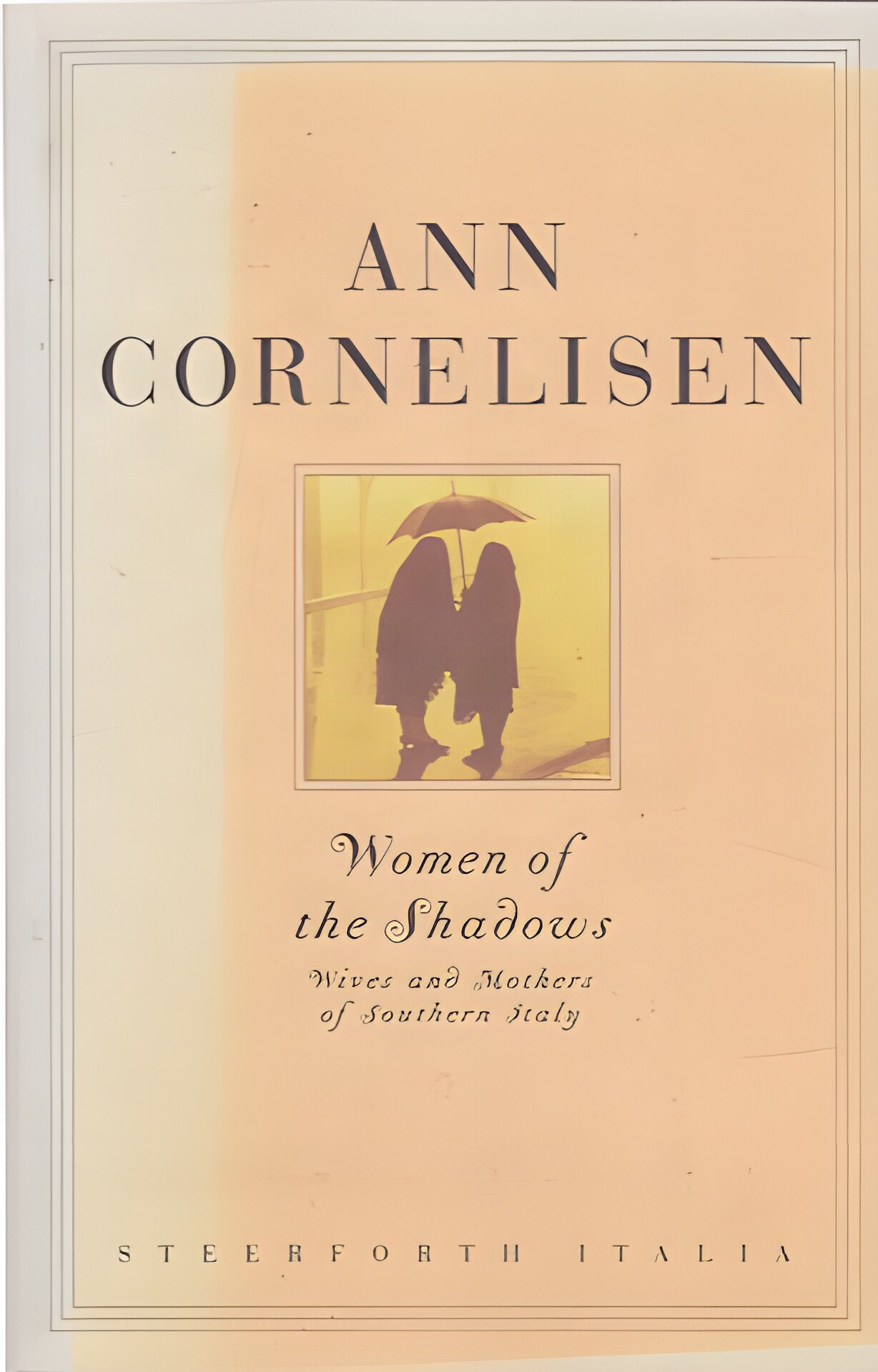
Softcover. South Royalton VT, Steerforth Press, reprint, 2001, Book: Very Good, Dust Jacket: None, Softcover, 187 pages plus b&w photos. With haunting photographs and piercing descriptions, Women of the Shadows depicts the secluded women of southern Italy and their passionate, painful, heartrending existence. Cornelisen, who lived among these women in the mountainous villages of Lucania after World War II, reveals their struggles during a time when most of their men had to leave for factories in the industrial north. The women remained behind to work the fields. There's Peppina, Ninetta, Teresa, Maria, Pinuccia, and Cettina, all women who "have done things of which they are not proud; they know it in their hearts, as one woman said, that nothing is private, they would also agree with her conclusion: That doesn't mean you get used to it." With an extraordinary understanding of the interior lives of these and other women, Cornelisen brings them out of the shadows to tell their heroic stories in a book which truly merits the label "classic." A new introduction by the author suggests that the more things change, the more, in essence, they remain the same. Wrappers sunned, otherwise tight and clean.
Hardcover. Hartford CT, S. S. Scranton & Co., 1st, 1866, Book: Very Good, Dust Jacket: None, Hardcover, embossed green cloth covers with gilt stamping on front cover and spine. Frontispiece, 'Before the Battle, with tissue intact shows a few light spots. Steel engraved portraits throughout with tissues intact. 596 pages. Clean, tight copy.
Hardcover. Philadelphia, Running Press, 1st, 2021, Book: Very Good, Dust Jacket: None, Hardcover in pictorial boardas. This collection of fifty true disclosures by women around the world from all ages and walks of life reveals their innermost thoughts and feelings during sex, accompanied by full-color interpretive illustrations from cutting-edge artists. Author Lucy-Anne Holmes has spoken to women from around the globe, ranging in age from 19-75, as they reveal their innermost thoughts and feelings during sex. The result is an incredible compendium of true disclosures that are funny and sad, shocking and tender. Clean copy.
Hardcover. NY, Rizzoli, 1st, 2010, Book: Very Good, Dust Jacket: Very Good, 208 pages, color and b&w illustrations. Hardcover with dust jacket. Like new in publisher's shrink-wrap. A collection of rarely seen black-and-white photographs taken of women in the 1950s and 1960s, captured by the renowned New York City fashion photographer and filmmaker. Designed by Ruth Ansel, this elegantly produced volume captures the romance and glamour of women in the 1950s and 1960s. A mix of fashion and portraiture, it includes intimate and striking portraits of Nico, Faye Dunaway, Edie Sedgwick, Sharon Tate, and Catherine Deneuve. Jerry Schatzberg's moody snapshots of a more innocent and whimsical New York on the brink of the important societal changes of the sixties form a compellingly nostalgic portrait of a stylish moment. Images of jetsetters at an airport terminal, lovers embracing in Central Park, and a woman waltzing in the street in the Financial District portray a time as well as a style. A New York City native, Schatzberg documented the period with the insider's sensibility of Woody Allen or Martin Scorsese, but with the high-fashion style of Irving Penn and Richard Avedon. With a keen eye for the magic of the in-between moment, Schatzberg stealthily captured the elegance and beauty of a woman as her role was redefined in the sixties, while at the same time retaining an element of humor and surprise.
Hardcover. NY, Routledge, 1st US, 1992, Book: Very Good, Dust Jacket: Very Good, Hardcover in a bright dust jacket, 289 pages, b&w illustrations. In the nineteenth century, major developments in internal surgery were due to operations on ovaries. Women bore the brunt of surgical experimentation and also reaped its rewards. Their need was great, but so was their compliance. From the first operation in America in 1809, much suffering was relieved at the expense of prolonged surgery endured by both black slaves and prosperous whites. Later, in the Victorian era, many surgeons looked at certain types of behavior as reasons for mutilating operations. Such procedures as "spaying" and clitoridectomies were performed to "cure" hysteria and masturbation, as well as questionable interventionalist surgery in pregnancy and childbirth which still continue today. Women Under the Knife is an extraordinary history, giving a vivid picture--medical, literary, and sociological--of Victorian society in America and Europe. Clean copy.
Softcover. University of Pennsylvania Press, reprint, 1991, Book: Very Good, Dust Jacket: None, Softcover, 238 pages. Women's inclinations to identify with television characters varies with their assessment of the realism of these characters and their social world.
Softcover. Portland ME, Coyote Love Press, 1st Ltd. Ed., 1983, Book: Very Good, Dust Jacket: Very Good, Softcover, plain paper wraps with a pictorial dust jacket in two colors on tan stock. 38 pages, SIGNED BY MCDOUGALL on title page, also INSCRIBED on the front fly leaf. Black and white drawings by Gary Buch. Limited to 500 copies of which 25 are signed and numbered. This copy is unnumbered. Promotional flyer laid in.
Hardcover. NY, Knopf, 1st, 1997, Book: Very Good, Dust Jacket: Very Good, 255 pages. Red cloth, gilt title to spine. Mylar protected pictorial dust jacket. Lovely copy. Like new. A collection of three novellas, featuring: a blonde Midwestern woman with soft, pale arms, who wears lots of red, drives a big pink cadillac and has a reputation for being wild; a small French subeditor with smooth caramel skin; and a 17-year-old boy from Montana who smells like wheat.
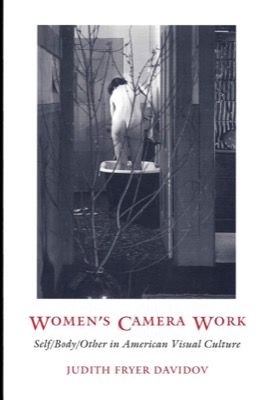
Softcover. Durham NC, Duke University Press, 1st, 1998, Book: Very Good, Dust Jacket: None, Softcover, 494 pages. Women's Camera Work explores how photographs have been and are used to construct versions of history and examines how photographic representations of otherness often tell stories about the self. In the process, Judith Fryer Davidov focuses on the lives and work of a particular network of artists linked by time, interaction, influence, and friendship--one that included Gertrude Kasebier, Imogen Cunningham, Dorothea Lange, and Laura Gilpin. Clean copy.
Hardcover. Cambridge MA, Harvard University Press, 1st, 2005, Book: Very Good, Dust Jacket: Very Good, Hardcover in a bright dust jacket, 558 pages. In the past twenty-five years, no one has been more instrumental than Catharine MacKinnon in making equal rights real for women. As Peter Jennings once put it, more than anyone else in legal studies, she "has made it easier for other women to seek justice." This collection, the first since MacKinnon's celebrated Feminism Unmodified appeared in 1987, brings together previously uncollected and unpublished work in the national arena from 1980 to the present, defining her clear, coherent, consistent approach to reframing the law of men on the basis of the lives of women.By making visible the deep gender bias of existing law, MacKinnon has recast legal debate and action on issues of sex discrimination, sexual abuse, prostitution, pornography, and racism. The essays in this volume document and illuminate some of the momentous and ongoing changes to which this work contributes; the recognition of sexual harassment, rape, and battering as claims for sexual discrimination; the redefinition of rape in terms of women's actual experience of sexual violation; and the reframing of the pornography debate around harm rather than morality. The perspectives in these essays have played an essential part in changing American law and remain fundamental to the project of building a sex-equal future. Clean copy.
Softcover. New Haven CT, Yale University Press, 1st, 2007, Book: Very Good, Dust Jacket: None, Softcover, 385 pages, b&w illustrations. Two epochal developments profoundly influenced the history of the Atlantic world between 1770 and 1870-the rise of women's rights activism and the drive to eliminate chattel slavery. The contributors to this volume, eminent scholars from a variety of disciplines, investigate the intertwining histories of abolitionism and feminism on both sides of the Atlantic during this dynamic century of change. They illuminate the many ways that the two movements developed together and influenced one another. Approaching a wide range of transnational topics, the authors ask how conceptions of slavery and gendered society differed in the United States, France, Germany, and Britain; how women's activism reached across national boundaries; how racial identities affected the boundaries of women's activism; and what was distinctive about African-American women's participation as activists. Their thought-provoking answers provide rich insights into the history of struggles for social justice across the Atlantic world. Sine faded. Clean copy.
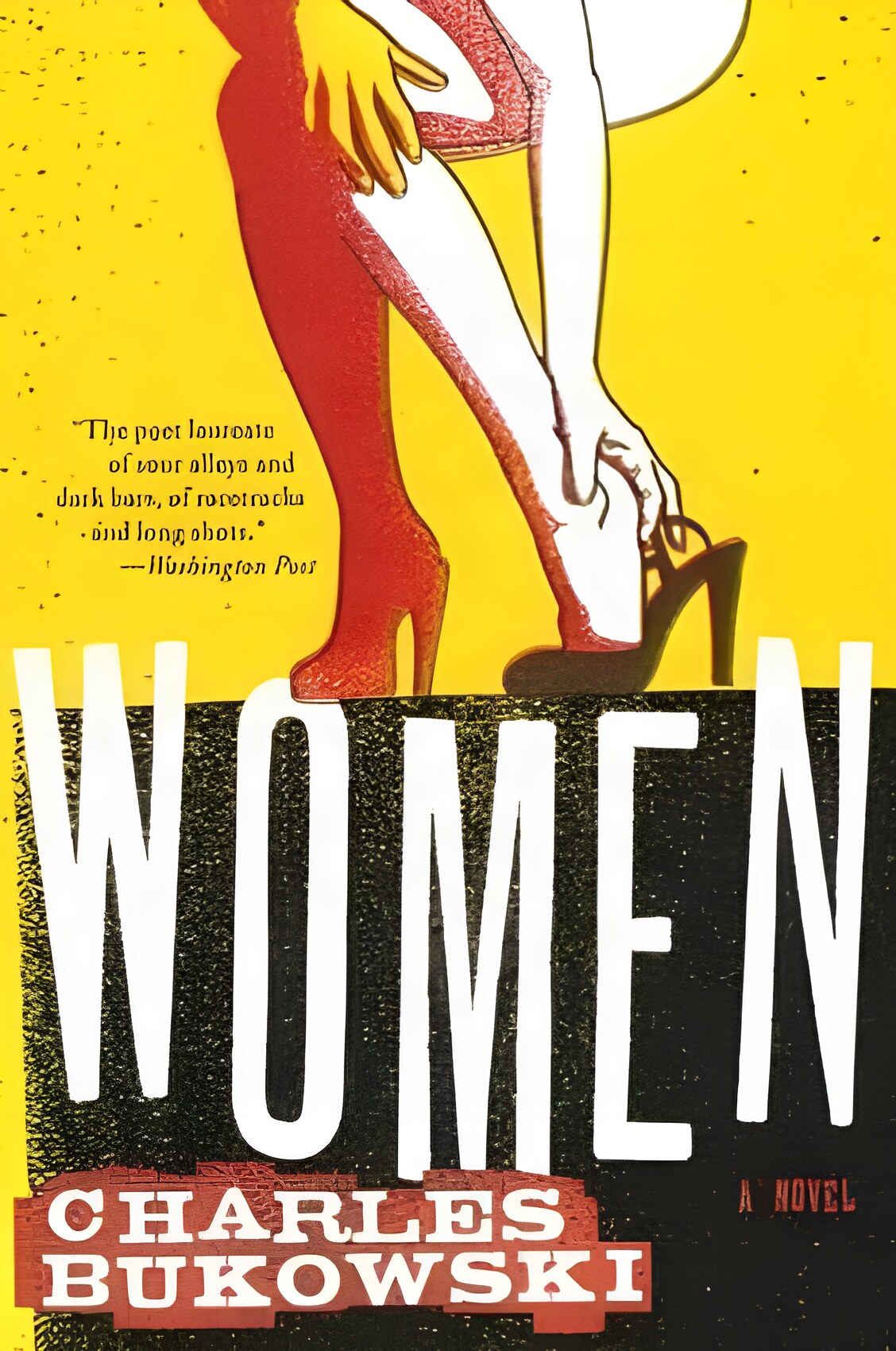
Softcover. NY, Ecco, reprint, Book: Very Good, Dust Jacket: None, Softcover, 291 pages. "Summary: Low-life writer and unrepentant alcoholic Henry Chinaski was born to survive. After decades of slacking off at low-paying dead-end jobs, blowing his cash on booze and women, and scrimping by in flea-bitten apartments, Chinaski sees his poetic star rising at last. Now, at fifty, he is reveling in his sudden rock-star life, running three hundred hangovers a year, and maintaining a sex life that would cripple Casanova. With all of Bukowski's trademark humor and gritty, dark honesty, this 1978 follow-up to Post Office and Factotum is an uncompromising account of life on the edge." Clean copy.
Hardcover. US, Hatje Cantz, 1st, 2012, Book: Very Good, Dust Jacket: Very Good, Hardcover, 348 pages, 169 illustrations. Like new in publisher's shrink-wrap. The depictions and roles of women in the paintings of Pablo Picasso (1881-1973), Max Beckmann (1884-1950) and Willem de Kooning (1904-1997) typically give rise to conversations and presumptions about machismo and misogyny. Of course, these artists' portrayals of women cannot be dismissed so easily, and in fact all offer highly nuanced explorations of the theme. This publication explores their depictions of women as more than painterly projections of male longing and desire, treating them as reflections of social and political conflicts and upheavals. Contributions from art historians, sociologists and artists approach the figures of women in these bodies of work from a variety of perspectives: for Picasso, as a catalyst for a confrontation with the artist's own life and history; for Beckmann, as completely independent themes; and for de Kooning, as the force that makes artistic expression itself possible.
Hardcover. NY, Random House, 1st, 1999, Book: Very Good, Dust Jacket: Very Good, The photographs by Annie Leibovitz in Women, taken especially for the book, encompass a broad spectrum of subjects: a rap artist, an astronaut, two Supreme Court justices, farmers, coal miners, movie stars, showgirls, rodeo riders, socialites, reporters, dancers, a maid, a general, a surgeon, the First Lady of the United States, the secretary of state, a senator, rock stars, prostitutes, teachers, singers, athletes, poets, writers, painters, musicians, theater directors, political activists, performance artists, and businesswomen. "Each of these pictures must stand on its own," Susan Sontag writes in the essay that accompanies the portraits. "But the ensemble says, So this what women are now -- as different, as varied, as heroic, as forlorn, as conventional, as unconventional as this."
Softcover. Norman OK, University of Oklahoma Press, 1992, Book: Very Good, Dust Jacket: None, Softcover, 239 pages. In Work, Identity, and Legal Status at Rome, Sandra R. Joshel examines Roman commemorative inscriptions from the first and second centuries A.D. to determine ways in which slaves, freed slaves, and unprivileged freeborn citizens used work to frame their identities. The inscriptions indicate the significance of work-as a source of community, a way to reframe the conditions of legal status, an assertion of activity against upper-class passivity, and a standard of assessment based on economic achievement rather than birth. Drawing on sociology, anthropology, ethnography, and women's history, this thoroughly documented volume illuminates the dynamics of work and slavery at Rome. Owner's name on title page, otherwise clean, unread.
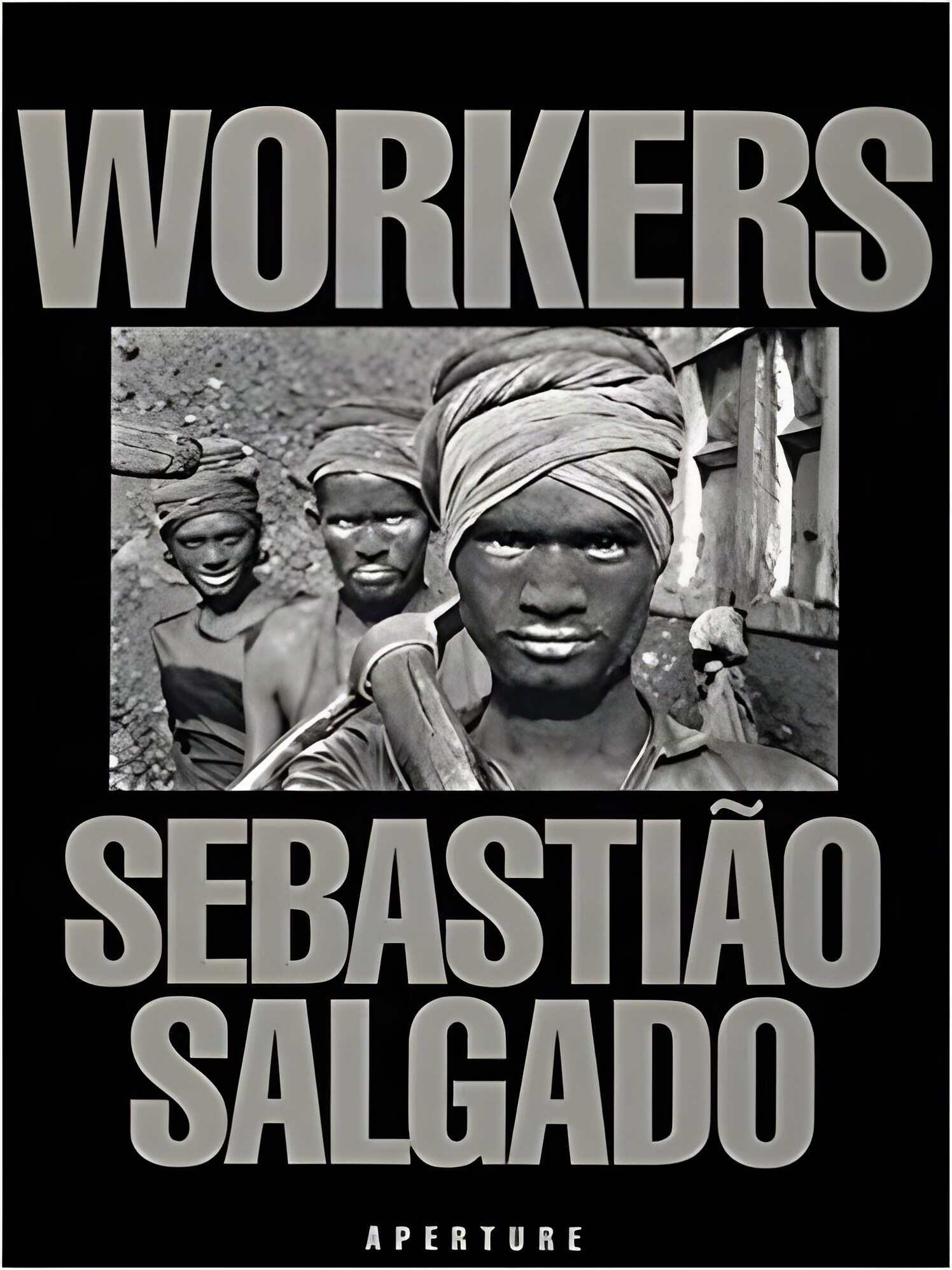
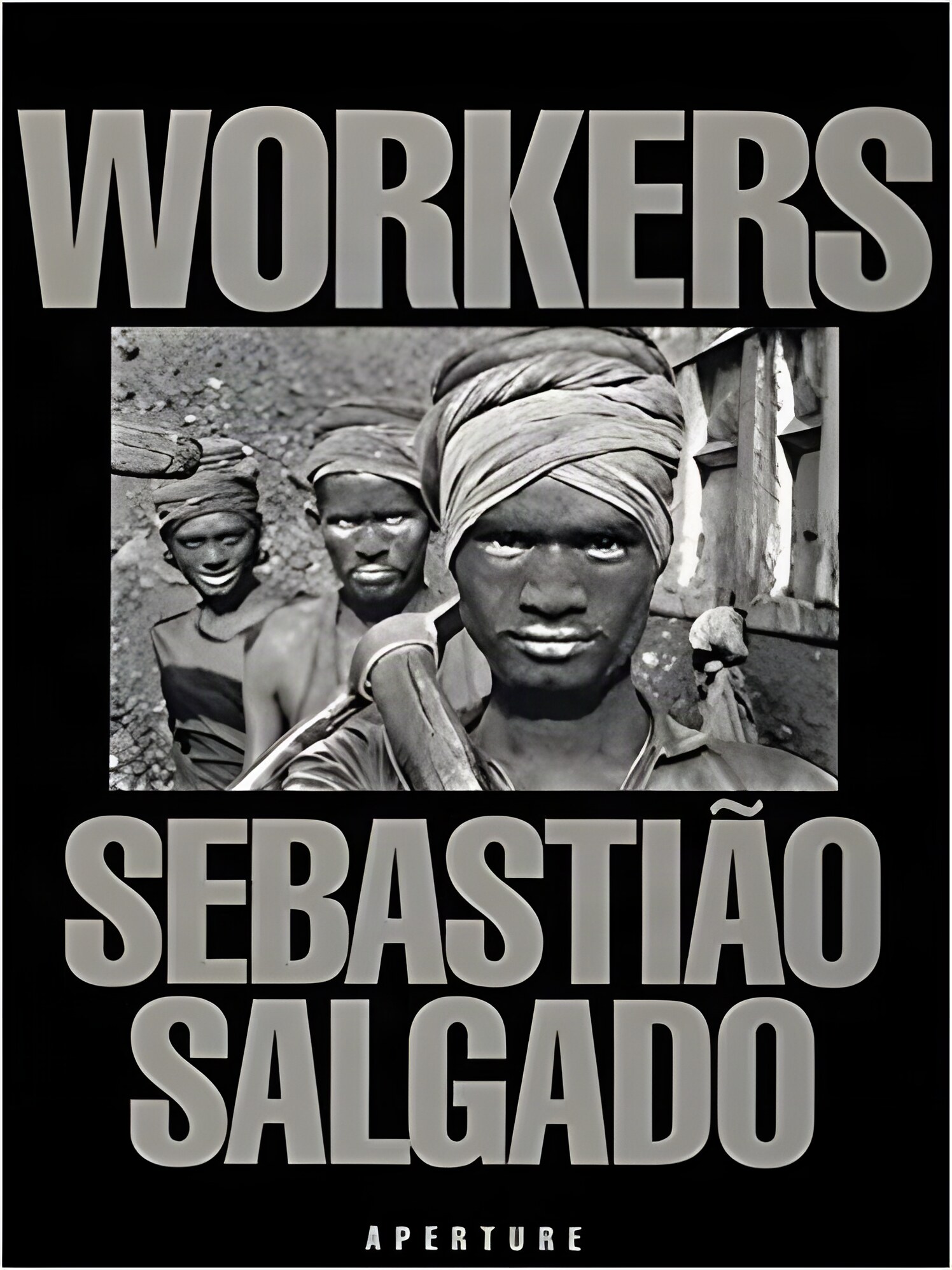
Hardcover. NY, Aperture, reprint, 2005, Book: Very Good, Dust Jacket: Very Good, Hardcover, 400 pages, 350 duotone images. More than those of any other living photographer, Sebastiao Salgado's images of the world's poor stand in tribute to the human condition. His transforming photographs bestow dignity on the most isolated and neglected, from famine-stricken refugees in the Sahel to the indigenous peoples of South America. "Workers" is a global epic that transcends mere imagery to become an affirmation of the enduring spirit of working women and men. The book is an archaeological exploration of the activities that have defined labor from the Stone Age through the Industrial Age, to the present. Divided into six categories -- "Agriculture," "Food," "Mining," "Industry," "Oil" and "Construction" -- the book unearths layers of visual information to reveal the ceaseless human activity at the core of modern civilization. Extended captions provide a historical and factual framework for the images. "Salgado unveils the pain, the beauty, and the brutality of the world of work on which everything rests," wrote Arthur Miller of this photobook classic, upon its original publication in 1993. "This is a collection of deep devotion and impressive skill." An elegy for the passing of traditional methods of labor and production, "Workers" delivers a message of endurance and hope. DOMESTIC SHIPPING ONLY.
Hardcover. NY, Aperture, 1st, 1993, Book: Very Good, Dust Jacket: Very Good, Hardcover, 400 pages, 350 duotone images. More than those of any other living photographer, Sebastiao Salgado's images of the world's poor stand in tribute to the human condition. His transforming photographs bestow dignity on the most isolated and neglected, from famine-stricken refugees in the Sahel to the indigenous peoples of South America. "Workers" is a global epic that transcends mere imagery to become an affirmation of the enduring spirit of working women and men. The book is an archaeological exploration of the activities that have defined labor from the Stone Age through the Industrial Age, to the present. Divided into six categories -- "Agriculture," "Food," "Mining," "Industry," "Oil" and "Construction"-- the book unearths layers of visual information to reveal the ceaseless human activity at the core of modern civilization. Extended captions provide a historical and factual framework for the images. "Salgado unveils the pain, the beauty, and the brutality of the world of work on which everything rests," wrote Arthur Miller of this photobook classic, upon its original publication in 1993. "This is a collection of deep devotion and impressive skill." An elegy for the passing of traditional methods of labor and production, "Workers" delivers a message of endurance and hope. DOMESTIC SHIPPING ONLY.
Hardcover. NY, Glitterati, 1st, Book: Very Good, Dust Jacket: Very Good, Hardcover in a bright dust jacket. After becoming captivated by the beauty and originality of a group of nineteenth-century photographs, Robert Flynn Johnson has uncovered more than two hundred vintage images of women who lived and worked at a brothel in Reading, Pennsylvania, circa 1892, and showcases them here for the first time for a wider public. Working Girls details the private, creative archive of commercial photographer William Goldman, whose imagery paints a complete picture of the environments that these women inhabited - from inside the brothel, posing artistically for the camera, to their off-duty routines, such as reading, smoking, and bathing. Taken two decades before the famous E. J. Bellocq photographs of prostitutes in Storyville, New Orleans, circa 1913, Johnson chronicles the aesthetic, historical, and sociological importance of Goldman's artwork in the history of photography, referencing them alongside paintings and photographs by such artists as Degas, Eakins, and Monsieur X. With essays that provide an insightful historical overview of Goldman's work in context of the period in which they were taken, by feminist and cultural luminaries including Dita Von Teese, Ruth Rosen and Dennita Sewell, this extraordinary collection provides a personal visual record of lives of these women while also offering a deeper understanding of the 'working girls' that existed in that era. Clean copy.

 "Women in Control: Iron Fist, Velvet Gloveby: Utley, Larry")



 "Women In This Town: New York, Paris, Melbourne, Tokyo, Madrid and Londonby: Santamaria, Giuseppe")

 "Women of the New Mexico Frontier, 1846-1912 (SIGNED COPY)by: Cheryl Foote")
 "Women of the War: Their Heroism and Self-Sacrificeby: Frank Moore")
 "Women On Top of the World: What Women Think About When They're Having Sex by: Lucy-Anne Holmes (Ed.)")
 "Women Then: Photographs 1954-1969by: Morton, Julia and Jerry Schatzberg")


 "Women Who Marry Houses (SIGNED COPY)by: McDougall, Jo")
 "Women With Menby: Ford, Richard")



 "Women: Pablo Picasso, Max Beckmann, Willem de Kooningby: Bronfen, Elisabeth")
 "Womenby: Leibovitz, Susan Sontag, Annie")
 "Work, Identity, and Legal Status at Rome: A Study of the Occupational Inscriptionsby: Sandra R. Joshel")