Hardcover. New Haven CT, L. Candee, 8th Ed., 1842, Book: Good, Hardcover, brown leather covers with marbled endpapers. Frontis engraving "Landing of the Pilgrims at Plymouth Dec. 22, 1620" with tissue guard. plus seven other engravings, Volume 1 only. Covers worn at edges, leather spine with chipping making title unreadable. Pages 309-337 with dog ear crease to top corners. Small bookplate inside front cover. Despite faults a solid copy.
Hardcover. Burlington, VT, Chauncey Goodrich, Early reprint with appendix added, 1853, Book: Fair, Dust Jacket: None, 716 pages. Hardcover. "...With a New (fold-out) Map of the State, and 200 (b/w) Engravings." Significant foxing and tanning to volume from age, as well as some moisture damage to bottom of fore-edge. Leather bound with bands and gilt title on spine. Fading to covers. Binding surprisingly tight. Cover boards slightly warped. In fair condition.
Hardcover. Philadelphia, Lippincott, Grambo & Co., 1st, 1853, Book: Good, Dust Jacket: None, 260 pages plus 36 pages of ads. Hardcover. Front endpaper removed. Foxing to pages throughout. Area of soiling to foredge. Cloth covers with fading along edges and spine. Firm binding.
Hardcover. Philadelphia, Lippincott, Grambo & Co., 1st, 1853, Book: Good, Dust Jacket: None, 260 pages plus 36 pages of ads. Hardcover. Previous owners bookplate on inside front cover. Foxing to pages throughout. Small amount of cloth missing at very top of spine. Some minor chipping to cover cloth at edges. Clean, tight.
Hardcover. Brattleboro VT, George H. Salisbury, 1st, 1846, Book: Good, Dust Jacket: None, 396 pages, embossed brown cloth covers, gilt lettering on spine. The cloth along the spine has some wear and fraying, some color fade to cloth on spine and edges, previous owner's signature on inside front cover. The title page has a small piece at top cut away, the front fly leaf has the top corner chipped off. Internally the pages are clean and bright.
Hardcover. NY, Knopf, 1st, 1988, Book: Very Good, Dust Jacket: Very Good, Hardcover, 387 pages, b&w photos. Author takes you behind the scenes of Paramount, MGM, Warner Brothers, RKO and Universal in their glory years.
Hardcover. NY, Harper, 1st, 2022, Book: Very Good, Dust Jacket: Very Good, Hardcover in a bright dust jacket, 741 pages. From the archives of the American Film Institute comes a unique picture of what it was like to work in Hollywood from its beginnings to its present day. Gleaned from nearly three thousand interviews, involving four hundred voices from the industry, Hollywood: The Oral History, lets a reader listen in on candid remarks from the biggest names in front of the camera-Bette Davis, Meryl Streep, Tom Hanks, Harold Lloyd-to the biggest behind it-Frank Capra, Steven Spielberg, Alfred Hitchcock, Jordan Peele, as well as the lesser known individuals that shaped what was heard and seen on screen: musicians, costumers, art directors, cinematographers, writers, sound men, editors, make-up artists, and even script timers, messengers, and publicists. The result is like a conversation among the gods and goddesses of film: lively, funny, insightful, historically accurate and, for the first time, authentically honest in its portrait of Hollywood. Its the insiders story.Clean, bright copy.
Hardcover. New York, Doubleday, Page, and Company, 1st, 1925, Book: Fair, Dust Jacket: None, Volume to accompany the American Wing of the Metropolitan Museum of Art in New York. 302 pp. Features 20 color plates in addition to 217 other black/white illustrations (mostly photographs). Covers beginnings of New England through the Early Days of the Republic. Development of Interior Architecture and House Decoration from craftsmen influenced by old world style and the evolution.Shows significant wear due to age and water damage. Discoloration throughout, though text still entirely legible and color still vivid in the plates. Edges show significant wear as well. Prior owner's name and date (1929) written in ink twice inside the cover.
Hardcover. US, Knopf, 3rd printing, 1998-01-27, Book: Very Good, Dust Jacket: Very Good, 383 pages. Clean, unmarked copy with only minor wear to dust jacket.
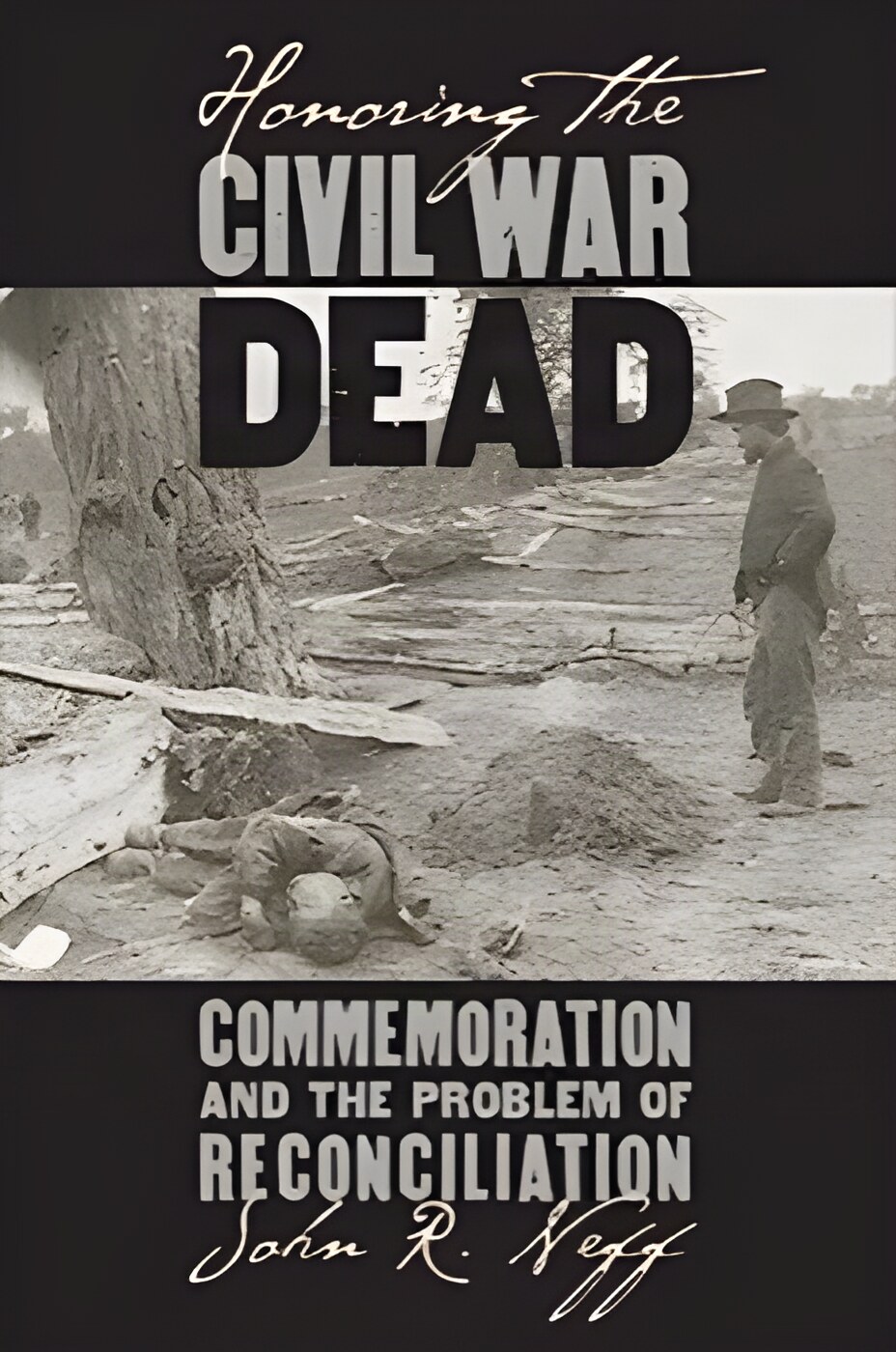
Hardcover. Lawrence KS, University Press of Kansas, 1st, Book: Very Good, Dust Jacket: Very Good, Hardcover in a bright dust jacket, 328 pages. By the end of the Civil War, fatalities from that conflict had far exceeded previous American experience, devastating families and communities alike. As John Neff shows, commemorating the 620,000 lives lost proved to be a persistent obstacle to the hard work of reuniting the nation, as every memorial observation compelled painful recollections of the war. Neff contends that the significance of the Civil War dead has been largely overlooked and that the literature on the war has so far failed to note how commemorations of the dead provide a means for both expressing lingering animosities and discouraging reconciliation. Clean copy.
Softcover. San Francisco, Chronicle Books, 1st, 1996, Book: Very Good, Dust Jacket: None, Softcover, 144 pages. In the tradition of the great photographic populists Alfred Eisenstaedt and Dorothea Lange, Horace Bristol used his camera to record the human, intimate moments in the grand sweep of history. Bristol's American view included the best and the worst of this century, from poignant images of the urban poor and migrant farm workers during the Depression to the battle scenes of World War II and compelling portraits of post-war Japan and Southeast Asia. This volume presents over one hundred twenty exquisitely reproduced duotone images by Bristol, ranging from his early San Francisco photographs to his last work, taken in Southeast Asia. Combining aesthetic purity with human interest, Horace Bristol's pioneering photography is imbued with an accuracy, strength of composition, and humility that is as striking today as it was groundbreaking in its time.
Hardcover. Mendota IL, The Wayside Press, 1st, 1964, Book: Very Good, Dust Jacket: Very Good, Hardcover in a bright dust jacket with light edgewear, chipping. A superb, anecdotal and personal (Gardner was a great Alger collector) biography of Alger and history of the Alger juveniles, with superb color plates of rare Alger items and a descriptive bibliography. Clean copy.
Hardcover. Baltimore, Johns Hopkins University, 1st, 2011, Book: Very Good, Dust Jacket: Very Good, Hardcover in a bright dust jacket, 318 pages. From the time they emerged in American cities in the 1820s, commercial luxury hotels were far more than places where a traveler could eat and sleep-they were icons of style, opulence, and technological sophistication. Molly W. Berger offers a compelling history of the American hotel and how it captured the public's imagination as it came to represent the complex-and often contentious-relationship among luxury, economic development, and the ideals of a democratic society. From New York to San Francisco and points in between, Berger profiles the country's most prestigious hotels, including Boston's 1829 Tremont, which served as a model for luxury hotel design; San Francisco's world famous Palace, completed in 1875; and Chicago's enormous Stevens, built two years before the great crash of 1929. The fascinating stories behind their design, construction, and marketing reveal in rich detail how these buildings became cultural symbols that shaped the urban landscape. Clean copy.
Hardcover. New Haven CT, Yale University Press, 1st, 2008, Hardcover, 384 pages. When George Washington embarked on his presidential tours of 1789-91, the rudimentary inns and taverns of the day suddenly seemed dismally inadequate. But within a decade, Americans had built the first hotels--large and elegant structures that boasted private bedchambers and grand public ballrooms. This book recounts the enthralling history of the hotel in America--a saga in which politicians and prostitutes, tourists and tramps, conventioneers and confidence men, celebrities and salesmen all rub elbows. Hotel explores why the hotel was invented, how its architecture developed, and the many ways it influenced the course of United States history. The volume also presents a beautiful collection of more than 120 illustrations, many in full color, of hotel life in every era.
New Haven CT, Yale University Press, 1st, 2008, Book: Very Good, Dust Jacket: Very Good, Hardcover in a bright dust jacket. 375 pages including index, color and b&w illustrations. When George Washington embarked on his presidential tours of 1789?-91, the rudimentary inns and taverns of the day suddenly seemed dismally inadequate. But within a decade, Americans had built the first hotels?, large and elegant structures that boasted private bedchambers and grand public ballrooms. This book recounts the enthralling history of the hotel in America?a saga in which politicians and prostitutes, tourists and tramps, conventioneers and confidence men, celebrities and salesmen all rub elbows. Hotel explores why the hotel was invented, how its architecture developed, and the many ways it influenced the course of United States history. The volume also presents a beautiful collection of more than 120 illustrations, many in full color, of hotel life in every era. Clean, bright copy.
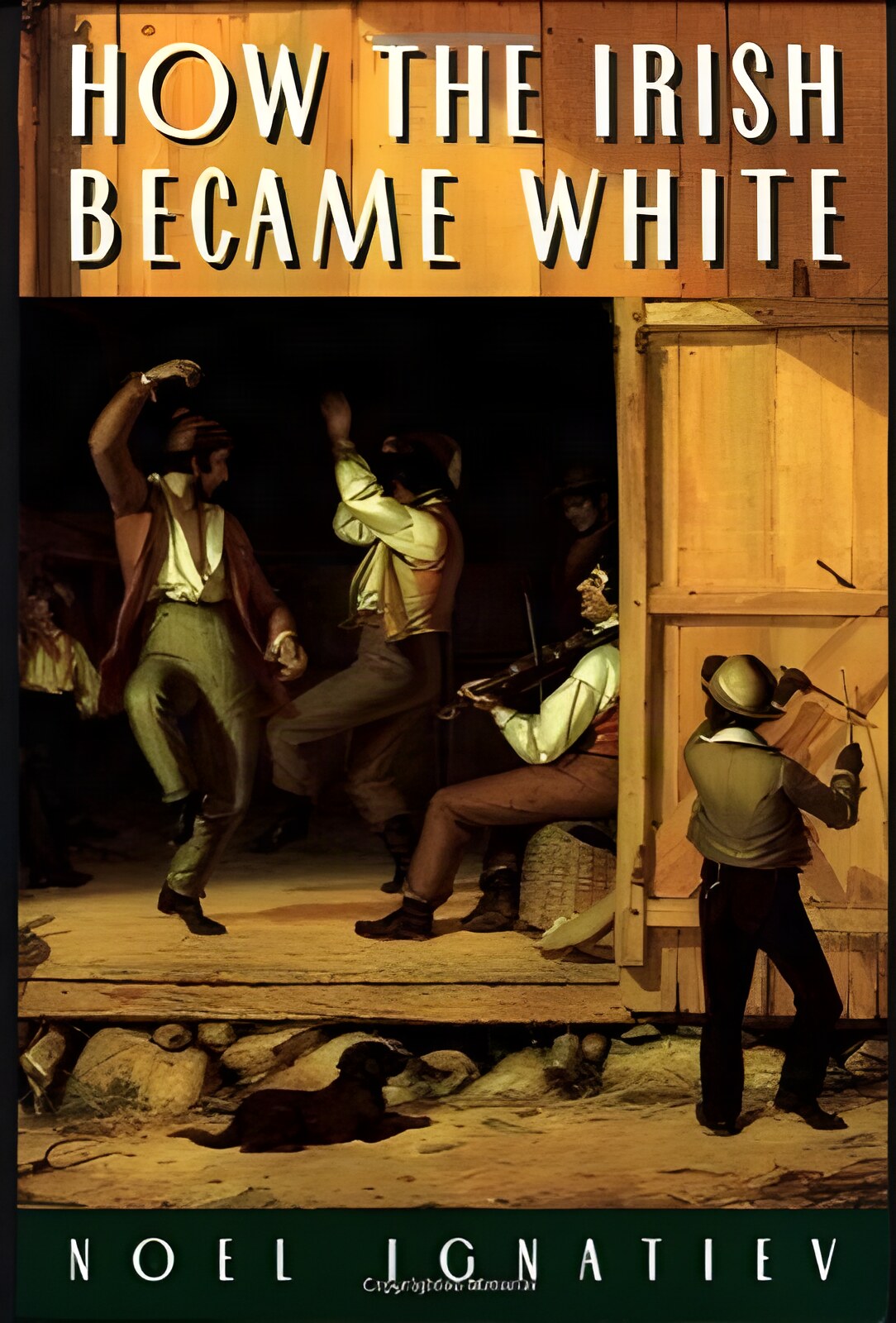
Softcover. NY/London, Routledge, 1st, 1995, Book: Very Good, Dust Jacket: None, Softcover in pictorial wrappers, 233 pages. Ignatiev traces the tattered history of Irish and African-American relations, revealing how the Irish used labor unions, the Catholic Church and the Democratic party to succeed in American. He uncovers the roots of conflict between Irish-Americans and African-Americans and draws a powerful connection between the embracing of white supremacy and Irish "success" in 19th century American society. Clean copy.
Hardcover. NY, Alfred A. Knopf, 1st, 1955, Book: Very Good, Dust Jacket: Good, Hardcover in a worn, chipped dust jacket. 172 pages plus index. "The exciting story of the Democratic Presidential Convention of 1952; a record of what occurred, how it occurred, and why; Told by a leader of the draft movement, who is also a prominent American historian." Clean copy.
Hardcover. NY, Harcourt, 1st, 2008, Book: Very Good, Dust Jacket: Very Good, Hardcover, 288 pages. From the late 1950s until her death in 1971, renowned photographer Diane Arbus took pictures of oddball performers at the now-forgotten Hubert's Museum, a typical freak show in New York City's seedy Times Square. One frequent subject was Charlie Lucas, first a freak himself, later an inside talker. In 2003, Bob Langmuir, an anxiety-ridden, pill-popping, obsessive antiquarian book dealer from Philadelphia, unearthed a collection of photographs and memorabilia, including Lucas's journals and what he thought were Arbus's photos. This trove of genuine American kookiness came to dominate his life. Following Langmuir's quest--from the slums of Philadelphia to the halls of the Metropolitan Museum of Art--as he gathered, priced and ultimately came to understand this collection, author Gibson (Gone Boy: A Walkabout), himself an antiquarian book dealer, effortlessly twists these strands together with an emotional wallop. His toil in Hubert's vineyard, Gibson writes of Langmuir, amounted to no more or less than the continuing archaeology of the old, weird America. Gibson's laser focus on Langmuir's shifting state of mind as he struggles to master his personal demons and navigate the pitfalls of his own obsession gives this story its heart and opens a window onto a lost part of the American soul. 21 b&w photos.
Hardcover. NY, Knopf, 2nd pr., 1969, Book: Very Good, Dust Jacket: None, Hardcover, 884 pages, b&w photos, index. No dust jacket. Clean, tight copy in blue cloth covers. Biography of the controversial Huey Pierce "The Kingfish" Long(1893-1935), Louisiana's 40th governor(1928-1932) and American Senator from 1932 until his assassination in 1935 as he aspired to run for president in alliance with the far-right radio commentator Father Charles Coughlin. Long's Share Our Wealth plan was established on February 23, 1934 with the motto "Every Man a King."
Hardcover. Gotham Books, 1st, 2004, Book: Very Good, Dust Jacket: Very Good, Hardcover in a bright, unclipped dust jacket, 358 pages. Retracing the 1799-1804 odyssey of von Humboldt through South and Central America, Helferich synthesizes the many biographies written about the explorer into a concise appreciation of his personality and scientific significance. The author also appropriately digresses about the history of the places visited by von Humboldt, who was a perceptive reporter of conditions in the Spanish empire immediately before its colonies revolted. Despite almost three centuries of rule by 1799, the Spanish domains still had unexplored territory, tempting von Humboldt, then 30, to seek there the scientific glory he aimed for since his youth in Prussia. Supported by an inheritance and buddy Aime Bonpland, von Humboldt set forth initially to investigate a geographical controversy (Did the Orinoco River connect with the Amazon?) but wowed the world largely with his discoveries in botany, zoology, and geology. Helferich recounts the journey's risks, from piranhas to volcanoes, and his presentation is sure to satisfy reader curiosity about the explorer who had so many places named for him. Clean copy.
Hardcover. Bloomington IN, Indiana University Press, 1st, 1993, Book: Very Good, Dust Jacket: Very Good, Hardcover in a bright dust jacket. 263 pages,16 BW illus., 16 color plates. Takes us into the mind of American abstract painter Ethel Schwabacher (1903-1984). "Comparable to such important literary journals as those of Virginia Woolf and Anais Nin, Schwabacher's record will become a valuable resource for research into the creative process as well as the art history and theory of our time." Clean copy.
Hardcover. NY, Morrow, 1st, 1965, Book: Very Good, Dust Jacket: Very Good, Hardcover in a bright dust jacket that has a few light scratches to front panel. 287 pages and about 170 b&w Illustrations. The author's account of locating and hunting old mines in the American Southwest. The concentration of this work focuses on the Lost Dutchman and Lost Nummel Mines. The Lost Dutchman Mine is the most sought after mine to find for adventurers and is steeped in the history and mythos of Arizona.
Hardcover. NY, Scribner, 1st, 2013, Book: Very Good, Dust Jacket: Very Good, Hardcover in a bright dust jacket, 364 pages, b&w illustrations. A fresh, meticulous, and entertaining account of Henry Ford, the Model-T, and the invention of the American car industry in the early twentieth century. Born the same year as the battle of Gettysburg, Ford died two years after the atomic bombs fell, and his life personified the tremendous technological changes achieved in that span. Clean copy.


 "History of Vermont, Natural, Civil and Statistical, In Three Partsby: Thompson, Zadock")



 "Hollywood Studios,The: House Style in the Golden Age of the Movies by: Mordden, Ethan")

 "Homes of Our Ancestors, Theby: Halsey & Tower, R. T. H. & Elizabeth")
 "Honor's Voice: The Transformation of Abraham Lincolnby: Wilson, Douglas L.")

 "Hotel Dreams: Luxury, Technology, and Urban Ambition in America, 1829-1929 by: Berger, Molly W.")



 "Hubert's Freaks: The Rare-Book Dealer, the Times Square Talker, and the Lost Photos of Diane Arbusby: Gibson, Gregory")
 "Huey Long, A Biographyby: Williams, T. Harry")


 "Hunting Lost Mines By Helicopter: Adventure in the American Desertby: Erle Stanley Gardner")
 "I Invented the Modern Age: The Rise of Henry Fordby: Richard Snow")