Hardcover. Boston, Bulfinch, 1st, 2001, Book: Very Good, Dust Jacket: Very Good, Hardcover, pages. In his beautifully illustrated survey of Frida Kahlo's work, Lozano (art history, Iberoamerican Univ., Mexico City) explores her life and paintings in a series of essays that range from a poetic study by noted Mexican cultural critic Carlos Monsiv is to a short, prosaic piece written in 1943 by her husband, Diego Rivera, to an academic essay by Lozano himself. The common thread is how Kahlo's pre-Columbian background helped her find her own identity in the world and in the artist circles she frequented. To create a portrait of a woman so talented yet so tortured, Lozano uses Kahlo's own stunning images, offering high-quality reproductions of some of Kahlo's most famous works as well as some of her lesser-known pieces. Previously unseen photos of Kahlo at work in her studio are also included. The detail and clarity of the images is incredible, allowing the reader to explore each painting thoroughly.
Softcover. Detroit MI, Detroit Institute of Arts, 1st, 1983, Book: Good, Dust Jacket: None, Softcover, 411 pages. Color frontispiece and b&w illustrations throughout. Previous owner's signature on front flyleaf. Light soiling and wear to cover. Small sticker on spine. Else a tight copy.
Hardcover. Kent OH, Kent State University Press, 1st, 2001, Book: Very Good, Dust Jacket: Very Good, 387 pages, b&w illustrations. Clean, unmarked in a bright dust jacket. The Lincoln images, originally appearing in such publications as Budget of Fun, Comic Monthly, New York Illustrated News, Phunny Phellow, Southern Punch, and Yankee Notions, significantly expand our understanding of the evolution of public opinion toward Lincoln, the complex dynamics of Civil War, popular art and culture, the media, political caricature, and presidential politics. Lincoln, appealed to illustrators because of his distinctive physical features. (One could scarcely conceive of a similar book on James Buchanan, his immediate predecessor.) Despite ever-improving techniques, Lincoln pictorial prominence competed favorably with any succeeding president in the nineteenth century.
Hardcover. NY, Wellfleet, 1st, 1990, Book: Very Good, Dust Jacket: Very Good, Hardcover, 144 pages. Offers a collection of fruit label art with a brief history of the industry and the lithographers who created the labels, and discusses the age, rarity, and quality of popular examples that are still available.
Hardcover. NY, Abrams, 1st, 2006, Book: Very Good, Dust Jacket: Very Good, Hardcover in a bright dust jacket. The photographs produced by the United States Farm Security Administration (FSA) during the Great Depression constitute one of America's greatest artistic legacies. A team of young photographers, including Dorothea Lange, Walter Evans, and Gordon Parks, not only created an extraordinary and powerful portrait of American life between the wars but in doing so also set a new standard for contemporary photography. 357 pages. Over 470 photographs, many of which have never been published before.
Hardcover. NY, Da Capo Press, 1st, 2011, Book: Very Good, Dust Jacket: Very Good, Hardcover in a bright, unclipped dust jacket. Fug You is Ed Sanders's unapologetic and often hilarious account of eight key years of "total assault on the culture," to quote his novelist friend William S. Burroughs. Fug You traces the flowering years of New York's downtown bohemia in the sixties, starting with the marketing problems presented by publishing Fuck You / A Magazine of the Arts, as it faced the aboveground's scrutiny, and leading to Sanders's arrest after a raid on his Peace Eye Bookstore. The memoir also traces the career of the Fugs -- formed in 1964 by Sanders and his neighbor, the legendary Tuli Kupferberg (called "the world's oldest living hippie" by Allen Ginsberg) -- as Sanders strives to find a home for this famous postmodern, innovative anarcho-folk-rock band in the world of record labels.
Hardcover. London, Merrell Publishers, 1st, 2010, Book: Very Good, Dust Jacket: None, 256 pages. Hardcover with no dust jacket. Very clean, unmarked copy still in publishers shrink-wrap. Illustrated with over 250 photographs and sketches. Future Beauty is the first comprehensive survey of Japanese avant-garde fashion of the last 30 years. Such designers as Issey Miyake, Yohji Yamamoto and Rei Kawakubo made an enormous impact on the world fashion scene in the late twentieth century, challenging established notions of beauty and turning fashion into art.
Hardcover. New Haven CT, Yale University Press, 1st, 2015, Book: Very Good, Dust Jacket: Very Good, Hardcover in a bright dust jacket. 282 pages, illustrated in b&w and color. Although Surrealism is usually associated with the 1920s and 1930s, it remained a vital force in Paris throughout the postwar period. This important book offers the first detailed account in English of the trajectory of the French Surrealists in the 1950s and 1960s, giving particular emphasis to the significance of myth for the group in its reception of science fiction and its engagement with fantastic art. Offering new readings of the art and writings of the later generation of Surrealists, Gavin Parkinson demonstrates how they were connected to the larger cultural and political debates of the time. Whereas earlier Surrealist art and writing drew on psychoanalytic practices, younger Surrealists engaged with contemporary issues, ideas, and themes of the period of the Cold War and Algerian War such as parapsychology, space travel, fantastic art, increasing consumerism in Europe, emerging avant-gardes such as Nouveau Realisme, and the rise of the whole genre of conspiracy theory, from Nazi occultism to flying saucers. Futures of Surrealism offers a unique perspective on this brave new world. Clean copy.
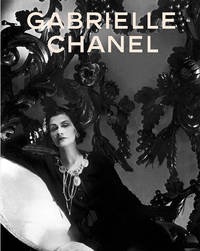
Hardcover. Thames & Hudson, 1st, 2020, Book: Very Good, Dust Jacket: None, Hardcover, pictorial cloth. Gabrielle 'Coco' Chanel is an icon of fashion, and can lay claim to having invented the look of the 20th century. At the height of the Belle Epoque, she stripped women of their corsets and feathers, bobbed their hair, put them in bathing suits and sent them out to get tanned in the sun. She introduced the little black dress; trousers for women; costume jewelry; the exquisitely comfortable suit that became her trademark. Early in the Roaring Twenties, Chanel made the first ever couture perfume - No. 5 - presenting it in the famous little square-cut flagon that, inspired by Picasso and Cubism, became the arch symbol of the Art Deco style. No. 5 remains the most popular scent ever created. This volume, published to accompany a landmark exhibition in Paris, traces the birth and evolution of Chanel's timeless style. Specially commissioned photographs by Julien T. Hamon showcase the clothing, while essays by fashion historians illuminate a period, an event or a theme. Rare archival documents, including portraits of Gabrielle Chanel herself, round out the book. Remainder line on bottom edge otherwise clean copy. DOMESTIC SHIPPING ONLY.
Hardcover. N. Ireland, Laurel Cottage Ltd., 1st, 2002, Book: Very Good, Dust Jacket: None, Hardcover, pictorial boards, oblong format, 92 pages, color illustrations by Derek Biddulph. SIGNED BY BOTH AUTHORS AND ARTIST on the title page. The combination of Derek Biddulph's delightful paintings and the fascinating history, stories and anecdotes from Peadar and Dick make this handsome guided tour of Galway City and the surrounding area. Clean copy.
Hardcover. New Haven CT, Yale University Press, 1st, 2012, Book: Very Good, Dust Jacket: Very Good, Hardcover in a bright dust jacket. Published on the occasion of the exhibition held at the Philadelphia Museum of Art, 20 June-3 September 2012]/edited by Joseph J Rishel; with essays by Stephanie D'Allessandro.[et al.] A trio of masterpieces by Gauguin, Cezanne, and Matisse are joined by works by other major artists in this exploration of the enduring vitality of the theme of Arcadia. Paul Gauguin's Where Do We Come From? What Are We? Where Are We Going? (1897-98), Paul Cezanne's The Large Bathers (1906), and Henri Matisse's Bathers by a River (1909-10, 1913, and 1916-17). Other masterpieces by Jean-Baptiste-Camille Corot, Nicolas Poussin, and Pierre Puvis de Chavannes establish the high value given to Arcadia in the history of French painting. Still in publisher's shrinkwrap.
Softcover. Baltimore, Clearfield, reprint, 2000, Book: Very Good, Dust Jacket: None, Softcover, light gray wrappers, 278 pages. This volume consists of abstracts of genealogical data from four of New York's earliest newspapers--the New-York Gazette (1726-1744) and the New-York Weekly Journal (1733-1751), the two earliest city papers, and the New-York Mercury and the Weekly Mercury (1752-1783). These newspapers were originally produced as weeklies and usually consisted of four pages, with occasional supplementary issues. Their subject matter encompassed essays, treatises, parliamentary proceedings, governors' messages, European and West Indian news, shipping news, incidents culled from other newspapers, and many advertisements. In this volume of abstracts may be found items yielding information concerning marriage, birth, death, age, status, place of residence, and place of origin, covering, in all, the years 1726 through most of 1783. Treatment is not confined to New York, for among individuals mentioned are those from all the other colonies, especially New Jersey (which had no newspaper in the colonial period), New England, Pennsylvania, and Maryland.
Hardcover. Baltimore, Genealogical Publishing Co., 1st, 1983, Book: Very Good, Dust Jacket: None, Hardcover, black cloth with gilt lettering, 733 pages. Many of the early settlers of Barbados eventually moved to the mainland of North America and settled in Virginia, Georgia, the Carolinas, and other colonies. Records of Barbados families exist in a variety of places and indeed a great many have been written up and published in the turn-of-the-century journal "Caribbeana" and "The Journal of the Barbados Museum and Historical Society". Unfortunately, back issues of these journals are no longer available, and copies can be found today in only a handful of libraries. With this present work, however, genealogists at last have access to both of these publications, for the book contains every article pertaining to family history ever published in these journals. The combined articles, reprinted here in facsimile, range from conventional genealogies and pedigrees to will abstracts and Bible records and refer to some 15,000 persons, all of whom are listed in the index. Besides the genealogies and family records, this compilation also contains a selection of notes on the connections between Barbados and New England families and four invaluable lists of Barbados Quakers.
Hardcover. The Hague, Mouton, reprint, 2015, Book: Very Good, Dust Jacket: None, Hardcover, decorated green boards, 197 pages. Translated from the French. Early 'rational' language study. Originally published in 1975. Preface by Arthur Danto. Clean copy.
Softcover. New York, Harper Design, 1st, 2012, Book: Very Good, Dust Jacket: None, 255 pages. Softcover. Extensive b&w photographs and illustrations throughout. Illustrated frontispiece. Clean, unmarked copy with only minor wear to wrappers.
Hardcover. Berkeley, CA, University of California Press, 1st, 1967, Book: Very Good, Dust Jacket: Good, Two hardcover volumes. 339 pages+ plates, 238 pages. 197 illustrations in b&w and color throughout. Red cloth, gilt lettering to spines. Small sealed up tears to front cover of Evolution of an Artist, small chip missing from back dust jacket cover of Catalogue Raisonne. Price clipped. Clean and tight set.
Hardcover. Norton/Smithsonian, 1st, 2002, Book: Very Good, Dust Jacket: Very Good, Hardcover, 288 pages. From the foremost collection of the artist's work, a remarkable portrait of Native American life. In 1832, George Catlin-showman, entrepreneur, and artist-made the first of four trips into Indian country, painting as he went, in a wonderfully spontaneous, if somewhat naive style. His ambition was to paint every tribe. He fell short. But what he did achieve, and the subject of this splendid volume, is a remarkable look into the faces and daily activities of Native Americans before their lands and their numbers were so radically diminished. And while Catlin was clearly influenced by the idea that Indians were Noble Savages (rapidly acquiring the vices of the white man while losing their "savage" virtues), his passion for his work is evidence of a profound respect and affection for his subjects, clearly demonstrated in this magnificent book. 275 illustrations, 150 in color.
Hardcover. Philadelphia, Running Press, 1st, 2013, Book: Very Good, Dust Jacket: Very Good, Hardcover, 416 pages, illustrated throughout in color and b&w. Light shelf-wear to dust jacket. Clean, tight copy. George Hurrell is credited as the master of the Hollywood glamour portrait. He photographed every star from Greta Garbo to Humphrey Bogart to Sharon Stone. Written by historian and former Hurrell assistant Mark A. Vieira, George Hurrell's Hollywood is the definitive retrospective. Covers Hurrell's entire career, from his beginnings as a Los Angeles society photographer to his finale as the celebrity photographer who became a celebrity himself. Hundreds of pristine images showcase the photographer's work with Hollywood icons from 1929 to 1992. The text recounts the artist's life, from his childhood to the heyday of his career as a starmaker, through the previously untold stories of his fall from grace and eventual comeback.
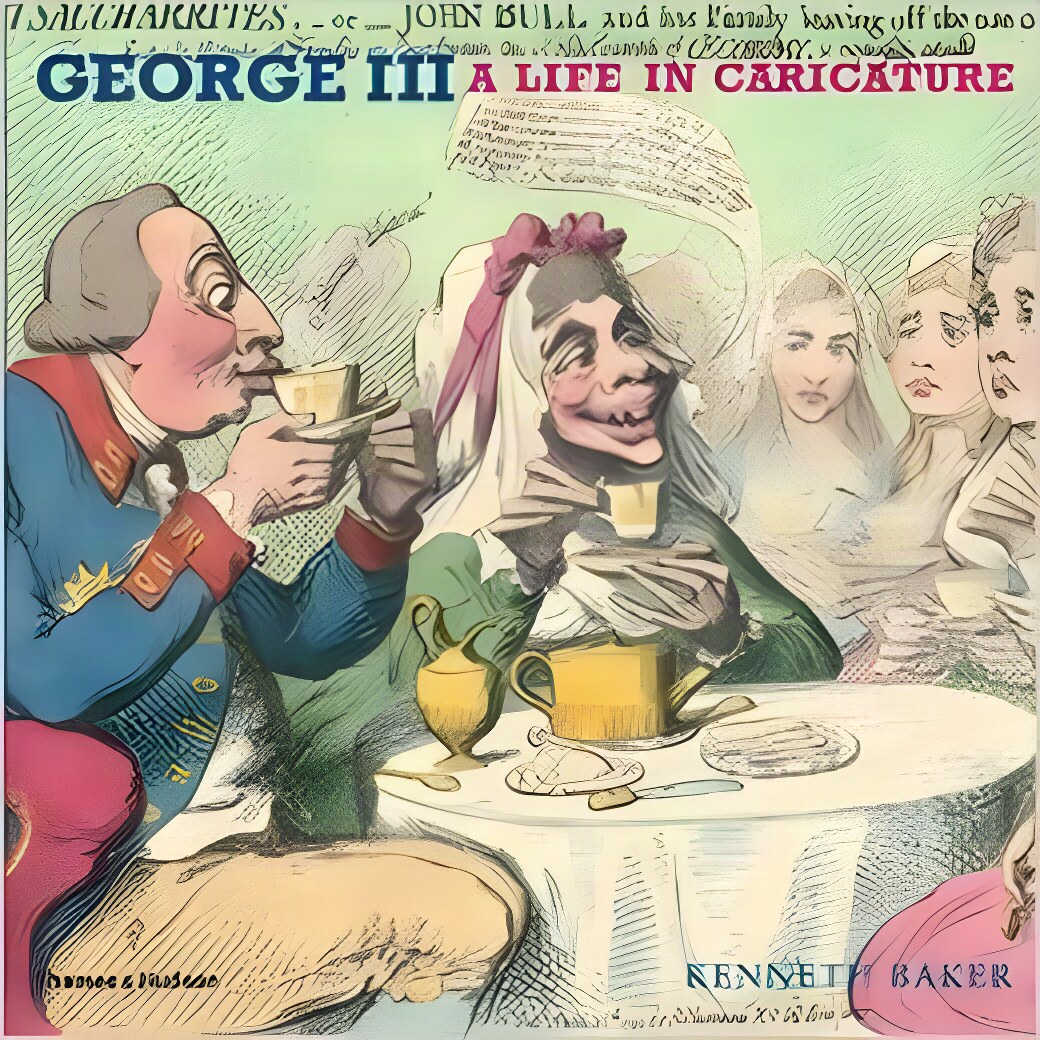
Hardcover. New York , Thames & Hudson, 1st, 2007, Book: Very Good, Dust Jacket: Very Good, Hardcover, 192 pages. Like new in publisher's shrink-wrap. George III enjoyed one of the longest reigns in English history (1760-1820) at a time when both England and the world were undergoing drastic changes. Yet he remains a dim figure, remembered mainly for his failures (losing America) and his "madness" (which turns out to have been not mental but physical). He was highly unpopular for much of his reign, and this judgment is spectacularly endorsed by hundreds of contemporary caricatures, many reproduced here for the first time. Among George's enemies were some of the wittiest artists of any age, and few took the trouble to be fair. This was the way the English nation saw its king, adding a new dimension to what is ultimately a tragic story. 200 color illustrations.
Softcover. US, Yale University Press, 1st, 2011, Book: Very Good, Dust Jacket: None, Softcover, 60 pages. Like new in publishers shrink-wrap. A canonical figure in American painting, George Inness (1825-1894) is widely admired as the pioneer of the landscape aesthetic known as Tonalism, which is distinguished by soft focus and diaphanous layers of paint. This is the first book about the artist's two Italian sojourns (1851-52 and 1870-74) and their formative impact on his work. Italy--its art and its landscape--offered Inness a font of inspiration as he developed his unique artistic vision. This handsome book presents ten oil paintings surveying Inness's Italian subjects dating from 1850 to 1879, including the Philadelphia Museum of Art's recently restored Twilight on the Campagna, which has not been on view since 1952. This was the first of Inness's works completed in Italy, and its reemergence offers a unique opportunity to reconsider the career of a leading American artist.
Hardcover. New York, Alfred A. Knopf, inc, 1st, 1927, Book: Good, Dust Jacket: None, First edition, small folio, 254 pages, [1]; frontis portrait, 195 illustrations; biographical note by Thomas Beer, introduction by Eugene Speicher, edited by Emma S. Bellows; original coarse buckram lettered in black on upper cover and spine; very good. The catalogue raisonne of Bellows' lithographs.
Hardcover. US, Rizzoli, 1st, 1988, Book: Very Good, Dust Jacket: Good, 319 pages, illustrated throughout with 235 illustrations, including 150 in full color. Faint soil to fore edge. Light edgewear and rubbing to dust jacket. Small tear on front end paper.
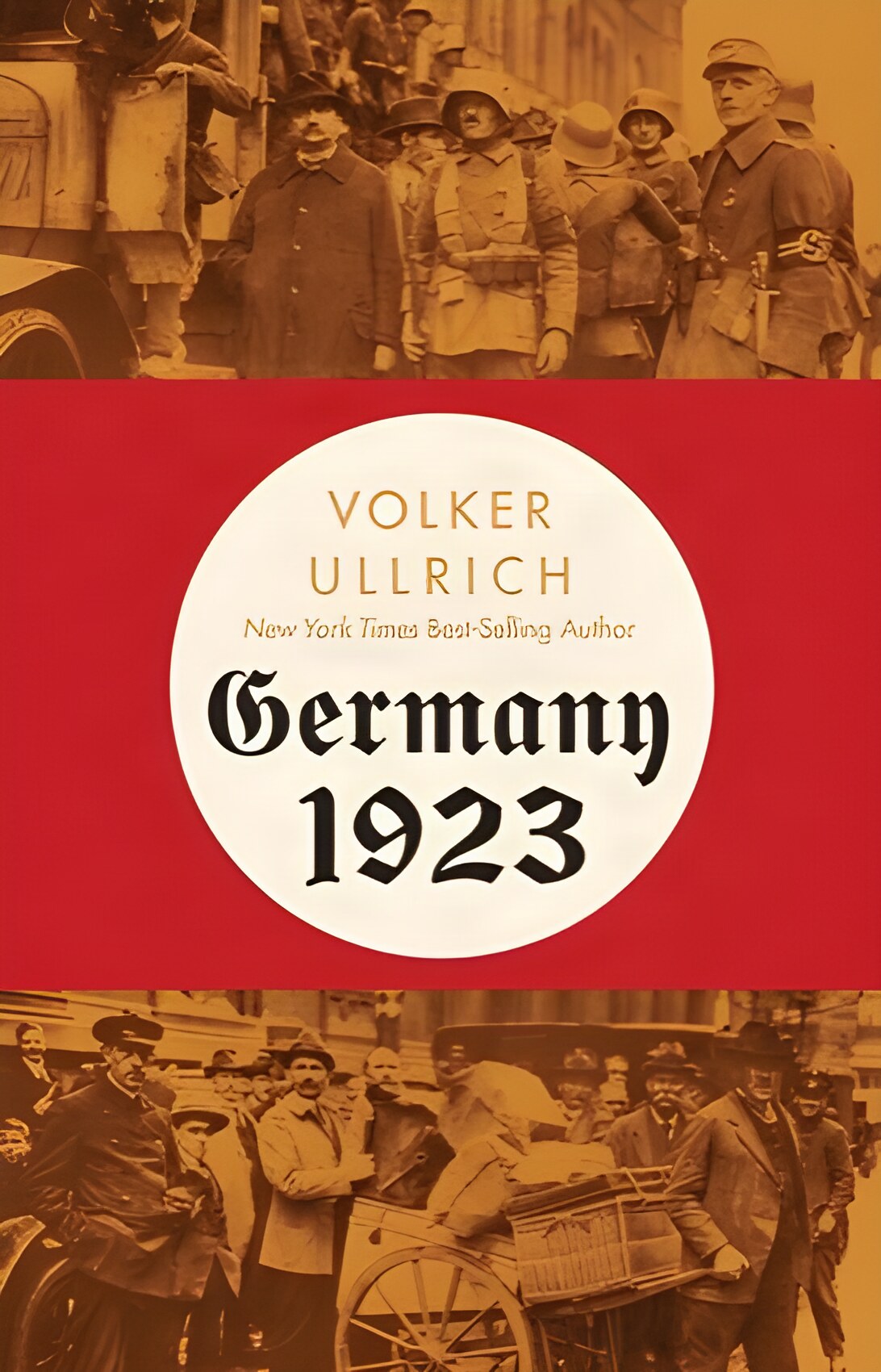
Hardcover. NY, Liveright, 1st, 2023, Book: Very Good, Dust Jacket: Very Good, Hardcover in a bright, unclipped dust jacket, 432 pages, b&w illustrations. As the great Austrian writer Stefan Zweig confided in his autobiography, written in exile, "I have a pretty thorough knowledge of history, but never, to my recollection, has it produced such madness in such gigantic proportions." He was referring to the situation in Germany in 1923. It was a "year of lunacy," defined by hyperinflation, a political system on the verge of collapse, and separatist movements that threatened Germany's territorial integrity. Most significantly, Adolf Hitler launched his infamous Beer Hall Putsch in Munich-a failed coup that nonetheless drew international attention and demonstrated the Nazis' ruthless determination to seize power. In Germany 1923, award-winning historian Volker Ullrich draws on letters, memoirs, newspaper articles, and other sources from the time to present a captivating new history of those explosive twelve months. Clean copy.
Hardcover. New York, Flammarion, 1st US, 1997, Book: Very Good, Dust Jacket: Very Good, 392 pages. Hardcover with dust jacket. Previous owner's bookplate and signature on end paper. Color pictures. Clean, unmarked copy with only minor wear and light tanning to dust jacket.

 "Frida Kahloby: Lozano, Luis-Martin")
 "From a Mighty Fortress: Prints, Drawings, and Books in the Age of Luther 1483-1546by: Andersson, Christiane")
 "From Rail-Splitter to Icon: Lincoln's Image in Illustrated Periodicals, 1860-1865by: Bunker, Gary L.")
 "Fruit Crate Artby: Davidson, Joe")
 "FSA: The American Visionby: Brannan, Beverly and Gilles Mora")

 "Future Beauty: 30 Years of Japanese Fashionby: Fukai, Akiko")
 "Futures of Surrealism Myth, Science Fiction and Fantastic Art in France 1936-1969 by: Parkinson, Gavin")

 "Genealogical Data from Colonial New York Newspapers: A Consolidation of Articles from The New York Genealogical and Biographical Record by: Kenneth Scott (Compiler)")
 "Genealogies of Barbados Families: From Caribbeana and the Journal of the Barbados Museum and Historical Societyby: James C. Branow")

 "Gentry Man, The: A Guide for the Civilized Maleby: Rubenstein, Hal")


 "George Hurrell's Hollywood: Glamour Portraits 1925-1992by: Vieira, Mark A.")
 "George Inness in Italyby: Mitchell, Mark D.")
 "George W. Bellows: His Lithographsby: Beer, Thomas, and others")
 "Georges Braque, Life and Workby: Zurcher, Bernard")
 "Giorgioneby: Anderson, Jaynie")