Hardcover. London, Gingko Press, 1st, 2007, Book: Very Good, Dust Jacket: Very Good, 240 pages, b&w illustrations. Pictorial boards. Still in publisher's shrinkwrap. Known as Toast in graffiti circles and Atalier in graphic design circles, Ata Bozaci is recognized as an artist, draftsman, illustrator, and graffiti artist. This Swiss-based dynamo is also known as one of the pioneers of three dimensional graffiti art. The link between these different artistic or design modes is a pictorial language that is based on the reduction of images and ideas to the essential - black ink on white surfaces. In order to preserve the character of his work and to create an object that is more than just a direct documentation of his work, the book was constructed with paper stock similar to that of his sketchbooks and all of his work printed exclusively using black ink on white paper. The book is organized into three main organizing chapters: Graffiti, Sketches, and Illustrations. Graffiti focuses on Styles & Characters, 3-D Styles and Living Letters, Sketches is divided into the categories Animals and People and the last section, Illustrations is devoted to Portraits and the commercial Grafics work that appears under the label Atalier.
Softcover. New York, Pocket Books/Permabooks, 1st, 1961, Book: Very Good, Dust Jacket: None, 195 pages. Paperback. Pocket Book #6087. Creasing along spine.
Softcover. Washington DC, Howard University Press, 1994, Book: Very Good, Dust Jacket: None, Softcover, 365 pages. Maps, illustrations, bibliography, index. A comparative social overview of slavery in Britain, America, and the Caribbean during the colonial period. Walvin carefully examines the external pressures exerted on coastal communities in Africa for slaves, the gradual development of a slave trading system within Africa, and the transport of over twelve million Africans across the seas. Clean copy. Several pages with dog-ear creases.
London , Collins, reprint , 1968, Book: Good, Dust Jacket: Good, Hardcover. 255 pages. Light rubbing to spine, corners. Soiling, edgewear to dust jacket. Being the life story of Ralph Rudd, his early adventures, perils and misfortunes on land and sea, including sundry close encounters with high-jacking, mutiny and violence off the African Slave Coast.
Hardcover. NY, Pantheon Books , 1st US, 1969, Book: Very Good, Dust Jacket: None, Hardcover in pictorial boards, library binding. Illustrated in b&w by Antony Maitland. An atmospheric and chilling thriller set in 19th century London. Bartholomew Dorking finds himself inexplicably tied to the murdering villain Black Jack, who should have hung from the gallows - but who has now, it seems, come back from the dead!. Leon Garfield was one of the most celebrated children's authors of the twentieth century, and won the Guardian Award, The Whitbread Award, and the Carnegie Medal. Clean copy.
Softcover. Cambridge MA, Harvard University Press, reprint, 1998, Book: Very Good, Dust Jacket: None, Softcover, 310 pages, b&w illustrations. Few Americans, black or white, recognize the degree to which early African American history is a maritime history. W. Jeffrey Bolster shatters the myth that black seafaring in the age of sail was limited to the Middle Passage. Seafaring was one of the most significant occupations among both enslaved and free black men between 1740 and 1865. Tens of thousands of black seamen sailed on lofty clippers and modest coasters. They sailed in whalers, warships, and privateers. Some were slaves, forced to work at sea, but by 1800 most were free men, seeking liberty and economic opportunity aboard ship.Bolster brings an intimate understanding of the sea to this extraordinary chapter in the formation of black America. Because of their unusual mobility, sailors were the eyes and ears to worlds beyond the limited horizon of black communities ashore. Sometimes helping to smuggle slaves to freedom, they were more often a unique conduit for news and information of concern to blacks.But for all its opportunities, life at sea was difficult. Blacks actively contributed to the Atlantic maritime culture shared by all seamen, but were often outsiders within it. Capturing that tension, Black Jacks examines not only how common experiences drew black and white sailors together-even as deeply internalized prejudices drove them apart-but also how the meaning of race aboard ship changed with time. Bolster traces the story to the end of the Civil War, when emancipated blacks began to be systematically excluded from maritime work. Rescuing African American seamen from obscurity, this stirring account reveals the critical role sailors played in helping forge new identities for black people in America.
Hardcover. London, Macmillan & Co., reprint, 1942, Book: Good, Dust Jacket: None, Hardcovers, two-volume set, green cloth with gilt lettering on spine. Rebecca West, 1892-1983, wrote Black Lamb & Grey Falcon after spending 6 weeks in Yugoslavia. Publication occurred at the same time as the Nazi invasion of the state. West pays tribute in the book's epigram to the thousands of civilians who lost their lives in the horrific events that followed; "To my friends in Yugoslavia, who are now all dead or enslaved." 32 black and white photographic plates, map endpapers to both volumes. Clean, tight bindings. Tattered dust jackets laid in. No markings. DUE TO WEIGHT, DOMESTIC SHIPPING ONLY.
Hardcover. San Antonio TX, Wings Press, reprint, 2017, Book: Very Good, Dust Jacket: Very Good, Hardcover in a bright dust jacket, 208 pages, b&w photos. On October 28, 1959, John Howard Griffin underwent a transformation that changed many lives beyond his own he made his skin black and traveled through the segregated Deep South. His odyssey of discovery was captured in journal entries, arguably the single most important documentation of 20th-century American racism ever written. More than 50 years later, this newly edited edition which is based on the original manuscript and includes a new design and added afterword gives fresh life to what is still considered a contemporary book. The story that earned respect from civil rights leaders and death threats from many others endures today as one of the great human and humanitarian documents of the era. Clean copy.
Hardcover. NY, The Literary Guild, 1928, Book: Very Good, Dust Jacket: None, Hardcover, Literary Guild edition, with the 1st Edition (stated) signatures from Harper. Bound in black cloth and pictorial boards. Illustrated in color and b&w by Mahlon Blaine.
Hardcover. Washington, DC, Associated Publishers, Revised Ed., 1944, Book: Very Good, Dust Jacket: None, Hardcover, 381 pages. Dark green cover with slight wear and white spotting to back. Slight soiling to edges. Binding cracked at page 45. Overall, a clean, tight copy.
Hardcover. New York, Paul S. Eriksson, Inc., 1st , 1969, Book: Very Good, Dust Jacket: Very Good, Unpaginated, b&w illustrations by Arouni. Light edge wear to dust jacket. Several pages slightly loose. Else a very nice, clean copy.
Hardcover. Boston, Little, Brown & Company, 1st, 1961, Book: Very Good, Dust Jacket: None, Hardcover, light mauve cloth with white lettering on spine, 311 pages with index. B&w illustrations, maps. Spine with light fading, book is clean, tight copy. Stated First Edition.
Softcover. Middletown CT, Wesleyan University Press, 1st, 1994, Book: Very Good, Dust Jacket: None, Softcover, 237 pages. From its beginnings in hip hop culture, the dense rhythms and aggressive lyrics of rap music have made it a provocative fixture on the American cultural landscape. In Black Noise: Rap Music and Black Culture in Contemporary America, Tricia Rose, described by the New York Times as a "hip hop theorist," takes a comprehensive look at the lyrics, music, cultures, themes, and styles of this highly rhythmic, rhymed storytelling and grapples with the most salient issues and debates that surround it. Clean copy.
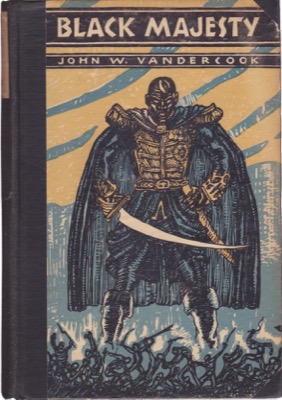
Hardcover. NY, D. Appleton & Co., 1st, 1918, Book: Very Good, Dust Jacket: None, Hardcover, mauve boards with yellow lettering, maroon cloth spine. 321 pages with a (2) on last page indicating second printing. Quite scarce. Top corner of cover bumped.
Hardcover. Washington DC, National Portrait Gallery/Princeton University Press, 1st, 2018, Book: Very Good, Dust Jacket: Very Good, Hardcover in a bright dust jacket, Accompanied exhibition at the National Portrait Gallery. Illustrated. First major publication to focus on the development of silhouettes, gathers leading experts to shed light on the surprisingly complex historical, political, and social underpinnings of this ostensibly simple art form. This richly illustrated volume explores likenesses of everyone from presidents and celebrities to everyday citizens and enslaved people. Ultimately, the book reveals how silhouettes registered the paradoxes of the unstable young nation, roiling with tensions over slavery and political independence. Primarily tracing the rise of the silhouette in the decades leading up to the Civil War, Black Out also considers the ubiquity of the genre today, particularly in contemporary art. Historical research and four contemporary artists: Kara Walker, Kristi Malakoff, Kumi Yamashita, and Camille Utterback. Still in publisher's shrinkwrap.
Softcover. New York, Avon Book, 1st, 1946, Book: Very Good, Dust Jacket: None, 198 pages. Paperback. Avon Book #106. Light wear to paper wrappers. Spine faded and has ink 'x" over "the" on spine.
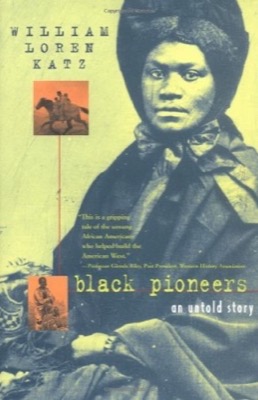
Hardcover. NY, Atheneum, 3rd pr., 1999, Book: Very Good, Dust Jacket: Very Good, Hardcover in a bright, unclipped dust jacket. In a clear, straightforward style, Katz describes the settlement of the Ohio and Mississippi Valleys (covering Ohio, Indiana, Illinois, Michigan, Wisconsin, Minnesota, Iowa, Kansas, and Missouri) by African Americans seeking freedom, including biographical sketches of men and women who formed churches, started schools, or were politically active in their region. Some of these settlers were fugitive slaves; several set up stations on the Underground Railroad with the aid of the Quakers; others were farmers, poets, and soldiers. In several states, they helped form black regiments in the Civil War. Chronologically arranged, the book introduces many lesser-known personages not found in most collective biographies and places them in a broader context of U.S. history as a whole.
Hardcover. NY, Atheneum, 3rd pr., 1999, Book: Very Good, Dust Jacket: Very Good, Hardcover in a bright, unclipped dust jacket. In a clear, straightforward style, Katz describes the settlement of the Ohio and Mississippi Valleys (covering Ohio, Indiana, Illinois, Michigan, Wisconsin, Minnesota, Iowa, Kansas, and Missouri) by African Americans seeking freedom, including biographical sketches of men and women who formed churches, started schools, or were politically active in their region. Some of these settlers were fugitive slaves; several set up stations on the Underground Railroad with the aid of the Quakers; others were farmers, poets, and soldiers. In several states, they helped form black regiments in the Civil War. Chronologically arranged, the book introduces many lesser-known personages not found in most collective biographies and places them in a broader context of U.S. history as a whole.
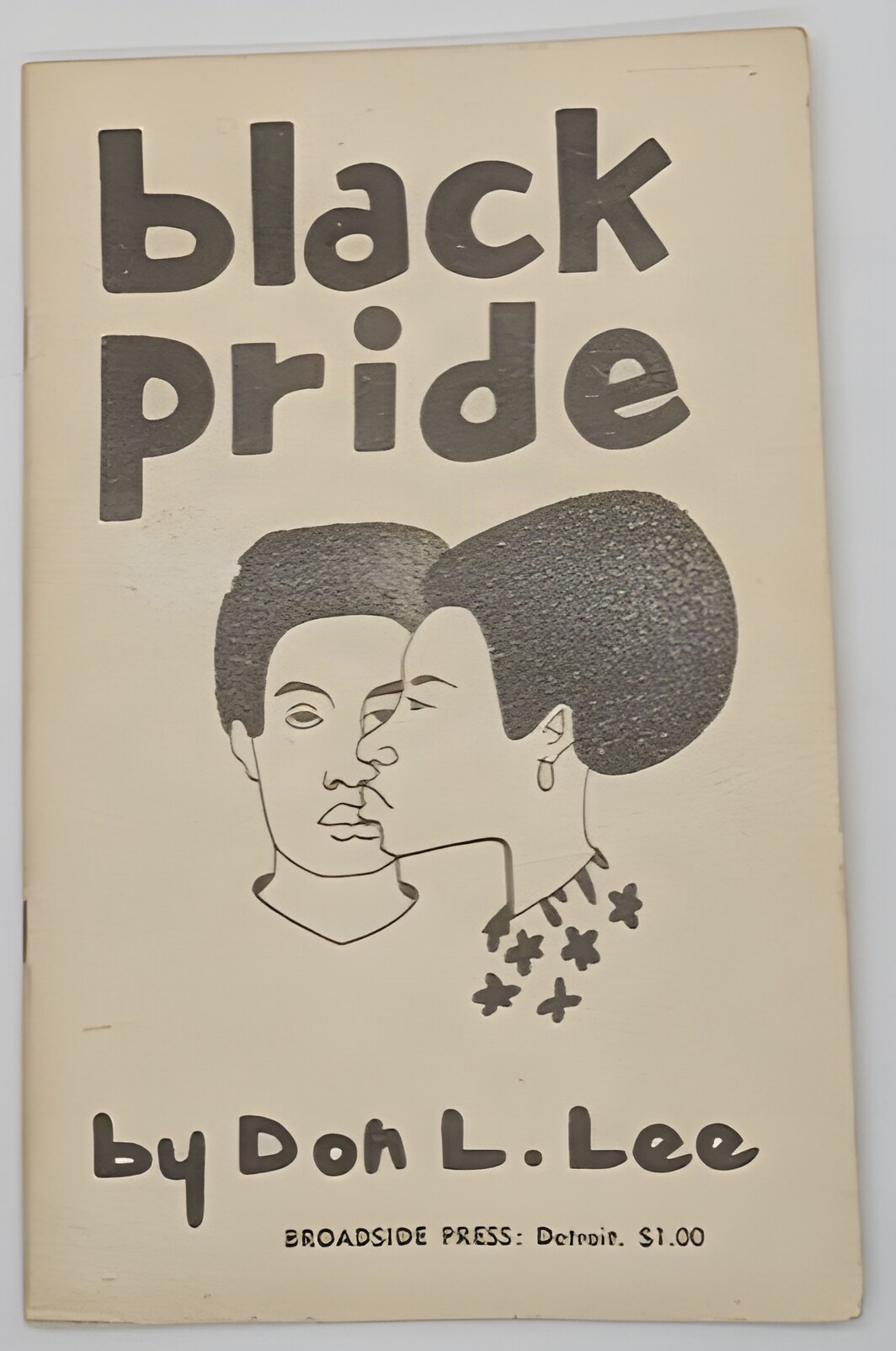
Softcover. Detroit MI, Broadside Press, 2nd pr., 1968, Book: Very Good, Dust Jacket: None, Softcover, stapled wrappers, 34 pages. Introduction by Dudley Randall. A seminal pamphlet from the Black Arts Movement, the work lays out Lee's early reflections on Black identity, self-respect, and cultural affirmation. Haki Madhubuti (He changed his name in 1973) published his first collection of poems, Think Black, in 1967 followed by Black Pride (1968), Don't Cry, Scream (1969), We Walk the Way of the New World (1970) and Book of Life (1973). His works deal with issues of racism, violence, stigmatization, and oppression of black people in America as well as the use of Christianity to persuade them to accept their condition. Previous owner's signature on front fly leaf, otherwise clean.
Hardcover. NY, Farrar, Straus and Giroux, 1st, 1976, Book: Very Good, Dust Jacket: Very Good, Hardcover, 129 pages. Anthology of 20 stories gathered from 16th Century chronicles of missionaries. Illustrated by Bierhorst, Jane Byers. Clean copy. Dust jacket price-clipped.
Softcover. Kensington, MD, Published privately, 1st, 1997, Book: Very Good, Dust Jacket: None, 36 pages. Softcover with light wear to edges. Black and white pictures throughout. Clean, tight copy.
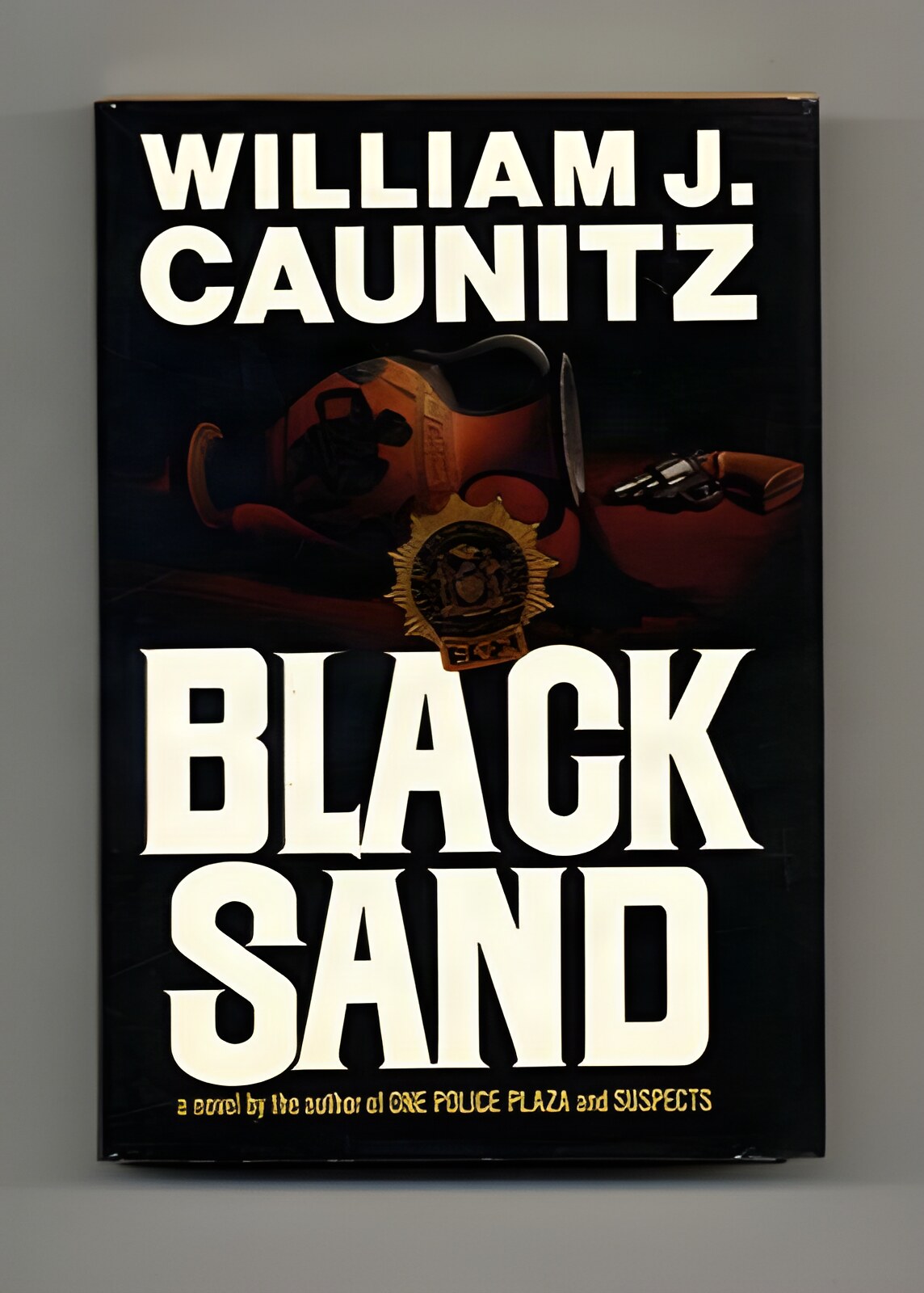
Hardcover. NY, Crown, 1st, 1989, Book: Very Good, Dust Jacket: Very Good, Hardcover in a bright, unclipped dust jacket, 339 pages. INSCRIBED BY CAUNITZ on the half-title page. A tale of high-level international art smuggling machinations which involve a copy of Homer's Iliad that belonged to Alexander the Great. A planned assassination outside Athens that turns into a massacre and the simultaneous murder of a shady Greek dealer send Major Andreas Vassos of the Greek police off to New York to pursue leads that involve a brutal Irish gang and some smooth operators with ties to the State Department and the wartime OSS. Throw in a tough New York police lieutenant, a beautiful art historian and a villainous collector, and you have the makings for a fast-moving thriller. Clean copy.
Hardcover. Boston, Houghton Mifflin, 1st, 1916, Book: Very Good, Dust Jacket: None, Hardcover, gray cloth stamped with black lettering. 314 pages, frontis, plates from photos. A description of a stay of over a decade in Gaboon (French Congo), at various mail stations, with much on the missionary activities, schools, and the native peoples in the area including the Njem tribe in the Lomie district, about 400 miles inland from the coastal town of Kribi. This copy from a YMCA library with a stamp and an envelope on the front endpapers, otherwise clean.

 "Black Ink: Illustrations by Ata \"Toast\" Bozaciby: Bozaci, Ata")

 "Black Ivory; A History of British Slaveryby: Walvin, James")
 "Black Ivoryby: Collins, Norman")
 "Black Jackby: Garfield, Leon")
 "Black Jacks: African American Seamen in the Age of Sailby: W. Jeffrey Bolster")
 "Black Lamb And Grey Falcon: The Record Of A Journey Through Yugoslavia In 1937 - Volumes I and 2 (Two Volume Set) by: Rebecca West")
 "Black Like Me: 50th Anniversary Editionby: Griffin, John Howard")


 "Black Man in White America, Theby: Van Drusen, John O.")
 "Black Marble, The by: Wambaugh, Joseph")
 "Black Miseryby: Hughes, Langston")

 "Black Noise: Rap Music and Black Culture in Contemporary America by: Rose, Tricia")
 "Black Opal, Theby: Gray Maxwell (pseudonym of Mary Gleed Tuttiett )")


 "Black Pioneers: An Untold Storyby: William Loren Katz")
 "Black Rainbow: Legends of the Incas and Myths of Ancient Peru by: Bierhorst, John (edited and translated by)")

 "Black Sheep: Adventures in West Africaby: Mackenzie, Jean Kenyon")