Hardcover. London, Macmillan, 1st, 1880, Book: Good, Dust Jacket: None, Hardcover, blue cloth with gilt lettering on the spine. Many maps including fold-out of India as frontispiece. Text unmarked. Light foxing on pages. Covers show edge wear with rubbing/scuffing and bumped corners. Spine edge chipping. Hinges cracked. Ex- library with stamping, reside to endpapers.
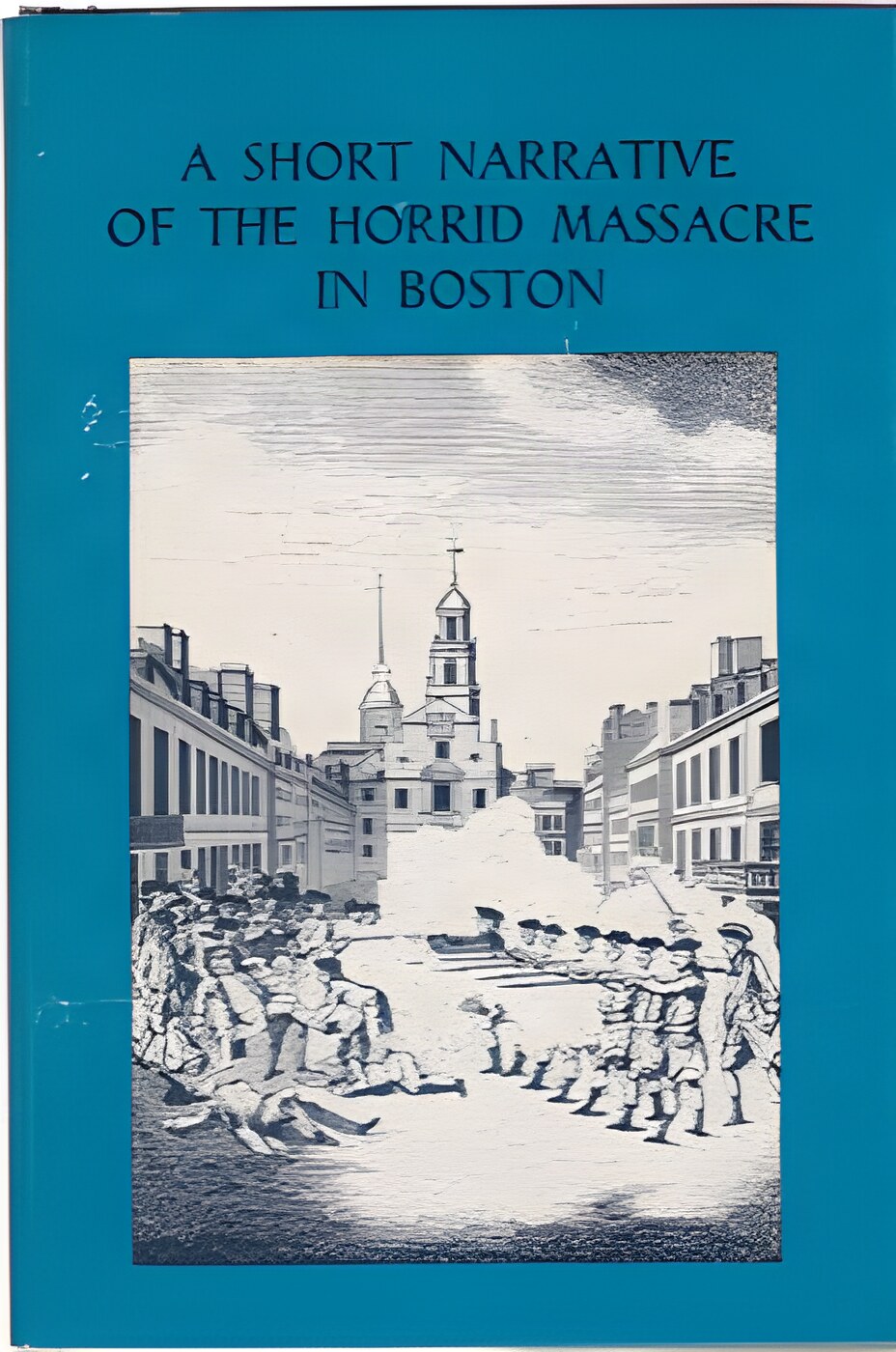
Hardcover. Williamstown MA, Corner House, reprint, 1973, Book: Very Good, Dust Jacket: Very Good, Hardcover in a bright dust jacket, 122 pages. An Official account of the Boston Massacre, March 5, 1770. This is an exact reprint from an original in the library of the New York Historical Society, containing the full appendix, certificates, and circular of the Committee. It also contains events of the few days preceding the massacre drawn up by the Hon. Alden Bradford; and the Report made by John Hancock, Samuel Adams, Joseph Warren and other, presented at the meeting of the citizens on the 12th of March plus explanatory notes by the author.
Hardcover. Kent OH, Kent State Univ Pr, 1st, 2003, Book: Very Good, Dust Jacket: Very Good, Hardcover, 180 pages, illustrated throughout in b&w. Clean, unmarked copy with only minor wear to dust jacket. Zoar, Ohio, a German-Christian utopian community founded in 1817, encouraged tourism and "gawkers." This has left a rich photographic record of the community, which includes tourists's photos and Zoarite-produced postcards. Fernandez uses many previously unpublished photos, captioned with the words of journalists, diarists, and other visitors.
Hardcover. Chicago, University of Chicago Press, 1st, 1994, Book: Very Good, Dust Jacket: Very Good, Hardcover in a bright dust jacket, 485 pages, b&w illust. How do we come to trust our knowledge of the world? What are the means by which we distinguish true from false accounts? Why do we credit one observational statement over another? In A Social History of Truth, Shapin engages these universal questions through an elegant recreation of a crucial period in the history of early modern science: the social world of gentlemen-philosophers in seventeenth-century England. Steven Shapin paints a vivid picture of the relations between gentlemanly culture and scientific practice. He argues that problems of credibility in science were practically solved through the codes and conventions of genteel conduct: trust, civility, honor, and integrity. These codes formed, and arguably still form, an important basis for securing reliable knowledge about the natural world.
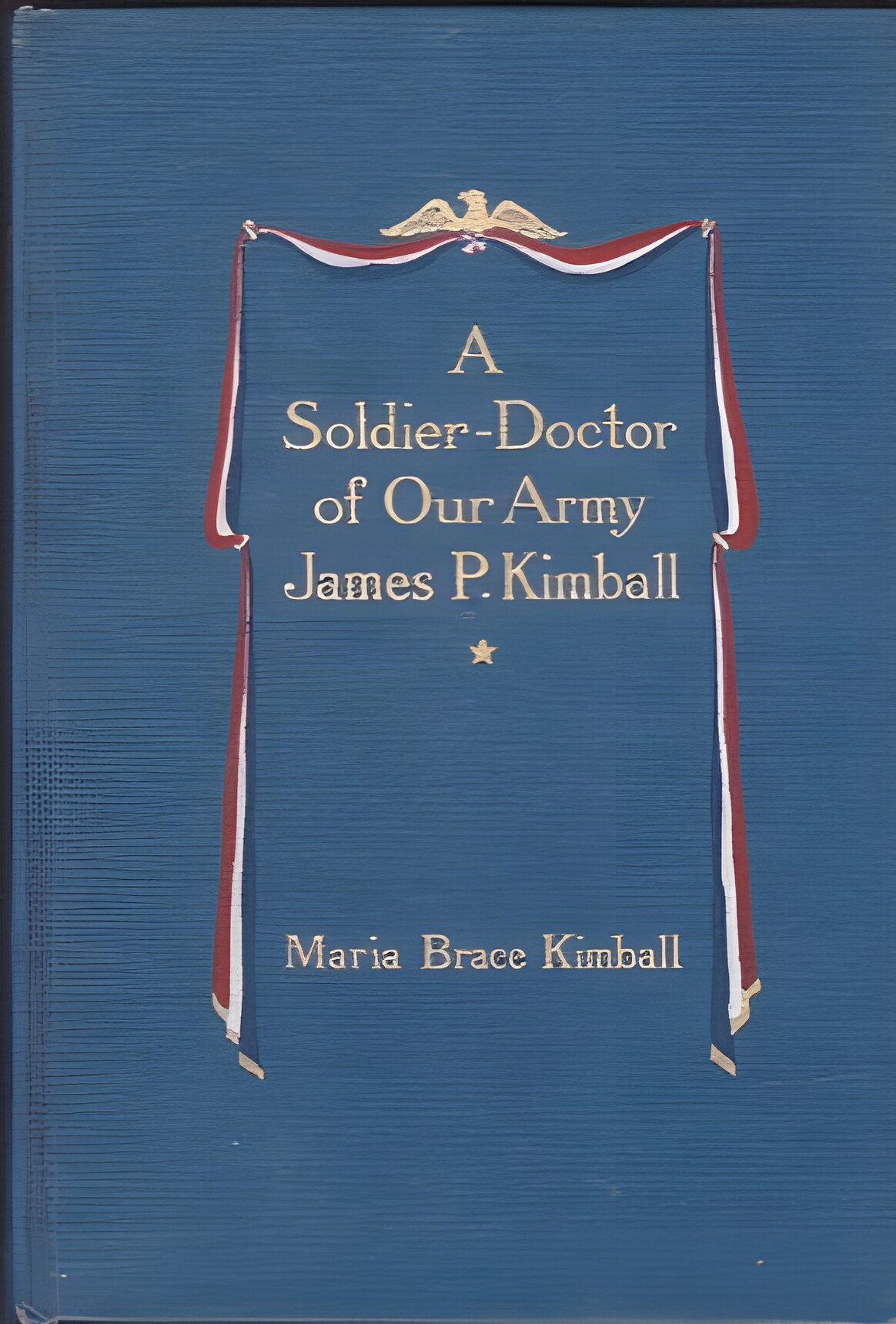
Hardcover. Boston, Houghton Mifflin, 1st, 1917, Book: Very Good, Dust Jacket: None, Hardcover, blue cloth with gilt and red, white and blue decoration to front cover, gilt lettering on spine. 192 pages including index, frontis. portrait plus b&w pales including onr fold-out. Dr. Kimball was on the Yellowstone Expedition of 1873 with Generals Stanley and Custer and became quite a good friend of Custer. It was Dr. Kimball who attended to Lieutenant Charles Braden and may have saved his life, after Braden was shot through the left leg by Indians on August 4, 1873. The Battle of the Little Big Horn is also covered. Bright, clean copy.
Hardcover. Cambridge MA, Harvard University Press, 4th pr., 1969, Book: Very Good, Dust Jacket: None, Hardcover, maroon cloth with gilt lettering on spine, 581 pages. B&W diagrams/illustrations in text. Name on front fly leaf, otherwise clean.
Hardcover. NY, Norton, 1st, 2015, Book: Very Good, Dust Jacket: Very Good, Hardcover, 192 pages. This book has an international bent: Hand has taken photographs in more than fifty countries over the past fifty-five years. These 162 black-and-white photographs present a sampling of his best work from around the world and show how the railway is a compelling subject no matter the locale. An introduction by well-known transportation reporter and railroad columnist Don Phillips explains how Hand got interested in railways and how his approach to the subject developed; extended captions provide historical context. The book includes an afterword by rail and photography historian Jeff Brouws.
Hardcover. NY, Macmillan, reprint, 1921, Book: Very Good, Dust Jacket: None, Hardcover. Early reprint. Red cloth with title plate on spine and front board, 287 pages. A look at America's international political scene as of 1920, and the second in a series of three books, begun with the Pentecost of Calamity, and ending with Neighbors Henceforth. Clean copy.
Softcover. Minneapolis MN, University Of Minnesota Press, 1st, 1998, Softcover, 303 pages. The Subaltern Studies Collective, founded in 1982, was begun with the goal of developing a new critique of both colonialist and nationalist perspectives in the historiography of colonized countries. Its most famous members - Gayatri Spivak, Partha Chatterjee, and others - were instrumental in establishing the discipline best known as postcolonial studies. A selection of the definitive and most influential work from the collective's eponymous journal, these essays chart the course of subaltern history from an early concentration on peasant revolts and popular insurgency to an engagement with the more complex processes of domination and subordination in a variety of the changing institutions and practices of evolving modernity. Clean copy.
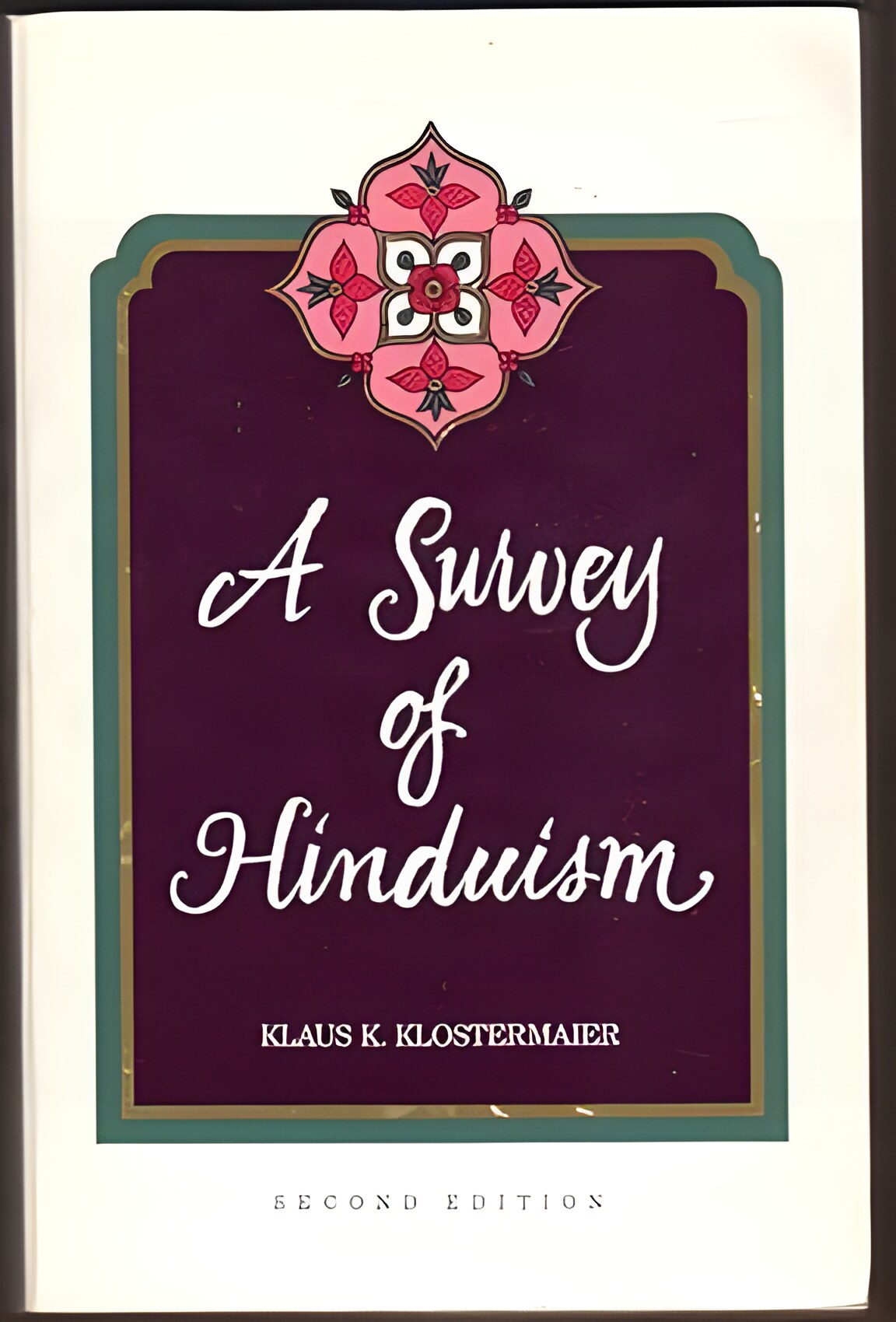
Softcover. Albany NY, State University of New York Press, 2nd Ed., 1994, Book: Very Good, Dust Jacket: None, Softcover, 715 pages, b&w illustrations. A comprehensive survey of the Hindu tradition, the book deals with the history of Hinduism, the sacred writings of the Hindus, the Hindu worldview, and the specifics of the major branches of Hinduism-Vaisnavism, Saivism, and Saktism. It also focuses on the geographical ties of Hinduism with the land of India, the social order created by Hinduism, and the various systems of Hindu thought. Klaus K. Klostermaier describes the development of Hinduism in the nineteenth and twentieth centuries, including present-day political Hinduism and the efforts to turn Hinduism into a modern world religion. A unique feature of the book is its treatment of Hinduism in a topical fashion, rather than by chronological description of the development of Hinduism or by summary of the literature. The complexities of Hindu life and thought are thus made real to the reader, and Hindus will recognize it as their own tradition. Clean copy.
Hardcover. NY, Knopf, 1st, 2024, Book: Very Good, Dust Jacket: None, Hardcover in a bright pictorial boards, 208 pages, color plates. The queen of American Jewish cooking (Houston Chronicle) revises her children's classic for a new generation. In Jewish tradition, holidays are a time for family and feasting, and for Joan Nathan, nothing embodies the holiday spirit more than cooking delicious festive favorites with friends and loved ones. When her own children were young, Nathan published the first version of this book, which covers nine Jewish holidays and includes step-by-step instructions for kids and their families to prepare accessible feasts. Now she updates a beloved go-to resource for her grand-children's generation (Out with the Pot Roast! In with the Tahini Shakes!) and adds a heaping helping of new recipes. Included are dishes old and new, traditional and novel, and mouthwatering recipes that everyone will enjoy, from Moroccan Apricot Chicken and Chicken Schnitzel Tenders to Mushroom Kreplach Dumplings and Veggie Quiche.Included are essays on the history of Jewish holidays, instructions for how to celebrate them, and craft activities such as making challah covers and candlesticks. Clean, bright copy.
Hardcover. NY, Harcourt, 1st, 2004, Book: Very Good, Dust Jacket: Very Good, Hardcover in a bright, unclipped dust jacket. Tragic, comic, and utterly honest, this extraordinary memoir is at once a great family saga and a magical self-portrait of a writer who witnessed the birth of a nation and lived through its turbulent history. It is the story of a boy growing up in the war-torn Jerusalem of the forties and fifties, in a small apartment crowded with books in twelve languages and relatives speaking nearly as many. His mother and father, both wonderful people, were ill-suited to each other. When Oz was twelve and a half years old, his mother committed suicide, a tragedy that was to change his life. He leaves the constraints of the family and the community of dreamers, scholars, and failed businessmen and joins a kibbutz, changes his name, marries, has children, and finally becomes a writer as well as an active participant in the political life of Israel. Clean copy.
Softcover. Waco TX, J. S. Hill & Co., 1st, 1901, Book: Fair, Dust Jacket: None, Softcover, brown paper wraps, stapled binding, 189 pages. Covers worn and chipped, last 50 pages with top corner chipped or chewed away, not affecting text. West served in Company E., 4th Texas Regiment. "A diary kept by West from April 12 to June 13, 1863, and February 28 to April 20, 1864." Subtitled on cover: A trip of a private soldier from Texas to Gettysburg and Chickamauga in 1863. Paper tanned and fragile.
Hardcover. NY, Knopf, 1st, 2002, Book: Very Good, Dust Jacket: Very Good, Hardcover in a bright, unclipped dust jacket, 592 pages, b&w illustrations. Samuel Fuller, independent director-producer extraordinaire, tells the story of his life, a life that spanned most of the twentieth century. His twenty-nine tough, gritty pictures made from 1949 to 1989 set out to capture the truth of war, racism, and human frailties, and incorporate some of his own experiences. He writes of his years in the newspaper business--selling papers as a boy on the streets of New York, working for Hearst's New York Journal American, first as a copyboy, then as personal runner for the famous Hearst editor in chief Arthur Brisbane. His film Park Row was inspired by his years as a reporter for the New York Evening Graphic, where his beat included murders, suicides, state executions, and race riots--he scooped every other New York paper with his coverage of the death by drug overdose of the legendary Jeanne Eagels. Fuller talks about directing his first picture (he also wrote the script), I Shot Jesse James . . . and how, as a result, he was sought after by every major studio, choosing to work for Darryl Zanuck of Twentieth Century Fox. We see him becoming one of the most prolific, independent-minded writer-directors, turning out seven pictures in six years, among them Pickup on South Street, House of Bamboo, and China Gate. He writes about making Underworld U.S.A., a movie that shows how gangsters in the 1960s were no longer seen as thugs but as "respected" tax-paying executives . . . about the making of the movie Shock Corridor--about a journalist trying to solve a murder in a lunatic asylum--which exposed the conditions in mental institutions . . . and about White Dog (written in collaboration with Curtis Hanson), a film so controversial that Paramount's then studio heads, Jeffrey Katzenberg and Michael Eisner, refused to release it. Clean copy.
Softcover. London, Cassell, 1st, 2002, Book: Very Good, Dust Jacket: None, Softcover, 336 pages. This book unravels the secrets and workings of the English parish and its effect on English society. There are 13,000 parishes in England, each with its parish church, covering the country in a network which gives identities to local communities. Two-thirds of English parishes are ancient, probably a thousand years old; one-third have been founded in the last 150 years, largely to meet the enormously increased numbers of people in big towns. One of the major themes of the book is the changing social fabric. Clean copy.
Hardcover. Birmingham AL, The Legal Classics Library , reprint, 1987, Book: Very Good, Dust Jacket: None, Hardcover, dark green calf, decorative gilt stamping, raised bands, all edges gilt, marbled endpapers, ribbon marker, 775 pages. Facsimile reprint of the 1879 Little Brown edition. "One of the earliest American authorities still in general use. A good historical sketch of copyright and some early references to newspaper copyright." Clean, bright copy.
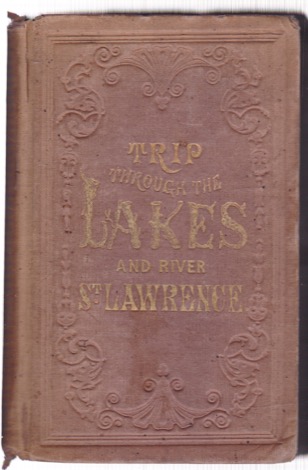
Hardcover. NY, J. Disturnell, 1st, 1857, Book: Good, Dust Jacket: None, A Trip Through the Lakes of North America: Embracing a full description of the St. Lawrence River, together with all the principal places on its banks, from its source to its mouth (1857). Hardcover, original blind-stamped tan cloth, 364 pages + ads. 2 maps, one large fold-out in rear of the Valley of the St. Lawrence River and Lake Country, b&w engravings. Binding worn, clean, overall Good+.
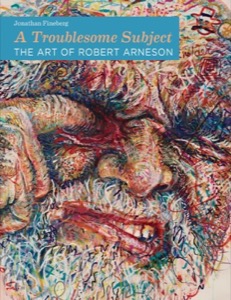
Hardcover. Berkeley/Los Angeles, University of California Press, 1st, 2013, Book: Very Good, Dust Jacket: None, Hardcover, pictorial boards, 270 pages in color and b&w. The first major book to consider the life and work of Robert Arneson, A Troublesome Subject tells the fascinating story of how a high school art teacher transformed himself into an artist of international stature and ambition. Representing the full scope of Arneson's career in a rich survey of color reproductions, this book is at once a study of the trajectory of contemporary culture, the work of Robert Arneson, and the relationship between the two. It shows how Arneson's work articulated the crisis of narcissism that has defined American culture since 1970. Jonathan Fineberg develops his ongoing work toward a psychosocial history of art as he proceeds through Arneson's career-chronicling his early life, the formation of a personal style, and finding a unique subject matter in his famous post-1970 turn to self-portraiture. Clean, bright copy.
Hardcover. Lexington, University Press of Kentucky, 1st, 2019, Book: Very Good, Dust Jacket: None, Hardcover, paper-covered boards, 172 pages. One of the most innovative films ever made, Sam Peckinpah's motion picture The Wild Bunch was released in 1969. From the outset, the film was considered controversial because of its powerful, graphic, and direct depiction of violence, but it was also praised for its lush photography, intricate camera work, and cutting-edge editing. Peckinpah's tale of an ill-fated, aging outlaw gang bound by a code of honor is often regarded as one of the most complex and impactful Westerns in American cinematic history. The issues dealt with in this groundbreaking film-violence, morality, friendship, and the legacy of American ambition and compromise-are just as relevant today as when the film first opened. To acknowledge the significance of The Wild Bunch, this collection brings together some of the leading Peckinpah scholars and critics to examine what many consider to be the director's greatest work. The book's nine essays cover an array of topics. Explored are the function of violence in the film and how its depiction is radically different from what is seen in other movies, the background of the film's production, the European response to the film's view of human nature, and the strong sense of the Texas/Mexico milieu surrounding the film's action. Clean copy.
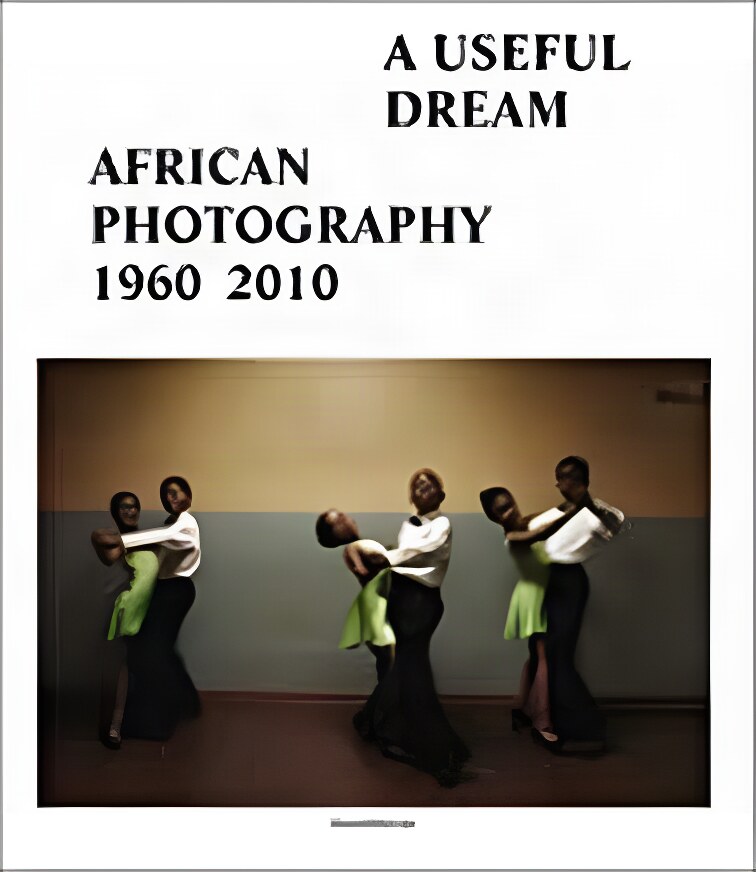
Softcover. Silvana Editoriale, 1st, 2010, Book: Very Good, Dust Jacket: None, Softcover, 192 pages. Photography has proved a particularly essential art in the African continent's postcolonial era, both for recording the numerous seismic moments in its recent history, and for reclaiming the imagery of Africa from its colonial portrayers. As Africa has begun to step beyond its colonial subjugation, photography has also assumed a leading role in providing African countries with individual identities. Tracking the blossoming of postcolonial photography in Africa from 1960 to the present, and accompanying an exhibition at the Palais des Beaux-Arts in Brussels, A Useful Dream: African Photography 1960-2010 celebrates 50 years of African photography. Among the 34 photographers gathered in its pages are Rui Assubuji, Nabil Boutros, Loulou Cherinet, James Depara, Samuel Fosso, David Goldblatt, Bob Gosani, Pierrot Men, Zwelethu Mtethwa, Eileen Perrier, Ricardo Rangel, Malick Sidibe and Patrice-Felix Tchikaya. The volume includes an introduction by Simon Njami and a text by Frank Vanhaec
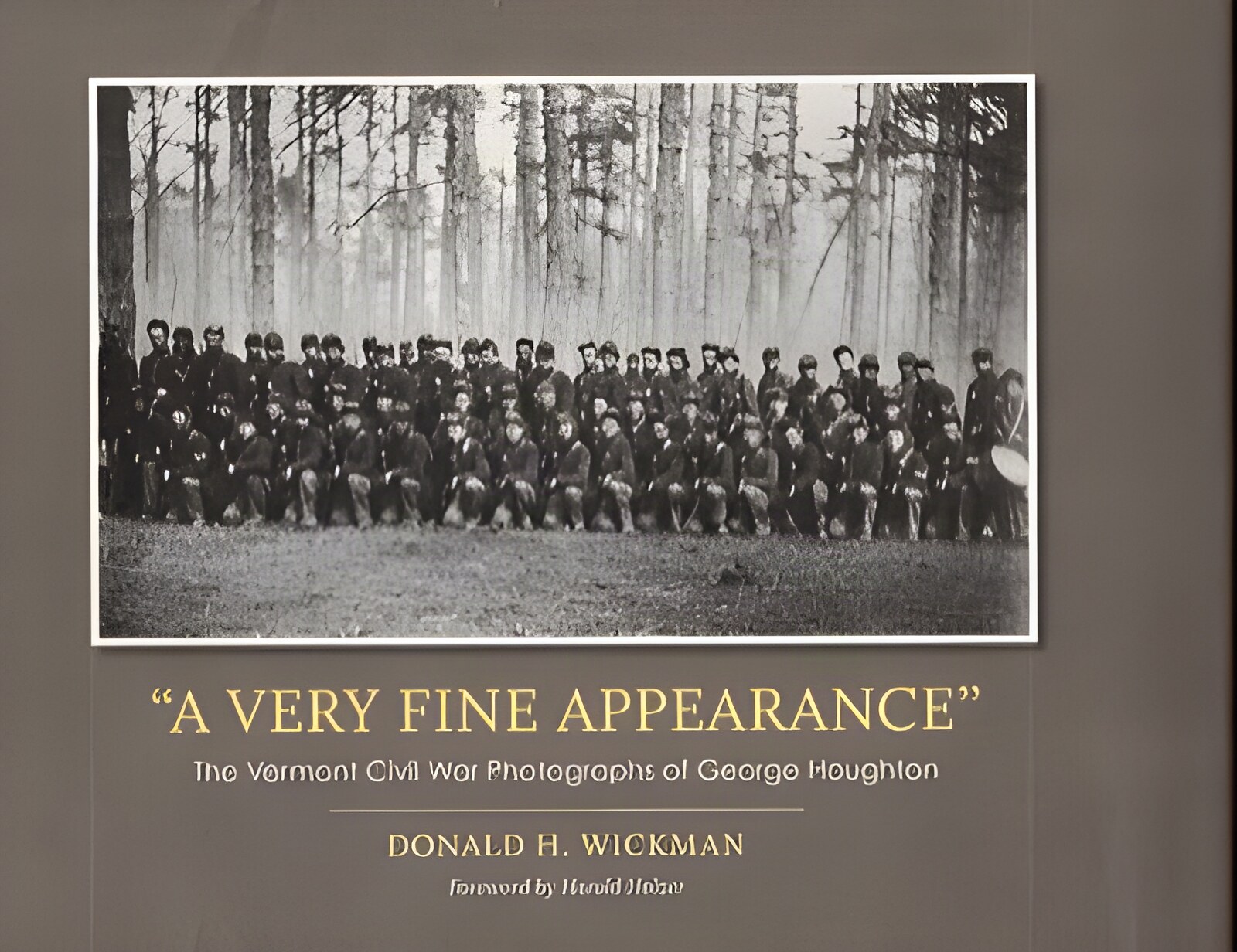
Hardcover. Barre VT, Vermont Historical Society, 1st, 2011, Book: Very Good, Dust Jacket: Very Good, Hardcover in a bright dust jacket, 232 pages. Foreword by Harold Holzer & Donald H. Wickman. A very well done book on the history of the Union Soldiers of Vermont. B&w photos. Clean copy.
Hardcover. New York, Thomas Y. Crowell, 1st, 1886, Book: Very Good, Dust Jacket: None, 462 pages. Hardcover with no dust jacket. Gilt lettering on front and spine. Previous owner's name on front and rear end papers. Gutter crack throughout.
Hardcover. Washington DC, Potomac Books, 1st, 2010, Book: Very Good, Dust Jacket: Very Good, Hardcover in a bright dust jacket, 166 pages. The attack on Pearl Harbor is one of the most perplexing cases in living memory of a weaker power seeming to believe that it could vanquish a clearly superior force. On closer inspection, however, Record finds that Japan did not believe it could win; yet, the Japanese imperial command decided to attack the United States anyway. Conventional explanations that Japan's leaders were criminally stupid, wildly deluded, or just plumb crazy don't fully answer all our questions, Record finds. Instead, he argues, the Japanese were driven by an insatiable appetite for national glory and economic security via the conquest of East Asia. The scope of their ambitions and their fear of economic destruction overwhelmed their knowledge that the likelihood of winning was slim and propelled them into a war they were always going to lose. Clean copy.


 "A Singular People: Images of Zoarby: Fernandez, Kathleen M.")
 "A Social History of Truth: Civility and Science in Seventeenth-Century Englandby: Steven Shapin")
 "A Source Book in Greek Scienceby: Cohen M R. and Drabkin I E.")
 "A Steam Odyssey: The Railroad Photographs of Victor Handby: Victor Hand , Don Phillips, et al.")


 "A Subaltern Studies Reader, 1986-1995by: Ranajit Guha (Ed.)")




 "A Third Face: My Tale of Writing, Fighting and Filmmakingby: Samuel Fuller")




 "A Uniquely American Epic: Intimacy and Action, Tenderness and Violence in Sam Peckinpah's the Wild Bunchby: Michael Bliss, Garner Simmons, et al.")

 "A War It Was Always Going to Lose: Why Japan Attacked America in 1941by: Jeffrey Record")