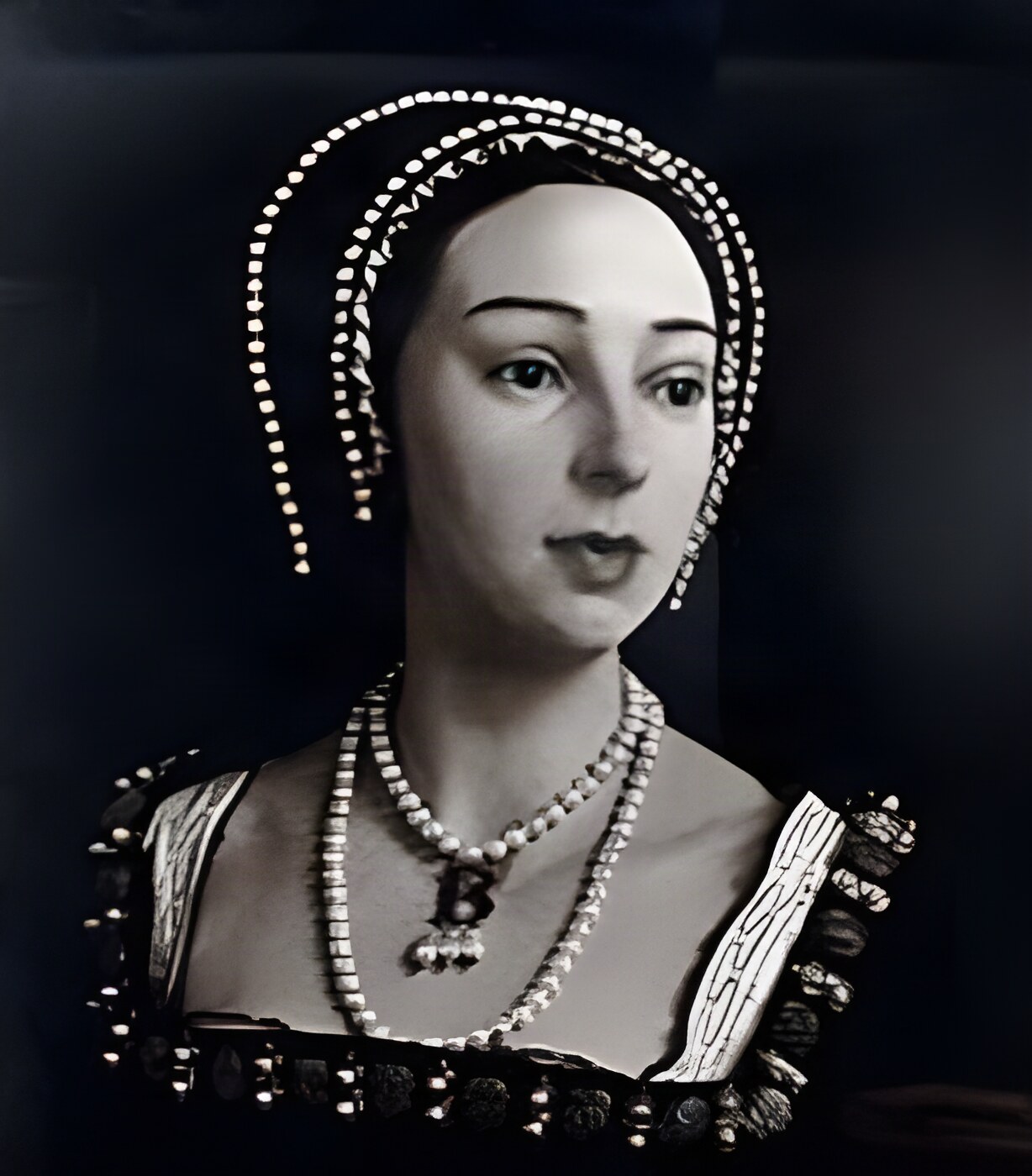
Hardcover. NY, Guggenheim / Abrams, 1st, 2000, Book: Very Good, Dust Jacket: Very Good, Hardcover in a bright dust jacket, 120 pages with 70 duotone plates. 11-1/4 x 10-1/4 inches. It seems as though the twenty-first century artist has traveled back in time nearly five hundred years to photograph his famous subjects. While Sugimoto's portraits of historical figures appear to capture a lived moment in time, they are fictions. They are Images of wax museum figures shot as portraiture. Remainder mark on top edge, otherwise clean. DOMESTIC SHIPPING ONLY.
Hardcover. New York, Abrams, 1st, 1990, Book: Very Good, Dust Jacket: Very Good, Hardcover, 144 pages. Photographs & text by James Balog. Beautifully illustrated with color photographs, taken in surreal and unnatural studio environments. Clean, bright copy in an unclipped dust jacket.
Hardcover. New York, Abrams, 1st US, 1999, Book: Very Good, Dust Jacket: Very Good, Hardcover, 251 pages. Illustrated with 200 black & white photographs by Tazio Secchiaroli. Lots of Sophia Loren. Black remainder line on bottom edge at spine. Clean, bright copy.
Hardcover. Zurich, Edition Stemmle, 1st, 2002, Book: Very Good, Dust Jacket: Very Good, Hardcover. Color, black & white photos of his parents, all done in various off-beat styles.
Softcover. NY, Collier Books, 1st, 1977, Book: Very Good, Dust Jacket: None, Softcover, large format. 175 pages, 82 b&w portraits of film directors including many who were just beginning their careers ie. Scorsese, Coppola, Spielberg and Lucas along with some of the great directors in the history of American film including Cukor, Hitchcock, Wellman and many others. Includes filmographies and some commentaries. DOMESTIC SHIPPING ONLY.
Hardcover. Dark Horse Books, 1st, 2007, Book: Very Good, Dust Jacket: Very Good, Hardcover, 216 pages. For 15 years Preston has been photographing cartoonists in their natural habitats, the studios in which they work. Revealing the faces behind the familiar drawings, Preston aims his lenses at artists engaged in virtually every realm of cartooning, including superhero comics (Alex Ross, Todd McFarlane); newspaper strips (Cathy Guisewite, Berke Breathed); alternative and underground comics (R. Crumb, the Hernandez brothers); and animation (Chuck Jones, Joseph Barbera). The best portraits capture the spirit of the subjects' work. Mad mainstay Sergio Aragones is surrounded by toy figurines. Loopy caricaturist Arnold Roth's mug sports a wacky grin. Art Spiegelman, known for his formal mastery of the comics medium, looks dead serious. The studio of gritty urban realist Frank Miller looks out on a brick wall. Most welcome are valedictory portraits of titans in the comics field who have passed on since Preston photographed them, including Will Eisner, Jack Kirby, and Carl Barks. Fans of cartooning and of photographic portraiture should enjoy Preston's evocative images of these often-reclusive figures in their working sanctums.
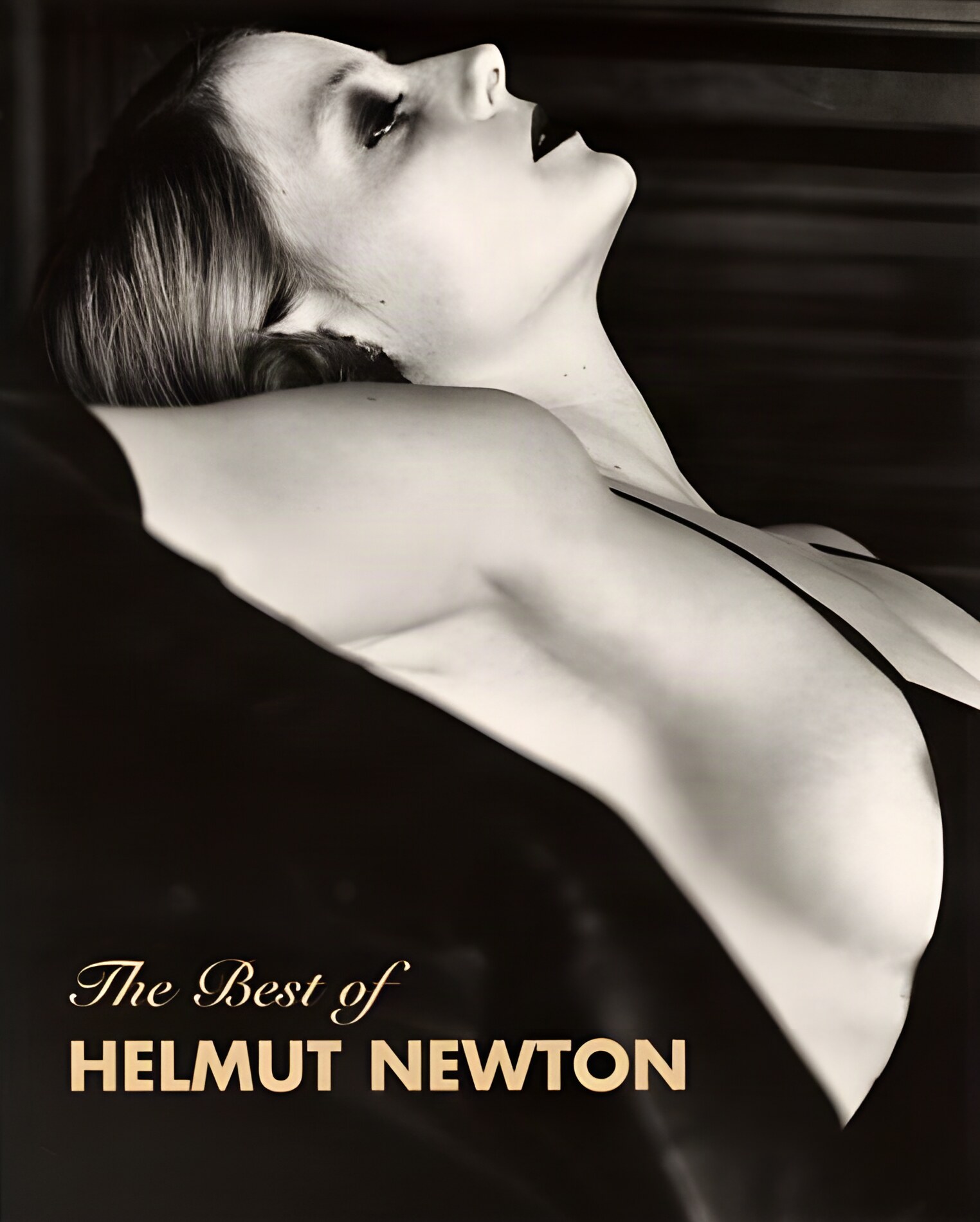
Softcover. NY, Thunders Mouth Press, 1sts thus, 1996, Book: Very Good, Dust Jacket: None, Softcover, 156 pages in color and b&w. Helmut Newton's best photographic work from the 1960's to the 1990's traveled around Europe in a major retrospective in 1993. This 1996 first printing collection contains all the icons of Newton's special fields of interest including fashion, nudes, portraits as well as works for which he became world famous: the sensational fashion photos for the British magazine Vogue, Liz Taylor with a parrot in a swimming pool, Helmut Berger naked at his fireplace, Helmut Kohl with a German oak, Salvador Dali on an IV drip, the "Big Nudes" and some of his later macabre wax figures. Clean copy.
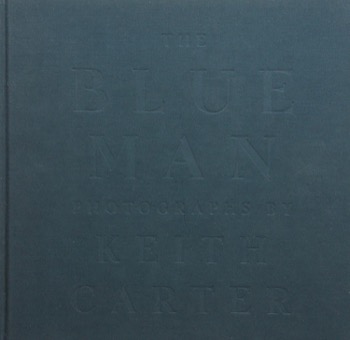
Hardcover. Houston, Rice University, 1st, 1990, Book: Very Good, Dust Jacket: None, Hardcover, embossed blue cloth covers, 143 pages. Comprised of 72 duotone images, explanatory text, and an afterword co-authored with Anne W. Tucker, this elegant book presents a view of an area of the United States often passed over; this is deep East Texas, where Keith Carter grew up. "Keith Carter's luminous, poetic photographs are moving documents of people and places where time seems to have stopped. They tell the story of hard lives lived with simple dignity outside the frantic movement and gaudy neon of the big city."--the publisher. No dust jacket, clean copy. This is a heavy and oversized book and will require extra shipping. International customers please ask for a shipping quote before purchasing.
Softcover. San Francisco, Chronicle, 1st, 1994, Softcover in a cardboard slipcase, 448 pages. The sensual curve of the shoulder, the disturbing line of a scar, the magnetic pull of a lashed eye -- since the birth of photography, images of the human body have attracted, disturbed, fascinated, and obsessed us. The body has been scrutinized by medical and anatomical photographers; it has been celebrated by photographers of sport and dance; it has inspired a long tradition of photographing the nude; and it has been depicted in phantasmagoric terms. In this rich, involving archive of over 360 duotone and color images culled from worldwide collections, renowned photo curator William A. Ewing has compiled the most comprehensive and arresting visual survey ever published of the human form. From nineteenth-century erotica to the politicized images of the 1990s, The Body offers an exciting, elegantly packaged, provocative record of the camera's infatuation with the human figure.
Hardcover. NY, Abrams, 1st, 1994, Book: Very Good, Dust Jacket: Very Good, Hardcover, 240 pages. Here, brought together for the first time, are great self-portraits of the masters of photography from the 1850s to the present, including Andre Kertesz, Nadar, Cecil Beaton, Edward Weston, Irving Penn, Duane Michals, and Cindy Sherman. A probing essay by Robert A. Sobieszek illuminates each of the 149 images.
Hardcover. NY, Metropolitan Museum of Art/ The Viking Press, 1st, 1978, Book: Very Good, Dust Jacket: Very Good, Hardcover in a lightly worn dust jacket. In addition to being one of the preeminent American photographers of the late 19th and early 20th centuries, Alfred Stieglitz was an avid collector of the works of other photographers. From 1894-1910, he collected over 650 prints from a variety of photographers. He donated 400 of these to the Metropolitan Museum of Art in 1939, and the balance was given in a bequest to the museum in 1949. Photographers included in the collection include Edward Steichen, Gertrude Kasebier, Baron de Meyer, Ansel Adams, Eliot Porter, and Julia Margaret Cameron. This substantial volume was produced by Weston Naef, who was Associate Curator of Prints and Photographs at The Metropolitan Museum of Art. It includes a black-and-white reproduction of all the photographs in the Stieglitz Collection, some full-page and many in smaller size. It also includes details about, and portraits and signatures of each of the painters. Small closed tears to dust jacket, otherwise a clean, bright copy.
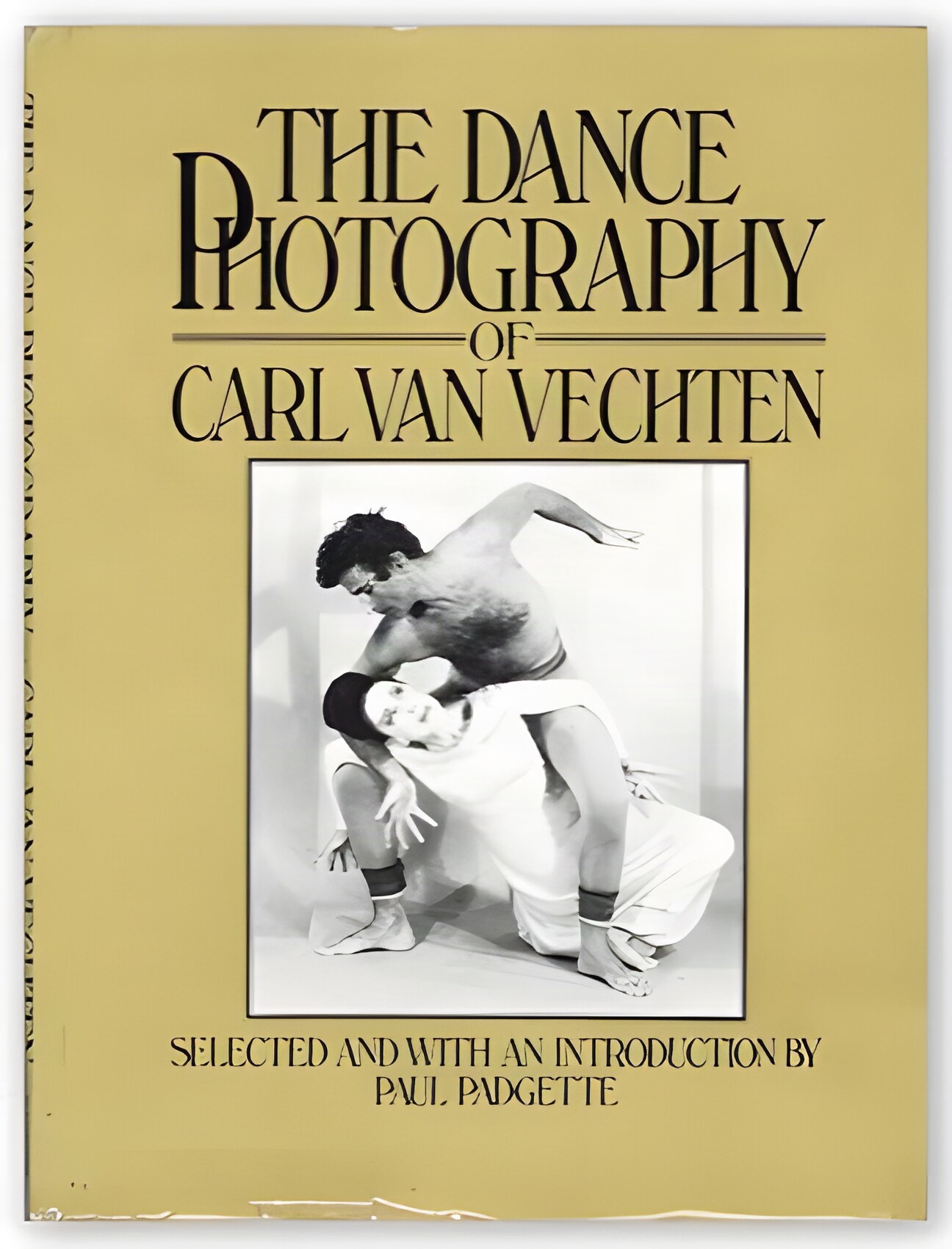
Hardcover. NY, Schirmer Books , 1st, 1981, Book: Very Good, Dust Jacket: Very Good, Hardcover in a bright dust jacket. Photographs from the thirties and forties show dancers in their roles, composers, set and costume designers, and other performers.
Hardcover. London, Carpet Bombing Culture, 1st, 2015, Book: Very Good, Dust Jacket: None, Hardcover, illustrated boards. 216 pages, b&w photos. A unique collection of portraits personally selected by one of the UKs foremost portrait photographers covering alternative London's unique counter-cultural history from Punks, New Romantics, Goths, Disco Queens, Soul Boys, Fetish Worshippers, Rockers, Cyberpunks, Ravers, Clubbers and Party Animals. Derek Ridgers has been a feature in the clubs and on the streets of the capital for over 50 years - indulging in his obsession for documenting the people dressed up for the glorious night.
Hardcover. Cambridge MA, The MIT Press, 1st, 2016, Book: Very Good, Dust Jacket: Very Good, Hardcover in a bright dust jacket. The daguerreotype, invented in France, came to America in 1839. By 1851, this early photographic method had been improved by American daguerreotypists to such a degree that it was often referred to as "the American process." The daguerreotype-now perhaps mostly associated with stiffly posed portraits of serious-visaged nineteenth-century personages-was an extremely detailed photographic image, produced though a complicated process involving a copper plate, light-sensitive chemicals, and mercury fumes. It was, as Sarah Kate Gillespie shows in this generously illustrated history, something wholly and remarkably new: a product of science and innovative technology that resulted in a visual object. It was a hybrid, with roots in both fine art and science, and it interacted in reciprocally formative ways with fine art, science, and technology. Gillespie maps the evolution of the daguerreotype, as medium and as profession, from its introduction to the ascendancy of the "American process," tracing its relationship to other fields and the professionalization of those fields. She does so by recounting the activities of a series of American daguerreotypists, including fine artists, scientists, and mechanical tinkerers. She describes, for example, experiments undertaken by Samuel F. B. Morse as he made the transition from artist to inventor; how artists made use of the daguerreotype, both borrowing conventions from fine art and establishing new ones for a new medium; the use of the daguerreotype in various sciences, particularly astronomy; and technological innovators who drew on their work in the mechanical arts.
Hardcover. Zurich, Scalo/DAP, 1st, 1997, Book: Very Good, Dust Jacket: None, Hardcover, 267 pages. Liz Jobey's brief but illuminating introduction brings cohesion to thie fab book of photos of EMI pop and rock musicians of the late 1950's and the 1960's. It's EMI, and only EMI, but considering the artists who once signed with this British label, including the Beatles, Little Richard, David Bowie, Jeff Beck Group, Rod Stewart, Pretty Things, Pink Floyd, Steppenwolf, (Sir) Cliff Richards, Three Dog Night, Chubbie Checkers, Spencer Davis Group, the Yardbirds--EMI's talent pool was as rich as any label. The most only obvious omissions among the Brits (i.e., EMI never signed them) would probably be the Stones, the Who, and the Kinks. The photographs are enjoyable as kitsch, as a window into period fashion and sensibilities, and, occasionally, as great photography.
Softcover. Austin TX, University of Texas Press, 3rd Pr., 1994, Book: Very Good, Dust Jacket: None, Softcover, 264 pages including appendices, bibliography and index. Profusely illustrated with b&w and color photographs. Superb images, portraits of individuals and family groups, and their arts, convey a quality of intimacy and serenity. Scenes of daily activity show many details of the way the Navajos life has been lived. Clean, bright copy. DOMESTIC SHIPPING ONLY.
Hardcover. NY, Aperture, 1st, 1978, Book: Very Good, Dust Jacket: Very Good, Hardcover, 160 pages. An evocative and candid collection of some of the first photographs made in that country. Along with descriptive captions, these images describe the daily life and surroundings of an era now passed. The people are as seen through Western eyes, and the places are as traversed by foreigners. These early photographers were explorers and adventurers. They lugged huge cameras with heavy glass plates over rugged, unfamiliar terrain. Interspersed throughout the book are passages from significant texts and travelers' diaries, observations and opinions that echo and illuminate the images. For many Chinese, these photographers were the first white faces ever seen, and they carried with them previously undreamed-of contraptions. For all this, there is an unguarded air to many of the portraits, and the street scenes have the candid look of today's street photographer.
Hardcover. Chicago, University of Chicago Press , 1st, 2015, Book: Very Good, Dust Jacket: Very Good, Hardcover in a bright dust jacket. 280 pages. Preface by Geoff Dyer. Essay by David Van Reybrouck. Includes 20 color plates and 80 halftones. Still in publisher's shrinkwrap. The First World War presents a startlingly different perspective, one based on rare glass plate photographs, that reveals the war with previously unseen, even uncanny, clarity. Scanned from the original plates, with scratches and other flaws expertly removed, these oversized reproductions offer a wealth of unusual moments, including scenes of men in training, pictures of African colonial troops on the Western front, landscapes of astonishing destruction, and postmortem portraits of Belgian soldiers killed in action. Readers previously familiar with only black-and-white or sepia-toned prints of the hostilities will be riveted by the book's many authentic color photographs, products of the early autochrome method. From children playing war games to a wrenching deathbed visit, these images are extraordinary not only for their subject matter, but also for the wide range of emotions they evoke.
Softcover. Germany, Steidl, 1st, 2015, Book: Very Good, Dust Jacket: None, 96 pages. Softcover. Very clean, unmarked copy still in publishers shrink-wrap. Color photographs throughout. This combination of portraiture, still-life and landscape photography mirrors the eclectic influences and materials which Ghesquiere synthesizes in his collections a bold, unconventional flow whereby innovation unceasingly rejuvenates tradition.
Softcover. Germany, Steidl, 1st, 2015, Book: Very Good, Dust Jacket: None, 96 pages. Softcover. Very clean, unmarked copy still in publishers shrink-wrap. Color photographs throughout. This combination of portraiture, still-life and landscape photography mirrors the eclectic influences and materials which Ghesquiere synthesizes in his collections a bold, unconventional flow whereby innovation unceasingly rejuvenates tradition.
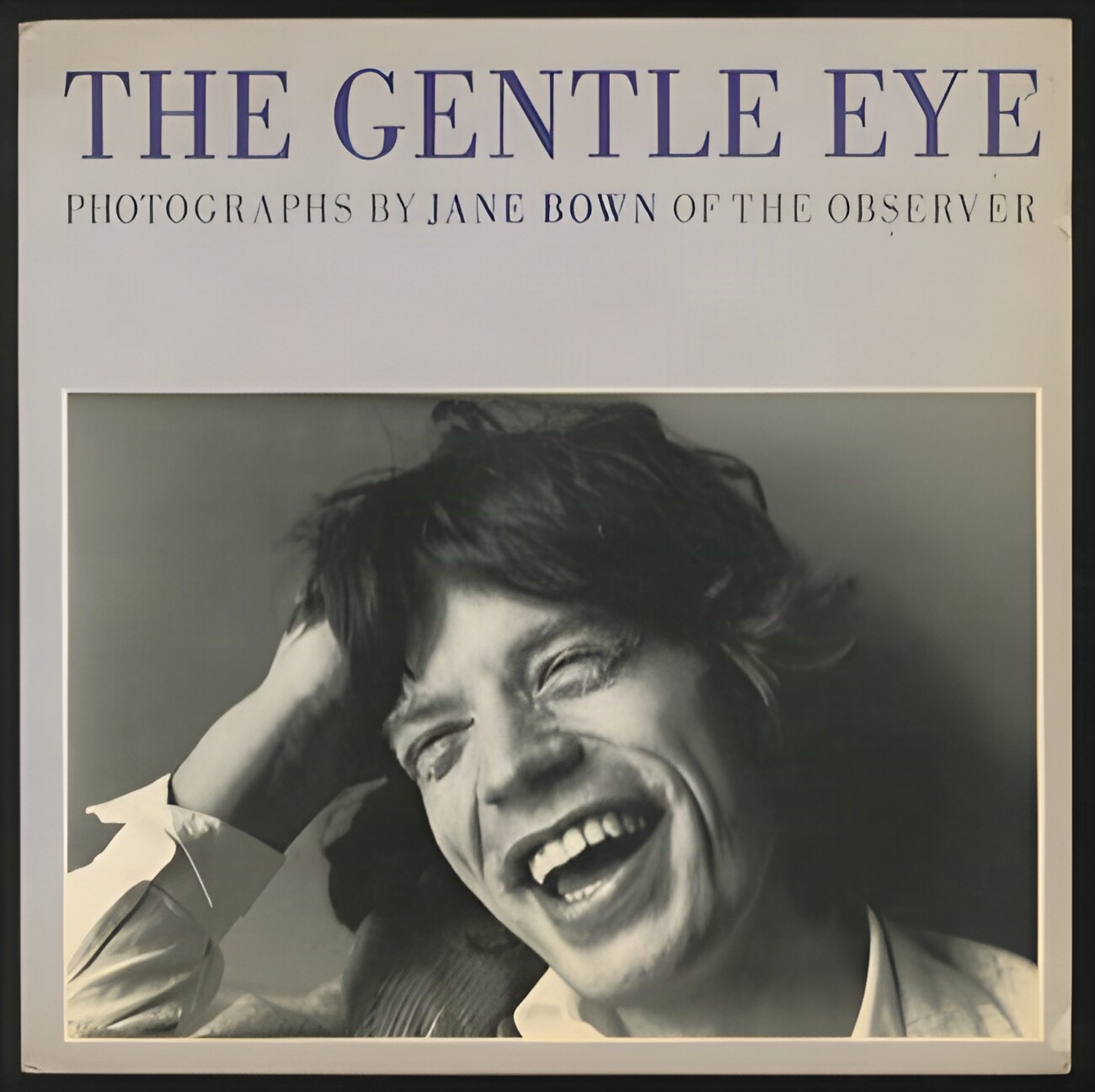
Softcover. London, The Observer/Thames & Hudson, 1st, 1980, Book: Very Good, Dust Jacket: None, Softcover, 120 full-page black-and white plates. Semi-stiff pictorial covers, titled in purple. Published to accompany an exhibition at the National Portrait Gallery. Introduction by Patrick O'Donovan. This collection showcases the distinctive photographic work of Jane Bown, a renowned British photographer known for her ability to capture candid and evocative portraits with a "gentle eye." Clean, bright copy.
Hardcover. New York, Crown Publishers, 1st, 1988, Book: Very Good, Dust Jacket: Very Good, 255 pages, illustrated throughout in color. Light shelf-wear to dust jacket, else a clean, tight copy. "The Guards, a body of some 5500 officers and men whose special task it is to protect the British sovereign are the oldest and perhaps the most unusual military institution in the West. They are not just gorgeously caparisoned performers marching up and down outside the royal palaces in London and Windsor...they are also a highly disciplined and versatile military formation, found wherever the British army is called upon to soldier, from the jungles of Central America to the mean streets of Belfast." Many color photographs.
Hardcover. Museums of San Francisco/ DelMonico Books, 1st, Book: Very Good, Dust Jacket: Very Good, Hardcover in a bright dust jacket. In 1974 the photojournalist and art photographer Steve Kahn began a series of provocative black-and-white Polaroids of porn-industry models posing in seedy Hollywood apartments. What began as an exploration of staged photography and portraiture evolved over the next three years into "The Hollywood Suites," a multi-faceted conceptual project in which Kahn turned his lens away from the models to deconstruct their seemingly mundane and monotonous surroundings. Endlessly fascinating, Kahn's series touches on myriad themes including bondage, containment, isolation, and the poetics of absence. This volume includes more than 100 works arranged in chronological groupings based on the original Polaroid film sessions and features essays that offer a scholarly assessment of a groundbreaking work. Published on the occasion of the exhibition "Steve Kahn: The Hollywood Suites" at the de Young museum, San Francisco, from September 9, 2018 to March 31, 2019.
Hardcover. Museums of San Francisco/ DelMonico Books, 1st, Book: Very Good, Dust Jacket: Very Good, Hardcover in a bright dust jacket. In 1974 the photojournalist and art photographer Steve Kahn began a series of provocative black-and-white Polaroids of porn-industry models posing in seedy Hollywood apartments. What began as an exploration of staged photography and portraiture evolved over the next three years into "The Hollywood Suites," a multi-faceted conceptual project in which Kahn turned his lens away from the models to deconstruct their seemingly mundane and monotonous surroundings. Endlessly fascinating, Kahn's series touches on myriad themes including bondage, containment, isolation, and the poetics of absence. This volume includes more than 100 works arranged in chronological groupings based on the original Polaroid film sessions and features essays that offer a scholarly assessment of a groundbreaking work. Published on the occasion of the exhibition "Steve Kahn: The Hollywood Suites" at the de Young museum, San Francisco, from September 9, 2018 to March 31, 2019.

 "Survivors: A New Vision of Endangered Wildlifeby: Balog, James")
 "Tazio Secchiaroli - Greatest of the Paparazziby: Mormorio, Diego")
 "Thai-Cong My Parents - An Homage to Fashion, Photography and Lifeby: Tai-Cong")
 "The American Film Directors by: Lambray, Maureen")
 "The Artist Withinby: Preston, Greg")


 "The Body: Photographs of the Human Formby: Ewing, William")
 "The Camera I: Photographic Self-Portraits from the Audrey and Sydney Irmas Collectionby: Robert A. Sobieszek and Deborah Irmas")
 "The Collection of Alfred Stieglitz: Fifty Pioneers of Modern Photography by: Naef, Weston")
 "The Dark Carnival: Portraits from the Endless Night by: Ridgers, Derek (Photographer)")


 "The Early American Daguerreotype: Cross-Currents in Art and Technologyby: Sarah Kate Gillespie")


 "The Face of China: As Seen by Photographers and Travelers 1860-1912by: L. Carrington Goodrich and Nigel Cameron")
 "The First World War: Unseen Glass Plate Photographs of the Western Front by Carl De Keyzerby: Carl De Keyzer/David Van Reybrouck")
 "The Flow: Louis Vuitton, Spring-Summer 2015by: Teller, Juergen (Photographer)")
 "The Flow: Louis Vuitton, Spring-Summer 2015by: Teller, Juergen (Photographer)")
 "The Guardsby: Jorre, John De St")
 "The Hollywood Suitesby: Steve Kahn")
 "The Hollywood Suitesby: Steve Kahn")