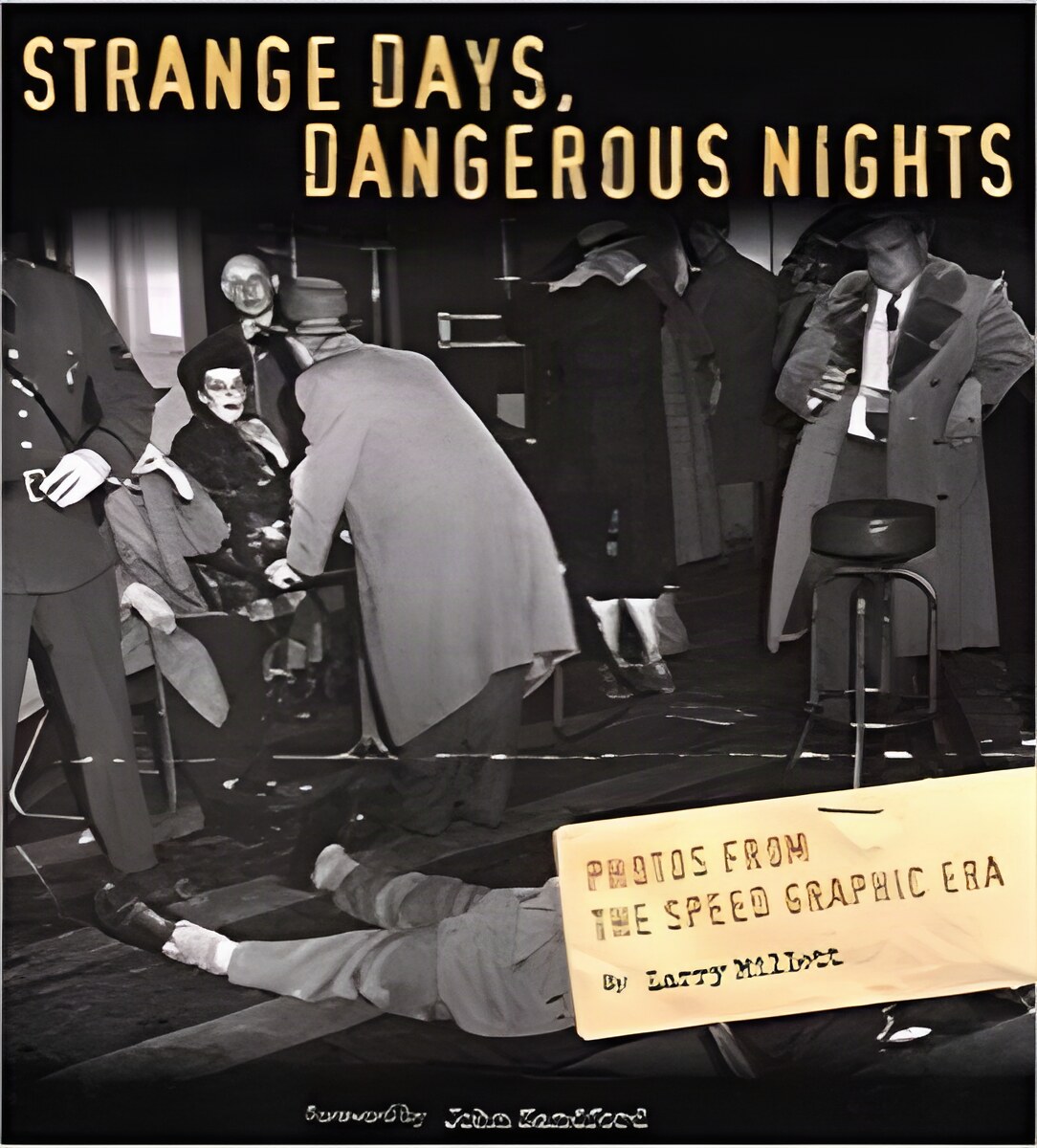
Softcover. Wooster, College of Wooster Art Museum, The, 1st, 2000, Book: Very Good, Dust Jacket: Very Good, 55 pages. Softcover. Minor wear to cover edges. Full page black & white photographs throughout. Clean unmarked text.
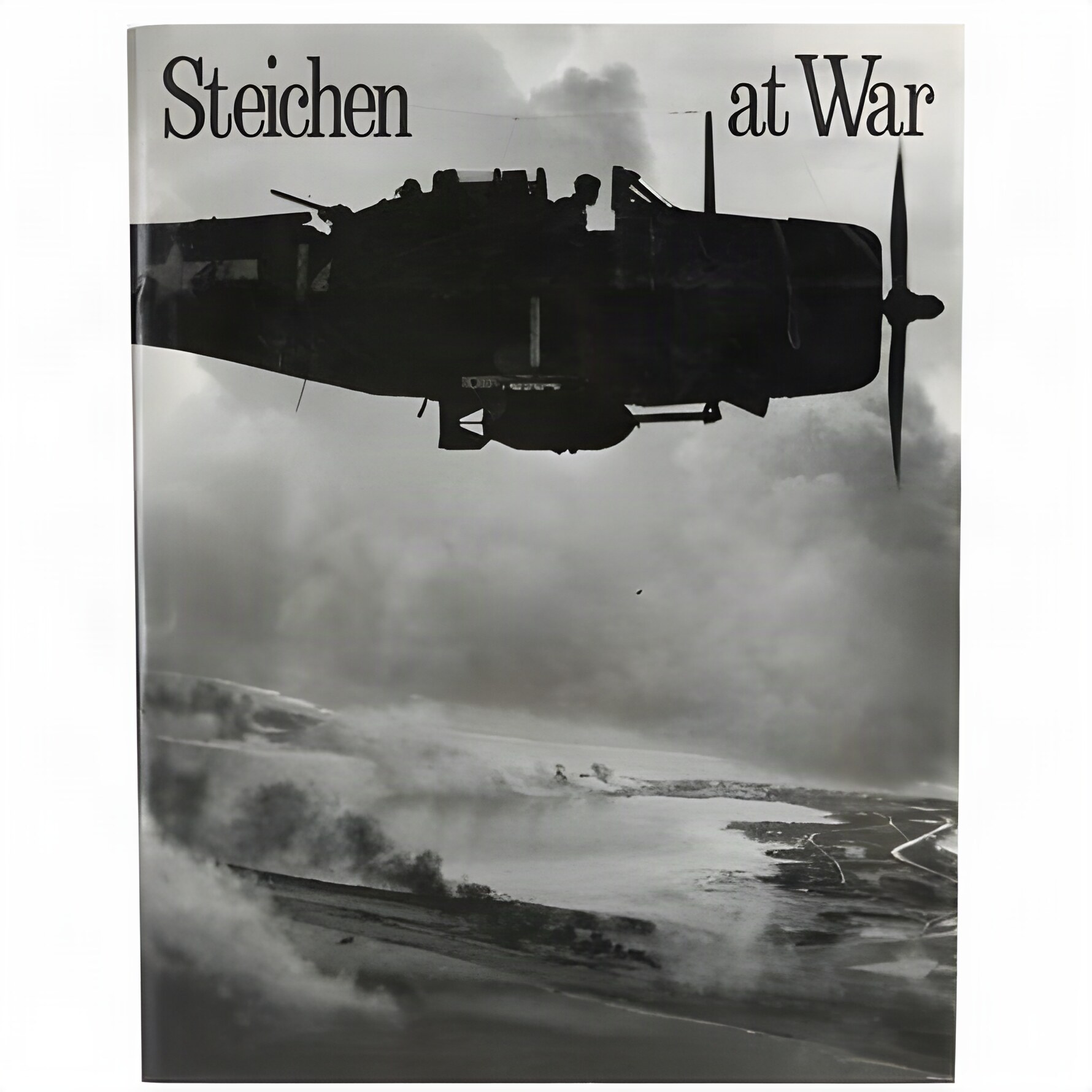
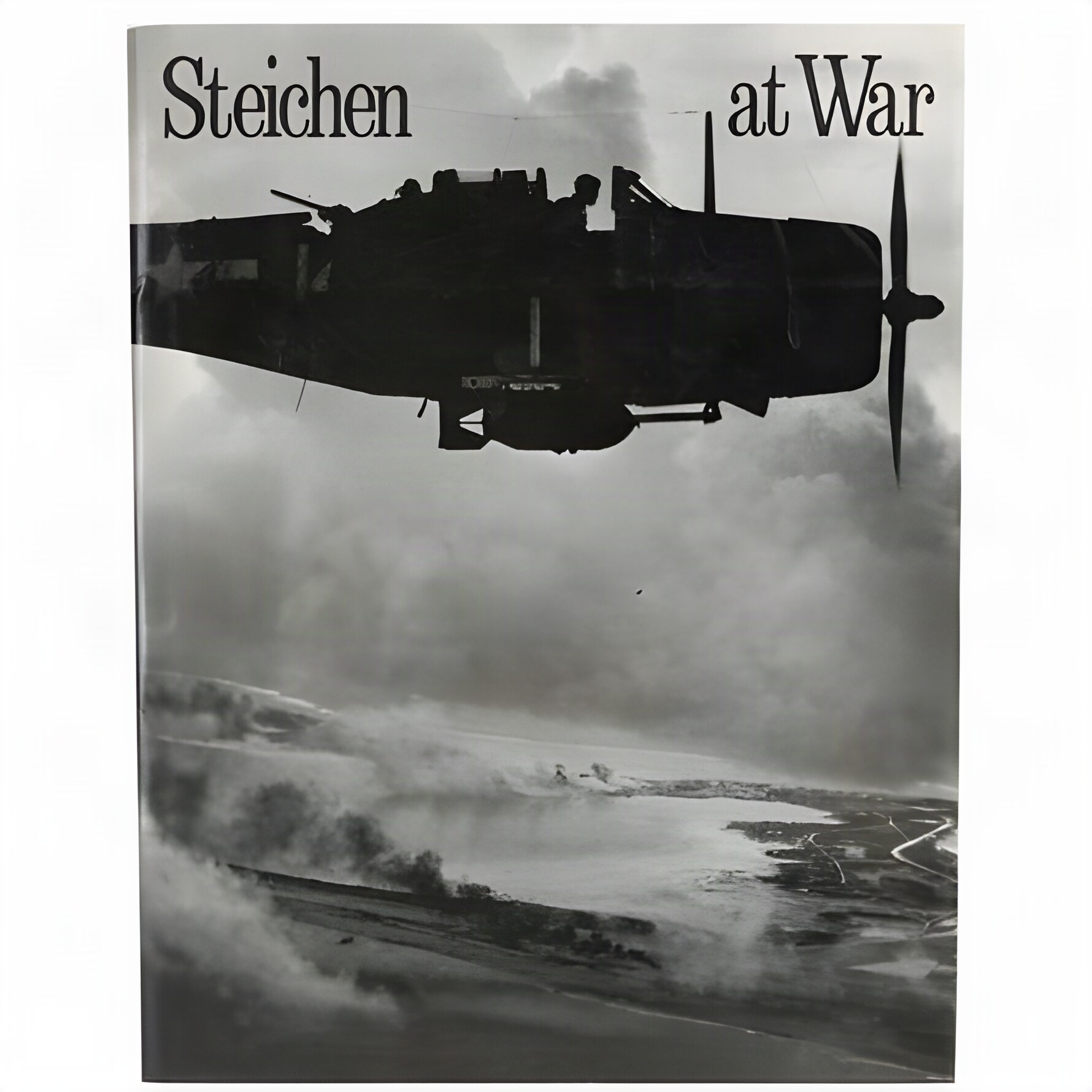
Hardcover. NY, Abrams, 1st, 1981, Book: Very Good, Dust Jacket: Very Good, Hardcover, 256 pages, in a bright, unclipped dust jacket. Edward Steichen virtually created the world of high fashion and advertising photography, but his military coverage of two World Wars was equally remarkable. He received the Croix de Guerre for pioneering photoreconnaissance as part of Pershing's American Expeditionary Force in 1918, and his team's shots of the American Navy's advance across the Pacific from 1942 to 1945 form the visual core of our memory of that crucial period. Tragically, however, Steichen's thousands of incisive images of military action were dissolved into the morass of the National Archives, and attempts to retrieve specific subjects of his are often as effective as trying to taste fine brandy after pouring it into a swimming pool. Hence the value of retrospectives such as Christopher Phillips' hefty book on Steichen's coverage of the U.S. Navy in the Pacific War. Combining skillfully chosen anecdotes from Steichen's life with vivid evocation of the pioneering photographer's joy in capturing memorable images, Phillips gives us not only an unforgettable slice of Steichen's work but also enough historical background to let readers sense the excitement and drama of a nation's best young warriors fighting for freedom's sake. Lieutenant Commander Steichen's parade of images didn't begin until after the pivotal Battle of Midway in June 1942, but the ensuing carrier warfare and savage island fighting appear in unforgettable clarity. As in all great photographs, the humanity of the subjects shines through amid their triumph, or pain, or mere existence. Students of both military history and photography can spend days poring over these astonishingly revealing images.
Hardcover. NY, Abrams, 1st, 1981, Book: Very Good, Dust Jacket: Very Good, Hardcover, 256 pages, in a bright, unclipped dust jacket. Edward Steichen virtually created the world of high fashion and advertising photography, but his military coverage of two World Wars was equally remarkable. He received the Croix de Guerre for pioneering photoreconnaissance as part of Pershing's American Expeditionary Force in 1918, and his team's shots of the American Navy's advance across the Pacific from 1942 to 1945 form the visual core of our memory of that crucial period. Tragically, however, Steichen's thousands of incisive images of military action were dissolved into the morass of the National Archives, and attempts to retrieve specific subjects of his are often as effective as trying to taste fine brandy after pouring it into a swimming pool. Hence the value of retrospectives such as Christopher Phillips' hefty book on Steichen's coverage of the U.S. Navy in the Pacific War. Combining skillfully chosen anecdotes from Steichen's life with vivid evocation of the pioneering photographer's joy in capturing memorable images, Phillips gives us not only an unforgettable slice of Steichen's work but also enough historical background to let readers sense the excitement and drama of a nation's best young warriors fighting for freedom's sake. Lieutenant Commander Steichen's parade of images didn't begin until after the pivotal Battle of Midway in June 1942, but the ensuing carrier warfare and savage island fighting appear in unforgettable clarity. As in all great photographs, the humanity of the subjects shines through amid their triumph, or pain, or mere existence. Students of both military history and photography can spend days poring over these astonishingly revealing images. DOMESTIC SHIPPING ONLY.
Hardcover. NY, Abrams, 1st, 1981, Book: Very Good, Dust Jacket: Very Good, Hardcover, 256 pages, in a bright, unclipped dust jacket. Edward Steichen virtually created the world of high fashion and advertising photography, but his military coverage of two World Wars was equally remarkable. He received the Croix de Guerre for pioneering photoreconnaissance as part of Pershing's American Expeditionary Force in 1918, and his team's shots of the American Navy's advance across the Pacific from 1942 to 1945 form the visual core of our memory of that crucial period. Tragically, however, Steichen's thousands of incisive images of military action were dissolved into the morass of the National Archives, and attempts to retrieve specific subjects of his are often as effective as trying to taste fine brandy after pouring it into a swimming pool. Hence the value of retrospectives such as Christopher Phillips' hefty book on Steichen's coverage of the U.S. Navy in the Pacific War. Combining skillfully chosen anecdotes from Steichen's life with vivid evocation of the pioneering photographer's joy in capturing memorable images, Phillips gives us not only an unforgettable slice of Steichen's work but also enough historical background to let readers sense the excitement and drama of a nation's best young warriors fighting for freedom's sake. Lieutenant Commander Steichen's parade of images didn't begin until after the pivotal Battle of Midway in June 1942, but the ensuing carrier warfare and savage island fighting appear in unforgettable clarity. As in all great photographs, the humanity of the subjects shines through amid their triumph, or pain, or mere existence. Students of both military history and photography can spend days poring over these astonishingly revealing images.
Hardcover. NY, Oxford University Press, 1973, Book: Very Good, Dust Jacket: Very Good, Hardcover in a bright, lightly worn dust jacket, 993 pages. A biography of the "Little Giant from Illinois", Lincoln's highly influential opponent for the Presidency in 1860. Name on front fly leaf, otherwise clean.
Hardcover. New York, NY, Bulfinch, 1st, 2005, Book: Very Good, Dust Jacket: Very Good, 271 pages. Hardcover. Color and B/w illustrations throughout. Dust jacket unclipped, excellent. Decorated cover boards, decorated endpapers. Binding tight, pages clean. Spine straight. In beautiful condition. A lavishly illustrated, fun, and informative look at more than 400 films of the decade of the 1970's. Features an interview with Peter Bogdanovich.
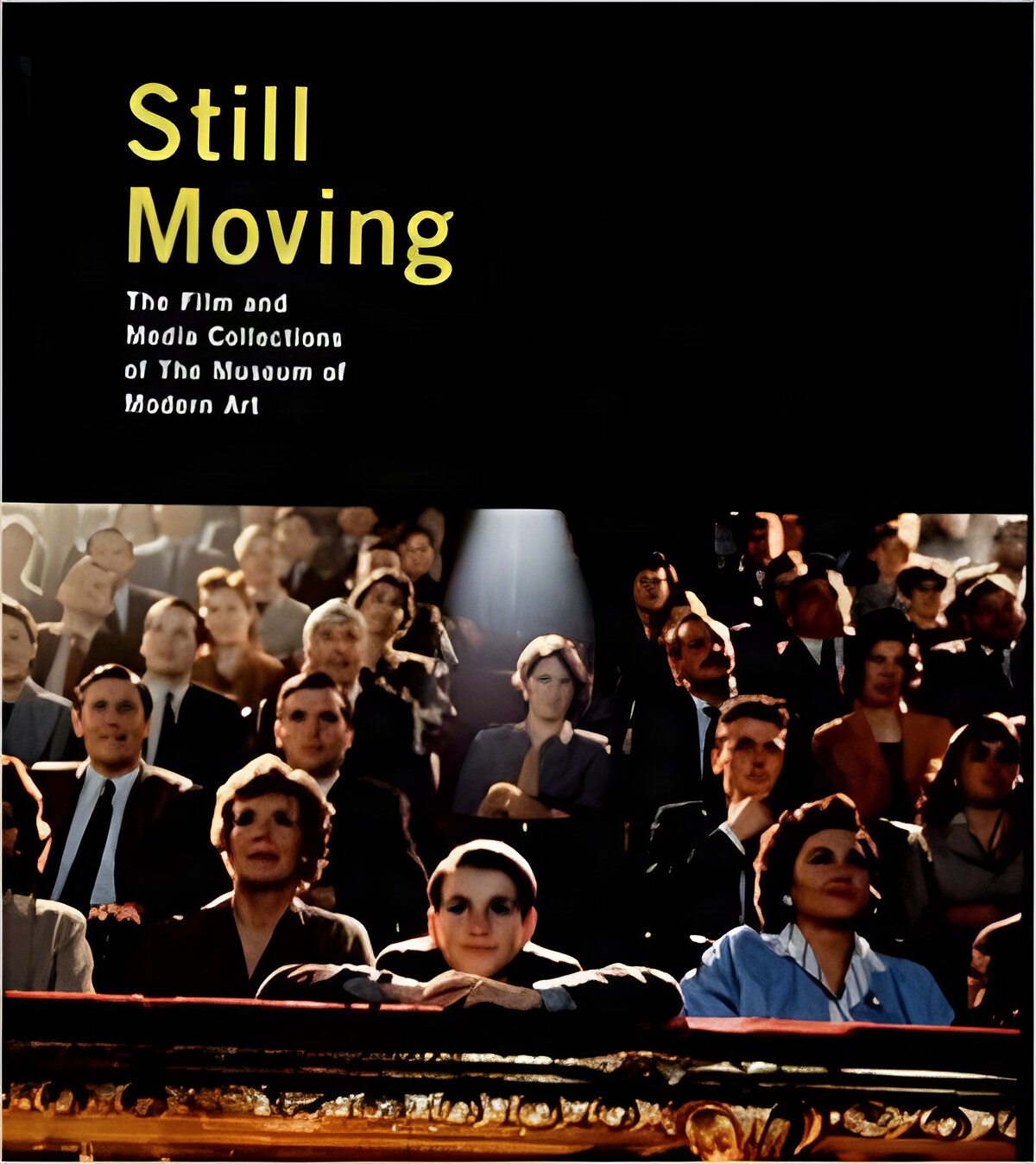
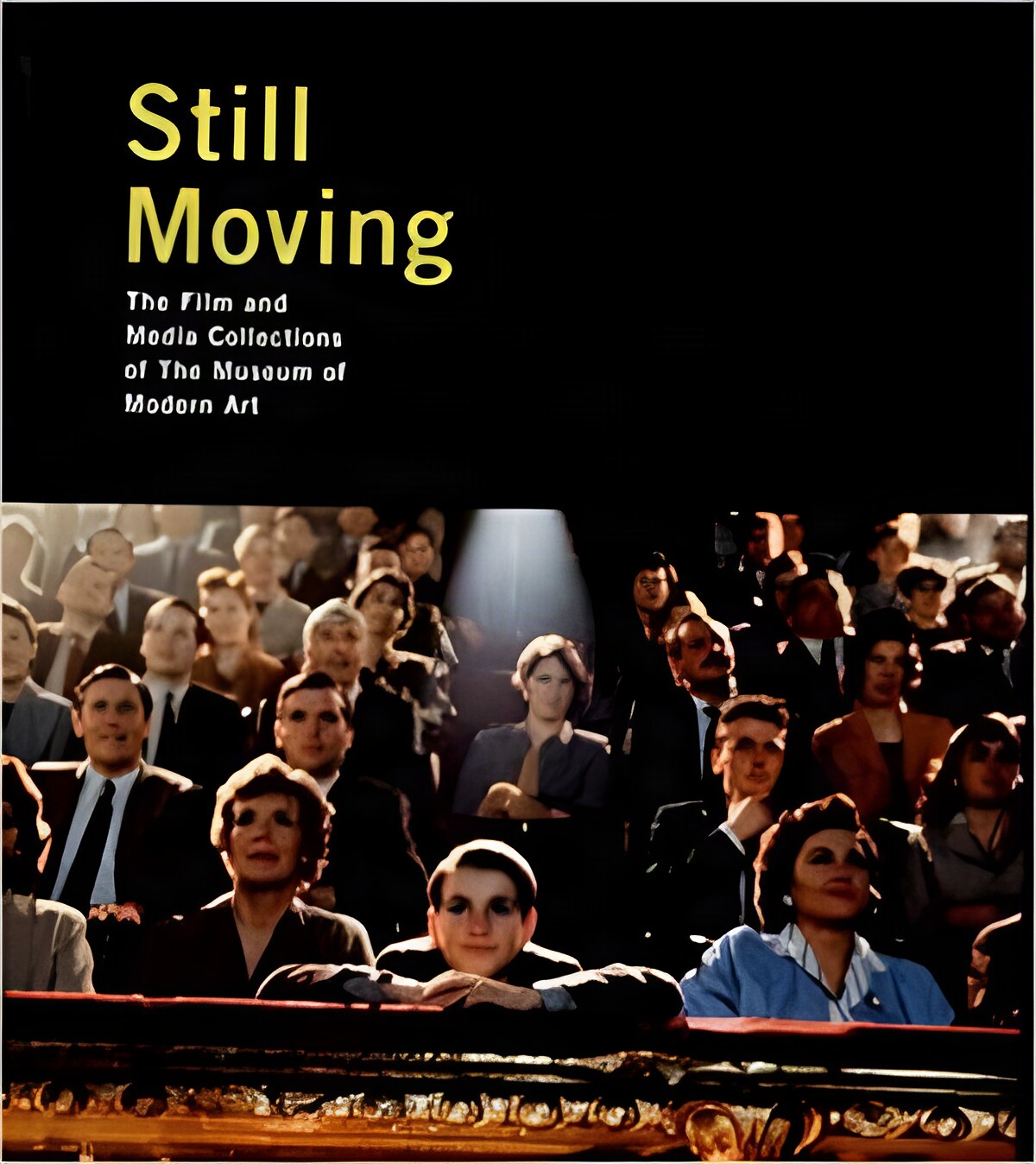
Hardcover. New York, The Museum of Modern Art, New York, 1st, 2006, Book: Very Good, Dust Jacket: None, Hardcover, 375 pages, illustrated throughout in color and b&w. Clean, unmarked copy in excellent condition. 507 illustrations (108 in color, 399 in duotone). Founded in 1935, The Museum of Modern Art's Department of Film and Media is home to one of the most important moving-image archives in the world. Still Moving: The Film and Media Collections of The Museum of Modern Art marks the first time that MoMA has published a volume dedicated exclusively to these holdings. Drawn primarily from the Museum's vast library of film stills, the nearly 500 images in this book represent just a fraction of the department's renowned archive, including one of the world's most important collections of international silent cinema; classic early sound films from the United States, Great Britain, France, Germany, Italy, Russia, and Japan; extensive holdings of documentary and animation shorts and feature films; significant examples of Hollywood filmmaking from studios such as Warner Brothers, RKO, MGM, Twentieth Century-Fox, and Paramount; and more recent works by leading independent and avant-garde film and media artists.
Hardcover. New York, The Museum of Modern Art, New York, 1st, 2006, Book: Very Good, Dust Jacket: None, Hardcover, 375 pages, illustrated throughout in color and b&w. Clean, unmarked copy in excellent condition. 507 illustrations (108 in color, 399 in duotone).
Hardcover. New York, The Museum of Modern Art, 1st, 2006, Book: Very Good, Dust Jacket: None, Hardcover, 375 pages, illustrated throughout in color and b&w. Clean, unmarked copy in excellent condition. 507 illustrations (108 in color, 399 in duotone). Founded in 1935, The Museum of Modern Art's Department of Film and Media is home to one of the most important moving-image archives in the world. Still Moving: The Film and Media Collections of The Museum of Modern Art marks the first time that MoMA has published a volume dedicated exclusively to these holdings. Drawn primarily from the Museum's vast library of film stills, the nearly 500 images in this book represent just a fraction of the department's renowned archive, including one of the world's most important collections of international silent cinema; classic early sound films from the United States, Great Britain, France, Germany, Italy, Russia, and Japan; extensive holdings of documentary and animation shorts and feature films; significant examples of Hollywood filmmaking from studios such as Warner Brothers, RKO, MGM, Twentieth Century-Fox, and Paramount; and more recent works by leading independent and avant-garde film and media artists.
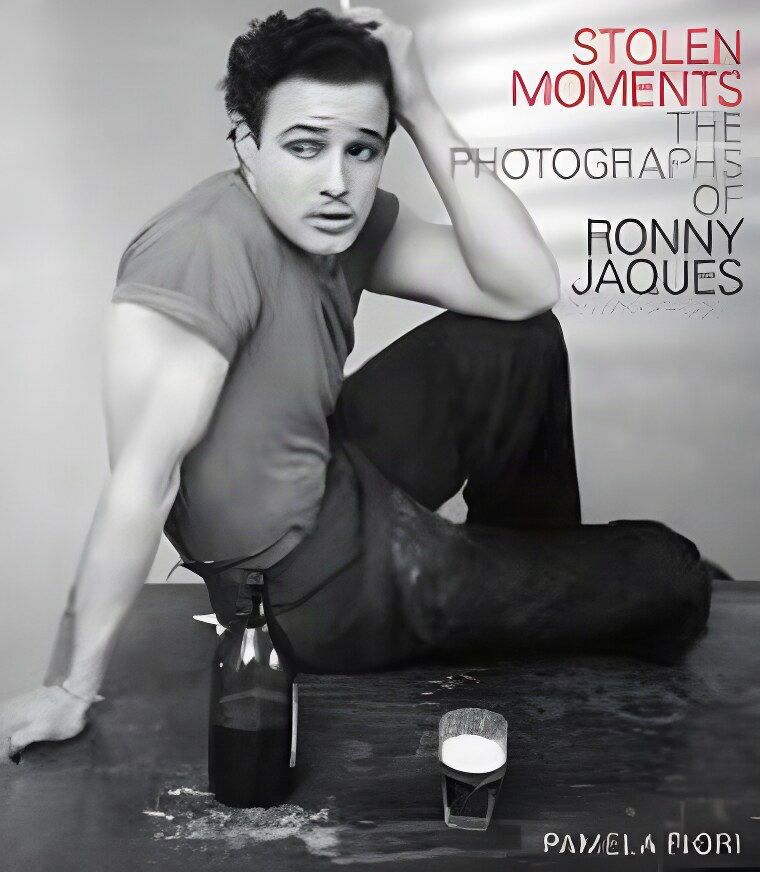
Hardcover. New York, Glitterati Incorporated, 1st, 2008, Book: Very Good, Dust Jacket: Very Good, Hard cover, 128 pages. Clean, unmarked copy with only minor wear to dust jacket. Relatively unknown peer of innovative photographers Slim Aarons and Richard Avedon, Ronny Jaques' photographs captured the fashion, travel, food and lifestyle scenes for magazines like Town & Country, Harper's Bazaar, and Gourmet, where he established himself as the first true innovator of food photography. His work is chronicled and explained for the first time in book form by fashion luminary and friend, Pamela Fiori, editor for the past fifteen years of Town & Country magazine.
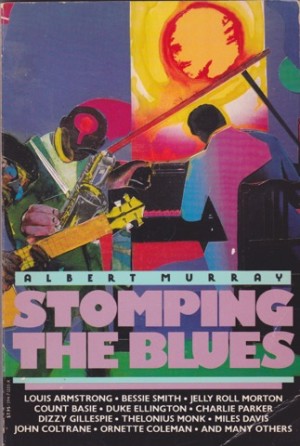
Softcover. NY, Vintage Books, reprint, 1982, Book: Very Good, Dust Jacket: None, Softcover, pictorial wrappers, 264 pages, b&w illustrations. In this classic work of American music writing, renowned critic Albert Murray argues beautifully and authoritatively that the blues as such are synonymous with low spirits. Not only is its express purpose to make people feel good, which is to say in high spirits, but in the process of doing so it is actually expected to generate a disposition that is both elegantly playful and heroic in its nonchalance. In Stomping the Blues Murray explores its history, influences, development, and meaning as only he can. More than two hundred vintage photographs capture the ambiance Murray evokes in lyrical prose. Only the sounds are missing from this lyrical, sensual tribute to the blues. Originally published in 1976. Name on front fly leaf, otherwise clean with mild shelf wear.
Hardcover. San Rafael, CA, Presidio Press, 1st, 1978, Book: Very Good, Dust Jacket: None, 202 pages. Hardcover. B/w illustrations throughout. Gilt title on spine. Deckled edges. A touch of foxing to top edge, otherwise clean inside and out. In great shape.
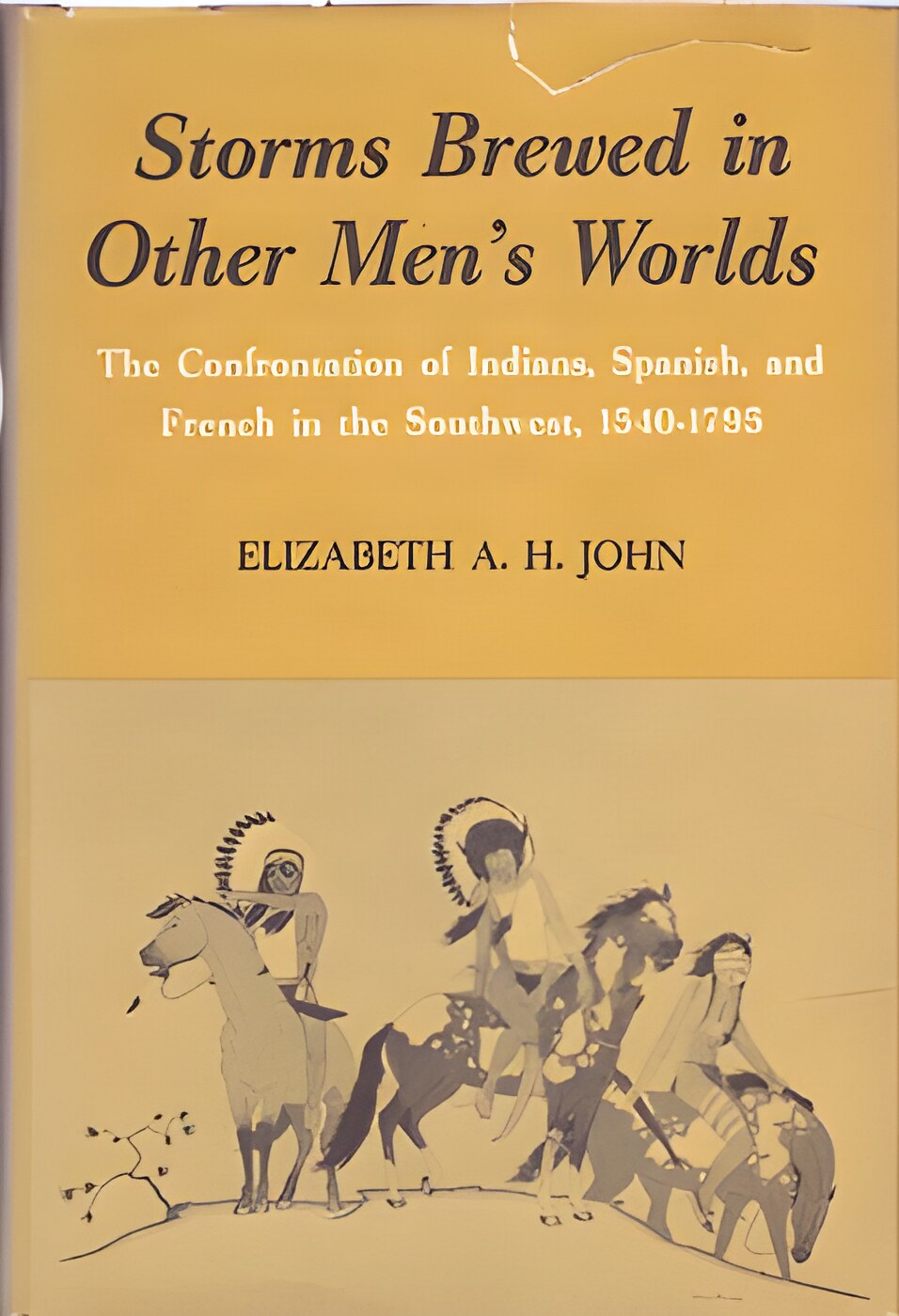
Hardcover. College Station, Texas A&M University Press, 1st, 1975, Book: Very Good, Dust Jacket: Very Good, Hardcover in a bright dust jacket with a small tape repair, 805 pages. The Confrontation of Indians, Spanish, and French in the Southwest, 1540-1795. Spanning two and a half centuries, from the earliest contacts in the 1540s to the crumbling of Spanish power in the 1790s. Storms Brewed in Other Men's Worlds is a panoramic view of Indian peoples and Spanish and French intruders in the early Southwest. The primary focus is the world of the American Indian, ranging from the Caddos in the east to the Hopis in the west, and including the histories of the Pueblo, Apache, Navajo, Ute, and Wichita peoples. Within this region, from Texas to New Mexico, the Comanches played a key, formative role, and no less compelling is the story of the Hispanic frontier peoples who weathered the precarious, often arduous process of evolving coexistence with the Indians on the northern frontier of New Spain. Clean copy.
Hardcover. NY, Time Life, reprint, 1982, Book: Very Good, Dust Jacket: None, 476 pages. Hardcover with no dust jacket. Dark blue leather bound with gilt titles to front cover and spine. Embossed decoration on front cover. Gilt text block edges, red ribbon marker. Clean, tight copy. Leander Stillwell (1843-1934) was an American lawyer, judge and a pioneer attorney who co-created the first bar of Erie. From 1861 to 1865 he was with the Union army joining as a private of Company D, Sixty-first Regiment, Illinois Infantry Volunteers. He was appointed Corporal, then Sergeant and later First Sergeant in 1863, and re-enlisted in 1864, at Little Rock, Arkansas. He participated in the battle of Shiloh, the siege of Vicksburg, and several minor engagements. His experiences were published as The Story of a Common Soldier of Army Life in the Civil War, 1861-1865 (1917/20). In 1876 he was elected a member of the lower house of the Kansas Legislature. He was a republican and held various township offices, both in Illinois and Kansas, and was quite active in civic affairs. In 1883 he was elected judge of the Seventh Judicial District. He was re-elected judge of the same district in 1887, 1891, 1895 and 1899, and resigned in 1907.
Hardcover. Montpeiler, VT, Vermont Historical Society, 1st Edition, 1945, Book: Very Good, Dust Jacket: None, 213 pages. Hardcover. Previous owners ID stamp on front flyleaf. Color frontispiece, b/w illustrations throughout. Dark red cloth cover boards (light moisture damage to bottom right corner of front cover, and bottom left corner of back cover), gilt title on spine and front cover board. Light tanning to pages and edges, otherwise clean. Binding good. Spine straight. A touch of moisture damage (very minimal-see image) to bottom corner of edge. History of Medical College in Woodstock, VT.
Hardcover. New York, Artabras, 2nd Printing, 1990, Book: Very Good, Dust Jacket: Very Good, 252 pages. Hardcover. Red cloth boards with black printed rocking horse decoration to cover, black printed titles to spine. Profusely illustrated in full color & black & white, images beautifully interspersed throughout text. Bright dust jacket with sunfading to spine. Clean, unmarked copy.
Hardcover. New York, Charles Scribner's Sons, 1st, 1973, Book: Very Good, Dust Jacket: Very Good, 416 pages. Hardcover. Black & white illustrations throughout. Bright, clean, unclipped dust jacket. Tight binding, sharp corners, clean & unmarked.
Hardcover. Mechanicsburg, PA, Stackpole Books, 1st, 1994, Book: Very Good, Dust Jacket: Very Good, 240 pages. Hardcover with dust jacket. A very clean, unmarked copy with only minor wear to dust jacket edges. A tight copy. SIGNED BY AUTHOR ON TITLE PAGE.
Hardcover. St. Paul MN, Borealis Books, 1st, 2004, Book: Very Good, Dust Jacket: Very Good, Hardcover, 224 pages. The photographs in this collection are taken from the files of the St. Paul Pioneer Press and the St. Paul Dispatch, and span a period from the nineteen-forties to the mid-sixties. Among the many records of long-forgotten civic functions are shocking crime-scene photographs, a reminder of an era when the country's newspaper photographers--an army of Weegees, equipped with oversized Speed Graphic flash cameras and radios tuned to the police scanners--regularly provided readers with lurid coverage of violent crimes and spectacular accidents. There is a harsh intimacy to these photographs, which bring us as close as possible to car-crash victims, suicides, and mass murderers confessing their crimes. But the welter of detail in the pictures--the seamed stockings of a murder victim, the huddle of bystanders after a bar shooting--provides a nuanced portrait of a Midwestern city and of American culture at mid-century.
Hardcover. NY, The Grolier Club, 1st, 2012, Book: Very Good, Dust Jacket: None, Hardcover, cream colored boards with a red cloth spine, 195 pages. Limited to 500 copies. This excellent catalogue includes introductory essays by Martino Marazzi, Francesco Durante, and Robert Viscusi. It contains a bibliography of over 800 primary and secondary Italian-language works printed in America. Signed & inscribed by James Periconi to the previous owner on title page. Light fade to boards at top edge, Clean copy.
Hardcover. New York, Harry N. Abrams, 1st, 2003, Book: Very Good, Dust Jacket: Very Good, 175 pages. Hardcover with dust jacket. illustrated throughout. Very clean and tight copy. Striptease is the history of unapologetic fun aimed not at the head, not at the heart or even the stomach, but south of all three. Beginning with the birth of the striptease in the mid-19th century and culminating with its garish heyday in the 1950s, this book charts the evolution of the infamous bump and grind, which is, at its simplest, a pretty girl in a pretty dress ... and then not. The only fully illustrated book available on the subject, Striptease tells the history of this provocative form of stagecraft from its birth in vaudeville and burlesque through the "take it all off" attitude for which the term "striptease" was coined. Along the way, the book highlights such performers as Isadora Duncan, Loie Fuller, Maud Allen, Gypsy Rose Lee, Tempest Storm, and Blaze Starr. The witty and well-informed text is illustrated with an array of titillating images, including never-before-published ephemera and illicitly photographed performances in progress. Whether revealing ankles or breasts, playing peek-a-boo or going the full monty, Striptease pays tribute to the women who made a vocation of their sex appeal and shimmied their way into American culture.
Hardcover. Brattleboro VT, Stephen Greene Press, 1, 1968, Book: Very Good, Dust Jacket: Very Good, Hardcover in a bright, lightly worn dust jacket, 99 pages. A collection of colonial, pioneer, and frontier American tombstone inscriptions. Previous owners name at top right corner of front end paper. Clean, tight copy.
Hardcover. London, Argus Books, 1st, 1930, Book: Very Good, Dust Jacket: Good, 391 pages. Hardcover with dust jacket. B&w illustrations by Frank Pape. Dust jacket faded on spine, chipped. Cover boards have minor wear to black covers. Gilt lettering. Numbered 1490/1500 American copies. Internally good, and over all clean tight copy.

 "Steel & Real Estate - Margaret Bourke-White and Corporate Culture in Cleveland 1927 - 1929by: Bourke-White, Margaret/Geraldine Wojno Kiefer")
 "Steichen At Warby: Christopher Phillips")
 "Stewardess Is Flying the Plane!, The: American Films of the 1970sby: Hogan, Ron, Peter Bogdanovich")


 "Still Movingby: Higgins, Steven")
 "Stop the Evil: A Civil War History of Desertion and Murderby: Alotta, Robert I.")
 "Story of a Common Soldier, The (Collector's Library of the Civil War)by: Stillwell, Leander")





 "Story of Medicine in America, Theby: Marks, Geoffrey and William K. Beatty")