Hardcover. New Haven CT, Yale University Art Gallery, 1st, 2013, Book: Very Good, Dust Jacket: None, Like new in publisher's shrink-wrap. "Fifty years after Kennedy's death, this book observes the public's reaction to the president's election and assassination, featuring many photographs published here for the first time. In his travels throughout America during this period, Lee Friedlander (b. 1934) encountered these responses and photographed what he witnessed. From Washington, D.C., to Buffalo to Minneapolis to Los Angeles, Friedlander has captured a moment in American history that galvanized the nation and continues to resonate today." 48 b&w images by Friedlander.
Hardcover. New Haven CT, Yale University Art Gallery, 1st, 2013, Book: Very Good, Dust Jacket: None, Like new in publisher's shrink-wrap. "Fifty years after Kennedy's death, this book observes the public's reaction to the president's election and assassination, featuring many photographs published here for the first time. In his travels throughout America during this period, Lee Friedlander (b. 1934) encountered these responses and photographed what he witnessed. From Washington, D.C., to Buffalo to Minneapolis to Los Angeles, Friedlander has captured a moment in American history that galvanized the nation and continues to resonate today." 48 b&w images by Friedlander.
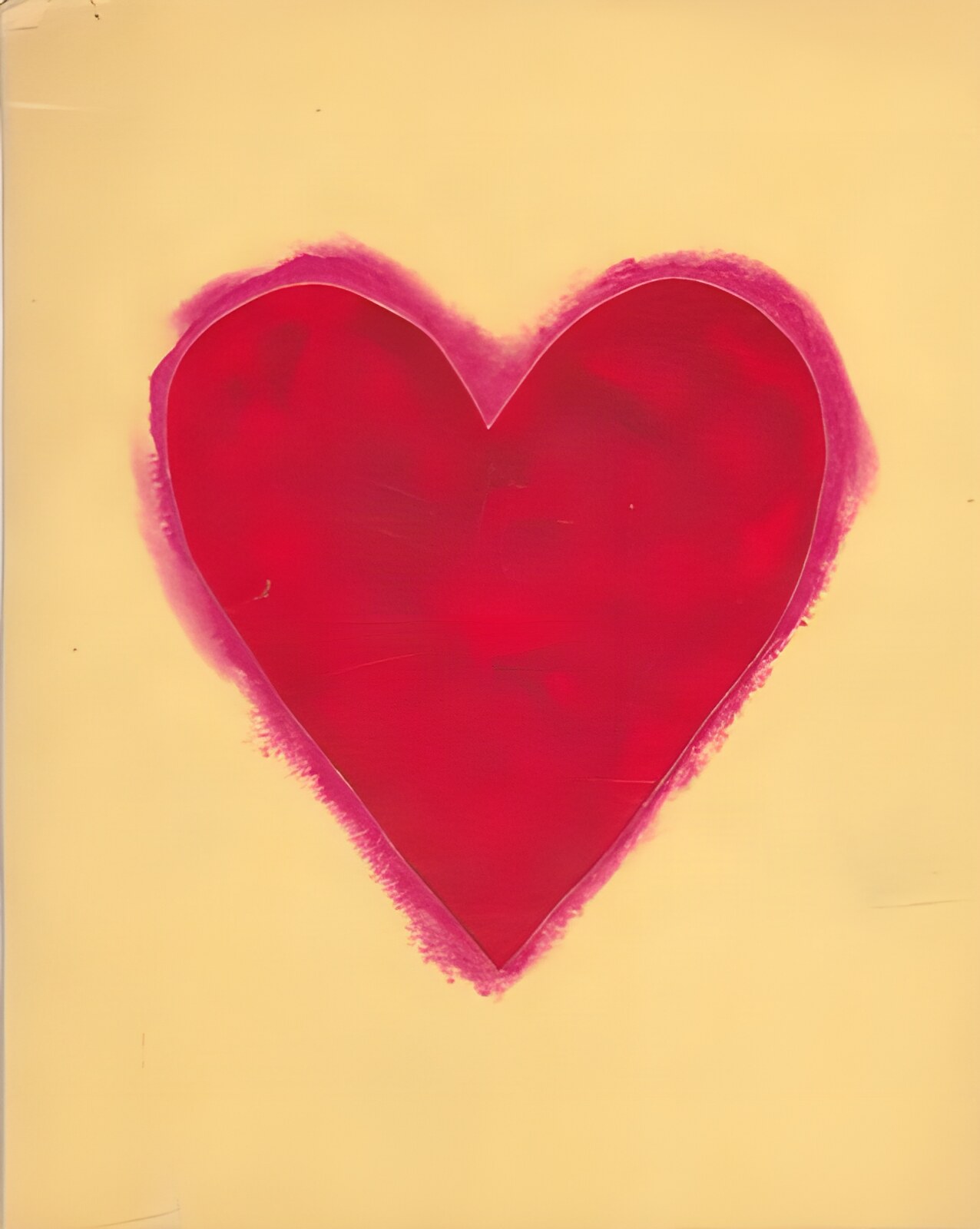
Softcover. NY, Whitney Museum of American Art, 1st, 1970, Book: Very Good, Dust Jacket: None, Softcover, yellow wraps with die-cut heart in front cover. 98 pages. 99 color & bw plates. Issued in conjunction with a 1970 exhibition of work by American pop artist Jim Dine (b. 1935). With opening essays and an artist statement. The catalogue addresses 126 works, and quite a few are pictured here. Includes a lengthy bibliography and exhibition history. Clean.
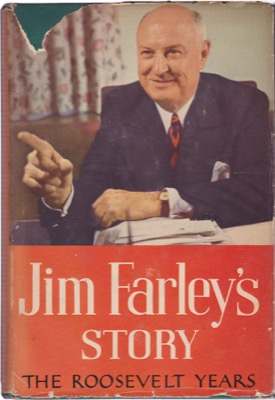
Hardcover. NY, Whittlesey House/McGraw-Hill , 3rd pr., 1948, Book: Very Good, Dust Jacket: Fair, Hardcover in a worn dust jacket with a chunk gone from front panel. Full green cloth, gilt lettering and decoration on spine. Illustrated with several pages of B&W photographs. 388 pages. SIGNED BY FARLEY in green ink on the front fly leaf. The 'unvarnished' facts about the man who put FDR in the White House, and built-up one of the most effective political party organizations in history. A revealing portrait of Franklin D. Roosevelt.
Hardcover. Seattle, Fantagraphics, 1st, 2025, Book: Very Good, Dust Jacket: None, Hardcover, large format, pictorial boards, 160 pages. The definitive collection of comics and illustration from 1892 to 1942 by James Swinnerton, one of the founding fathers of the American comic strip. This sumptuous volume covers Swinnerton's six-decade career in comics, from his beginnings as a sports/editorial cartoonist for William Randolph Hearst in San Francisco to his years in the America's Southwest desert, where his love for the land and its people came through in his comics and illustration. Jimmy! includes an illustrated biography and essays by co-editor Michael Tisserand and Eddie Campbell. The comic strips in this volume are carefully restored to their original colors and printed at near-full size. Swinnerton lovers will be delighted by the richness and variety of the works seen here. Those new to this uniquely American artist will likely join the growing numbers who appreciate his important role in the history of the comics. Clean, bright copy. DOMESTIC SHIPPING ONLY.
Hardcover. NY, McGraw Hill, 1st, Book: Very Good, Dust Jacket: Very Good, Hardcover in a bright, unclipped dust jacket. 270 pages, b&w illustrations. This work has been prepared as a loving remembrance by the Brown Bomber's son. Joe Louis is known in history as the legend who knocked out Max Schmelling in round one of their fight in 1938. Joe's son gives full character to the man of myth and history with many details and recollections from the champ's contemporaries. There is a complete boxing record, list of contributors, bibliography, plus photographs. Clean copy.
Hardcover. New Haven CT, Yale University Press;, 1st, 2009, Book: Very Good, Dust Jacket: Very Good, Hardcover, 180 pages. John Gutmann (1905-1998) was one of America's most distinctive photographers. Born in Germany where he trained as an artist and art teacher, he fled the Nazis in 1933 and settled in San Francisco, reinventing himself as a photo-reporter. Gutmann captured images of American culture, celebrating signs of a vibrant democracy, however imperfect. His own status as an outsider--a Jew in Germany, a naturalized citizen in the United States--informed his focus on individuals from the Asian-American, African-American, and gay communities, as well as his photography in India, Burma, and China during World War II. This handsome book acknowledges Gutmann's place in the history of photography. Drawing on his archive of photographs and papers at the Center for Creative Photography, it presents both unfamiliar works and little-known contexts for his imagery, linking his photography to his passionate interest in painting and filmmaking, his collections of non-Western art and artifacts, and his pedagogy. In addition to a major essay by Sally Stein, the volume includes an introduction by Douglas R. Nickel, and an overview of the Gutmann archive by Amy Rule.
Hardcover. New Haven CT, Yale University Press;, 1st, 2009, Book: Very Good, Dust Jacket: Very Good, Hardcover, 180 pages. John Gutmann (1905-1998) was one of America's most distinctive photographers. Born in Germany where he trained as an artist and art teacher, he fled the Nazis in 1933 and settled in San Francisco, reinventing himself as a photo-reporter. Gutmann captured images of American culture, celebrating signs of a vibrant democracy, however imperfect. His own status as an outsider--a Jew in Germany, a naturalized citizen in the United States--informed his focus on individuals from the Asian-American, African-American, and gay communities, as well as his photography in India, Burma, and China during World War II. This handsome book acknowledges Gutmann's place in the history of photography. Drawing on his archive of photographs and papers at the Center for Creative Photography, it presents both unfamiliar works and little-known contexts for his imagery, linking his photography to his passionate interest in painting and filmmaking, his collections of non-Western art and artifacts, and his pedagogy. In addition to a major essay by Sally Stein, the volume includes an introduction by Douglas R. Nickel, and an overview of the Gutmann archive by Amy Rule.
Hardcover. New Haven CT, Yale University Press, 1st, 2010, Book: Very Good, Dust Jacket: Very Good, Hardcover, 224 pages, profuse color and b&w illustrations and plates. The essays in John La Farge's Second Paradise explore the artist's reemergence as a plain air landscape painter, his use of the sketchbook, and his late decorative work, which was reinvigorated by the experience of light and color he discovered in the South Seas. Further discussions examine the prevailing notions of tropical paradise perpetuated since Captain Cook's "discovery" of Polynesia in the late 18th century, and offer the first extended comparison of the careers and art of La Farge and Paul Gauguin, who arrived in Tahiti only days after La Farge left in 1891. Featuring many previously unpublished works, this beautiful book is a major contribution to the study of La Farge's life and art. Like new in publishers shrink-wrap.
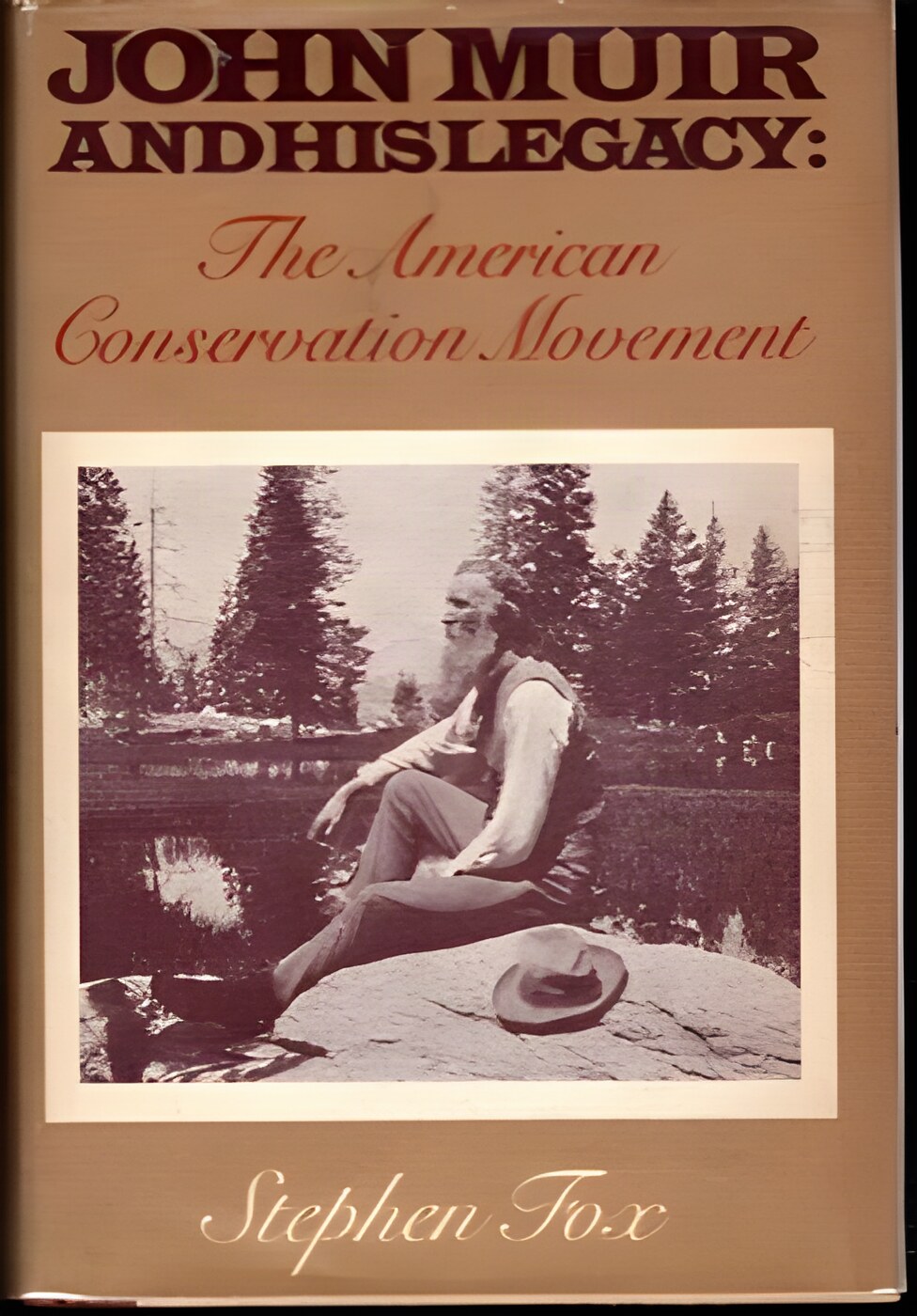
Hardcover. Boston, Little Brown & Co., 1st, Book: Very Good, Dust Jacket: Very Good, Hardcover in a lightly worn, price-clipped dust jacket, 436 pages with b&w illustrations. A detailed biography of the eccentric naturalist, John Muir, traces his influence on the American national park system and on the diverse and tumultuous history of the American conservation movement. Clean copy.
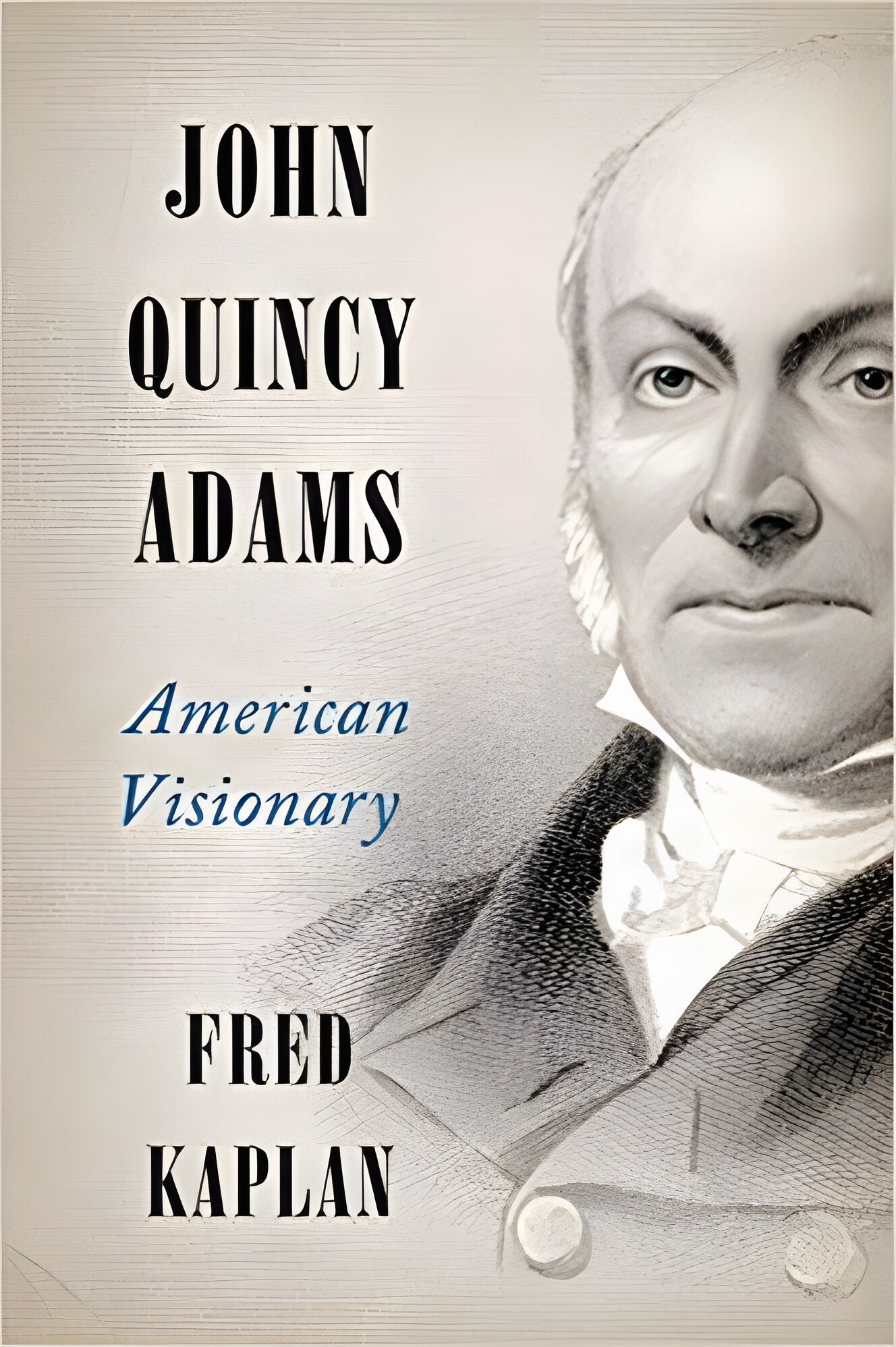
Hardcover. New York, HarperCollins, 1st, 2014, Book: Very Good, Dust Jacket: Very Good, 652 pages. Hardcover. B/w illustrations throughout. Gilt title on spine. Dust jacket unclipped. In excellent shape, binding tight, looks barely read. Clean and unmarked inside and out.
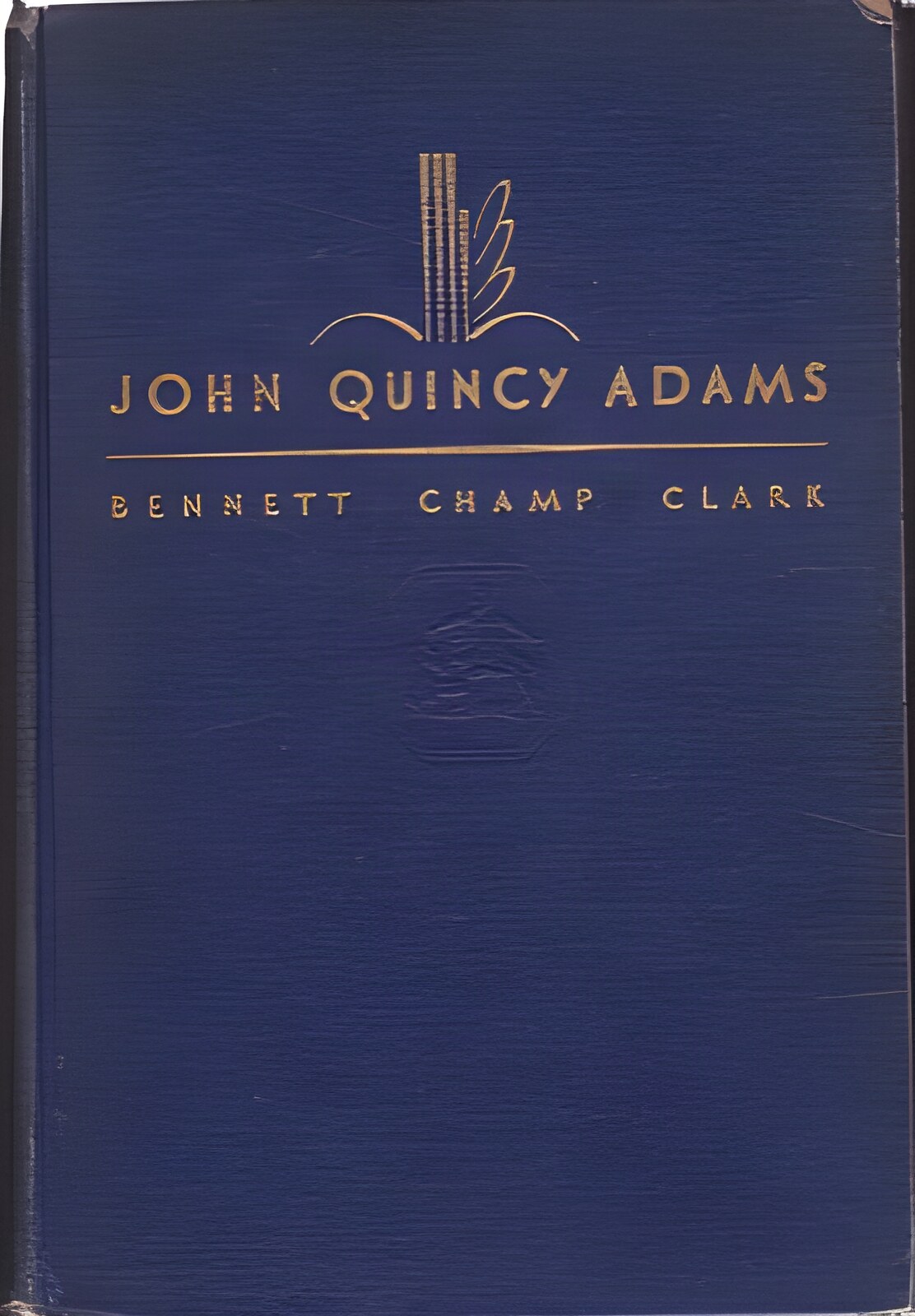
Hardcover. Boston, Little, Brown, and Company, 1st, 1932, Book: Good, Dust Jacket: None, Hardcover, dark blue cloth with gilt design and lettering, 437 pages. Includes [9] leaves of plates, illustrations, portraits, bibliographical references, and index. A fine biography on America's sixth President, and the second Adams to hold that office. Clark gives equal attention to Adams' early diplomatic career, his time in State politics, in the U.S. Senate, as Secretary of State, and of his extensive career as an elder-statesman after his Presidency. Spine gilt faded, corners worn, name on front endpapers, otherwise clean.
Softcover. Wilmington, DE, Delaware Art Museum, 1st, 1988, Book: Very Good, Dust Jacket: None, Softcover, 150 pages. Exhibition catalog. Mostly black-and-white, with some color, illustrations. Light sun-fade to spine. A little wear to bottom corner of front cover. Very good, unmarked copy.
Hardcover. Chapel Hill, NC, Univ of North Carolina Press, 1st, 2007, Book: Very Good, Dust Jacket: Very Good, 86 pages. Hardcover with dust jacket. Clean, unmarked copy with only minor wear to dust jacket edges. Minor shelf wear on front cover. Black and white images throughout. Tight copy.
Hardcover. Hartford, CT, American Publishing Company, Reprint, 1980, Book: Very Good, Dust Jacket: None, Hardcover, blue cloth with gilt design, 298 pages. "Property of U.S. Navy" stamped on bottom edge. Clean, unmarked text.
Hardcover. NY, Columbia University Press, 1st, 1974, Book: Very Good, Dust Jacket: Very Good, Hardcover in a bright dust jacket, 200 pages. 'Carol Berkin's lively narrative of one British Loyalist's disastrous career uncovers in an arresting manner the other side of the U. S. Revolution. The Revolution, from Sewall's point of view, was an unnecessary and unworthy attack by charlatans and demagogues on the best society the world had yet created. Although Sewall sought to avoid confrontation with his increasingly revolutionary friends, including Sam & John Adams and John Hancock, and at the same time be independent in his appointed posts, he was trapped in the political hierarchy of colonial Massachusetts. When the Revolution began in earnest, he left a beleaguered Boston to take refuge in England where he met the same fate as the other Tory refugees: he was an insignificant colonial, unworthy of royal patronage. ' Name on front fly leaf, otherwise clean.
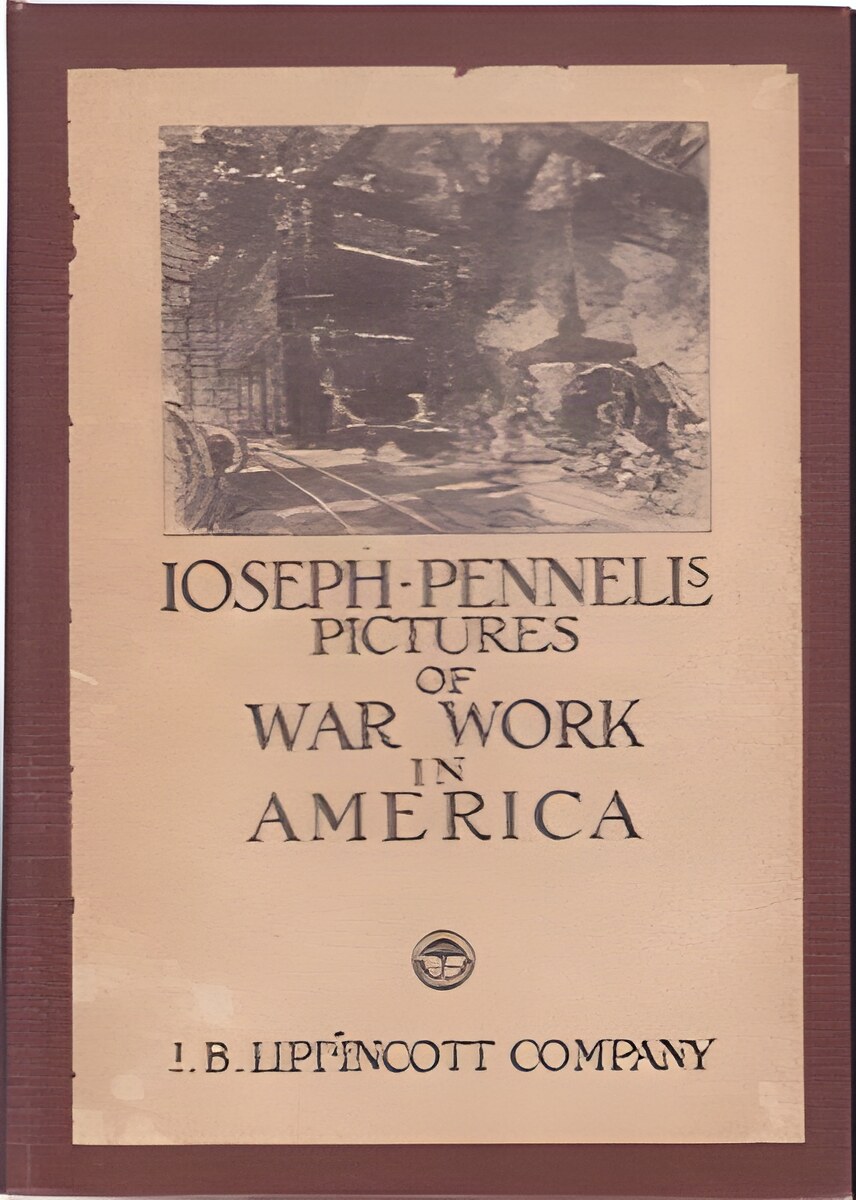
Hardcover. Philadelphia, J.B. Lippincott, 1st, 1918, Book: Very Good, Dust Jacket: None, Hardcover, brown cloth with a pastedown on front cover with title and illustration. Offers a powerful visual record of the United States' contribution to World War I. This collection of lithographs by renowned artist Joseph Pennell provides a unique glimpse into the nation's war effort, focusing on the crucial role of American industry. Previous owner's note on the front fly leaf, otherwise clean.
Hardcover. Urbana IL, University of Illinois Press, 1st, 1961, Book: Very Good, Dust Jacket: Very Good, Hardcover in alightly worn dust jacket, 260 pages. "In this first biography of Warren since 1865, John Cary re-establishes Warren's deserved reputation as an American patriot and leading figure of the American Revolution. He ranks Warren with Samuel Adams as the two most important figures in the Massachusetts revolutionary movement." Name on front fly leaf, otherwise clean.
Hardcover. New York, Wiley & Halsted, 2nd Ed., 1822, Book: Very Good, Dust Jacket: None, 246, 256 pages, two volumes bound as one. A total of 6 engraved plates - 2 illustrations in vol. I and 4 illustrations in vol. II, but lacks the map, an illustration at page 20, fold-out chart and frontispiece portrait that some dealers describe. Polished brown calf with leather label, gilt lettering still very readable. Previous owner's small stamp on front fly leaf, otherwise clean.
Hardcover. New Haven CT, Yale University Press, 2nd pr., 1922, Book: Good, Dust Jacket: None, Hardcover, marbled boards with gray cloth spine, 333 pages plus index. Endpapers map. Janet Schaw, a supporter of the Crown, illustrates the extent to which the American Revolution had, by 1775, become a close, personal insurgency, pitting neighbor against neighbor. Schaw was a young, well-educated Scottish woman who traveled to North Carolina to visit her older brother Robert, the owner of a plantation on the Cape Fear River near Wilmington. She arrived in March of 1775 and while in North Carolina witnessed, among other things, land clearing through controlled burning and the killing of an alligator. More important, she observed a society that was splitting asunder under the stress of revolutionary politics. The decisions of the Wilmington Committee forced men and women along the Cape Fear to take sides. Worn covers with spine cloth coming loose. Binding is solid.
Softcover. Athens GA, University of Georgia Press, reprint, 2001, Softcover, clean, unmarked pages. 415 pages, followed by a short Index. Fanny Kemble offers a gripping, first-hand account of life on a Southern plantation before the Civil War. Combining a keen observational style with a candid narrative voice, Kemble lays bare the complexities of plantation life, including the stark realities of slavery and the socio-economic hierarchies of antebellum Georgia. The journal entries provide an intimate glimpse into the daily lives of both the enslaved and the plantation owners, reflecting her deep moral convictions and growing abolitionist sentiments against a backdrop of genteel Southern culture. Fanny Kemble, a British actress and writer, was thrust into the world of the Southern elite through her marriage to a plantation owner, which provided her with unprecedented access to the intricacies of plantation management and its social fabric.
Softcover. NY, MJF Books, reprint, 1997, Hardcover in a bright dust jacket, 191 pages plus index. In 1834, Osborne Russell joined an expedition from Boston, under the direction of Nathaniel J. Wyeth, which proceeded to the Rocky Mountains to capitalize on the salmon and fur trade. He would remain there, hunting, trapping, and living off the land, for the next nine years. Journal of a Trapper is his remarkable account of that time as he developed into a seasoned veteran of the mountains and experienced trapper. Clean copy.
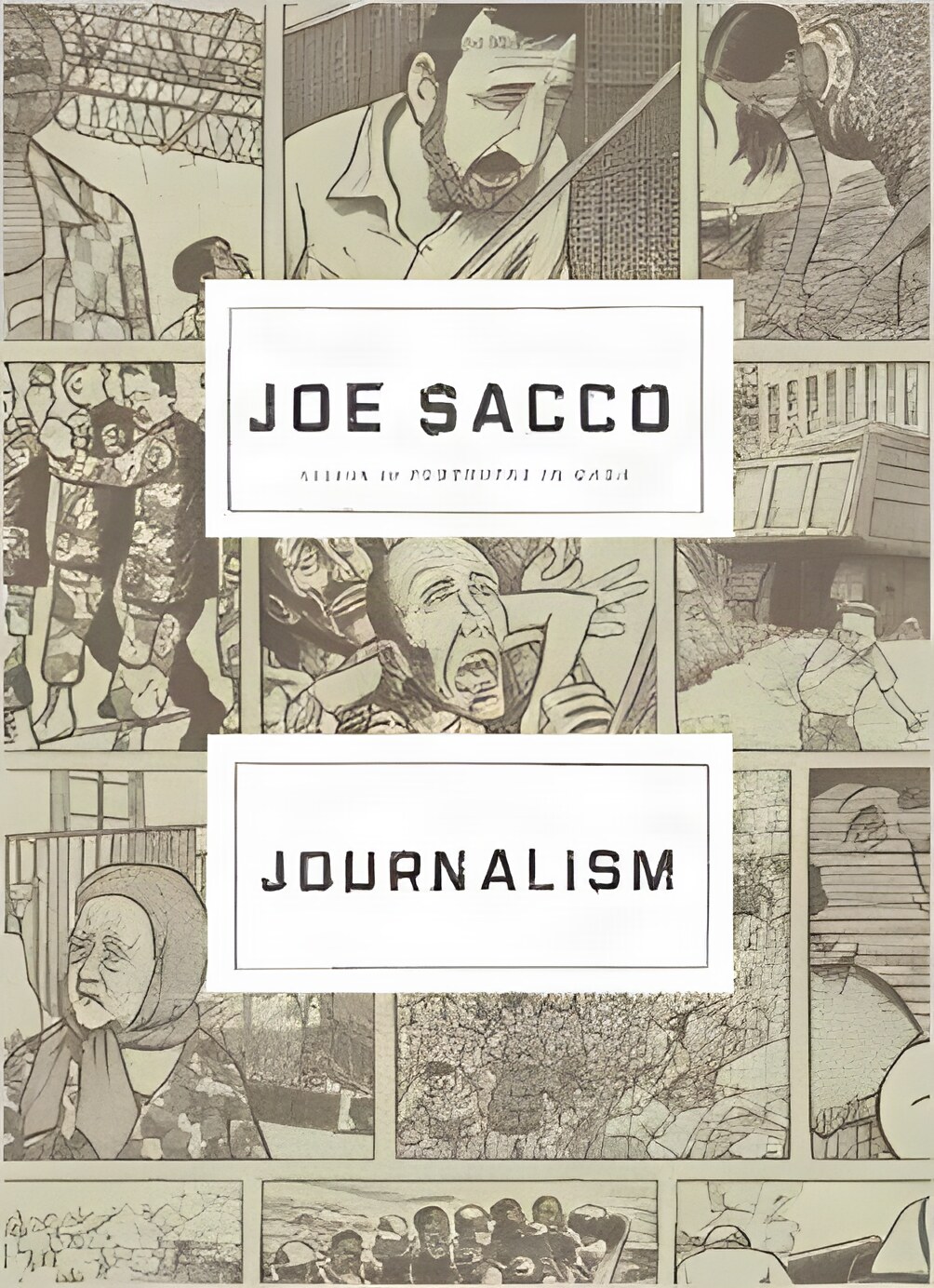
Hardcover. New York , Metropolitan Books, 1st US, 2012, Book: Very Good, Dust Jacket: None, Hardcover, 191 pages, illustrated throughout in color and b&w. Clean, unmarked copy in excellent condition. Over the past decade, Joe Sacco has increasingly turned to short-form comics journalism to report from conflict zones around the world. Collected here for the first time, Sacco's darkly funny, revealing reportage confirms his standing as one of the foremost war correspondents working today. Journalism takes readers from the smuggling tunnels of Gaza to war crimes trials in The Hague, from the lives of India's "untouchables" to the ordeal of Saharan refugees washed up on the shores of Malta. And in pieces never published before in the United States, Sacco confronts the misery and absurdity of the war in Iraq, including the darkest chapter in recent American history-the torture of detainees.

 "JFK: A Photographic Memoirby: Friedlander, Lee")
 "JFK: A Photographic Memoirby: Friedlander, Lee")






 "John Steuart Curry's Hoover and the Flood: Painting Modern Historyby: Eldredge, Charles C.")
 "Joining the Navy: Or Abroad with Uncle Samby: Paynter, JNO. H.")


 "Journal of a Cruise Made to the Pacific Ocean by Captain David Porter in the United States Frigate Essex in the Years 1812, 1813, and 1814 (2 Vols in One)by: Porter,")
 "Journal of a Lady of Quality Being the Narrative of a Journey from Scotland to the West Indies North Carolina and Portugal in the Years 1774 to 1776by: Andrews, Evang")