Hardcover. New York, Simon & Schuster, First Thus, 2013, Book: Very Good, Dust Jacket: Very Good, 603 pages. Hardcover. Ivory & red cloth boards with gilt titles to spine. Dust jacket with only light marginal wear. Bright, clean & unmarked copy.
Hardcover. NY, Alfred A. Knopf, 1st, 1966, Book: Very Good, Dust Jacket: None, Hardcover, dark blue cloth with gilt lettering on spine, 371 pages plus index. B&w illustrations. A study of the Civil War's effects on the "development" of women 1861-65 and how this led to further advances in the women's movement in later years. Name on front fly leaf, page 133 wrinkled. No dust jacket.
Hardcover. New York, Harper & Brothers, reprint , 1923, Book: Very Good, Dust Jacket: None, Hardcover, 274 pages. Illustrated with full color and black & white plates by Frederic Remington. Brown paper covered boards with cover pastedown of Remington drawing. black cloth spine. Copyright page with 1923 date and Harper's G-B code indicating later printing of 1st edition. Light foxing to outer edges of some pages and plates. Fraying to cloth at top of spine. Light darkening of pages close to gutter. Still an attractive copy.
Hardcover. Boston, Little, Brown & Co., 1st, 1902, Book: Very Good, Dust Jacket: Good, Hardcover, 485 pages. Teal cloth, gilt lettering, green & white floral decor. Top edge gilt. Full page b&w photographs, including frontispiece. Original dust jacket with chipped edges. Top chunk missing on spine.
Hardcover. NY, Amistad/HarperCollins, 3rd pr., 2005, Book: Very Good, Dust Jacket: Very Good, Hardcover in a bright, unclipped dust jacket. 540 pages, b&w illustrations, index. An important book of epic scope on America's first racially integrated, religiously-inspired political movement for change-The Underground Railroad, a movement peopled by daring heroes and heroines, and everyday folk For most, the mention of the Underground Railroad evokes images of hidden tunnels, midnight rides, and hairsbreadth escapes. Yet the Underground Railroad's epic story is much more morally complex and politically divisive than even the myths suggest. Against a backdrop of the country's westward expansion,which brought together Easterners who had engaged in slavery primarily in the abstract alongside slaveholding Southerners and their slaves, arose a clash of values that evolved into a fierce fight for nothing less than the country's soul. Beginning six decades before the Civil War, freedom-seeking blacks and pious whites worked together to save tens of thousands of lives, often at the risk of great physical danger to themselves. Not since the American Revolution had the country engaged in an act of such vast and profound civil disobedience that not only subverted federal law but also went against prevailing mores.
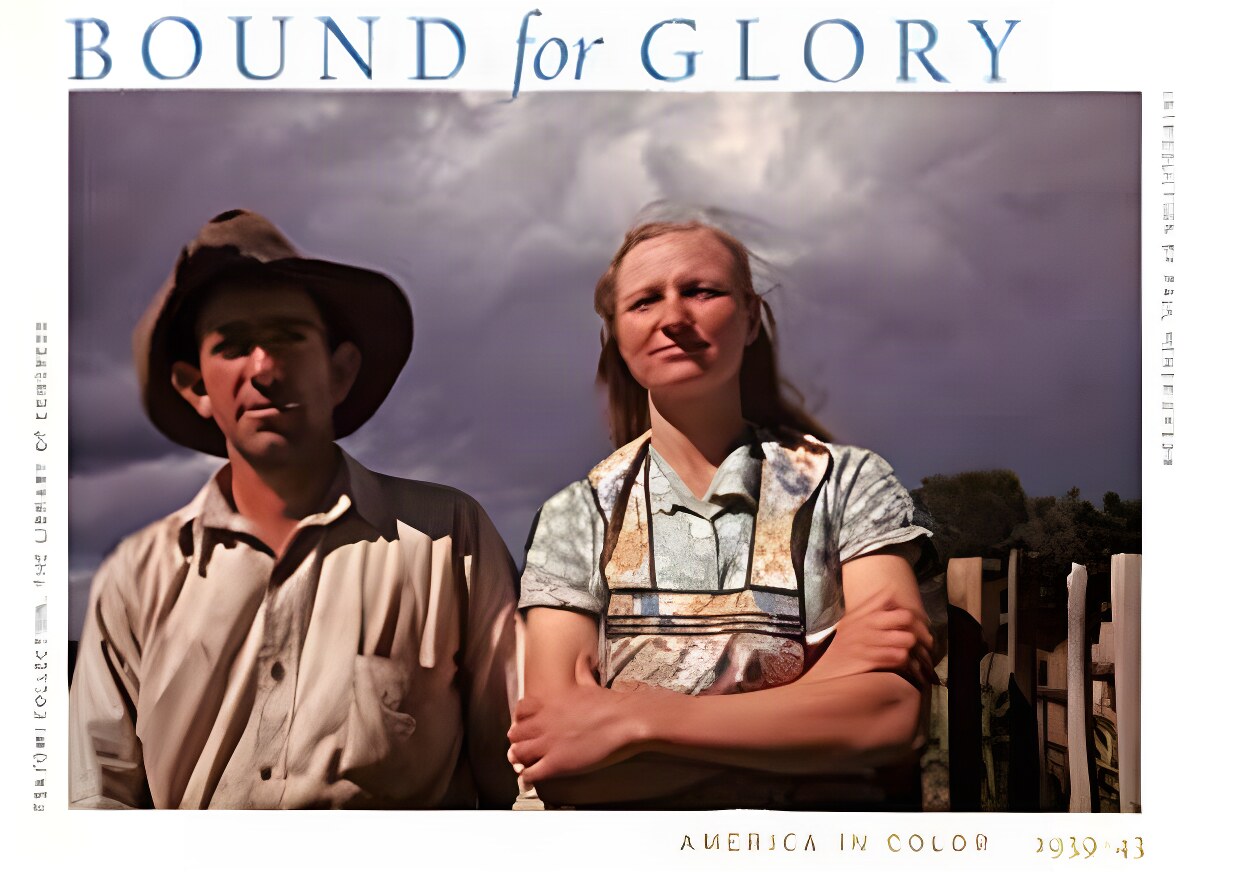
Hardcover. NY, Abrams, 1st, 2004, Book: Very Good, Dust Jacket: Very Good, Hardcover, 192 pages. Taken from 1939 to 1943 under the auspices of the Farm Security Administration and the Office of War Information, these 175 "lost" photos feature shots by Russell Lee, Andreas Feininger and Marion Post Wolcott, using the then-revolutionary technology of Kodachrome film. Color photographs taken before 1939 have largely deteriorated, so these surviving photos are later than the most familiar b&w Depression-era shots. This 11 3/4 "x8 1/2 " volume thus "colorizes" one's normally black-and-white impressions of a very vibrant time, as Hendrickson (Sons of Mississippi) notes in his introduction. The logic behind the arrangement of the photos, which at first seems largely random, as it follows neither photographer, location nor chronology, becomes clear by the end of the book: the U.S.'s industrial rise. Images of urban lethargy and farmhands picking cotton under hot blue skies (the unbearable conditions of cotton-picking somehow seem more apparent in color) gradually give way to images of mobility, mechanization and a changing economy. Arnold T. Palmer's gleaming portraits of Rosie the riveter-like aircraft workers follow Jack Delano's earthier photos of male railroad workers, their sweaty and intent faces caked with soot. Tellingly, the book ends with photos of bombers flying over California.
Hardcover. Lincoln NE, University of Nebraska Press, 1st, 2007, Book: Very Good, Dust Jacket: Very Good, Hardcover in a bright, unclipped dust jacket. 683 pages, b&w illustrations. He was not much of a player and not much more of a manager, but by the time Branch Rickey (1881-1965) finished with baseball, he had revolutionized the sport--not just once but three times. In this definitive biography of Rickey--the man sportswriters dubbed "The Brain," "The Mahatma," and, on occasion, "El Cheapo"--Lee Lowenfish tells the full and colorful story of a life that forever changed the face of America's game. As the mastermind behind the Saint Louis Cardinals from 1917 to 1942, Rickey created the farm system, which allowed small-market clubs to compete with the rich and powerful. Under his direction in the 1940s, the Brooklyn Dodgers became truly the first "America's team." By signing Jackie Robinson and other black players, he single-handedly thrust baseball into the forefront of the civil rights movement. Lowenfish evokes the peculiarly American complex of God, family, and baseball that informed Rickey's actions and his accomplishments. His book offers an intriguing, richly detailed portrait of a man whose life is itself a crucial chapter in the history of American business, sport, and society.
Hardcover. Denver, CO, Fred and Jo Mazzulla, 1st, 1966, Book: Very Good, Dust Jacket: None, Hardcover, SIGNED BY BOTH AUTHORS. 56 pages, b&w photographs. Light foxing to top edge. Very minor soiling to boards; covered by plastic dust jacket. Else a very clean, tight copy.
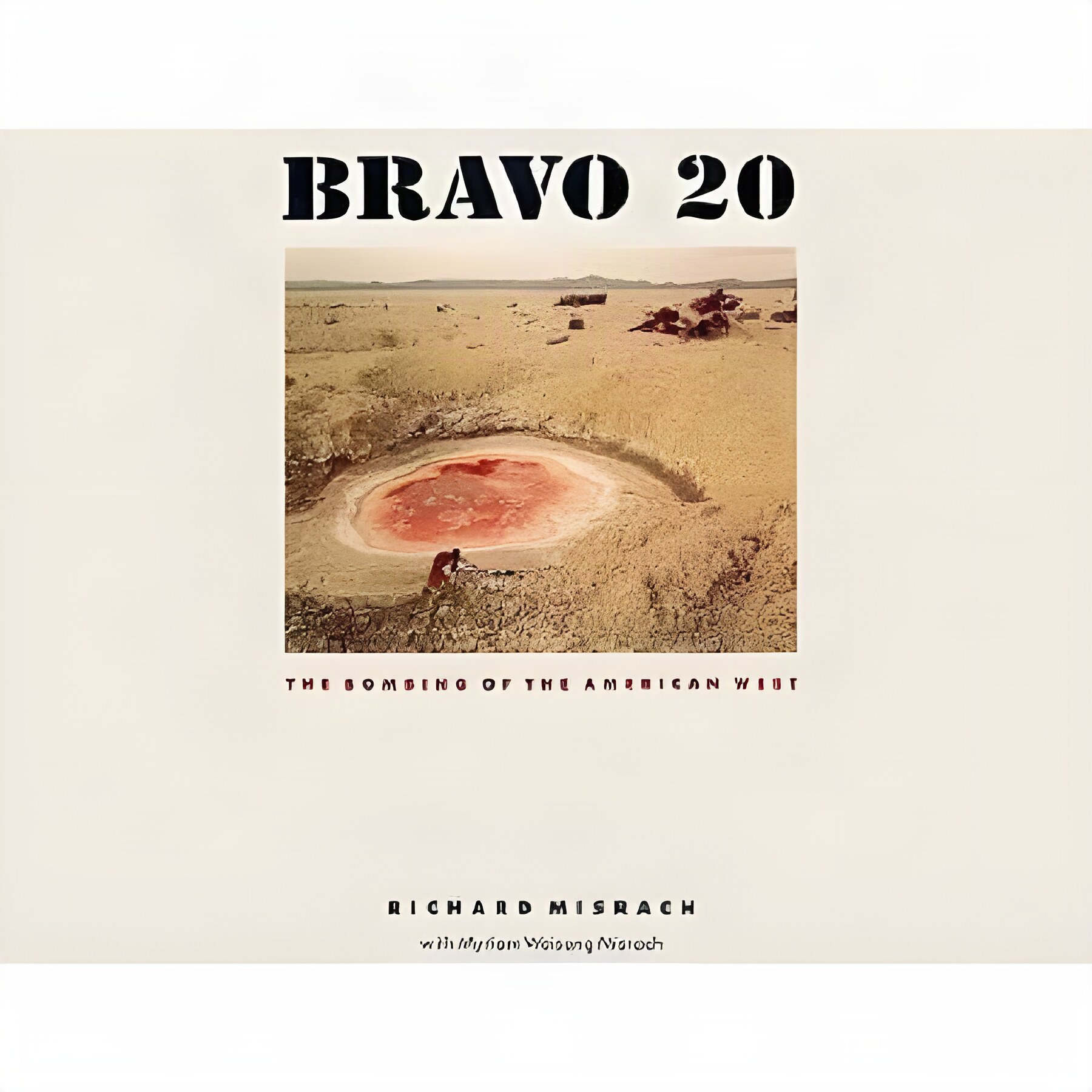
Softcover. Baltimore, Johns Hopkins University Press, 1st pbk, 1990, Book: Very Good, Dust Jacket: None, Softcover, oblong format, 133 pages. For eighteen months in the mid-eighties, photographer Richard Misrach roamed through the natural beauty and man-made devastation of Bravo 20 [bombing range], while Myriam Weisang Misrach researched the history of military expansionism-and local protest- in the West. The result is a book that not only documents the ongoing battle for Bravo 20, but offers a suggestion on what best to do with the burst shells, bombed-out buses, automobile hulls, and other naval detritus: leave it right where it is. New. In shrink wrap.
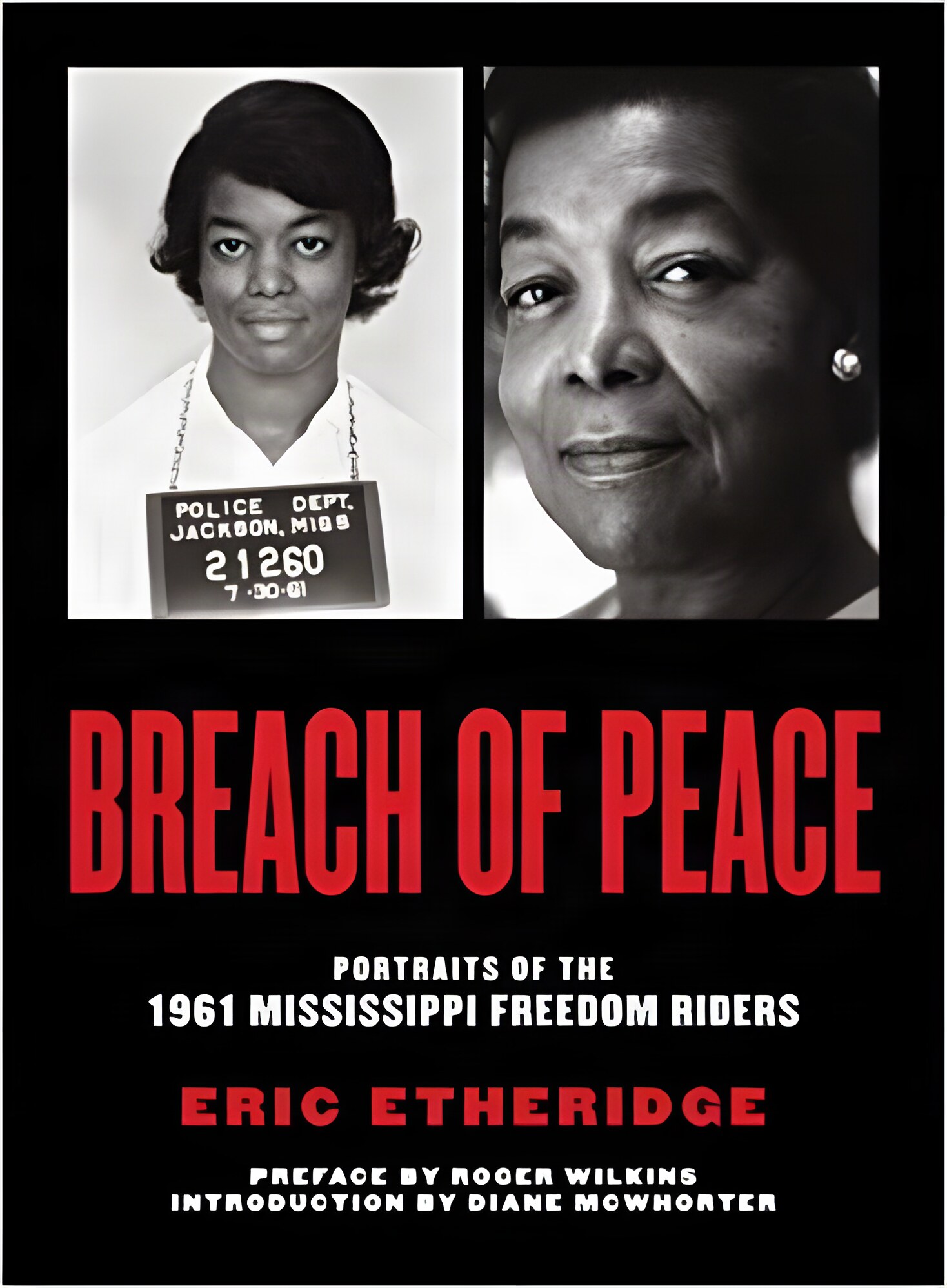
Hardcover. Atlas, 1st, 2008, Book: Very Good, Dust Jacket: Very Good, Hardcover, 224 pages. In the spring and summer of 1961, several hundred Americans--blacks and whites, men and women--converged on Jackson, Mississippi, to challenge state segregation laws. The Freedom Riders, as they came to be known, were determined to open up the South to civil rights: it was illegal for bus and train stations to discriminate, but most did and were not interested in change. Over 300 people were arrested and convicted of the charge "breach of the peace." Collected here in a richly illustrated, large-format book featuring over seventy contemporary photographs, alongside the original mug shots, and exclusive interviews with former Freedom Riders, is that testament: a moving archive of a chapter in U.S. history that hasn't yet closed.
Hardcover. US, Atlas & Co, 6th, 2008, 240 pages. Hardcover with dust jacket. Clean, unmarked copy with only minor wear to dust jacket. Black and white pictures throughout.
Hardcover. NY, Viking, 1st, 2005, Book: Very Good, Dust Jacket: Very Good, Hardcover in a bright, lightly worn dust jacket. SIGNED BY WATSON on title page. A history of the winter of 1912 in Lawrence, Massachusetts that began when thousands of workers stormed out of the massive textile mills that lined the Merrimack River north of Boston. After receiving their paychecks that morning, they were protesting a pay cut, but were really on strike for their lives. Black and white photographs. Remainder line bottom edge, otherwise clean.
Hardcover. Boston, Little, Brown and Company, reprint, 1954, Book: Very Good, Dust Jacket: None, Hardcover, blue cloth with gilt lettering on spine. Volume VI in The History of United States Naval Operations in World War II. 463 pages, illustrated with maps (one fold-out) and b&w photos. Gilt on spine with fading, lacks dust jacket, otherwise clean, tight copy.
Hardcover. New Haven, Yale University Press, 1st, 2007, Book: Very Good, Dust Jacket: Very Good, Hardcover in a bright dust jacket, 312 pages. Green cloth, silver title to spine, pictorial dust jacket. Allergy is the sixth leading cause of chronic illness in the United States. More than fifty million Americans suffer from allergies, and they spend an estimated $18 billion coping with them. Yet despite advances in biomedicine and enormous investment in research over the past fifty years, the burden of allergic disease continues to grow. Why have we failed to reverse this trend? Breathing Space offers an intimate portrait of how allergic disease has shaped American culture, landscape, and life. Drawing on environmental, medical, and cultural history and the life stories of people, plants, and insects, Mitman traces how America's changing environment from the late 1800s to the present day has led to the epidemic growth of allergic disease. We have seen a never-ending stream of solutions to combat allergies, from hay fever resorts, herbicides, and air-conditioned homes to numerous potions and pills. But, as Mitman shows, despite the quest for a magic bullet, none of the attempted solutions has succeeded. Until we address how our changing environment--physical, biological, social, and economic--has helped to create America's allergic landscape, that hoped-for success will continue to elude us. Clean copy.
Hardcover. London/Portand OR, Fank Cass, 1st, 2001, Book: Very Good, Dust Jacket: Very Good, Hardcover in a bright, unclipped dust jacket. This work examines in a comparative historical way the socialist, liberal and conservative strands of Anglo-American anticommunist thought before the Cold War. In so doing, this book provides us with an intellectual pre-history of Cold War attitudes and policy positions. Clean copy.
Softcover. Plattsburgh, NY/ Elizabethtown, NY, Clinton County Historical Association/ Essex County Historical Society, 1st, 1994, Book: Very Good, Dust Jacket: None, Softcover, 56 pages. Blue cwrappers with some faint smudges, small sticker on back, but otherwise very little wear. Inside is bright and clean, with b&w illustrations throughout.
Hardcover. Princeton NJ, Princeton University Press, 1st, 1966, Book: Very Good, Dust Jacket: Very Good, Hardcover in a lightly worn dust jacket, 228 pages. This study is an attempt to add a new dimension to our understanding of the causes of the American Revolution. It is an analysis of the role of the subministers--the secretaries and undersecretaries--of the major departments of the British government responsible for colonial policy during the period from 1763 to the outbreak of the Revolution--the period of the Stamp and Sugar Acts, the Townshend Duties, and the Coercive Acts--and of their role in the war itself. Name on front fly leaf otherwise clean.
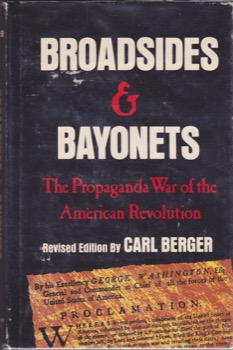
Hardcover. San Rafael CA, Presidio Press, Revised Ed., 1976, Book: Very Good, Dust Jacket: Good, Hardcover in a lightly worn dust jacket. 226 pages, An updated edition of the 1961 printing. B&w illustrations. "The author relates the fascinating story of the propaganda and subversion activities of both factions during the American Revolutionary War."
Hardcover. Boston, Bulfinch Press, 1st, 2004, Book: Very Good, Dust Jacket: Very Good, Hardcover, 470 pages, illustrated with over 500 color and b&w images including posters, programs, maps and other archival material. Like new in publisher's shrinkwrap.
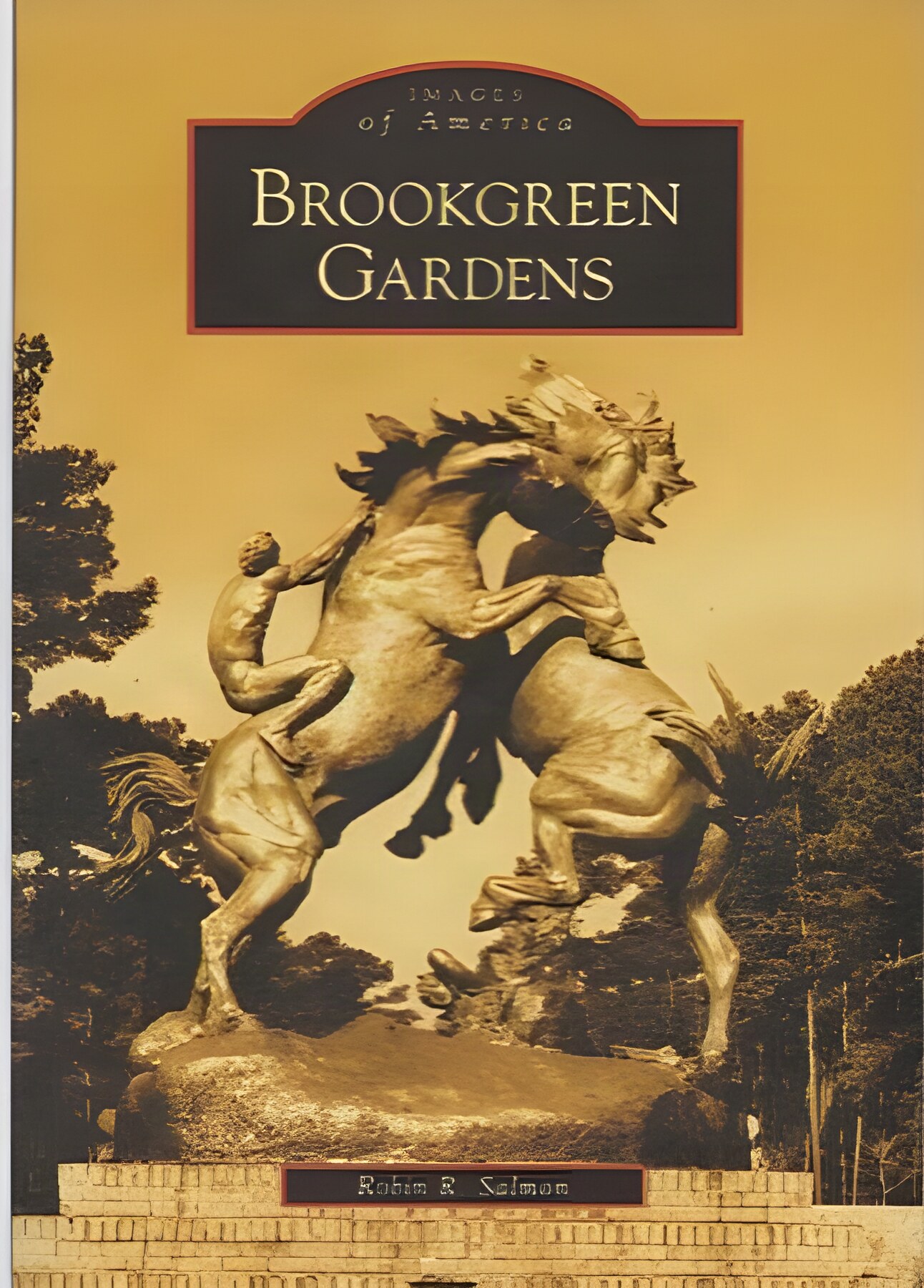
Softcover. Charleston SC, Arcadia Publishing, 1st, 2006, Book: Very Good, Dust Jacket: None, Softcover, 127 pages. A pictorial history of the one-time rice plantation that became America's first public sculpture garden. Many vintage photos. Clean copy.
Softcover. Charlottesville, University of Virginia Press, 1st pbk, 2007, Book: Very Good, Dust Jacket: None, Softcover. Illustrated with black and white photos.; A history of of the racially-charged integration of black players into baseball's southern minor leagues.
Hardcover. Oklahoma Heritage Assn., 2000, Book: Very Good, Dust Jacket: Very Good, Hardcover in a bright, unclipped dust jacket. 324 pages, b&w illustrations. SIGNED BY CO-AUTHOR THOMPSON on the title page.Bryce Harlow was one of the most extraordinary political figures in the United States in the second half of the 20th century. He served four presidents with great honor and distinction. His word was his bond. With his gentle manner and Oklahoma drawl, Harlow advised Presidents on more public issues than perhaps anyone in American history. Dr. Henry Kissinger says Harlow spent his entire adult life studying the ways of Washington, D.C., alternating between participant and observer. Harlow had a deep sense for the Presidency, its power, its majesty, and the awful responsibility it imposes. Clean, unread copy.
Hardcover. NY, Russell Sage Foundation, 1st, 1994, Book: Very Good, Dust Jacket: Very Good, Hardcover, 400 pages, b&w illustrations. Little over a century ago, New York and Budapest were both flourishing cities engaging in spectacular modernization. By 1930, New York had emerged as an innovating cosmopolitan metropolis, while Budapest languished under the conditions that would foster fascism. Budapest and New York explores the increasingly divergent trajectories of these once-similar cities through the perspectives of both Hungarian and American experts in the fields of political, cultural, social and art history. Their original essays illuminate key aspects of urban life that most reveal the turn-of-the-century evolution of New York and Budapest: democratic participation, use of public space, neighborhood ethnicity, and culture high and low. What comes across most strikingly in these essays is New York's cultivation of social and political pluralism, a trend not found in Budapest. Nationalist ideology exerted tremendous pressure on Budapest's ethnic groups to assimilate to a single Hungarian language and culture. In contrast, New York's ethnic diversity was transmitted through a mass culture that celebrated ethnicity while muting distinct ethnic traditions, making them accessible to a national audience. Mild fade to spine of dust jacket, otherwise clean.




 "Boston Daysby: Whiting, Lilian")

 "Bradford's History 'of Plimoth Plantation': From the Original Manuscript- With a Report of the Proceedings Incident to the Return of the Manuscript to Massachusetts by:")


 "Breach of Peace: Portraits of the 1961 Mississippi Freedom Ridersby: Etheridge, Eric")

 "Breaking the Bismarcks Barrier: 22, July 1942-1 May, 1944 (History of United States Naval Operations in World War II, Vol. 6) by: Morison, Samuel Eliot")


 "British Naval Activity on Lake Champlain During the War of 1812.by: Lewis, Dennis M.")

 "Broadway: The American Musicalby: Kantor, Michael and Laurence Maslon")