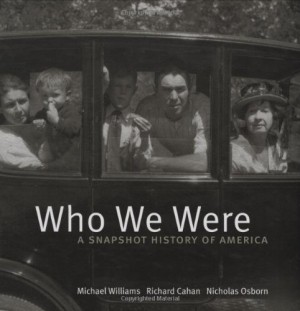
Chicago, CIty Files Press, 1st, 2008, Book: Very Good, Dust Jacket: Very Good, Hardcover in a bright dust jacket. A wonderful collection of amateur photographs. These personal snapshots form a pictorial history of everyday Americans from the last century. Unpaginated, 350 b&w and color images. Clean copy.
Hardcover. NY, Atlantic Monthly Press , 1st, 2020, Book: Very Good, Dust Jacket: Very Good, Hardcover in a bright, unclipped dust jacket. In 1911, famed cartoonist Winsor McCay debuted one of the first animated cartoons, based on his sophisticated newspaper strip "Little Nemo in Slumberland," itself inspired by Freud's recent research on dreams. McCay is largely forgotten today, but he unleashed an art form, and the creative energy of artists from Otto Messmer and Max Fleischer to Walt Disney and Warner Bros.' Chuck Jones. Their origin stories, rivalries, and sheer genius, as Reid Mitenbuler skillfully relates, were as colorful and subversive as their creations-from Felix the Cat to Bugs Bunny to feature films such as Fantasia-which became an integral part and reflection of American culture over the next five decades. Pre-television, animated cartoons were aimed squarely at adults; comic preludes to movies, they were often "little hand grenades of social and political satire." Early Betty Boop cartoons included nudity; Popeye stories contained sly references to the injustices of unchecked capitalism. "During its first half-century," Mitenbuler writes, "animation was an important part of the culture wars about free speech, censorship, the appropriate boundaries of humor, and the influence of art and media on society." During WWII it also played a significant role in propaganda. The Golden Age of animation ended with the advent of television, when cartoons were sanitized to appeal to children and help advertisers sell sugary breakfast cereals.
Hardcover. NY, Holt, Rinehart and Winston, 1st, 1967, Book: Very Good, Dust Jacket: Good, Hardcover in a worn, chipped dust jacket. Dark blue cloth, 274 pages. Fully illustrated with reproductions of Father Point's paintings and drawings, most in full color. DOMESTIC SHIPPING ONLY.
Softcover. Charleston SC, Arcadia Publishing , 1st, 2009, Book: Very Good, Dust Jacket: None, Softcover, 128 pages illustrated in b&w. In 1836 workers broke ground for the nearly 100-mile-long Illinois and Michigan Canal between the Illinois and Chicago Rivers. The opening of the Chicago Sanitary and Ship Canal and the movement of industry away from Chicago caused manufacturers to turn their attention to Will. As the county's population grew, the unincorporated area between Joliet and Chicago's southern suburbs continued to shrink. The transportation ties linking Chicago with the communities of Will County--traces, paths, wagon roads, canals, rail lines, plank roads, and highways--helped create an expanding metropolitan region. The early history and unique growth of Will County is showcased in this book. Over 200 vintage postcards provide an interesting glimpse into the social, material, and cultural history of Will County in the early 20th century. Clean copy.
Hardcover. NY, New York University Press, 1st, 1970, Book: Very Good, Dust Jacket: Very Good, Hardcover in a bright dust jacket, 116 pages, b&w illustrations. Name on front fly leaf otherwise clean.
Hardcover. Hamden CT, Archon Books, reprint, 1970, Book: Very Good, Dust Jacket: Good, Hardcover in a lightly worn dust jacket, 243 pages, b&w portrait frontis. A biography of the Virginia cavalier and landowner who lavished his wealth in the building of Westover where he lived on an almost feudal estate and gathered the most valuable library in the colonies. Originally published in 1932.
Hardcover. Birmingham AL, University of Alabama Press, 1st, 2007, Book: Very Good, Dust Jacket: Very Good, Hardcover, 64 pages. William Christenberry is enjoying wide exposure of his artistic body of work. Since the early 1960s, he has plumbed the regional identity of the American South, primarily centering on his early home in the Black Belt counties of Alabama, His poetic elucidation of Southern vernacular landscape and architecture using the media of photography, drawing, painting, collage, sculpture, and miniaturization reveals how history, the very story of place, is at the heart of his lifelong project.
Hardcover. New Haven CT, Yale University Press, 1st, 2009, Book: Very Good, Dust Jacket: Very Good, Hardcover, 192 pages. Admired for finding beauty in everyday surroundings, William Merritt Chase (1849-1916) brought an autobiographical element to his work, earning him a unique place in late-19th-century American art history. This book, the third of four volumes to document the complete works of Chase, traces his career as a landscape painter. Following Chase's training in Munich in the 1870s and his many trips to Spain in the early 1880s, his works became light filled and colorful. These paintings anticipate Chase's well-known park scenes of the 1880s painted in Brooklyn and New York and his 1890s works depicting the hills and shoreline adjacent to his home in Shinnecock Hills, Long Island, now recognized as being among the most important examples of American Impressionism. This book presents all of his known landscapes painted in oil, which include many of his best-loved works, in beautiful reproduction, accompanied by the most current and thorough documentation on them.
Hardcover. Chapel Hill NC, University of North Carolina Press, reprint, Book: Very Good, Dust Jacket: None, Hardcover, black cloth, 292 pages, b&w plates. ISBN number on copyright page denotes a reprint. Clean, bright copy, lacks dust jacket.
Hardcover. NY, Atlantic Monthly Press, 1st, 2020, Book: Very Good, Dust Jacket: Very Good, Hardcover in a bright, unclipped dust jacket, 426 pages, illustrations. From Pulitzer Prize-winner David Zucchino comes a searing account of the Wilmington riot and coup of 1898, an extraordinary event unknown to most Americans. By the 1890s, Wilmington was North Carolina's largest city and a shining example of a mixed-race community. It was a bustling port city with a burgeoning African American middle class and a Fusionist government of Republicans and Populists that included black aldermen, police officers and magistrates. There were successful black-owned businesses and an African American newspaper, The Record. But across the state-and the South--white supremacist Democrats were working to reverse the advances made by former slaves and their progeny. In 1898, in response to a speech calling for white men to rise to the defense of Southern womanhood against the supposed threat of black predators, Alexander Manly, the outspoken young Record editor, wrote that some relationships between black men and white women were consensual. His editorial ignited outrage across the South, with calls to lynch Manly. Clean copy.
Hardcover. NY, Dutton Caliber, 1st, 2022, Book: Very Good, Dust Jacket: Very Good, Hardcover in a bright dust jacket, 324 pages, b&w illustrations. When the P-51 Mustang began tearing across European skies in early 1944, the Allies had been losing the air war for years. Staggering numbers of bomber crews, both British and American, had been shot down and killed thanks to the Luftwaffe's superior fighter force. Not only did the air war appear grim, but any landing of troops in France was impossible while German fighters hunted overhead. But behind the scenes, a team of visionaries had begun to design a bold new type of airplane, one that could outrun and outmaneuver Germany's best. Wings of War is the incredible true story of the P-51 Mustang fighter and the unlikely crew of designers, engineers, test pilots, and army officers who brought it from the drafting table to the skies over World War II. This is hardly a straightforward tale of building an airplane--for years, the team was stymied by corruption within the defense industry and stonewalled by the Army Air Forces, who failed to understand the Mustang's potential. But when squadrons of Mustangs were finally unleashed over Hitler's empire, the Luftwaffe was decimated within months, clearing the skies for D-Day. Clean copy.
Softcover. Princeton, N.J., Princeton University Press, 1st, June 1990, Book: Very Good, Dust Jacket: None, Softcover, 77 pages, illustrated throughout in color and b&w. Clean, unmarked copy with only minor wear to wrappers. A catalog published on the occasion of the eponymous exhibition at The Art Museum, Princeton University, and the Wadsworth Atheneum in 1990. Appendix, bibliography, exhibition catalogue, chronology. Foreword by Allen Rosenbaum, 12 color plates and numerous other illustrations and photographs. ; Oblong 4to 11" - 13".
Hardcover. NY, Grosset & Dunlap, reprint, 1916, Book: Very Good, Dust Jacket: None, Hardcover, 385 pages, illustrated with b&w photos. Tan cloth stamped in red and dark green on front and spine. No D.J.
Hardcover. New Haven CT, Yale University Press, 1st, 1990, Book: Very Good, Dust Jacket: Very Good, Hardcover, 230 pages. Minor edgewear and soil to dust jacket with slight sticker-scar to rear cover. Pencil check marks in margin on a few pages. Overall, a tight clean copy.
Hardcover. New York, Macmillan, 1st, 1996, Book: Very Good, Dust Jacket: Very Good, 182 pages. Hardcover with dust jacket. Clean, tight copy. A photographic tribute to Julia Tuell, one of the first women to photograph Native Americans at the turn of the 20th century.
Hardcover. University Press of Colorado, 1st, 1990, Book: Very Good, Dust Jacket: Very Good, Hardcover in a bright dust jacket, 198 pages, b&w illustrations. Women of the New Mexico Frontier, 1846-1912 is a collection of essays that include biographical sketches and writings from women of all walks of life who helped bring about the Americanization of the New Mexico Territory, from the Mexican War until statehood in 1912. These women were wives of missionaries, soldiers and military officers, and government officials who came from the eastern part of the United States. INSCRIBED BY AUTHOR on title page. Clean copy.
Hardcover. Hartford CT, S. S. Scranton & Co., 1st, 1866, Book: Very Good, Dust Jacket: None, Hardcover, embossed green cloth covers with gilt stamping on front cover and spine. Frontispiece, 'Before the Battle, with tissue intact shows a few light spots. Steel engraved portraits throughout with tissues intact. 596 pages. Clean, tight copy.
Softcover. University of Pennsylvania Press, reprint, 1991, Book: Very Good, Dust Jacket: None, Softcover, 238 pages. Women's inclinations to identify with television characters varies with their assessment of the realism of these characters and their social world.
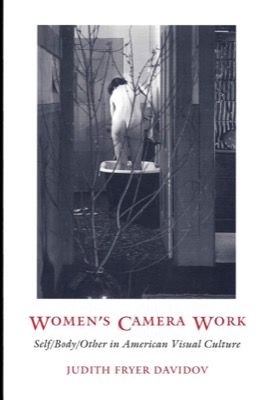
Softcover. Durham NC, Duke University Press, 1st, 1998, Book: Very Good, Dust Jacket: None, Softcover, 494 pages. Women's Camera Work explores how photographs have been and are used to construct versions of history and examines how photographic representations of otherness often tell stories about the self. In the process, Judith Fryer Davidov focuses on the lives and work of a particular network of artists linked by time, interaction, influence, and friendship--one that included Gertrude Kasebier, Imogen Cunningham, Dorothea Lange, and Laura Gilpin. Clean copy.
Hardcover. Cambridge MA, Harvard University Press, 1st, 2005, Book: Very Good, Dust Jacket: Very Good, Hardcover in a bright dust jacket, 558 pages. In the past twenty-five years, no one has been more instrumental than Catharine MacKinnon in making equal rights real for women. As Peter Jennings once put it, more than anyone else in legal studies, she "has made it easier for other women to seek justice." This collection, the first since MacKinnon's celebrated Feminism Unmodified appeared in 1987, brings together previously uncollected and unpublished work in the national arena from 1980 to the present, defining her clear, coherent, consistent approach to reframing the law of men on the basis of the lives of women.By making visible the deep gender bias of existing law, MacKinnon has recast legal debate and action on issues of sex discrimination, sexual abuse, prostitution, pornography, and racism. The essays in this volume document and illuminate some of the momentous and ongoing changes to which this work contributes; the recognition of sexual harassment, rape, and battering as claims for sexual discrimination; the redefinition of rape in terms of women's actual experience of sexual violation; and the reframing of the pornography debate around harm rather than morality. The perspectives in these essays have played an essential part in changing American law and remain fundamental to the project of building a sex-equal future. Clean copy.
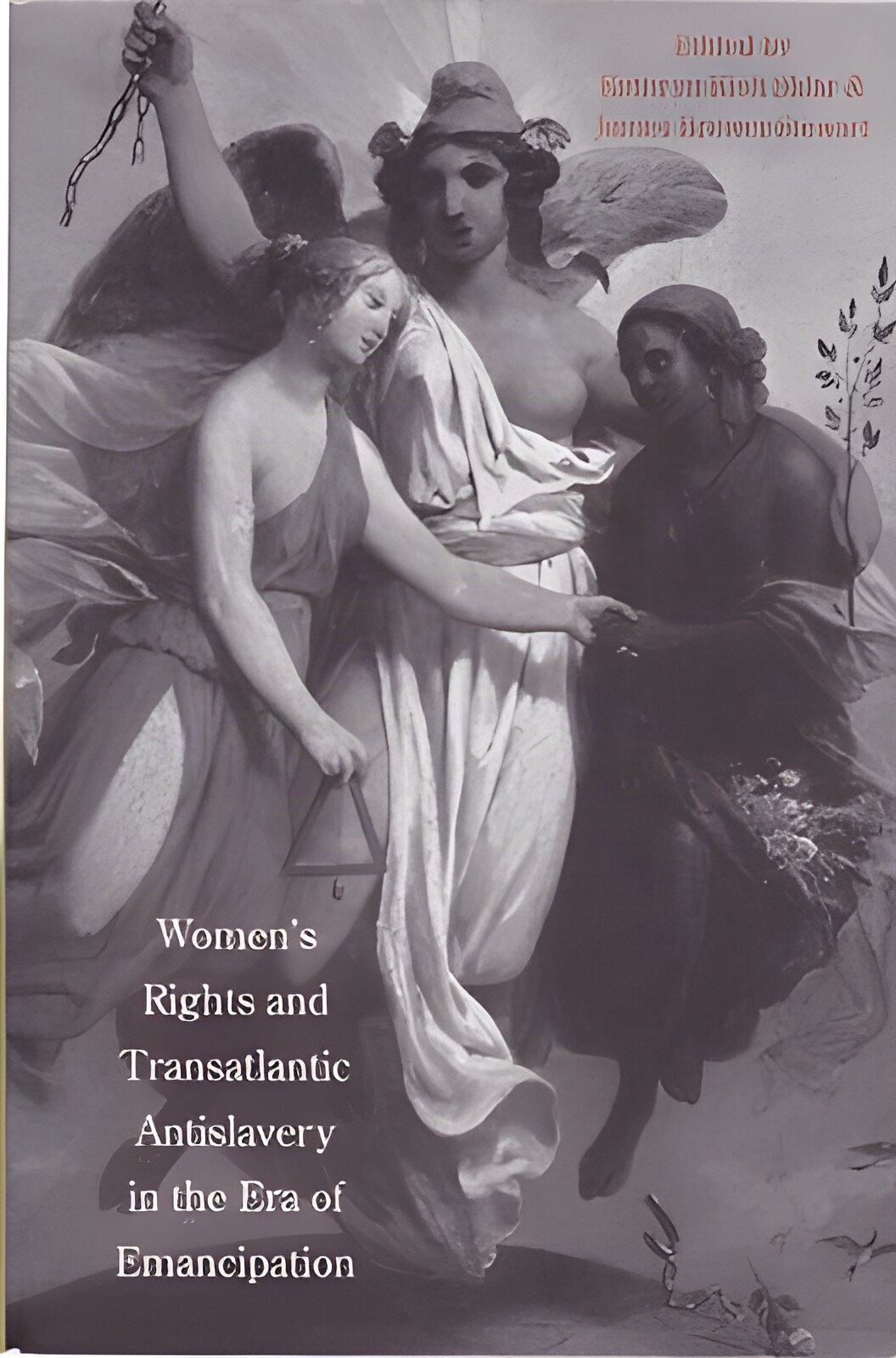
Softcover. New Haven CT, Yale University Press, 1st, 2007, Book: Very Good, Dust Jacket: None, Softcover, 385 pages, b&w illustrations. Two epochal developments profoundly influenced the history of the Atlantic world between 1770 and 1870-the rise of women's rights activism and the drive to eliminate chattel slavery. The contributors to this volume, eminent scholars from a variety of disciplines, investigate the intertwining histories of abolitionism and feminism on both sides of the Atlantic during this dynamic century of change. They illuminate the many ways that the two movements developed together and influenced one another. Approaching a wide range of transnational topics, the authors ask how conceptions of slavery and gendered society differed in the United States, France, Germany, and Britain; how women's activism reached across national boundaries; how racial identities affected the boundaries of women's activism; and what was distinctive about African-American women's participation as activists. Their thought-provoking answers provide rich insights into the history of struggles for social justice across the Atlantic world. Sine faded. Clean copy.
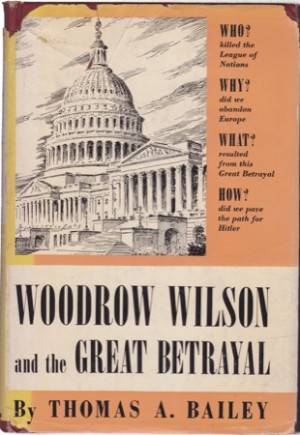
Hardcover. NY, The Macmillan Company, 1st, 1945, Book: Very Good, Dust Jacket: Poor, Hardcover in a very worn, chipped dust jacket, 429 pages. Maroon cloth with light blue lettering on spine. Bailey contends that Wilson's wartime isolationism, as well as his peace proposals at WWl's end were seriously flawed. Highlighting the fact that American delegates encountered staunch opposition to Wilson's proposed League of Nations, Bailey concluded that the president and his diplomatic staff essentially sold out, compromising American ideals to secure mere fragments of Wilson's progressive vision. Bookplate on inside front cover. Book very good, clean. Dust jacket poor.
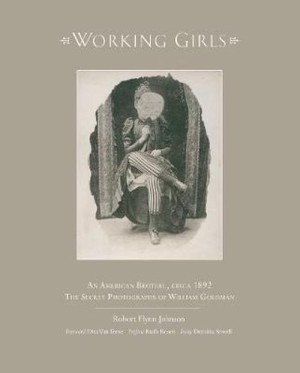
Hardcover. NY, Glitterati, 1st, Book: Very Good, Dust Jacket: Very Good, Hardcover in a bright dust jacket. After becoming captivated by the beauty and originality of a group of nineteenth-century photographs, Robert Flynn Johnson has uncovered more than two hundred vintage images of women who lived and worked at a brothel in Reading, Pennsylvania, circa 1892, and showcases them here for the first time for a wider public. Working Girls details the private, creative archive of commercial photographer William Goldman, whose imagery paints a complete picture of the environments that these women inhabited - from inside the brothel, posing artistically for the camera, to their off-duty routines, such as reading, smoking, and bathing. Taken two decades before the famous E. J. Bellocq photographs of prostitutes in Storyville, New Orleans, circa 1913, Johnson chronicles the aesthetic, historical, and sociological importance of Goldman's artwork in the history of photography, referencing them alongside paintings and photographs by such artists as Degas, Eakins, and Monsieur X. With essays that provide an insightful historical overview of Goldman's work in context of the period in which they were taken, by feminist and cultural luminaries including Dita Von Teese, Ruth Rosen and Dennita Sewell, this extraordinary collection provides a personal visual record of lives of these women while also offering a deeper understanding of the 'working girls' that existed in that era. Clean copy.





 "William Byrd of Westoverby: Richmond Croom Beatty")




 "Wilsonby: Berg, A. Scott")

 "Winslow Homer in the 1870s: Selections from the Valentine-Pulsifer Collectionby: Wilmerding, John")



 "Women of the War: Their Heroism and Self-Sacrificeby: Frank Moore")