Softcover. St. Louis MO, Wrought Iron Range Co., reprint, Book: Good, Dust Jacket: None, Softcover, 212 pages, stiff black card covers. Reprint edition of this combined cookbook and trade catalogue, which changed slightly with each change in stove models. The Model "AB" is the most recent stove depicted on page 12 (circa 1924). Includes recipes for breakfast, beverages, bread, dinner, salads, puddings, and household hints. Prior to and following the recipes is a variety of promotional information about the Wrought Iron Range Company. Illustrated product lists for stoves and accessories, company history, features about prizes and awards, an illustration of their exhibit at the 1893 World's Columbian Exposition, as well as references for businesses currently using their products. Previous owner's name on last blank page. Otherwise clean. Binding a little shakey but holding.
Hardcover. New York, Doubleday, Page, and Company, 1st, 1925, Book: Fair, Dust Jacket: None, Volume to accompany the American Wing of the Metropolitan Museum of Art in New York. 302 pp. Features 20 color plates in addition to 217 other black/white illustrations (mostly photographs). Covers beginnings of New England through the Early Days of the Republic. Development of Interior Architecture and House Decoration from craftsmen influenced by old world style and the evolution.Shows significant wear due to age and water damage. Discoloration throughout, though text still entirely legible and color still vivid in the plates. Edges show significant wear as well. Prior owner's name and date (1929) written in ink twice inside the cover.
Softcover. Lyndon VT, Lyndon Historical Society, reprint, 1995, Book: Very Good, Dust Jacket: None, Softcover. SIGNED BY AUTHOR. 166 pages, illustrated throughout in b&w. Clean, unmarked copy with only minor wear to wrappers.
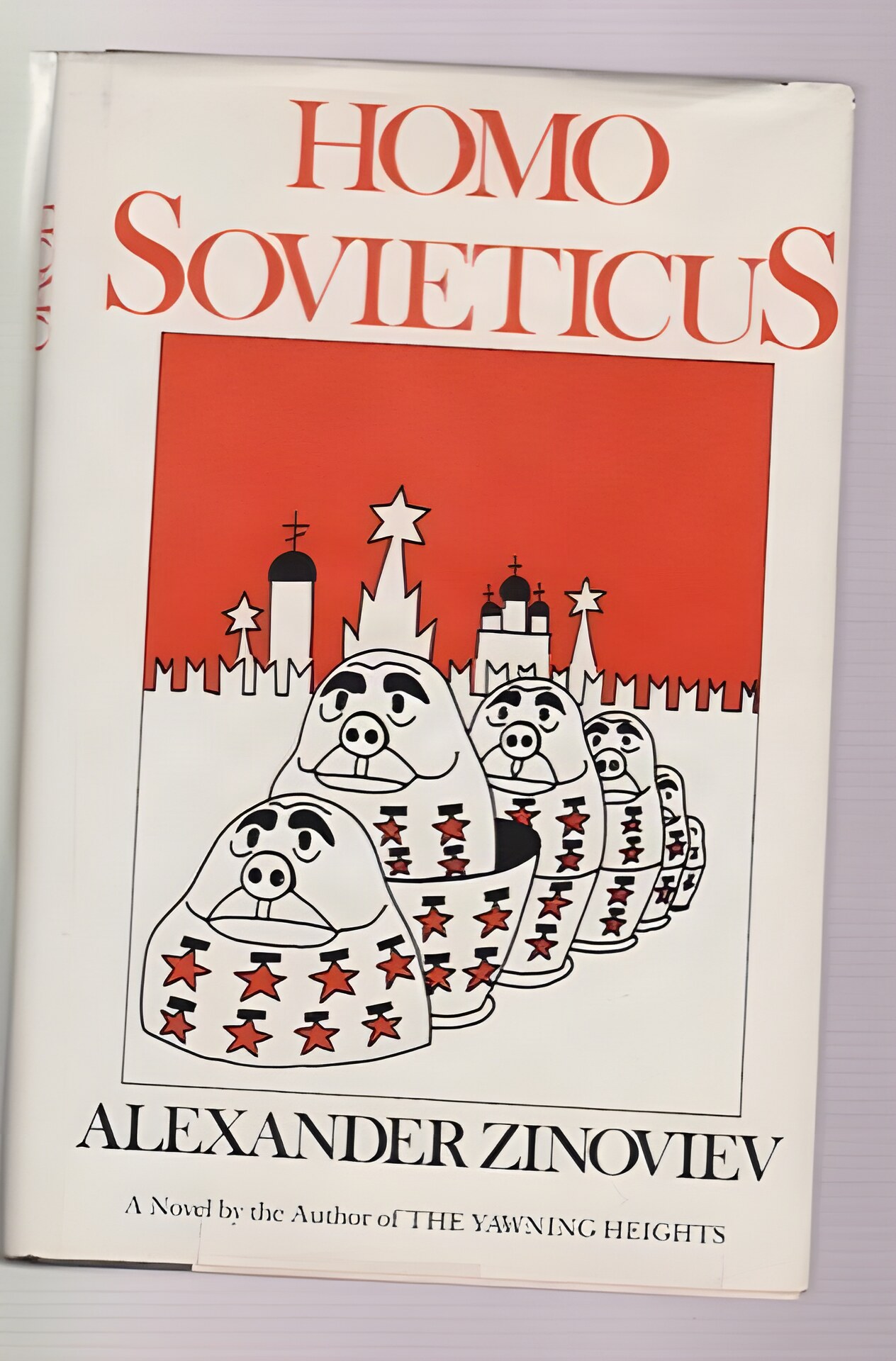
Hardcover. NY, Atlantic Monthly Press, 1st US, 1986, Book: Very Good, Dust Jacket: Very Good, Hardcover in a bright, unclipped dust jacket, 206 pages. Exploring the nature of a new people created by Soviet communal society, this novel centers on a group of Soviet emigres living in a boarding house in Germany, each seeking to establish a niche in the West. Dripping venom, the narrator ranges in systematic fashion through the actions of the communist regime from 1917 to the present, excoriating Soviet history. Seen through the cold eye of the observer, the System is duplicitous, corrupt, inefficient and boring, when it is not simply maddening. This furious, outraged, highly theatrical monologue documenting the emergence of the New Man, Homo sovieticus, will seem a definitive portrait to those familiar with the ways of the Kremlin. Clean copy.
Hardcover. US, Knopf, 3rd printing, 1998-01-27, Book: Very Good, Dust Jacket: Very Good, 383 pages. Clean, unmarked copy with only minor wear to dust jacket.
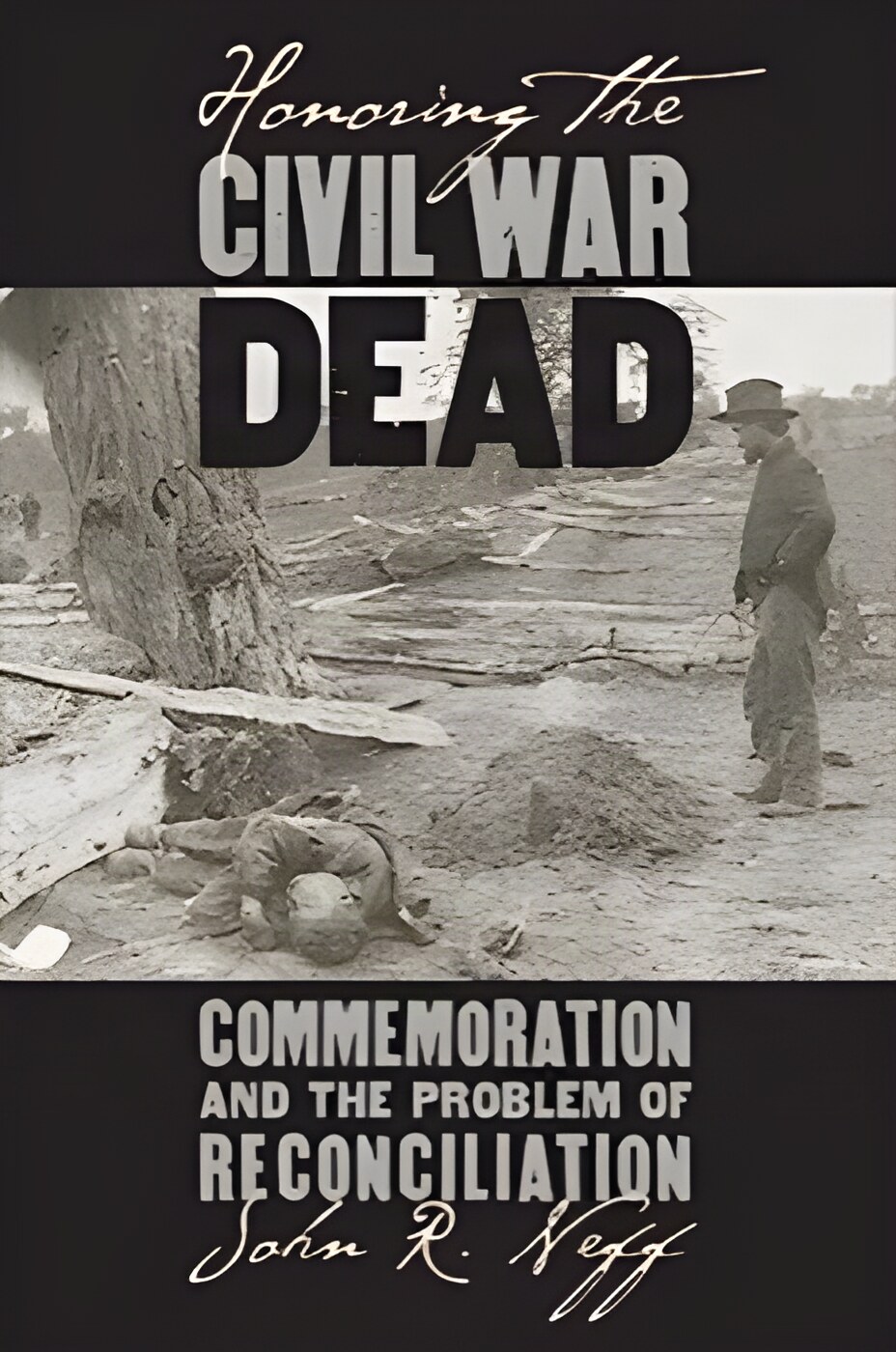
Hardcover. Lawrence KS, University Press of Kansas, 1st, Book: Very Good, Dust Jacket: Very Good, Hardcover in a bright dust jacket, 328 pages. By the end of the Civil War, fatalities from that conflict had far exceeded previous American experience, devastating families and communities alike. As John Neff shows, commemorating the 620,000 lives lost proved to be a persistent obstacle to the hard work of reuniting the nation, as every memorial observation compelled painful recollections of the war. Neff contends that the significance of the Civil War dead has been largely overlooked and that the literature on the war has so far failed to note how commemorations of the dead provide a means for both expressing lingering animosities and discouraging reconciliation. Clean copy.
Hardcover. NY, Dial Press, 1st, 1975, Book: Very Good, Dust Jacket: Very Good, Hardcover in a bright, unclipped dust jacket. 254 pages, b&w photos by Maggi Castelloe. In the early seventies, when the press and the President were at war, Washington journalists became superstars. A profile of the era. Clean copy.
Softcover. San Francisco, Chronicle Books, 1st, 1996, Book: Very Good, Dust Jacket: None, Softcover, 144 pages. In the tradition of the great photographic populists Alfred Eisenstaedt and Dorothea Lange, Horace Bristol used his camera to record the human, intimate moments in the grand sweep of history. Bristol's American view included the best and the worst of this century, from poignant images of the urban poor and migrant farm workers during the Depression to the battle scenes of World War II and compelling portraits of post-war Japan and Southeast Asia. This volume presents over one hundred twenty exquisitely reproduced duotone images by Bristol, ranging from his early San Francisco photographs to his last work, taken in Southeast Asia. Combining aesthetic purity with human interest, Horace Bristol's pioneering photography is imbued with an accuracy, strength of composition, and humility that is as striking today as it was groundbreaking in its time.
Hardcover. London, B. T. Batsford, 1st, 1963, Book: Very Good, Dust Jacket: Very Good, Hardcover in a lightly worn dust jacket. 264 pages, b&w illustrations. Name on front fly leaf, otherwise clean.
Hardcover. Mendota IL, The Wayside Press, 1st, 1964, Book: Very Good, Dust Jacket: Very Good, Hardcover in a bright dust jacket with light edgewear, chipping. A superb, anecdotal and personal (Gardner was a great Alger collector) biography of Alger and history of the Alger juveniles, with superb color plates of rare Alger items and a descriptive bibliography. Clean copy.
Hardcover. Burlington, VT, Lund Humphries, 1st, 2012, Book: Very Good, Dust Jacket: Very Good, 272 pages. Hardcover with dust jacket. Clean, unmarked copy with only minor wear to dust jacket. Color pictures throughout.
Hardcover. New York, Harper & Brothers, 1st, 1888, Book: Very Good, Dust Jacket: None, 176 pages. Illustrated with drawings by R. F. Zogbaum celebrating military life in France, Germany, Great Britain, and United States. Title in gilt on cover with drum and rifle illustration. Cloth missing from top 3/8" of spine. Corners of front and back covers bumped and rubbed. Previous owners name on front endpaper. Clean, tight copy.
Softcover. Greendale WI, Reiman Publications, 1st, 1987, Book: Very Good, Dust Jacket: None, Softcover, 252 pages, an amazing collection of vintage and antique photos of horses in harnesses. Working horses get their respect in this softcover book covering nearly every category of horse drawn carriage, cart, wagon. Logging to fire to coal to breweries. Also includes many images of harnesses, hitching posts, sleighs. Shows men and women who cared for working horses, from farms to cities. Clean, bright copy.
Hardcover. Annapolis MD, Naval Institute Press, 2nd pr., 1991, Book: Very Good, Dust Jacket: Very Good, Hardcover in a bright dust jacket, 313 pages. Red cloth covers, gilt titles, red dust jacket with color illustration, b&w maps and illustrations. Slight wear to dust jacket, pages crisp and unmarked, tight binding; overall, a clean, tight copy. In 1949, as the Chinese Civil War was about to enter its final, explosive stage, the small British frigate HMS Amethyst was sent on a dangerous mission up the Yangtze River to protect British citizens in Nanking. En route it was attacked by the Chinese Communists and held hostage on the river for several months before the crew managed to make a daring escape. The Amethyst captured news headlines around the world and became an unlikely symbol of the cold war in Asia. This dramatic episode, hailed in the West as a triumph of the human spirit but bitterly condemned by the Chinese Communists, was to prejudice Anglo-Chinese relations for years to come.
Hardcover. Baltimore, Johns Hopkins University, 1st, 2011, Book: Very Good, Dust Jacket: Very Good, Hardcover in a bright dust jacket, 318 pages. From the time they emerged in American cities in the 1820s, commercial luxury hotels were far more than places where a traveler could eat and sleep-they were icons of style, opulence, and technological sophistication. Molly W. Berger offers a compelling history of the American hotel and how it captured the public's imagination as it came to represent the complex-and often contentious-relationship among luxury, economic development, and the ideals of a democratic society. From New York to San Francisco and points in between, Berger profiles the country's most prestigious hotels, including Boston's 1829 Tremont, which served as a model for luxury hotel design; San Francisco's world famous Palace, completed in 1875; and Chicago's enormous Stevens, built two years before the great crash of 1929. The fascinating stories behind their design, construction, and marketing reveal in rich detail how these buildings became cultural symbols that shaped the urban landscape. Clean copy.
Hardcover. New Haven CT, Yale University Press, 1st, 2008, Hardcover, 384 pages. When George Washington embarked on his presidential tours of 1789-91, the rudimentary inns and taverns of the day suddenly seemed dismally inadequate. But within a decade, Americans had built the first hotels--large and elegant structures that boasted private bedchambers and grand public ballrooms. This book recounts the enthralling history of the hotel in America--a saga in which politicians and prostitutes, tourists and tramps, conventioneers and confidence men, celebrities and salesmen all rub elbows. Hotel explores why the hotel was invented, how its architecture developed, and the many ways it influenced the course of United States history. The volume also presents a beautiful collection of more than 120 illustrations, many in full color, of hotel life in every era.
New Haven CT, Yale University Press, 1st, 2008, Book: Very Good, Dust Jacket: Very Good, Hardcover in a bright dust jacket. 375 pages including index, color and b&w illustrations. When George Washington embarked on his presidential tours of 1789?-91, the rudimentary inns and taverns of the day suddenly seemed dismally inadequate. But within a decade, Americans had built the first hotels?, large and elegant structures that boasted private bedchambers and grand public ballrooms. This book recounts the enthralling history of the hotel in America?a saga in which politicians and prostitutes, tourists and tramps, conventioneers and confidence men, celebrities and salesmen all rub elbows. Hotel explores why the hotel was invented, how its architecture developed, and the many ways it influenced the course of United States history. The volume also presents a beautiful collection of more than 120 illustrations, many in full color, of hotel life in every era. Clean, bright copy.
Hardcover. US, Thames & Hudson Ltd, 1st, 1992, Book: Very Good, Dust Jacket: Very Good, Hardcover, 224 pages, illustrated throughout in color and b&w. Light edgewear to dust jacket, else a clean, tight copy. From its founding in 1875, the firm of Liberty has been a byword for high-quality design. Arthur Lasenby Liberty, its founder, set out to transform the appearance of dress and interior decoration; that sense of energy and excitement remains integral to the house, making Liberty a world-recognized name. This account and celebration is divided into chronological sections. It begins with the early emporium and ends with a survey of the institution's influence on post-war aesthetics and design. The Arts and Crafts Movement found Liberty's associated with leading craftsmen-designers. After World War I its textiles continued the famous lines of prints. Now, in keeping with its role as innovator, the firm continues to commission designers and to promote both traditional and avant-garde furniture and artifacts. This history of a unique enterprise reflects in microcosm major developments in taste from the late 19th-century to the present.
Hardcover. Washington DC, Cooper Hewitt, Smithsonian Design Museum, 1st, 2008-09-15, Book: Very Good, Dust Jacket: Very Good, Hardcover, 160 pages, illustrated throughout in color. Clean, unmarked copy with only minor wear to dust jacket. Essays analyzing these beautiful, exquisitely detailed watercolors and their significance to the Museum's collection, accompanied by the watercolors and related objects from the permanent collection, document the evolution of the domestic interior in the nineteenth century, revealing the impact of economic, social, and political developments on the concept of the home.
Hardcover. Washington DC, Cooper Hewitt, Smithsonian Design Museum, 1st, 2008, Book: Very Good, Dust Jacket: Very Good, Hardcover, 160 pages, illustrated throughout in color. Clean, unmarked copy with only minor wear to dust jacket. Essays analyzing these beautiful, exquisitely detailed watercolors and their significance to the Museum's collection, accompanied by the watercolors and related objects from the permanent collection, document the evolution of the domestic interior in the nineteenth century, revealing the impact of economic, social, and political developments on the concept of the home.
Hardcover. NY, D. Appleton-Century Co,, 1st, 1939, Book: Very Good, Dust Jacket: None, Hardcover, brown cloth with light blue lettering, 420 pages. Many b&w illustrations and photos. A resource for new home owners (circa 1930s) covering all aspects: financing, design, furnishings, improvements, household labor, etc. A nice visual resource for the time period. Name on front fly leaf otherwise clean.
Hardcover. New York, Farrar Straus Giroux, 1st, 2008, Book: Very Good, Dust Jacket: Very Good, Non-paginated. Hardcover. SIGNED BY THE AUTHOR AT BOTTOM OF TITLE PAGE. Full color illustrations by Shulevitz. Clean, bright copy.
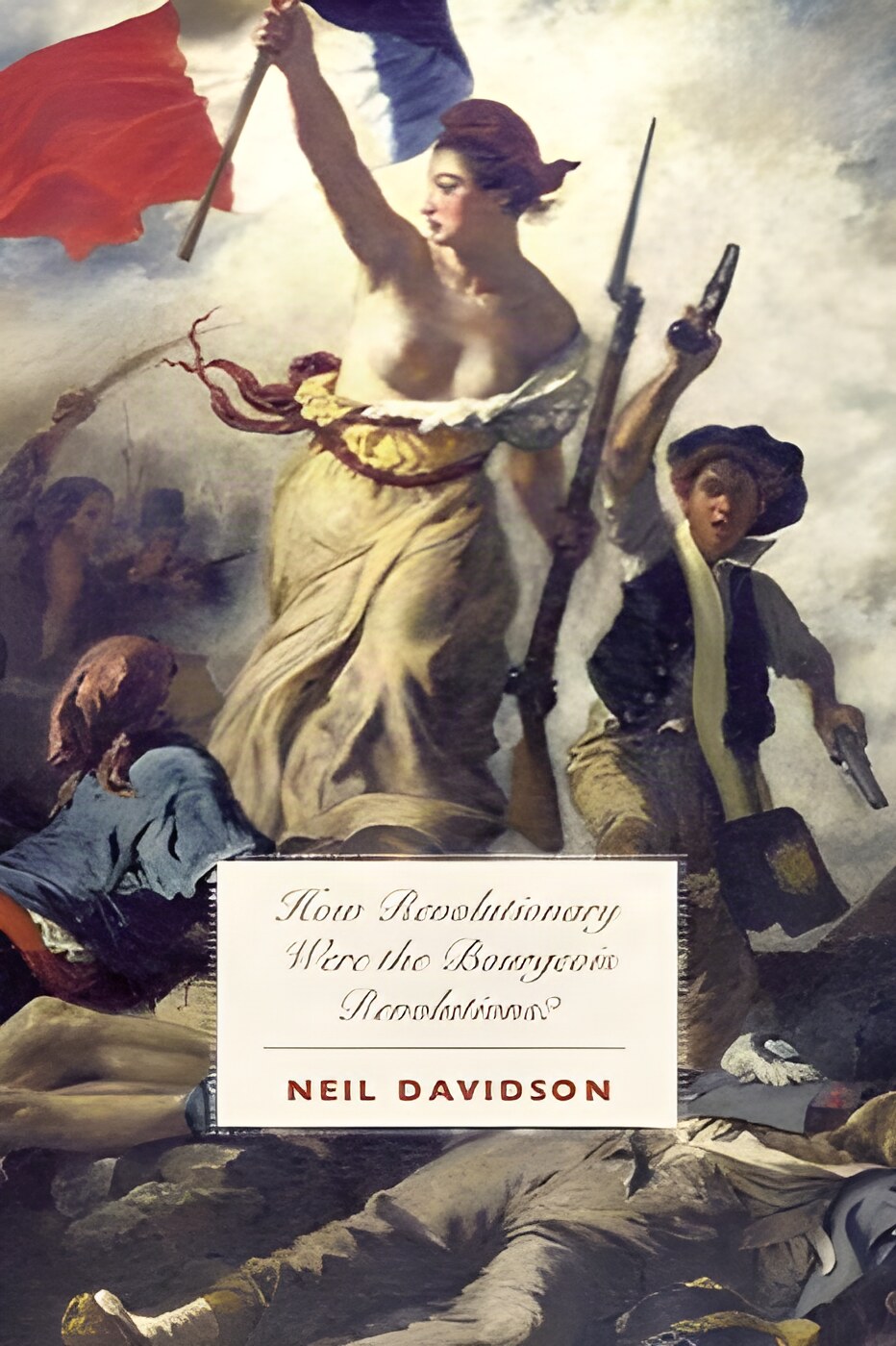
Softcover. Chicago, Haymarket Books, 1st, 2012, Book: Very Good, Dust Jacket: None, Softcover, 812 pages. Once of central importance to left historians and activists alike, the concept of the bourgeois revolution has recently come in for sustained criticism from both Marxists and conservatives. In this comprehensive rejoinder, Neil Davidson seeks to answer the question by systematically examining the approach taken by a wide range of thinkers to explain their causes, outcomes, and content across the historical period from the sixteenth-century Reformation to twentieth-century decolonization. Davidson's far-reaching research and comprehensive analysis shows that far from being a stale issue for the history books, understanding these struggles of the past can offer insightful lessons for today's radicals. Clean copy.

 "Home Comfort Cook Book: Containing a General Course of Instruction in the Art of Home Cooking and Canning Including 1000 Modern Recipes and Valuable Formulae:Also Many Pages of Interesting and Valuable Information of Special Characte")
 "Homes of Our Ancestors, Theby: Halsey & Tower, R. T. H. & Elizabeth")
 "Hometown Album (SIGNED COPY)by: Fisher, Harriet F")
 "Honor's Voice: The Transformation of Abraham Lincolnby: Wilson, Douglas L.")
 "Hope and Fear in Washington (The Early Seventies) The Story of the Washington Press Corps by: Collier, Barney (Maggi Castelloe, Photographs)")
 "Horace Bristol: An American View by: Ken Conner, Debra Heimerdinger")


 "Horse and History: From Arabia to Ascotby: Curtis, John and Nigel Tallis")
 "Horse, Foot, and Dragoons - Sketches of Army Life at Home and Abroadby: Zogbaum, Rufus Fairchild")
 "Horses in Harness: A Pictorial Recollection of the Horse-Drawn Decades by: Charles Philip Fox")

 "Hotel Dreams: Luxury, Technology, and Urban Ambition in America, 1829-1929 by: Berger, Molly W.")
 "Hotel: An American Historyby: Andrew K. Sandoval-Strausz")
 "House of Liberty, The : Masters of Style and Decorationby: Calloway, Stephen")
 "House Proud: Nineteenth-Century Watercolor Interiors from the Thaw Collectionby: Davidson, Gail")
 "House Proud: Nineteenth-Century Watercolor Interiors from the Thaw Collectionby: Gail S Davidson Floramae McCarron Cates Charlotte Gere")



 "How I Learned Geography (SIGNED COPY)by: Shulevitz, Uri")
 "How The Farm Pays The Experiences of Forty Years of Successful Farming & Gardening by: Crozier, William & Peter Henderson")