Hardcover. NY, Grove Press, 1st, 2023, Book: Very Good, Dust Jacket: Very Good, Hardcover in a bright, unclipped dust jacket. 259 pages. When Ada Calhoun stumbled upon old cassette tapes of interviews her father, celebrated art critic Peter Schjeldahl, had conducted for his never-completed biography of poet Frank O'Hara, she set out to finish the book her father had started forty years earlier. As a lifelong O'Hara fan who grew up amid his bohemian cohort in the East Village, Calhoun thought the project would be easy, even fun, but the deeper she dove, the more she had to face not just O'Hara's past, but also her father's, and her own. The result is a groundbreaking and kaleidoscopic memoir that weaves compelling literary history with a moving, honest, and tender story of a complicated father-daughter bond. Also a Poet explores what happens when we want to do better than our parents, yet fear what that might cost us; when we seek their approval, yet mistrust it.
Softcover. Raleigh NC, TwoMorrows, 1st, 2024, Book: Very Good, Softcover, staoled, 80 pages. Issue devoted to Edmond Hamilton, science fiction author. "Writer of Two Worlds" by Glen Cadigan. Iiiustrated in color and b&w. Clean copy.
Hardcover. New York, Hyperion, 1st, 1993, Book: Very Good, Dust Jacket: Very Good, Hardcover in a very good, unclipped dust jacket. Non-paginated. SIGNED BY ANDREA DAVIS PINKNEY AND BRIAN PINKNEY ON TITLE PAGE. Full color illustrations. Clean, bright copy.
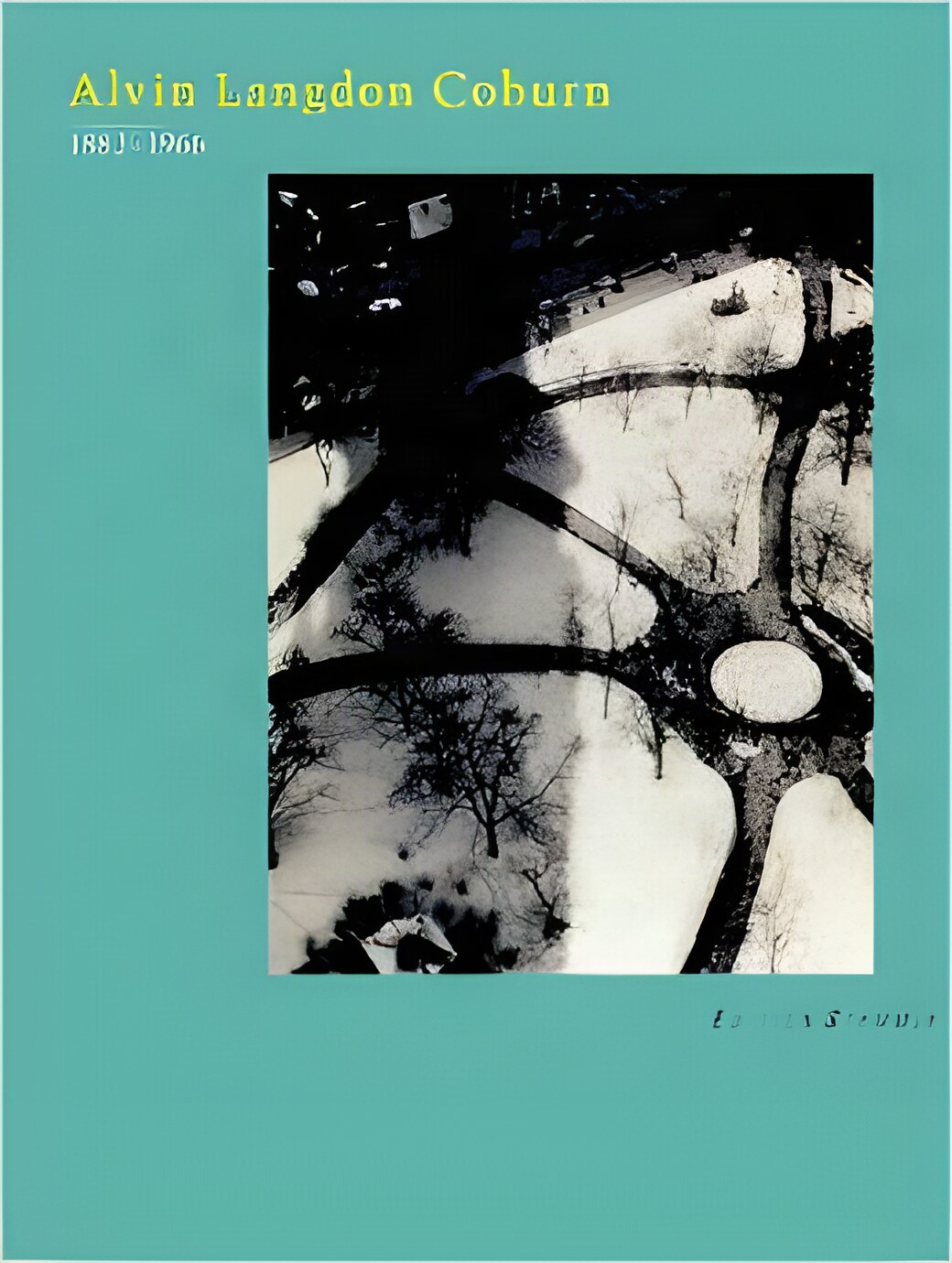
Hardcover. US, Edition Stemmle, 1st, 1998, Book: Very Good, Dust Jacket: Very Good, 208 pages, illustrated throughout in sepia. Light edgewear and tanning to dust jacket, else a clean, tight copy. Alvin Langdon Coburn (1882-1966) is remembered today as one of photography's early masters and great innovators. This monograph investigates the unconventional nature of his personal and artistic achievements. Coburn's landscapes, cityscapes, portraits, and Vortographs reflect his unprecedented steps towards the creation of a photography of symbol and abstraction.
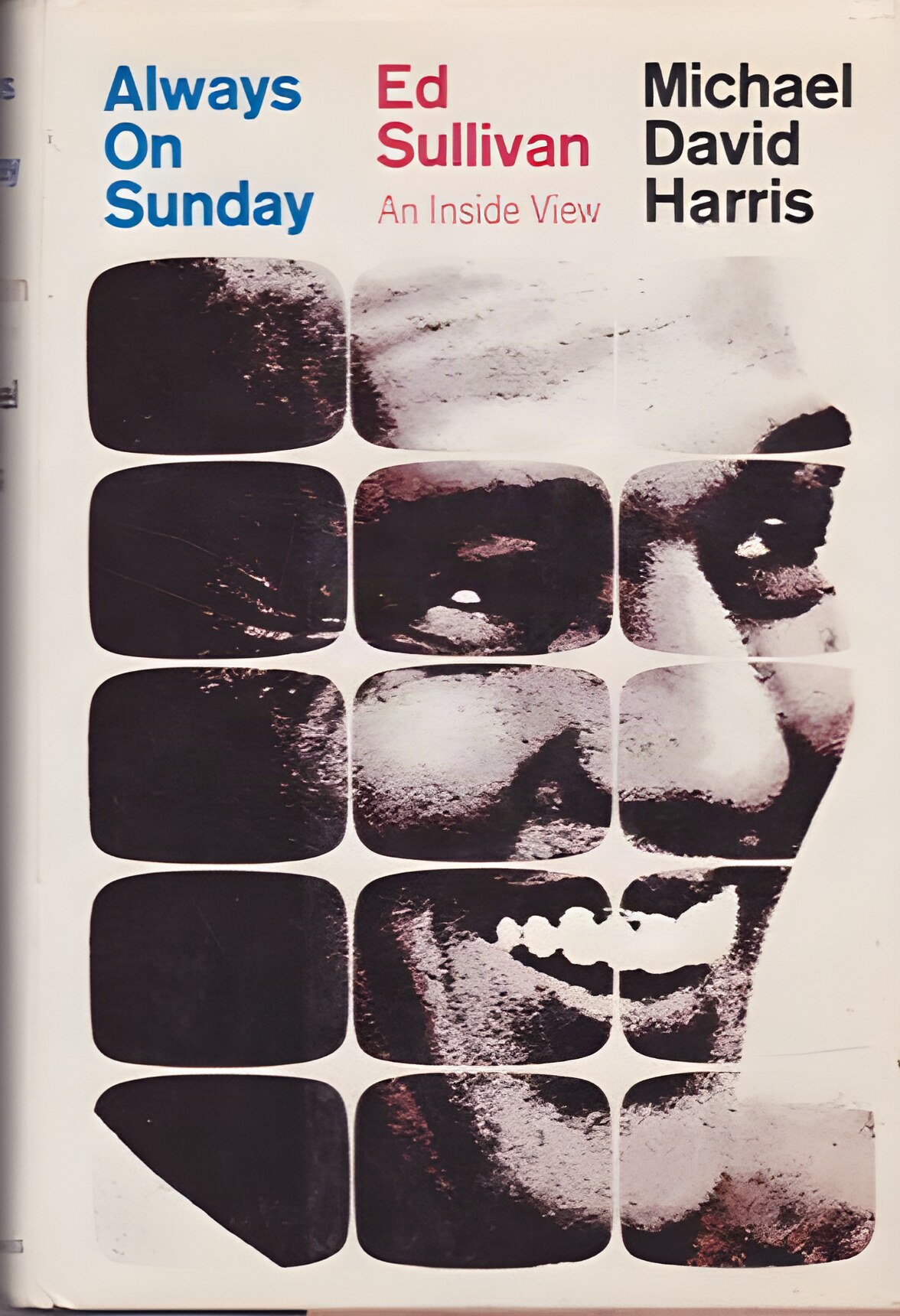
Hardcover. NY, Meredith Press, 1st, 1968, Book: Very Good, Dust Jacket: Very Good, Hardcover in a bright, unclipped dust jacket. Ed Sullivan's variety show was an American institution, running Sunday nights for twenty-three years, from the dawn of television in 1948 until 1971. Even relatively young readers have probably seen clips of Sullivan introducing Elvis Presley, the Beatles, or saying, "We've got a really big shew." "Always on Sunday" gives us a broad view of Sullivan, who turns out much more complex than I would have guessed. Some stories you might have heard for years are debunked - not all of Elvis' appearance were from the waist up for example. Although the book focuses on the period from the debut of "The Toast of the Town" (the original name of the show) until the late-60s, when the book was originally published, it gives a decent overview of his life prior to the show and insight into what made Sullivan tick. For example, he was an early supporter of equal rights and booked appearances by stars regardless of race when that was uncommon. Clean copy.
Hardcover. New York, Bulfinch Press, First Edition, 2004, Book: Very Good, Dust Jacket: Very Good, 127 pages. Hardcover. Wine cloth boards with silver titles to spine. Full page, black & white photographs throughout. Clean, unmarked copy.
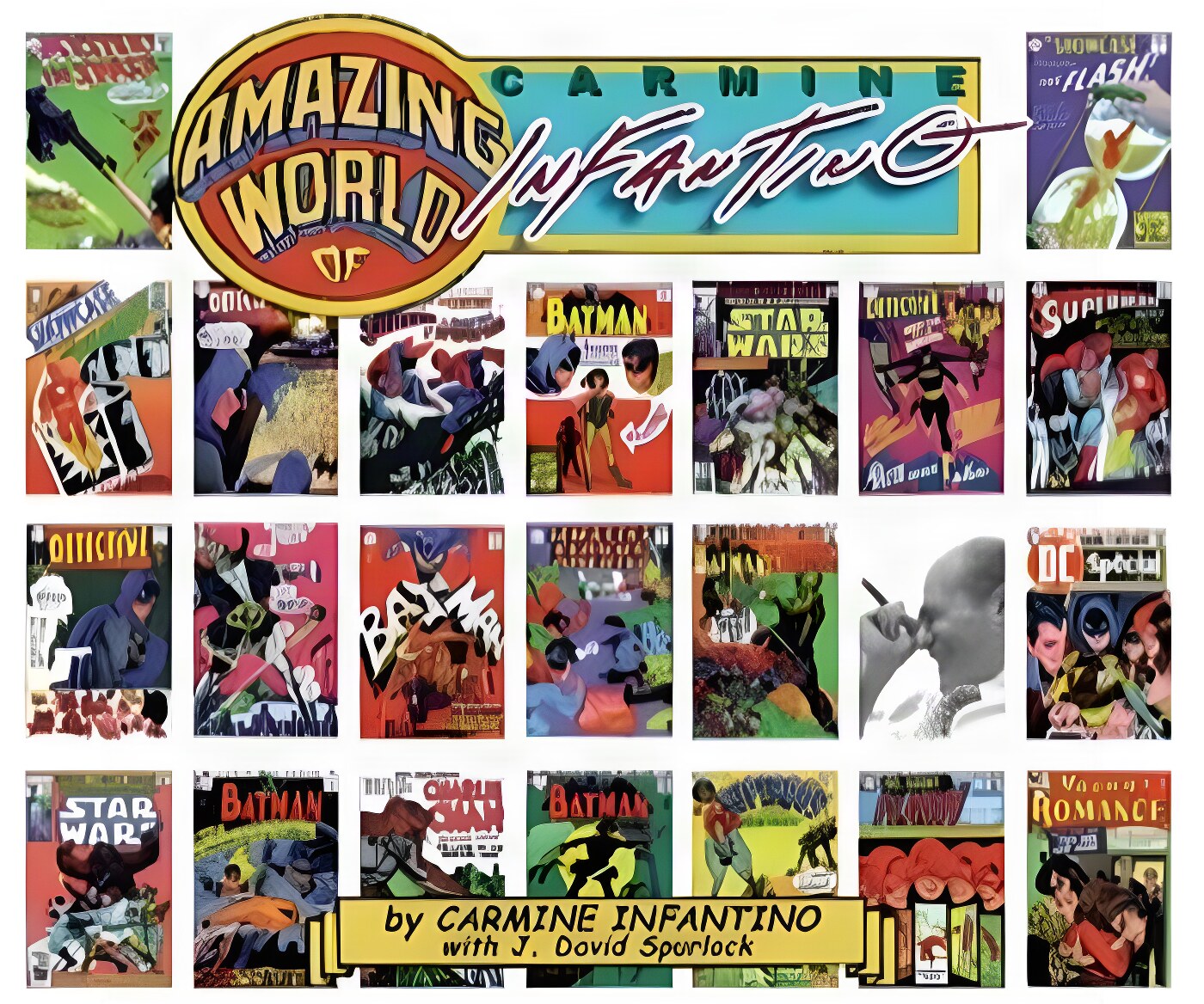
Hardcover. Lebanon NJ, Vanguard, 2nd Pr., 2001, Book: Very Good, Dust Jacket: None, Hardcover in a bright dust jacket, 192 pages, illustrated in b&w and color. In his 60-year career, Carmine Infantino practised nearly every job in the field of comics, for a "Who's Who" list of publishers. But Infantino will always be remembered as the personification of DC Comics' Silver Age. Infantino helped to resurrect a dying comics industry in 1956 as the artist who launched the Silver Age with his co-creation, the Flash, and remains the best remembered Flash artist of all-time. Infantino proved one of the all-time, great sci-fi artists with his elegant, cityscaped Adam Strange. The only sci-fi comic to rival the sales of Adam Strange was Star Wars, to which Infantino also contributed. In 1964, Infantino became indispensable to the Batman legacy. He, with editor Julius Schwartz, saved the Caped Crusader's comics from impending cancellation with the "New Look Batman." Infantino also redesigned the Batmobile and with Schwartz, created Batgirl. This is Infantino's own history of comics with co-author J. David Spurlock, through Infantino's experiences, from the industry's primordial, Golden Age, through his artistic achievements, corporate years at DC Comics, and post-corporate years including his animation work, teaching, return as a top artist to DC, and Batman newspaper strip. Foreword by Joe Kubert. Afterword by Jim Steranko. Clean copy.
Hardcover. Giverney, France, Library of Congress/Musee d'Art Giverny, 1st, 2001, Book: Very Good, Dust Jacket: Very Good, Hardcover, 200 pages. Lovely copy. Minor wear to dust jacket, else like new. An exhibition held in Paris a century ago demonstrated the key role American women photographers played in the international pictorialist movement. Each of the 29 artists, including such well-known figures as Gertrude Kaesebier, Amelia van Buren and Zaida Ben-Yusuf, is represented in a selection of approximately 70 breathtaking color plates drawn from the Frances Benjamin Johnston Collection at the Library of Congress and the National Museum of American History. The photographs include landscapes, portraiture, genre scenes, and still-lifes, all of which are evocatively composed and delicately toned using a variety of photographic techniques.
Hardcover. Washington DC, Library of Congress/Musee d'Art Giverny, 1st, 2001, Book: Very Good, Dust Jacket: Very Good, Like new in publishers shrink-wrap. Hardcover exhibition catalog with a dust jacket. 200 pages, 218 bw plates. An exhibition held in Paris a century ago demonstrated the key role American women photographers played in the international pictorialist movement. The accomplishment of these professional and amateur photographers clearly demonstrated a mastery of the medium and made a strong impression on those in attendance. Ambassadors of Progress explores this largely unknown event. Each of the 29 artists, including such well-known figures as Gertrude Kaesebier, Amelia van Buren and Zaida Ben-Yusuf, is represented in a selection of approximately 70 breathtaking color and b&w plates.
Hardcover. US, Library of Congress/Musee d'Art Giverny, 1st, 2001, Book: Very Good, Dust Jacket: Very Good, Like new in publisher's shrink-wrap. Hardcover, 250 pages. An exhibition held in Paris a century ago demonstrated the key role American women photographers played in the international pictorialist movement. The accomplishment of these professional and amateur photographers clearly demonstrated a mastery of the medium and made a strong impression on those in attendance. Ambassadors of Progress explores this largely unknown event. Each of the 29 artists, including such well-known figures as Gertrude Kaesebier, Amelia van Buren and Zaida Ben-Yusuf, is represented in a selection of approximately 70 breathtaking color plates drawn from the Frances Benjamin Johnston Collection at the Library of Congress and the National Museum of American History. The photographs include landscapes, portraiture, genre scenes, and still-lifes, all of which are evocatively composed and delicately toned using a variety of photographic techniques. The book contains essays by Verna Curtis (Curator of Photography, Library of Congress -- on Frances Benjamin Johnston as photographer and curator), Michel Poivert (President, Societe Francaise de Photographie -- on the French critical reception), Derrick R. Cartwright (Director, Hood Museum of Art, Dartmouth College -- on the relationship of pictorialist photography to contemporary American painting), and Andrew Robb (Senior Photograph Conservator, Library of Congress -- on the conservation processes surrounding these works).
Hardcover. New York, William Morrow, 1st, 2003, Book: Very Good, Dust Jacket: Very Good, 336 pages. Hardcover with dust jacket. Black and white illustrations and photographs. Cloth boards with gilt lettering on spine. Pictorial dust jacket shows light edgewear. Containing nearly 600 black-and-white photographs and illustrations, and articles by numerous experts, Amelia Peabody's Egypt sparkles with unforgettable glimpses of the exotic and the bizarre, the unusual and the unfamiliar -- a treasure trove that overflows with Egyptological riches, along with wonderful insights into the culture and mores of the Victorian era, including the prevalent attitudes on empire, fashion, feminism, tourists, servants, and much more.
Hardcover. New York , Aperture, 1st, 1977, Book: Very Good, Dust Jacket: Very Good, 142 pages, 87 full page b&w plates, 23 illustrations in text. Contributions by Naomi and Walter Rosenblum, Alan Trachtenberg. In a bright, unclipped dust jacket.
Chicago, Chicago Review Press, 1st, 2014, Book: Very Good, Dust Jacket: Very Good, Hardcover in a bright dust jacket. The presidential election of 1844 was one of the two or three most momentous elections in American history. Had Henry Clay won instead of James K. Polk, we'd be living in a very different country today. Polk's victory cemented the westward expansion that brought Texas, California, and Oregon into the union. It also took place amid religious turmoil that included anti-Mormon and anti-Catholic violence, and the "Great Disappointment," in which thousands of followers of an obscure preacher named William Miller believed Christ would return to earth in October 1844. Author and journalist John Bicknell details even more compelling, interwoven events that occurred during this momentous year: the murder of Joseph Smith, the religious fermentation of the Second Great Awakening, John C. Fremont's exploration of the West, Charles Goodyear's patenting of vulcanized rubber, the near-death of President John Tyler in a freak naval explosion, and much more. All of these elements illustrate the competing visions of the American future--Democrats versus Whigs, Mormons versus Millerites, nativists versus Catholics, those who risked the venture westward versus those who stayed safely behind--and how Polk's election cemented the vision of a continental nation. Clean copy.
Hardcover. GR, Steidl, 1st, 2008, Book: Very Good, Dust Jacket: Very Good, Hardcover, 272 pages. One of the most intriguing and little studied forms of nineteenth-century photography is the tintype. Introduced in 1856 as a low-cost alternative to the daguerreotype and the albumen print, the tintype was widely marketed from the 1860s through the first decades of the twentieth century as the most popular photographic medium. The picture-making preference of the people, it was almost never used for celebrity portraiture: It was affordable, portable, unique and available almost everywhere. Because of its ubiquity, the tintype provides a startlingly candid record of the political upheavals that rocked the four decades following the American Civil War-and the personal anxieties they induced. As this book's author, Steven Kasher, argues, the tintype studio became a kind of performance space in which sitters could act out their personal identities. Sitters brought to the tintype studio not just their family and friends but also the tools of their trade, costumes, toys, stuffed animals and other such props. Often they would enact stereotypes and fantasies that reflected or challenged conventional gender, race and class roles. Surprisingly, the tintype was almost exclusively an American phenomenon, rarely used in other countries, and this book demonstrates how this modest form of photography provides extraordinary insight into the development of national attitudes and characteristics in the formative years of the early Modern era. Featured in this book are more than 200 remarkable examples of tintypes, mostly drawn from the Permanent Collection of the International Center of Photography in New York.
Hardcover. North Hollywood CA, National Association of Theatre Owners, 1st, 1993, Book: Very Good, Dust Jacket: Very Good, Hardcover, 256 pages, color and b&w illustrations. Lavish and marvelous pictorial on movie theatres and how movies were presented including the publicity and all the hoopla that surrounded the movie going experience from the first nickelodeons to the majestic movie palaces and all the wonderful small neighborhood theatres. Loaded with 100's of b&w photos publicity material and more with many color photos.
Hardcover. New York, Abbeville Press, 1st, 1989, Book: Very Good, Dust Jacket: Very Good, Hardcover, 295 pages, illustrated in color and b&w, index. Great collection of comic strip art and a history of the art form seen through careers of 16 famous cartoonists: Outcault, Dirks, McKay, Herriman, others. Large, heavy book. Bright, clean copy in a dust jacket.
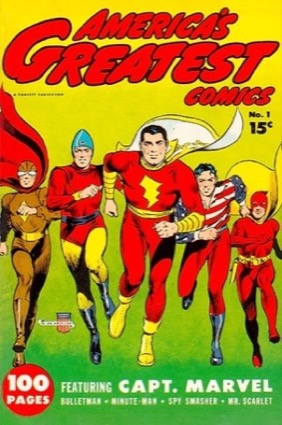
Softcover. PS Artbooks, reprint, 2025, Book: Very Good, Dust Jacket: None, Softcover. A true golden age masterpiece returns! Originally published by Fawcett Comics in 1941, this 100-page giant is now stunningly remade as a facsimile edition by PS Artbooks. Packed with thrilling adventures, America's Greatest Comics #1 features an all-star lineup of iconic heroes, including Captain Marvel, Bulletman, Spy Smasher, and more, battling evil in action-packed tales of courage and justice. With its dynamic stories and classic artwork, this meticulously restored edition captures the spirit of a bygone era. A must-have for collectors and fans of superhero history, this is vintage comic greatness at its finest! Clean copy.
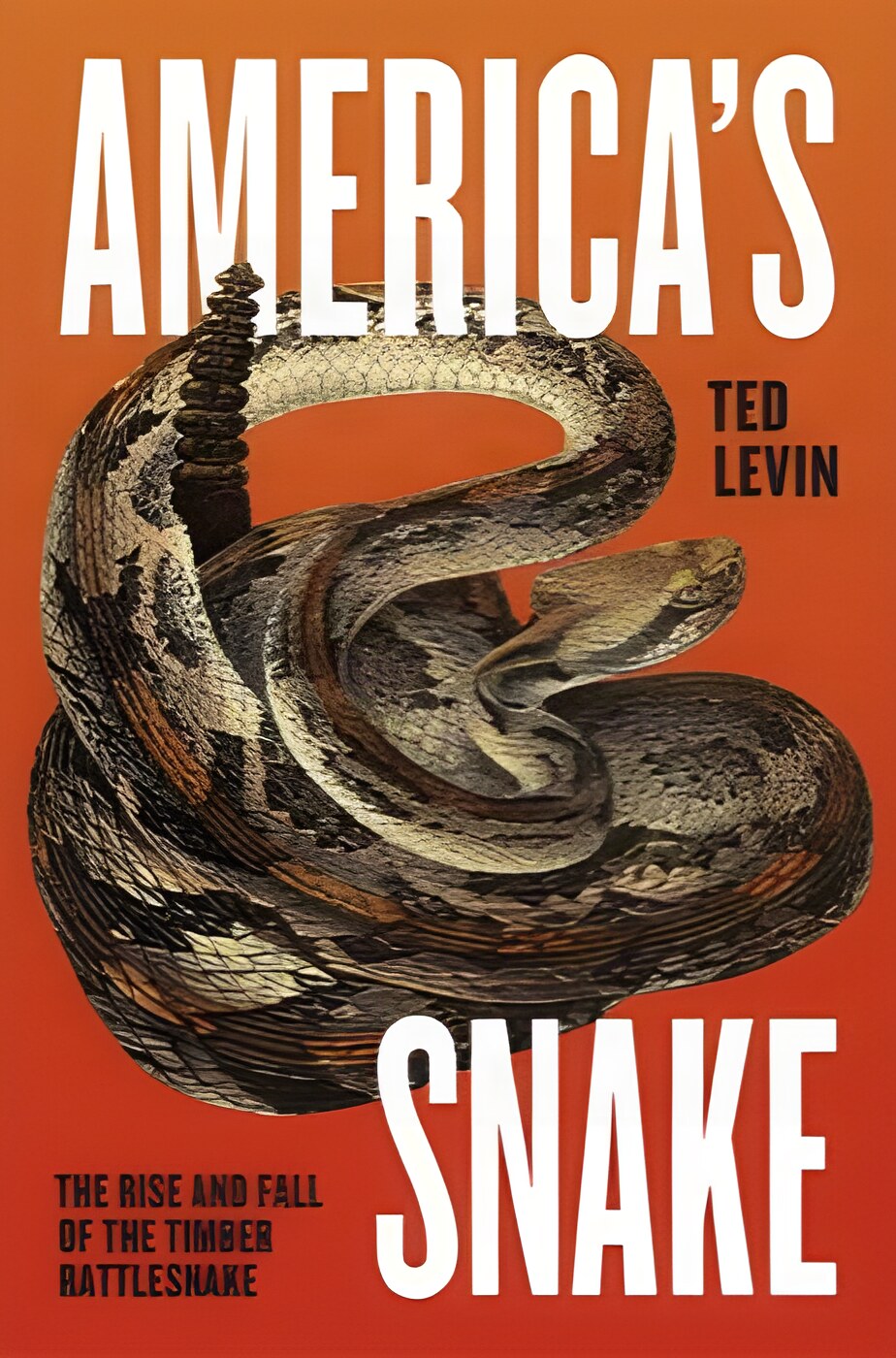
Hardcover. University of Chicago Press, 1st, 2016, Book: Very Good, Dust Jacket: Very Good, Hardcover in a bright dust jacket, 481 pages. A portrait of the timber rattlesnake, its place in America's pantheon of creatures and in our own frontier history--and of the heroic efforts to protect it against habitat loss, climate change, and the human tendency to kill what we fear. Taking us from labs where the secrets of the snake's evolutionary history are being unlocked to far-flung habitats whose locations are fiercely protected by biologists and dedicated amateur herpetologists alike, Levin paints a picture of a fascinating creature: peaceable, social, long-lived, and, despite our phobias, not inclined to bite. The timber rattler emerges here as emblematic of America and also, unfortunately, of the complicated, painful struggles involved in protecting and preserving the natural world. Clean copy.
New York, Macmillan, 1st, 1947, Book: Good, Dust Jacket: Good, Hardbound, 144 pages. Black & white and color illustrations by the Petershams. Edgewear, chipping, soiling to dust jacket. Brodart cover.
Hardcover. Boston, Gray & Bowen, 1st, 1830, Book: Good, Dust Jacket: None, Hardcover, 312 pages, leather spine and corners with marbled boards. Gilt title on spine. Copyright page states "on the eleventh day of November, A. D. 1830." With frontispiece folding map of the eclipse of Feb 12th, in its passage across the United States. A very good copy with mild wear to leather, map in very good condition. moderate foxing to text. There is some minimal marking, numbers and light residue to endpapers.
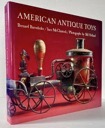
Hardcover. New York, Harry N. Abrams, Inc., 1st, 1980, Book: Very Good, Dust Jacket: Very Good, Hardcover, 282 pages, plus index. Text by Bernard Barenholtz and Inez McClintock, photographs by Bill Holland. Light blue cloth covers with gilt titles to spine, illustrated laminate dust jacket, 285 illustrations including 100 plates in full-color. Light rubbing to dust jacket, clean boards, pages crisp and unmarked; a very clean, tight copy in great condition.
Hardcover. New York, Harry N. Abrams, Inc., 1st, 1980, Book: Very Good, Dust Jacket: Very Good, Hardcover, 282 pages, plus index. Text by Bernard Barenholtz and Inez McClintock, photographs by Bill Holland. Light blue cloth covers with gilt titles to spine, illustrated laminate dust jacket, 285 illustrations including 100 plates in full-color. Light rubbing to dust jacket, clean boards, pages crisp and unmarked; a very clean, tight copy in great condition.
Softcover. New York, Doubleday, 1st, 1990, Book: Very Good, Dust Jacket: None, 297 pages. Softcover. A very clean, unmarked copy with only minor edgewear to paper wrappers. Faded spine. A Livingston descendant once called the Hudson Valley, Livingston Valley, and with good reason. The original 1686 Royal patent of 160,000 acres on the east side of New York's Hudson River to Scottish merchant Robert Livingston grew within two generations to nearly one million acres and included vast portions of the Catskill Mountains as well. Intermarriages with other wealthy and influential Hudson Valley families, the Roosevelts, Delanos, Van Rensselaers, Schuylers, Astors, and Beekmans, to name a few created a dynasty and a landed aristocracy on the banks of the new republic s most important river an irony embedded at the core of the American experiment. At one time forty Livingston mansions lined the east shore, and the family s reach into NYS and American politics, economics, and social scene was profound and enduring. Their influence on early American politics was pervasive, with Livingstons on the Provincial Assembly, as members of the Continental Congress, on the committee to draft a Declaration of Independence, as first Chancellor of New York State and co-drafter with John Jay of the state s Constitution, justice of the NYS Supreme Court, Minister to France the list goes on. And, of course, there was the patron of Robert Fulton who brought a revolution to commerce with the world s first steamship, known as the Clermont after the Livingston estate in Columbia County that is now a State Historic Site Text includes a map of the Hudson Valley showing Livingston family land holdings, and a family genealogy from 1654 to 1964.
Hardcover. NY, Abrams, 1st, 1979, Book: Very Good, Dust Jacket: Very Good, Hardcover, 311 pages, 394 illustrations including 41 tipped-in color plates. Small previous owner's embossed mark on title page, otherwise like new in a bright dust jacket. PLEASE NOTE: DUE TO SIZE & WEIGHT, DOMESTIC SHIPPING ONLY.


 "Alter Ego: May 2024by: Glen Cadigan")
 "Alvin Ailey (SIGNED COPY)by: Pinkney, Andrea Davis/Brian Pinkney")
 "Amazing Men - Courage, Insight, Enduranceby: Tenneson, Joyce")
 "Ambassadors of Progress: American Women Photographers in Paris, 1900-1901by: Griffith, Bronwyn (Contributor)")
 "Ambassadors of Progress: American Women Photographers in Paris, 1900-1901by: Griffith, Bronwyn")

 "Amelia Peabody's Egypt: A Compendiumby: Peters, Elizabeth")


 "America and the Tintypeby: Steven Kasher , Geoffrey Batchen, et al.")
 "America Goes to the Movies: 100 Years of Motion Picture Exhibitionby: Stones, Barbara")
 "America's Great Comic-Strip Artistsby: Marschall, Richard")
 "America's Stamps - The Story of One Hundred Years of U.S. Postage Stampsby: Petersham, Maud & Miska")
 "American Antique Toys 1830-1900by: Barenholtz, Bernard, Inez McClintock and Bill Holland")
 "American Aristocracy, An: The Livingstonsby: Brandt, Clare")