Hardcover. Nevada City CA, Carl Mautz Pub, 1st, 1998, Book: Very Good, Dust Jacket: Very Good, Black cloth. 126 pages illustrated by photographs and including an extensive bibliography and a directory of photographers. A typically well produced book from this publisher on the history of photography in the pioneer west as well as a scholarly effort. Both the book and jacket are bright, crisp and unworn.
Hardcover. Nevada City CA, Carl Mautz Pub, 1st, 1998, Book: Very Good, Dust Jacket: Very Good, Black cloth. 126 pages illustrated by photographs and including an extensive bibliography and a directory of photographers. A typically well produced book from this publisher on the history of photography in the pioneer west as well as a scholarly effort. Both the book and jacket are bright, crisp and unworn.
Hardcover. NY, Burns Archive Press, 1st, 2005, Book: Very Good, Dust Jacket: None, Hardcover in pictorial boards. Twenty-five photographs from the Burns Archive documenting conditions presented in the 19th century in what is now called podiatry; this selection emphasizing skin conditions in the lower extremities. Clean, bright copy.
Hardcover. New York, Burns Archive Press, 1st Edition, 2005, Book: Very Good, Dust Jacket: None, Hardcopies. (SIGNED) Domestic shipping only. Slipcase still has original mylar wrap (See image). 4 Volumes: Nonpagenated (SIGNED) In slipcase. The Face, 56 pages The Torso, 55 pages The Extremities, 57 pages The Back, 56 pages Limited to 5000 copies. Color, b/w and sepia illustrations throughout. Black, decorated cover boards in like new condition. Pages clean, binding tight, spines straight. Slipcase fine.
Softcover. Paris, Musee de la Vie Romantique, 1st, 2001, Book: Very Good, Dust Jacket: None, 143 pages. Softcover. A very clean, unmarked copy with only minor edgewear. Black and white photographs throughout. French text.
Hardcover. NY, Knopf, 2nd pr., 1991, Book: Very Good, Dust Jacket: Very Good, Hardcover, 170 Black & white photos., 244 pages + index. Remainder mark top edge. Top corner bumped. Illustrated with sepia-toned photographs throughout. Reproduced here for the first time are 170 images of everyday life in Montana from the 1890s through the 1920s. Included are photos of workers in the wheat fields, cattle ranchers, sheepherders, families in front of one room dwellings, wildlife, landscapes, town scenes, etc.
Hardcover. London, Merrill Holberton, 1st, 1998, Book: Very Good, Dust Jacket: Very Good, Hardcover, 160 pages. Black & white photography. Clean, tight copy. These largely unpublished photographs, some only recently discovered, were taken by Aby Warburg on his trip to the American frontier in 1895. Neither a photographer nor a native tourist, Warburg was a scholar with a camera. As seen though his own cultural and psychological perspective on art, these insightful photographs are significant not only to the study of Native American and frontier life, but also to an understanding of Warburg's unique vision of cultural history. 80 duotone photos.
Hardcover. London, Thames and Hudson, 1st, 1989, Book: Very Good, Dust Jacket: Very Good, Hardcover in a bright dust jacket, green cloth, gilt lettering, 144 pages. Discovered in Paris in 1987, these 80 color and 30 b&w photographs, taken about 1910-14, are artistic studies of the expressionist Russian writer, his family and friends, his home, and the countryside around St. Petersburg. Includes a biographical essay and a review of the Lumiere autochrome photographic process. Mild wear to top of dj spine, otherwise a clean, tight copy.
Hardcover. Dial Press, 1st, 1980, Book: Very Good, Dust Jacket: Very Good, 216 pages. Hardcover. Color photographs. Clean, unmarked copy in excellent condition with minor wear to dust jacket. Sergei Prokudin-Gorskii was a chemist and photographer commissioned by Tzar Nicholas II to photograph as much of the Russian Empre as possible in color. Prokudin-Gorskii used three color separations for his photos and as a result some pictures are astoundingly sharp and brilliantly colored, and some the colors are out of register slightly. That's irrelevant, because the photos are spectacular and show the Russian Empire from end to end on the eve of its collapse.
Hardcover. Germany, Steidl, 1st, 2015, Book: Very Good, Dust Jacket: None, 288 pages. Hardcover with no dust jacket. Very clean, unmarked copy still in publishers shrink-wrap. Photographs of President Abraham Lincoln spanning over 20 years. Tight copy.
Softcover. Washington, D.C., Library of Congress, 1st, 2011, Book: Very Good, Dust Jacket: None, 51 pages. Softcover. Extensive b&w photographs by Arthur Rothstein throughout. Clean, unmarked copy with only minor wear to wrappers.
Softcover. Washington, D.C., Library of Congress, 1st, 2011, Book: Very Good, Dust Jacket: None, 51 pages. Hardcover. Extensive b&w photographs throughout by Carl Mydans throughout. Clean, unmarked copy with only minor wear to wrappers.
Softcover. NY, Dover, 1st, 1978, Book: Very Good, Dust Jacket: None, Softcover, 154 pages. 131 rare photographs capture some of the most remarkable Victorian-Edwardian interiors ever created. Extraordinary furnished drawing rooms, dining rooms, studies, libraries, bedrooms, music rooms, kitchens, and bathrooms in the homes of well-to-do New Yorkers recall turn-of-the-century charm. Text by Clay Lancaster. Clean copy.
Hardcover. Montreal, Canada, Canadian Centre for Architecture, 1st, 1982, Book: Very Good, Dust Jacket: Very Good, 282 pages. Hardcover. B/w illustrations throughout. Dust jacket front flap price clipped. Tan colored fabric covered. Clean copy, Dust jacket shows some light age wear. From the front flap: "...presents works that show aspects of the history of architecture seen through photography and the history of photography through architecture."
Softcover. Bristol UK, Intellect, 1st, 2012, Book: Very Good, Dust Jacket: None, Softcover, 255 pages. With a focus on the settler societies of the United States and Australia, Photography and Landscape is a new critical account of landscape photography created through a unique collaboration between a photography writer and a landscape photographer. Beginning with the frontier days of the American West, the subsequent century-long popularity of landscape photography is exemplified by images from Carleton Watkins to Ansel Adams, the New Topographics to Richard Misrach, all of whose works are considered here. Along with discussions of other contemporary photographers, this extensively illustrated volume demonstrates the influence of settler societies on landscape photography, in which skilled photographers captured the fascination with and the appeal of the land and its expanse. Clean copy.
Hardcover. New York, Harry N. Abrams, 1st thus, 1986, Book: Very Good, Dust Jacket: Very Good, 272 pages. Hardcover with dust jacket. Clean, tight copy. Photographs throughout. Spine lightly faded. Photographs portray the actual way of life of the pioneers who settled the American West in the years after the Civil War.
Softcover. Duke University Press, 1st, 2017, Book: Very Good, Dust Jacket: None, Softcover, 381 pages, color and b&w illustrations. Photography is one of the principal filters through which we engage the world. The contributors to this volume focus on Walter Benjamin's concept of the optical unconscious to investigate how photography has shaped history, modernity, perception, lived experience, politics, race, and human agency. In essays that range from examinations of Benjamin's and Sigmund Freud's writings to the work of Kara Walker and Roland Barthes's famous Winter Garden photograph, the contributors explore what photography can teach us about the nature of the unconscious. They attend to side perceptions, develop latent images, discover things hidden in plain sight, focus on the disavowed, and perceive the slow. Of particular note are the ways race and colonialism have informed photography from its beginning. The volume also contains photographic portfolios by Zoe Leonard, Kelly Wood, and Kristan Horton, whose work speaks to the optical unconscious while demonstrating how photographs communicate on their own terms. The essays and portfolios in Photography and the Optical Unconscious create a collective and sustained assessment of Benjamin's influential concept, opening up new avenues for thinking about photography and the human psyche. Clean, bright copy.
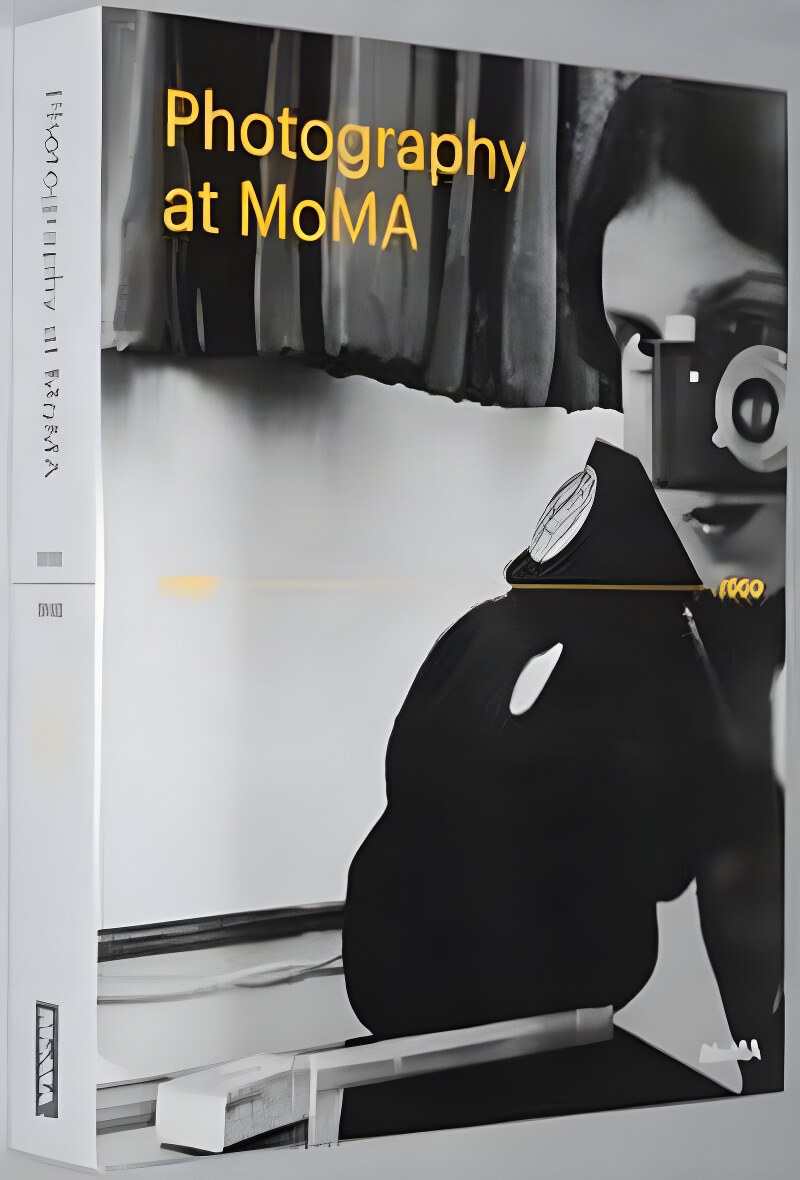
Hardcover. NY, Museum of Modern Art, 1st, 2016, Book: Very Good, Dust Jacket: Very Good, Hardcover in a bright dust jacket, 416 pages. The history of photography has been told many times, but never before through the incomparable collection of photographs at The Museum of Modern Art. This publication charts the medium during the height of the modernist period, from 1920 to 1960. with 550 b/w and color illustrations. The book begins with an in-depth introduction followed by eight chapters of full-color plates, each introduced by a short essay. Masterworks by photographers such as Alfred Stieglitz, Dorothea Lange, Man Ray and Aleksander Rodchenko appear alongside lesser-known gems, and diverse notions of modernism enrich classic interpretations, so that the beautiful fictions and messy realities of photography are complicated, refreshed and, above all, enjoyed. Clean copy. DOMESTIC SHIPPING ONLY.
Hardcover. US, The MIT Press, 1st, 2000, Book: Very Good, Dust Jacket: Very Good, Like new in publisher's shrink-wrap. Remainder mark on top page block. Boston played a crucial role in the development of American photography, including criticism, collecting, and curating, in the second half of the twentieth century. This book accompanies a landmark exhibition at the DeCordova Museum that includes such important American artists as Berenice Abbott, Harry Callahan, Paul Caponigro, Marie Cosindas, Harold Edgerton, Nan Goldin, Jerome Liebling, Nicholas Nixon, Barbara Norfleet, Olivia Parker, Rosamond Purcell, Aaron Siskind, and Minor White.The period from 1955 to 1985 reflects photography's acceptance as an art form, the influence of modernism, and the coalescence of a unique constellation of educational institutions, museums, and technological development in the Boston area that directly influenced artistic options for photography. Minor White's arrival at the Massachusetts Institute of Technology in 1965 to run the Center for Creative Photography and the Polaroid Corporation's innovative support of photographic art suggest how developments built upon one another to create a regional critical mass in photography.The book contains twenty-five color plates, sixty duotones, and essays by A. D. Coleman, Rachel Rosenfield Lafo, Arno Rafael Minkkinen, and Kim Sichel.
Hardcover. US, The MIT Press, Book: Very Good, Dust Jacket: Very Good, Like new in publisher's shrink-wrap. Remainder mark on top page block. Boston played a crucial role in the development of American photography, including criticism, collecting, and curating, in the second half of the twentieth century. This book accompanies a landmark exhibition at the DeCordova Museum that includes such important American artists as Berenice Abbott, Harry Callahan, Paul Caponigro, Marie Cosindas, Harold Edgerton, Nan Goldin, Jerome Liebling, Nicholas Nixon, Barbara Norfleet, Olivia Parker, Rosamond Purcell, Aaron Siskind, and Minor White.The period from 1955 to 1985 reflects photography's acceptance as an art form, the influence of modernism, and the coalescence of a unique constellation of educational institutions, museums, and technological development in the Boston area that directly influenced artistic options for photography. Minor White's arrival at the Massachusetts Institute of Technology in 1965 to run the Center for Creative Photography and the Polaroid Corporation's innovative support of photographic art suggest how developments built upon one another to create a regional critical mass in photography.The book contains twenty-five color plates, sixty duotones, and essays by A. D. Coleman, Rachel Rosenfield Lafo, Arno Rafael Minkkinen, and Kim Sichel.
Hardcover. Fort Worth, TX, Amon Carter Museum, 1st, 1991, Book: Very Good, Dust Jacket: Very Good, Hardcover in a bright dust jacket. Essays by Various authors on the history of photography in America. 244 black & white illustrations, 16 in color. 335 pages.
Hardcover. Cambridge, MA, MIT Press, 1st, Book: Very Good, Dust Jacket: Very Good, Hardcover, 208 pages. Pictures that are made, not taken, are the focus of this exciting collection of works by 90 American artists who are using appropriation, computer technology, performance, and numerous other sources of inspiration to stretch the limits and expand the possibilities of photographic art. "Perhaps in the future," Man Ray suggested to Duchamp, "photography would replace all art." The Photography of Invention hints at that future by documenting a decade of startling new work in American photography: work that challenges the accepted hierarchy of the arts and, arguably, establishes photography as the equal of the other arts. Pictures that are made, not taken, are the focus of this exciting collection of works by 90 American artists who are using appropriation, computer technology, performance, and numerous other sources of inspiration to stretch the limits and expand the possibilities of photographic art. The selection of nontraditional pictures includes works by some of the decade's most interesting experimenters-Cindy Sherman, Sherrie Levine, Richard Prince, Barbara Kruger, William Christenberry, Louise Lawler, Stefan Roloff, and others who create or manipulate the subject photographed.
Softcover. NY/London, Routledge, reprint, 2007, Book: Very Good, Dust Jacket: None, Softcover, 470 pages. Forty of the world's most active art historians and theorists, including Victor Burgin, Joel Snyder, Rosalind Krauss, Alan Trachtenberg, Geoffrey Batchen, Carol Squiers, Margaret Iversen and Abigail Solomon-Godeau in animated debate on the nature of photography. Photography has been around for nearly two centuries, but we are no closer to understanding what it is. For some people, a photograph is an optically accurate impression of the world, for others, it is mainly a way of remembering people and places. Some view it as a sign of bourgeois life, a kind of addiction of the middle class, whilst others see it as a troublesome interloper that has confused people's ideas of reality and fine art to the point that they have difficulty even defining what a photograph is. For some, the whole question of finding photography's nature is itself misguided from the beginning. This provocative second volume in the Routledge The Art Seminar series presents not one but many answers to the question what makes a photograph a photograph? Clean copy.
Hardcover. Princeton University Press, 1st, 1997, Book: Very Good, Dust Jacket: Very Good, Hardcover, 208 pages. The Victoria and Albert Museum (V&A) has one of the finest and oldest collections of photography in the world. In this fascinating book, Mark Haworth-Booth, Curator of Photographs at the V&A, offers the first comprehensive introduction to this extensive and impressive collection. In the process, he provides the reader with a general history of photography from its beginnings as a scientific curiosity, through its international commercialization, to its coming of age as an art form in its own right. The V&A's Victorian holdings are outstanding, with major photographs by Roger Fenton, David Octavius Hill, Robert Adamson, Julia Margaret Cameron, Gustave Le Gray, Camille Silvy, and Lady Hawarden. In recent years, the museum has acquired significant works by such twentieth-century master photographers as Bill Brandt, Henri Cartier-Bresson, Paul Martin, Walker Evans, Paul Strand, Manuel Alvarez Bravo, and Cecil Beaton. A number of these photographs are published here for the first time

 "Photographers in Arizona: 1850-1920 A History and Directoryby: Rowe, Jeremy")
 "Photographers in Arizona: 1850-1920 A History and Directoryby: Rowe, Jeremy")
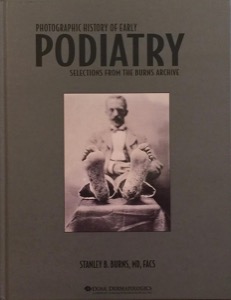
 "Photographic History of Nineteenth Century Dermatology:Selections From the Burns Archive (SIGNED)by: Burns, MD, FACS, Stanley B.")


 "Photographies Hongroises: Des Romantismes Aux Avant-Gardesby: Marchessau, Daniel")
 "Photographing Montana 1894-1928 - The Life and Work of Evelyn Cameronby: Lucey, Donna M.")
 "Photographs at the Frontier - Aby Warburg in America 1895-1896by: Cestelli Guidi (ed), Benedetta and Nicholas Mann")
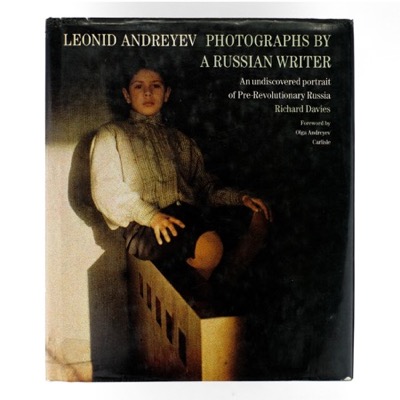


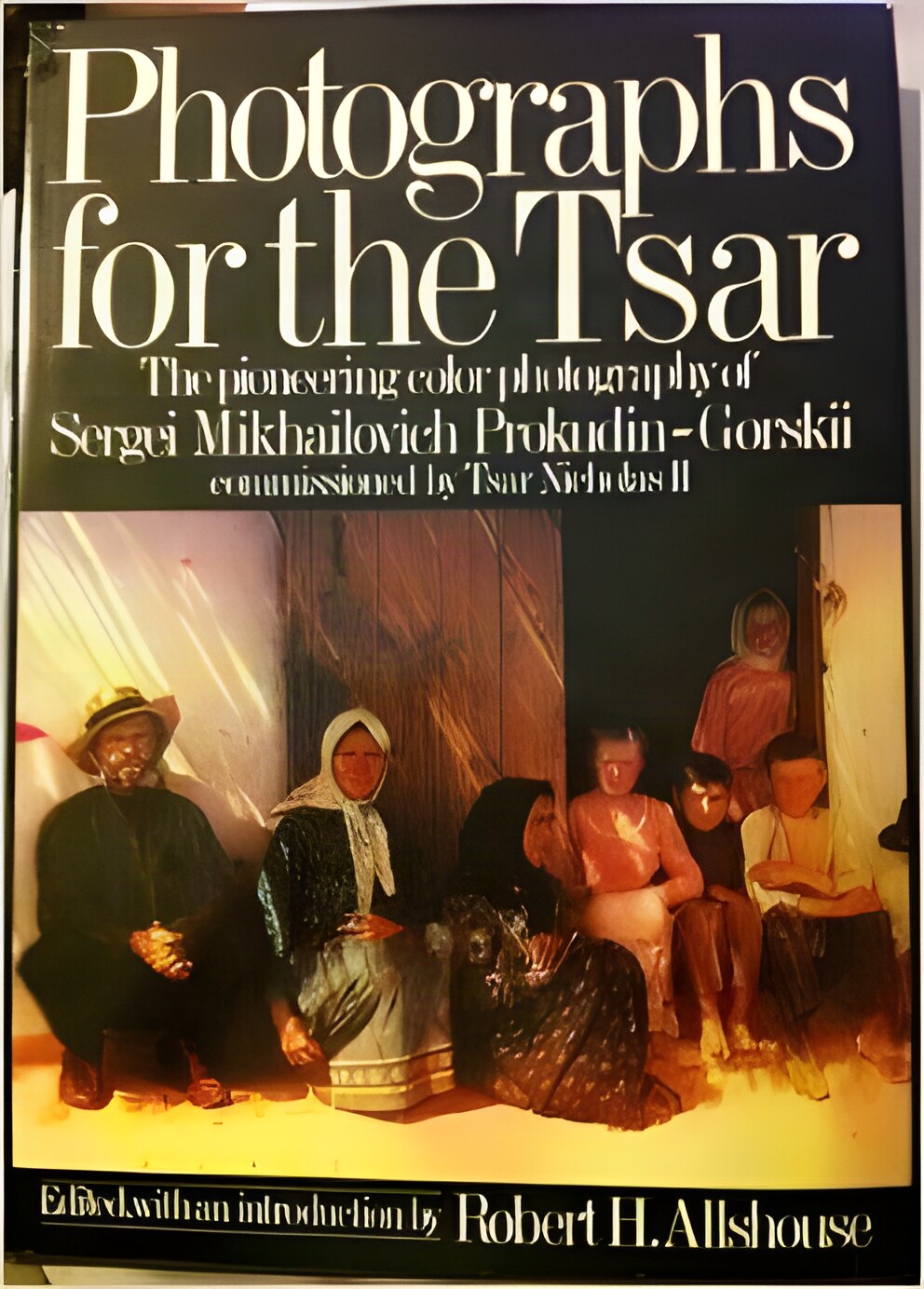
 "Photographs of Abraham Lincoln, Theby: III., Philip Kunhardt (Preface)")
 "Photographs of Arthur Rothstein, Theby: Rothstein, Arthur")
 "Photographs of Carl Mydans, Theby: Mydans, Carl")
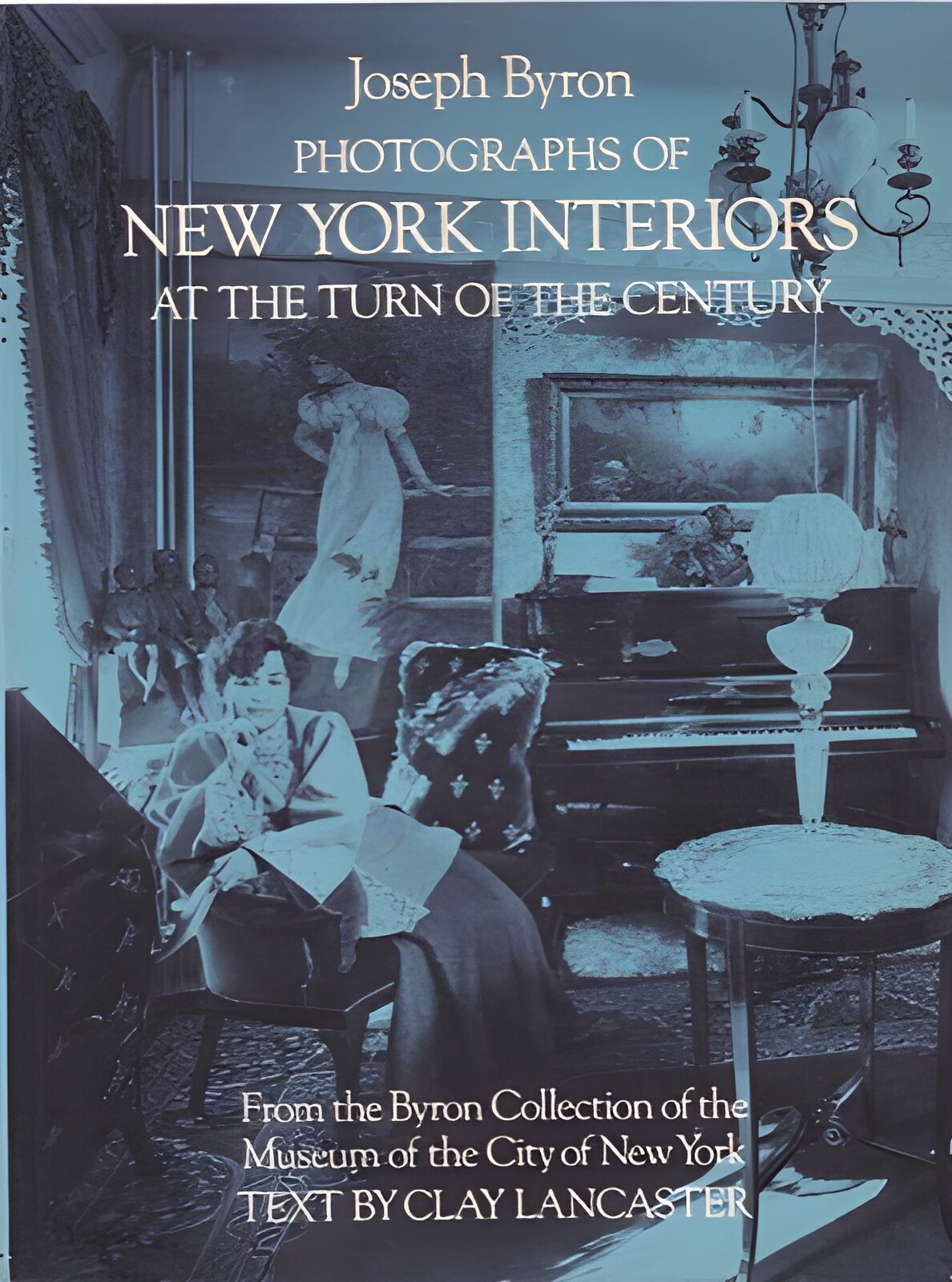
 "Photography and Architecture 1839-1939by: Pare, Richard")

 "Photography and the Old Westby: Current, Karen; Current; William R.")

 "Photography in Boston: 1955-1985by: Nagler, Gillian (Editor)/Rachel Rosenfield Lafo")
 "Photography in Boston: 1955-1985by: Nagler, Gillian (Editor)")
 "Photography in Nineteenth-Century Americaby: Sandweiss, Martha A. (Ed.)")
 "Photography of Invention: American Pictures of the 1980sby: Joshua P. Smith, Merry A. Foresta, et al.")
 "Photography Theoryby: James Elkins")
 "Photography, an Independent Art: Photographs from the Victoria and Albert Museum, 1839-1996by: Mark Haworth-Booth")