Hardcover. New Haven, Yale University Press, 1st, 1998, Book: Very Good, Dust Jacket: Very Good, Hardcover, 302 pages, illustrated throughout in b&w. SIGNED BY AUTHOR on title page. Light sun-fade along dust jacket spine. Clean, tight copy. Touring America as the "Apostle of Aestheticism" in 1882, Oscar Wilde brought a witty and controversial message of regeneration through art and beauty to a nation still shaken by the trauma of the Civil War. In this book, the first cultural history of the aesthetic movement in the United States, Mary W. Blanchard shows that it was a wide-ranging popular movement resisted by the moral guardians of Victorianism but advanced by visionary women.
Softcover. Allworth Press, 1st, 2000, Book: Very Good, Dust Jacket: None, Softcover, 224 pages. Ranging from earthworks to conceptual art, this illuminating read offers an integrated view of all the significant artistic developments of one crucial decade, the extraordinary explosion that occurred between 1965 and 1975. The author, a leading art critic, focuses a new lens on this radical movement, showing the nuances that defined Minimalism in its various phases, as characterized by the inflected object, the disintegrated object, the ironic object -then the transition from the object to architecture, space, landscape, cityscape, body, performance, and conceptual art. No other account has documented in such detail the scope and impact of this artistic revolution, which the author argues spanned all mediums and pushed every aesthetic possibility of Minimalism to an extreme.
Hardcover. US, Getty Publications, 1st, 2011, Book: Very Good, Dust Jacket: None, 352 pages. Hardcover with dust jacket. Clean, unmarked copy with only minor wear to dust jacket. Like new in publisher's shrink-wrap. Documents the burgeoning Southern Californian post-war art scene, with several essays following a more or less chronological order, and hundreds of illustrations of artworks, but also of art people (a wonderful 1963 photograph of Marcel Duchamp playing chess with a naked Eve Babitz in front of a replica of his Large Glass in Pasadena, photographs of artists working in their studios, etc). Some names are well known, others less so, but it is the versatility, the creativity and, above all, the richness and depth of this LA art scene that strike the reader-viewer through these richly illustrated pages. The birth of a genuine pop art in California (thanks to some of the most gifted artdealers in the US), of conceptual art, the creation of a new way of making sculpture, all those aspects are tackled in an informative and erudite (sometimes too erudite, though...)text that makes this book a more than valuable addition to the literature on post-war American art.
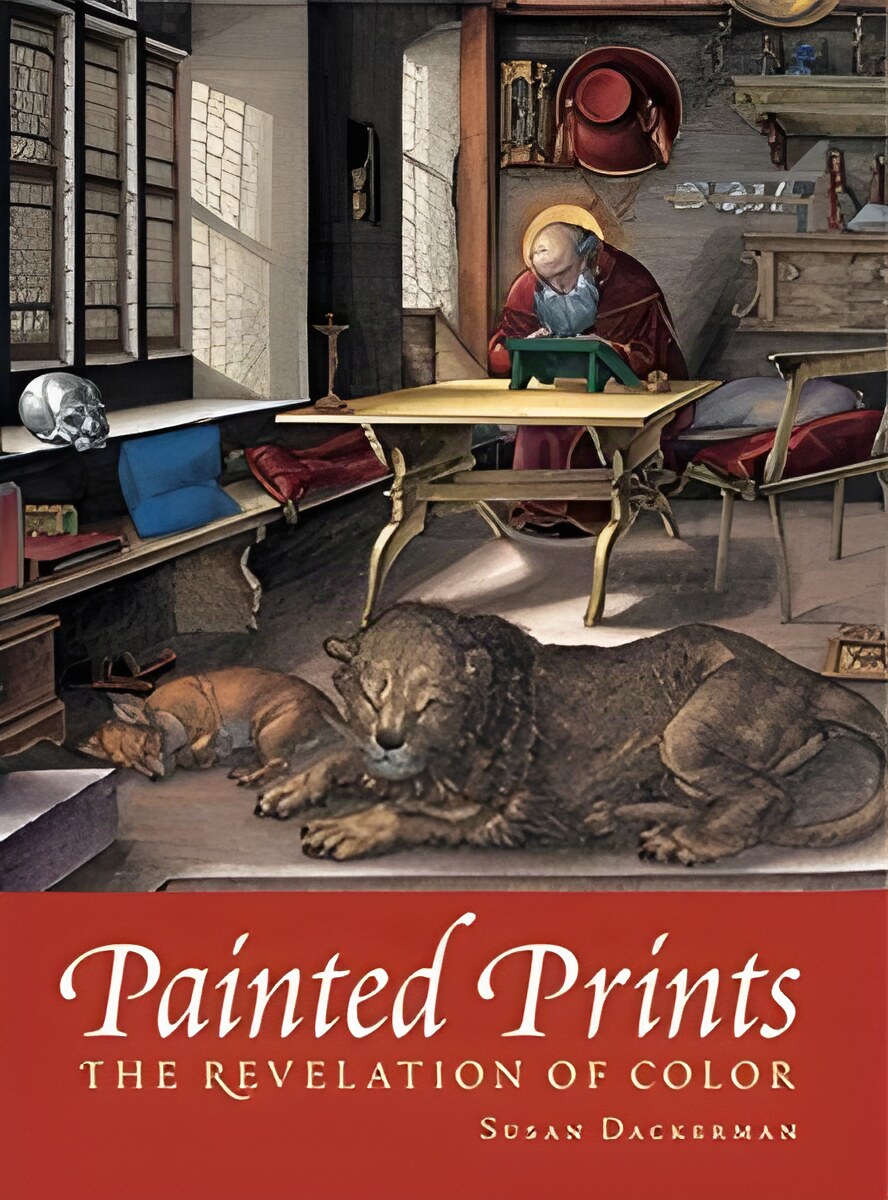
Hardcover. Baltimore Museum of Art/Pennsylvania State University Press, 1st, 2002, Book: Very Good, Dust Jacket: Very Good, Hardcover in a bright dust jacket, 297 pages. 119 color illustrations and 10 b&w. With an essay by Thomas Primeau. Catalogue entries by Deborah Carton, Susan Dackerman, Richard S. Field, Katherine Crawford Luber, Elizabeth Mansfield, Walter S. Melion, Thomas Primeau and Robert Wheaton. An old master print with color is almost invariably regarded as a suspect object because the color is presumed to be a cosmetic addition made to compensate for deficiencies of design or condition. Painted Prints challenges this deeply entrenched assumption about the material and aesthetic structure of old master prints by showing that in many cases hand coloring is not a dubious supplement to a print but is instead an integral element augmenting its expressive power, beauty, and meaning. Clean, bright copy. NOTE: Due to size and weight, DOMESTIC SHIPPING ONLY.
Hardcover. NY, Metropolitan Museum of Art , 1st, 2004, Book: Very Good, Dust Jacket: Very Good, Hardcover, 272 pages. Painters of Reality, titled after an exhibition held in Milan more than fifty years ago, is the first study in English of this major aspect of Italian art. It builds on the work of the art historian Roberto Longhi. Reexamining the subject in light of copious subsequent scholarship, the authors of this volume contribute major essays that define and discuss naturalism as it appeared in both Lombard paintings and drawings. There is also a fresh consideration of the North Italian predecessors whose influence is apparent either directly or indirectly, in the paintings of Caravaggio. More detailed discussions of the subject center on the precise elements that constituted Leonardo's "hypernaturalism": the important schools of paintings that arose in Brescia, Bergamo, Cremona, and Milan; and Caravaggio's most notable successors in northern Italy, who kept Lombard realism alive into the eighteenth century. Among the 136 paintings and drawings, many never before seen outside of Italy, are influential drawings by Leonardo and major paintings by Caravaggio. Other acknowledged masters in the history of European art are represented, including Lorenzo Lotto, Giovanni Girolamo Savoldo, Giovanni Battista Moroni, and Giacomo Ceruti. Works also appear from significant but less widely known artists such as Sofonisba, Anguissola, Vincenzo Campi, Moretto da Brescia, and Fra' Galgario.
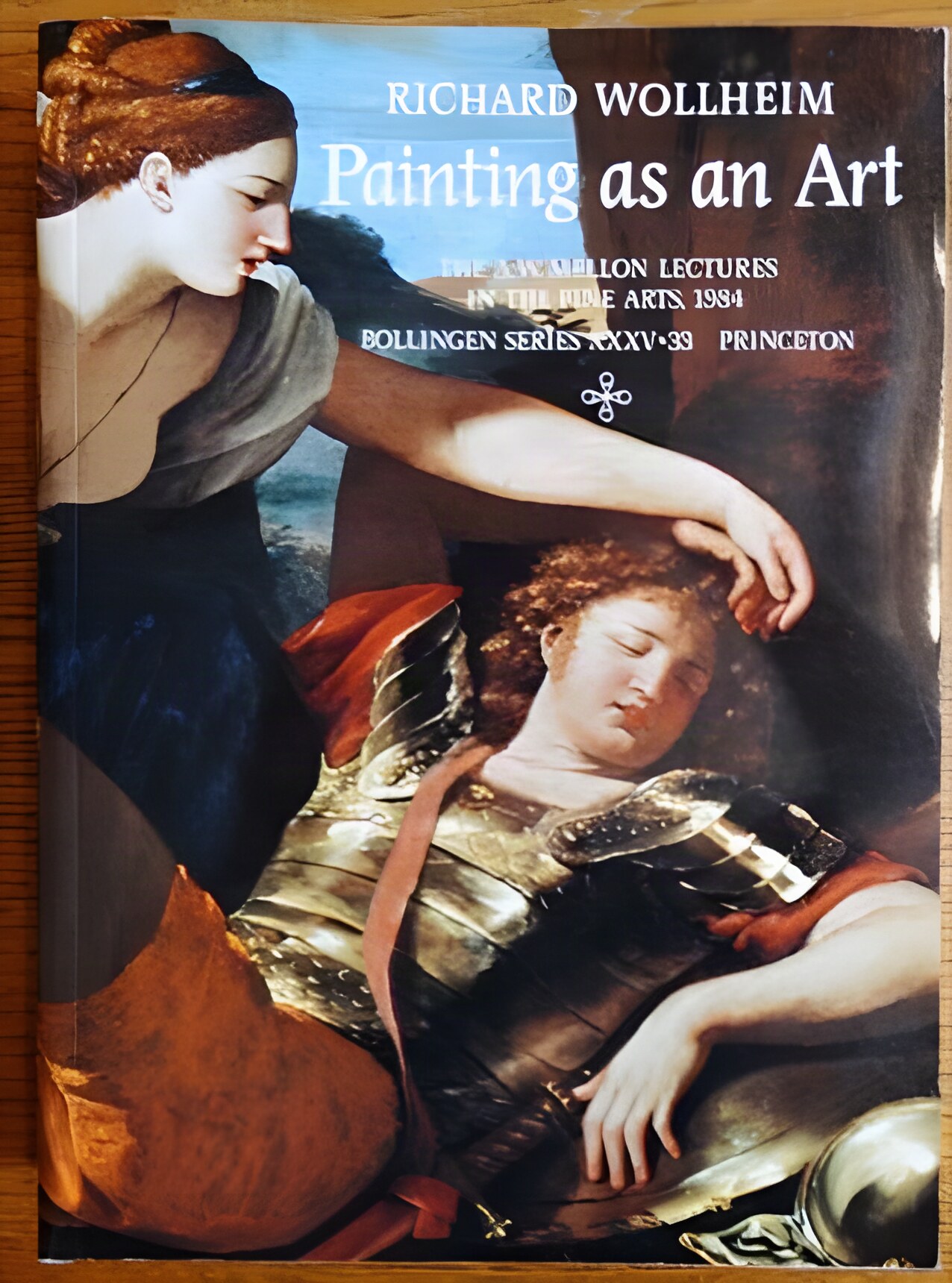
Hardcover. Princeton NJ, Princeton University Press, 1st, 1987, Book: Very Good, Dust Jacket: Very Good, Hardcover in a bright dust jacket, In Painting as an Art, which began as the 1984 Andrew Mellon Lectures at the National Gallery of Art in Washington, D.C., philosopher Richard Wollheim transcended the boundaries and habits of both philosophy and art history to produce a large, encompassing vision of viewing art. Wollheim had three great passions--philosophy, psychology, art--and his work attempted to unify them into a theory of the experience of art. He believed that unlocking the meaning of a painting involved retrieving, almost reenacting, the creative activity that produced it.In order to fully appreciate a work of art, Wollheim argued, critics must bring to the understanding of a work of art a much richer conception of human psychology than they have in the past: "Many [critics] . . . make do with a psychology that, if they tried to live their lives by it, would leave them at the end of an ordinary day without lovers, friends, or any insight into how this came about." Many reviewers have remarked on the insightfulness of the book's final chapter, in which Wollheim contended that certain paintings by Titian, Bellini, de Kooning, and others represent the painters' attempts to project fantasies about the human body onto the canvas. Light fading to dj spine. Name on front fly leaf, otherwise clean.
Hardcover. New Haven, CT, Yale University Press, 1st, 2015, Book: Very Good, Dust Jacket: None, 480 pages. Hardcover with no dust jacket. Very clean, unmarked copy still in shrink wrap. 378 color and 10 black & white illustrations. Tight copy. While European art forms were widely disseminated, copied, and adapted throughout Latin America, colonial painting is not a derivative extension of Europe. The ongoing debate over what to call it-mestizo, hybrid, creole, indo-hispanic, tequitqui-testifies to a fundamental yet unresolved question of identity. Comparing and contrasting the Viceroyalties of New Spain, with its center in modern-day Mexico, and Peru, the authors explore the very different ways the two regions responded to the influence of the Europeans and their art. A wide range of art and artists are considered, some for the first time.
Hardcover. NY, Hyperion, 2nd Ed., 2006, Book: Very Good, Dust Jacket: Very Good, Hardcover, 288 pages. Canemaker's second volume on Disney animation (his first was Before the Animation Begins, pub. 11/15/96) covers new territory. Focusing on the birth and progression of the storyboard method, the noted animator/historian explores both the history and the personalities of the Disney storyboard department. He takes readers from the early Disney days (when Walt created the storyboard to add depth and substance to the animated shorts the early studio produced) to today (when ever-changing teams of story specialists gather material and prepare sequence drawings before artists flesh out those Disney masterpieces). Along the way, Canemaker reveals the human effort required to bring an animated film to life and throws in juicy tidbits garnered from his interviews with animation pioneers. Lavish illustrations accompany the text. Recommended for larger public libraries and essential for collections in film and animation history.
Hardcover. NY, Hyperion, 2nd Ed., 2006, Book: Very Good, Dust Jacket: Very Good, Hardcover, 288 pages. Canemaker's second volume on Disney animation (his first was Before the Animation Begins, pub. 11/15/96) covers new territory. Focusing on the birth and progression of the storyboard method, the noted animator/historian explores both the history and the personalities of the Disney storyboard department. He takes readers from the early Disney days (when Walt created the storyboard to add depth and substance to the animated shorts the early studio produced) to today (when ever-changing teams of story specialists gather material and prepare sequence drawings before artists flesh out those Disney masterpieces). Along the way, Canemaker reveals the human effort required to bring an animated film to life and throws in juicy tidbits garnered from his interviews with animation pioneers. Lavish illustrations accompany the text. Recommended for larger public libraries and essential for collections in film and animation history.
Hardcover. London, Thames and Hudson, 1st, 1978, Book: Very Good, Dust Jacket: Very Good, 207 pages. Hardcover with gilt titles to spine. Full page, full color & black & white illustrations throughout. Features 131 illustrations, 31 in full color. Dust jacket with age toning to edges, tears to corners one closed tear (2 inches) to back of jacket. Otherwise clean, bright & unmarked.
Hardcover. NY, Harry N Abrams, 1st, 1998, Book: Very Good, Dust Jacket: Very Good, Hardcover, 160 pages, illustrated in b&w and color. Long before the movies were created, peepshows were appealing to a public eager for entertainment and enlightenment. The peepshowman and his box were a common sight on bustling city streets and quiet village greens. The book includes nearly 200 annotated images, many never before published.
Softcover. Notre Dame, University of Notre Dame Press, First Thus, 1986, Book: Very Good, Dust Jacket: None, 344 pages. Softcover. Black & white illustrations throughout including maps, photographs. Bright front cover, sunfade to rear cover. Clean, unmarked copy.
Hardcover. NY, Rizzoli, 1st, 2006, Book: Very Good, Dust Jacket: Very Good, Hardcover, 384 pages, profusely illustrated in color and b&w. This thought-provoking volume transports readers to France of the eighteenth, nineteenth, and twentieth centuries, beginning with Napoleon's love of perfume and the erotic importance he attached to it, through the lore and symbolism fragrance enjoyed in eighteenth and nineteenth-century Europe. By the early twentieth century, perfume's place as one of France's most important luxury industries was recognized and celebrated, and timeless fragrances--such as Chanel No. 5, Shalimar, Arpeges, and Joy--were launched. The distinctive bottles for these new essences and the art movements that inspired their design are detailed throughout the book, as are paintings, poetry, and literature that reveal the power of perfume and its ability to recall the past and evoke sensuality. According to nineteenth-century perfumer Eugene Rimmel, "the history of perfume is, in some manner, the history of civilization." Through fascinating text accompanied by gorgeous imagery, including packaging, labels, and advertisements, Perfume: Joy, Scandal, Sin explores perfume's impact on history, culture, society, art, and attitudes.
Hardcover. New York , Skira, 1st, 2006-09-05, Book: Very Good, Dust Jacket: Very Good, Hardcover, like new in publishers shrink-wrap. 224 pages profusely illustrated in color. This book describes the grandeur and richness of the numerous civilizations predating the Incas, including the Paracas, Nazca, Recuay, Sican-Lambayeque, Moche-Sipan, and Chimu cultures, as well as the great Inca civilization. Included in the book are the important sites and landscapes representative of the three major ecological levels of Peru, as well as a general view and a historical perspective of the pre-Columbian cultures of Peru.
Hardcover. London, B. T. Batsford Ltd., 1st, 1949, Book: Very Good, Dust Jacket: Good, 169 pages. Hardcover. Red cloth edition. Top edge stained red. Illustrated with 126 black & white photographs and a few in color. Previous owners name embossed at top of rear interior dust jacket flap. Dust jacket with darkening to spine, minor smudges at upper left corner - jacket now protected with clear plastic cover. Clean, tight copy.
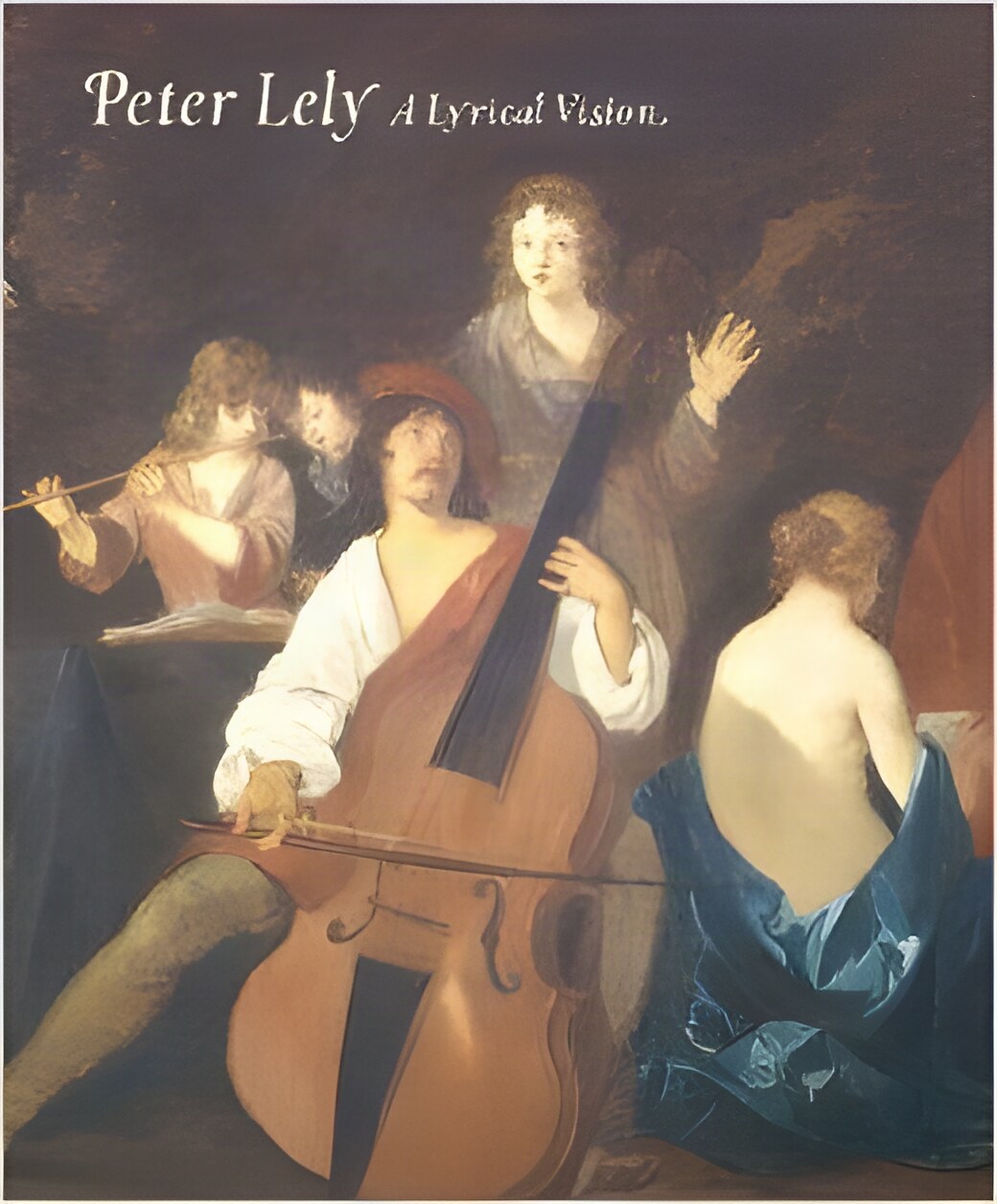
Softcover. US, Paul Holberton Publishing, 1st, 2012, Book: Very Good, Dust Jacket: None, 152 pages, illustrated throughout in color and b&w. Clean, unmarked copy with only minor wear to wrappers. Sir Peter Lely (1618-1680) was Charles II's Principal Painter and the outstanding artistic figure of Restoration England. When Lely arrived in England in the early 1640s his ambition was to be a painter of narrative scenes and not to work as a portraitist. However, the 'subject pictures' did not find favor with many English patrons and he produced less than thirty. As Lely's friend Richard Lovelace explained, all they wanted was "their own dull counterfeits" or portraits of their mistresses. Thus, Lely was obliged to turn to portraiture to make a living. Yet, his poetic pictures of figures in idyllic landscapes are among the most beautiful paintings made in 17th-century England and this catalog will be the first in-depth look at this important chapter of this major painter's career.
Hardcover. NY, Metropolitan Museum of Art, 1st, 2005, Book: Very Good, Dust Jacket: Very Good, Hardcover in a bright dust jacket. 332 pages with 145 color plates, 151 b&w illustrations. In publisher's shrinkwrap.
Hardcover. Neshannock PA , Hermes Press, Reprint , 2015, Book: Very Good, Dust Jacket: None, Hardcover. Like new in publisher's shrink-wrap. Imagine waking up in 1939 and reading the first Phantom Sunday strip in the newspaper. Now, for the first time, these rare Phantom Sundays are being collected in their full size in an archival reprint of the first six Phantom stories! The stories for these Sundays was created by Lee Falk with artwork by Ray Moore in a half page format, so this reprint is faithful to the originals and reproduces every detail of these Sundays as seen in Sunday sections of newspapers. These Sunday pages have the same look and feel of the originals only now they're collected in a high quality art book format that will last forever.
Hardcover. Neshannock PA, Hermes Press, 1st, 2018, Book: Very Good, Dust Jacket: Very Good, 191 pages. Hardcover with dust jacket. Clean, unmarked copy with only minor wear to dust jacket. Color throughout.
Hardcover. New York, Princeton Architectural Press, 1st, 2002, Book: Very Good, Dust Jacket: Very Good, Non paginated. Hardcover. Extensive b&w photographs throughout. Silver gilt titles on spine and cover. Clean, unmarked copy with only minor wear to dust jacket.
Softcover. Paris, Musee de la Vie Romantique, 1st, 2001, Book: Very Good, Dust Jacket: None, 143 pages. Softcover. A very clean, unmarked copy with only minor edgewear. Black and white photographs throughout. French text.
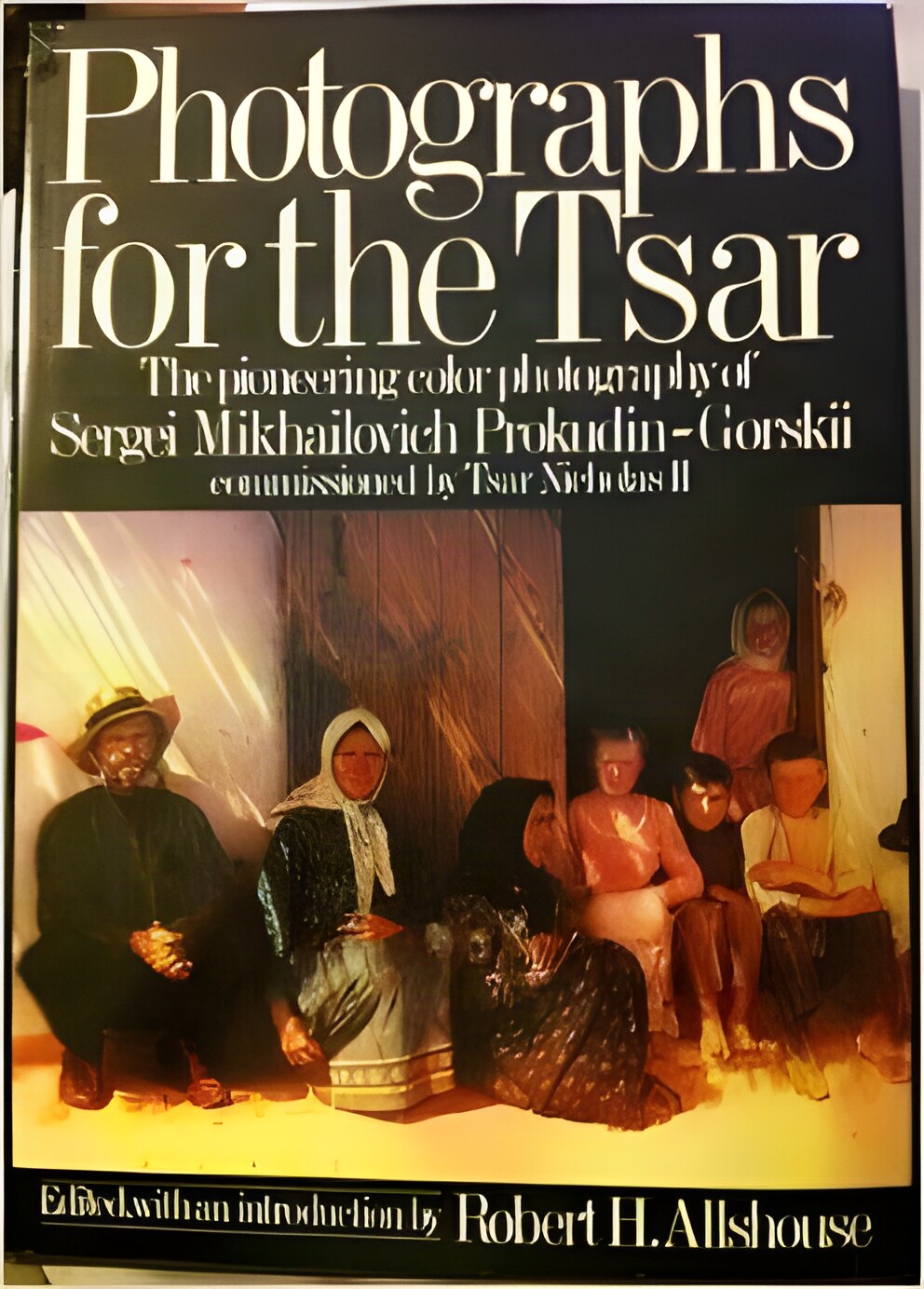
Hardcover. Dial Press, 1st, 1980, Book: Very Good, Dust Jacket: Very Good, 216 pages. Hardcover. Color photographs. Clean, unmarked copy in excellent condition with minor wear to dust jacket. Sergei Prokudin-Gorskii was a chemist and photographer commissioned by Tzar Nicholas II to photograph as much of the Russian Empre as possible in color. Prokudin-Gorskii used three color separations for his photos and as a result some pictures are astoundingly sharp and brilliantly colored, and some the colors are out of register slightly. That's irrelevant, because the photos are spectacular and show the Russian Empire from end to end on the eve of its collapse.
Softcover. Washington, D.C., Library of Congress, 1st, 2011, Book: Very Good, Dust Jacket: None, 51 pages. Softcover. Extensive b&w photographs by Arthur Rothstein throughout. Clean, unmarked copy with only minor wear to wrappers.

 "Oscar Wilde's America: Counterculture in the Gilded Ageby: Blanchard, Ms. Mary Warner")
 "Out of the Box: The Reinvention of Art: 1965-1975by: Carter Ratcliff")
 "Pacific Standard Time : Los Angeles Art, 1945-1980by: Rebecca Peabody , Andrew Perchuk, et al.")
 "Painters of Reality: The Legacy of Leonardo and Caravaggio in Lombardy (Metropolitan Museum of Art Series)by: Andrea Bayer and Mina Gregori")
 "Painting in Latin America, 1550-1820: From Conquest to Independenceby: Alcala, Luisa Elena")

 "Paper Dreams: The Art & Artists of Disney Storyboardsby: Canemaker, John")
 "Paul Klee: Figures and Facesby: Plant, Margaret")
 "Peepshows: A Visual Historyby: Balzer, Richard")
 "Peoples of Ireland, The - From Prehistory to Modern Timesby: de Paor, Liam")
 "Perfume: Joy, Scandal, Sin - A Cultural History of Fragrance from 1750 to the Presentby: Stamelman, Richard")
 "Peru: Art from the Chavin to the Incas (Collections Du Petit Palais, Musee Des Beaux-Arts de la VILL)by: Lemasson, Patrick")
 "Peter Carl Faberge - Goldsmith and Jeweller to the Russian Imperial Court and the Principal Crowned Heads of Europe - An Illustrated Record and Review of his Life and Work, A.D. 1846-1920by:")

 "Phantom Sundays Archive, The: Full Size Half Pages 1939-1942 by: Falk, Lee")
 "Phantom, The: The Complete Sundays: Volume Four 1950-1953by: Falk, Lee and Wilson McCoy")
 "Photoboothby: Hines, Babbette")
 "Photographies Hongroises: Des Romantismes Aux Avant-Gardesby: Marchessau, Daniel")
 "Photographs of Arthur Rothstein, Theby: Rothstein, Arthur")