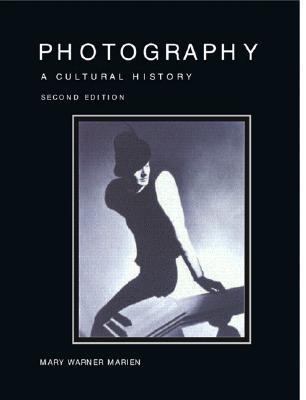
Softcover. Upper Saddle River NJ, Pearson, 2nd Ed., 2006, Book: Very Good, Dust Jacket: None, Softcover, 544 pages, profusely illustrated. Minor wear to covers, no markings. This is a heavy and oversized book and will require extra shipping. International customers please ask for a shipping quote before purchasing.
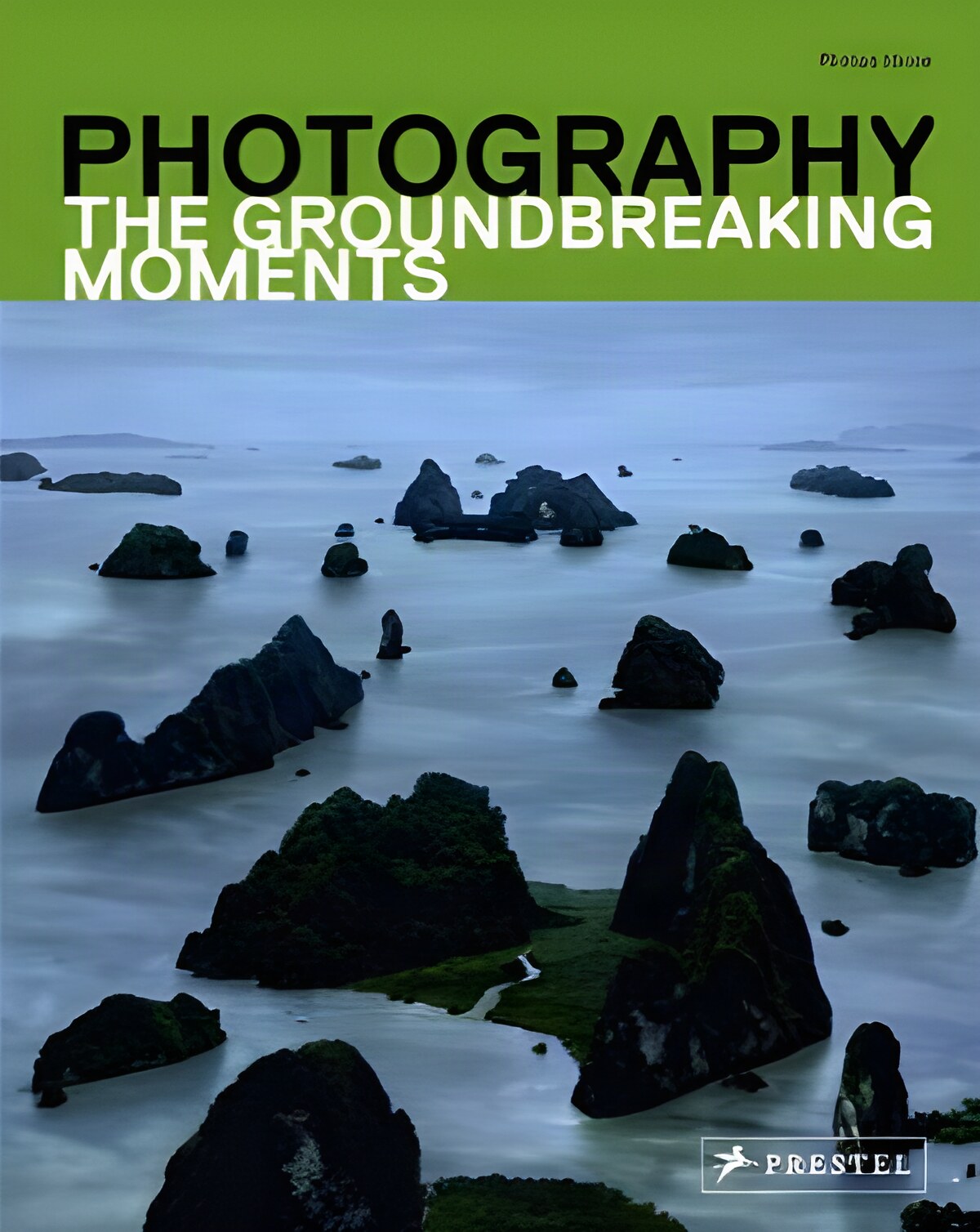
Softcover. Munich , Prestel, 1st, 2012, Book: Very Good, Dust Jacket: None, Softcover, 192 pages. Chronologically arranged, each chapter focuses on a particular work or idea that changed the course of photography. Presented in beautiful spreads and with informative text, the book opens with photography's genesis in the form of the camera obscura. Centuries later, Daguerre, Niepce, and Talbot invented their own means of capturing light on paper. The book covers groundbreaking genres such as still life, landscape, portraiture, and nudes. Sections on the role of photography in journalism illustrate how the camera's presence on battlefields, on city streets, and in factories helped inform and reform the modern world. Fashion, animals, Surrealism, and staged portraits are also explored. Perfect for perusing or reading from cover to cover, this book illustrates how photography developed from a concept to a world-changing force--one that attempted to shed light on truth yet can also obscure and alter reality in dazzling ways. Clean copy.
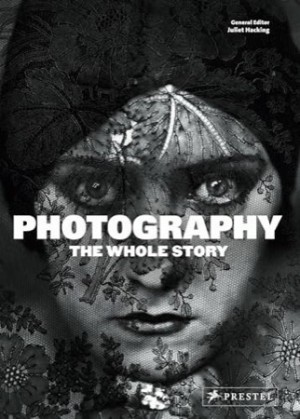
Hardcover. Prestel Publishing, 1st, Book: Very Good, Dust Jacket: Very Good, Hardcover in a bright dust jacket, 576 pages. Unlike many other artistic media, photographys origins are well documented, as are its ever-changing technologies and applications. Written by an international team of experts, this definitive history of photography looks at every step of the fields dynamic evolution, period by period and movement by movement. Each key genre is chronologically presented within its social, economic, and political context, along with close analysis of specially selected works that best exemplify the characteristics of the period. With more than 500 gorgeous examples in black and white and color, the book explores in-depth virtually every aspect of the medium since its first public demonstration in 1839 to the latest innovations: from early portraits and the birth of photojournalism to travel photography and the mapping of the world; from the Pictorialists to the avant-garde; from celebrity and fashion to documentary and landscape. Along the way readers will learn why some photographs are considered iconic, and why the medium as an art form continues to challenge and enthrall us. DUE TO WEIGHT, DOMESTIC SHIPPING ONLY.
Hardcover. NY, Arno Press, reprint, 1977, Book: Very Good, Dust Jacket: None, Hardcover, green cloth with silver lettering on spine and front cover, A facsimile reprint of the corrected 1716 4th edition published in London. Sixteen sermons with notes and observations. Name on front fly leaf otherwise a clean, bright copy.
Hardcover. NY, Farrar Straus & Giroux, 1st US, 2023, Book: Very Good, Dust Jacket: Very Good, Hardcover in a bright, unclipped dust jacket, 588 pages, several color plates. Before Picasso became Picasso-the iconic artist now celebrated as one of France's leading figures-he was constantly surveilled by the French police. Amid political tensions in the spring of 1901, he was flagged as an anarchist by the security services-the first of many entries in an extensive case file. Though he soon emerged as the leader of the cubist avant-garde, and became increasingly wealthy as his reputation grew worldwide, Picasso's art was largely excluded from public collections in France for the next four decades. The genius who conceived Guernica in 1937 as a visceral statement against fascism was even denied French citizenship three years later, on the eve of the Nazi occupation. In a country where the police and the conservative Academie des Beaux-Arts represented two major pillars of the establishment at the time, Picasso faced a triple stigma-as a foreigner, a political radical, and an avant-garde artist. Picasso the Foreigner approaches the artist's career and art from an entirely new angle, making extensive use of fascinating and long-overlooked archival sources. In this groundbreaking narrative, Picasso emerges as an artist ahead of his time not only aesthetically but politically, one who ignored national modes in favor of contemporary cosmopolitan forms. Remainder dot to top edge, otherwise a bright, clean copy.
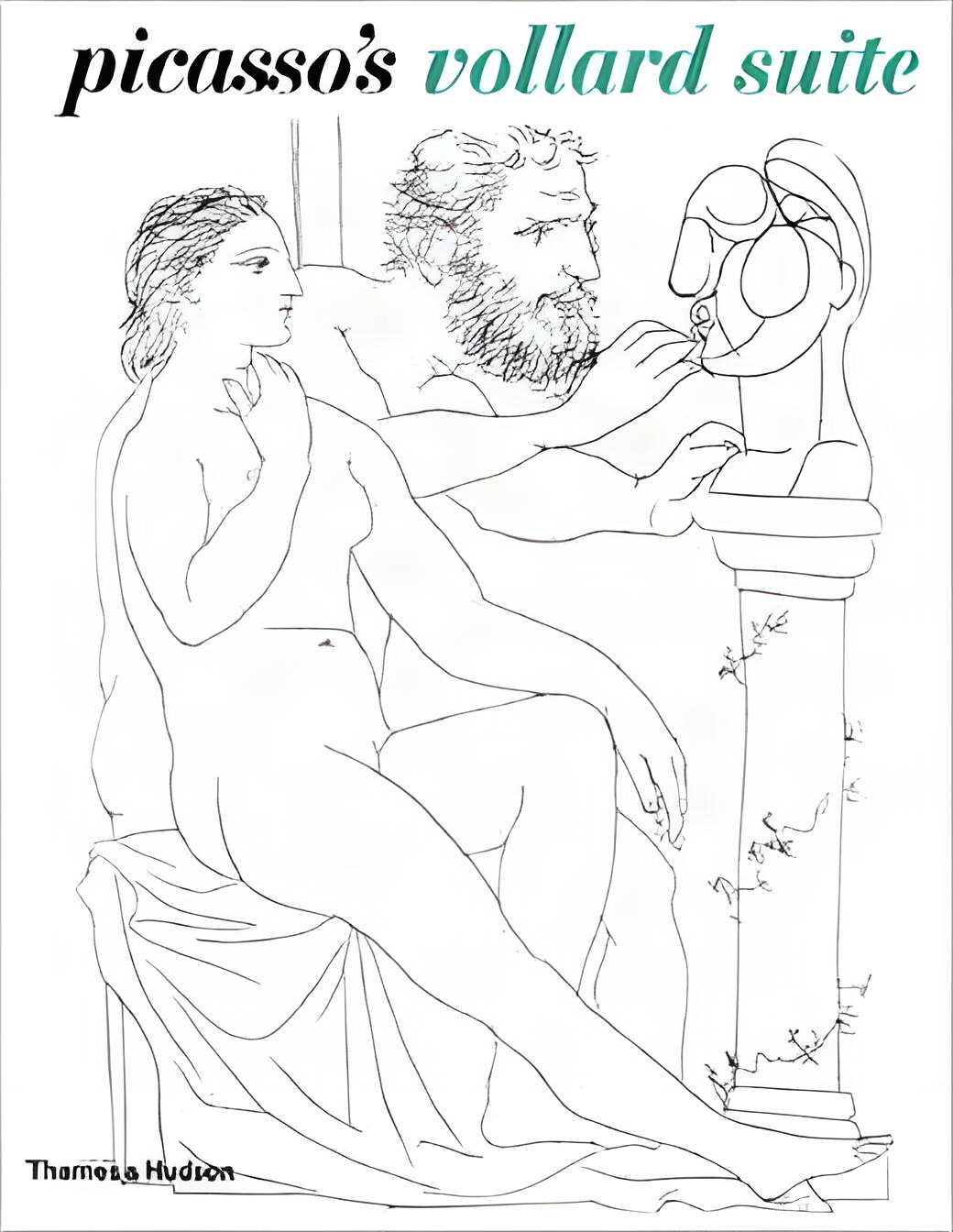
Softcover. New York , Thames & Hudson, reprint, 1985, Book: Very Good, Dust Jacket: None, 100 pages, illustrated throughout in b&w. Clean, unmarked copy with only minor wear to wrappers. The 100 etchings made by Picasso between 1930 and 1937 for the great art critic and dealer Ambroise Vollard have long been recognised as one of the supreme productions of the master's hand. These plates show, more than any of his other works, a man at once inspired by and prey to his dazzling imagination and the demands of his inner demon.
Hardcover. Philadelphia, W.A. Leary & Co., 1853, Book: Good, Dust Jacket: None, 588 pages w/ appendix. Brown leather w/ raised bands on spine, outlined in gilding. Spine cracking and worn. Edge wear. Colorful marbled end pages. Engraving of G. Washington pictured on frontispiece. Inscription in pencil on prelim page dated 1954. Blue design on top/bottom/sides of pages. Corners of boards have gilt design. B/W sketches throughout. Some tissue guards.
Hardcover. NY, Rizzoli, 1st, 1996, Book: Very Good, Dust Jacket: Very Good, Hardcover, 208 pages. Pictorial photography is noted for its artistic expressiveness, careful design and composition, and muted focus. In 1914 Clarence White (1871-1925) left Alfred Stieglitz's Photo-Secession group, abandoned his ambitions to be a photographic illustrator, and opened the Manhatten-based Clarence H. White School of Photography. Lecturers at his school included Stieglitz, Paul Strand, and Edward Steichen. White's unique teaching skills, especially his encouragement of women students, nurtured the careers of such talented photographers as Margaret Bourke-White, Laura Gilpin, and Dorothea Lange. Presented by the Detroit Institute of Arts and the George Eastman House, this companion volume for a traveling exhibition contains the elegant photographic imagery of White and his students. The clear text by two photography curators imparts how the revered teacher's romantic pictorialism became the foundation for the student's avant-garde modernism. By far the most substantial review of White's work and influence in print.
Softcover. New York, Citadel Press, 1st Thus, 1991, Book: Good, Dust Jacket: None, Softcover, oblong format, 158 pages. Illustrated with black & white photographs. Diagonal crease across lower left corner of back cover. Clean, tight copy.
Softcover. Washington DC, Smithsonian Institute, 1st, 1981, Book: Very Good, Dust Jacket: None, Softcover, 95 pages, b&w illustrations. Originally conceived to accompany the exhibition, Photographs from the National Portrait Gallery. Presents the development of photography accompanied by portraits illustrating various photographic techniques. Includes suggestions for organizing and maintaining a collection of prints. Clean copy.
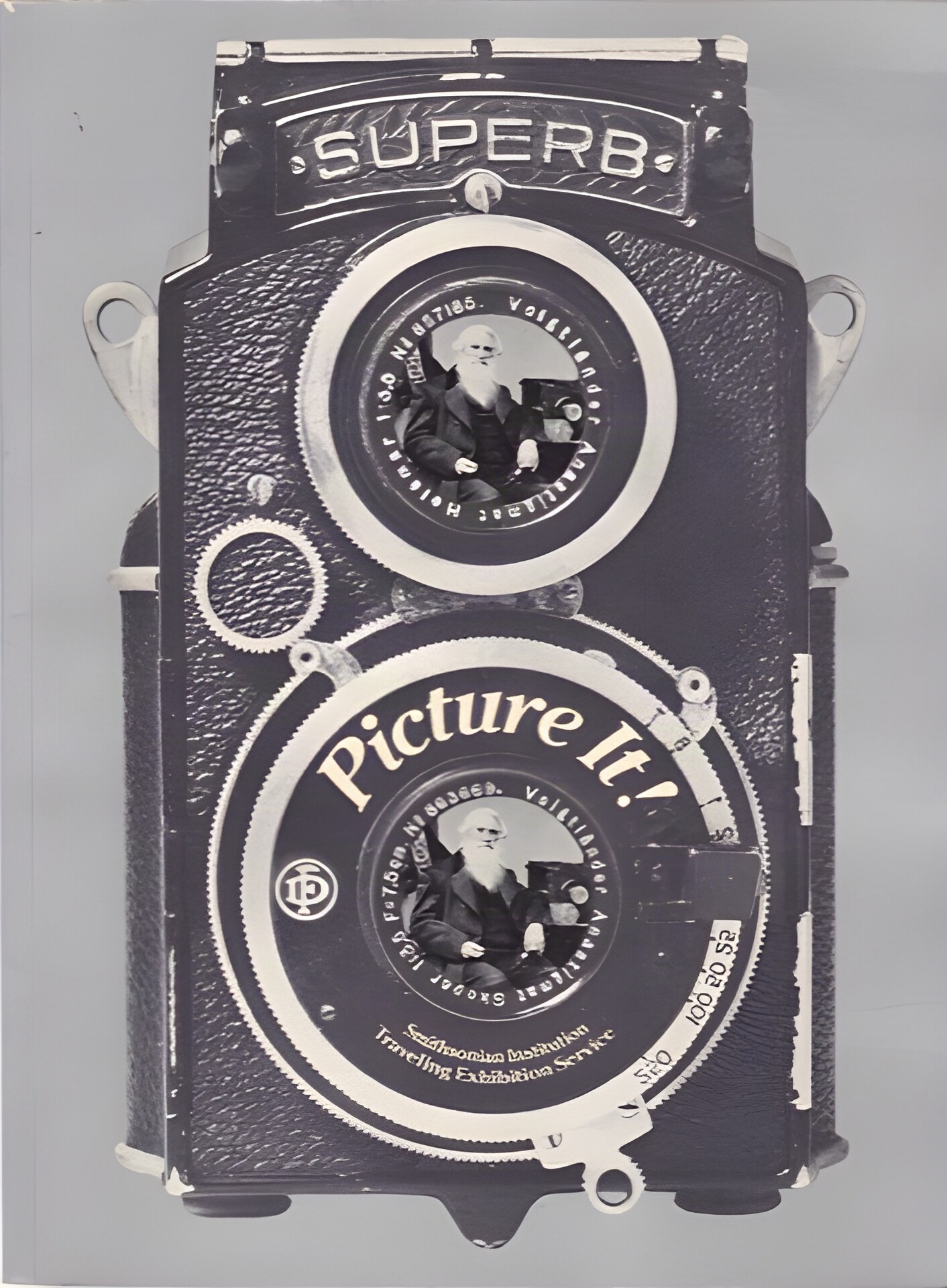
Hardcover. NY, Charles Scribner's Sons, 1st, 1947, Book: Very Good, Dust Jacket: Very Good, Hardcover in a lightly worn, unclipped dust jacket. 308 pages with 393 b&w photographs, endpapers map. As proclaimed on the dust jacket: "This volume, carefully prepared under the direction of the Picture Maker's son, Mr. C. S. Jackson, contains an unrivaled pictorial record which can never be duplicated. It was created by a great artist and photographer who himself played a part in the opening of the frontier country." A truly wonderful work-attractive and informative. "A" On Copyright Page. Light bump to top corner of text block causing a mild crimp to pages at corner. Otherwise very good.
Hardcover. Bulfinch, 1st, 2006, Book: Very Good, Dust Jacket: Very Good, Hardcover, 256 pages. Haynes provides an insider's look at the remarkable photographs and stories of UPI's news photographers, providing a unique window on the second half of the 20th century. Clean copy.
Softcover. Durham NC, Duke University Press, 2012, Book: Very Good, Dust Jacket: None, Softcover, 387 pages. Pictures and Progress explores how, during the nineteenth century and the early twentieth, prominent African American intellectuals and activists understood photography's power to shape perceptions about race and employed the new medium in their quest for social and political justice. They sought both to counter widely circulating racist imagery and to use self-representation as a means of empowerment. In this collection of essays, scholars from various disciplines consider figures including Frederick Douglass, Sojourner Truth, Ida B. Wells, Paul Laurence Dunbar, and W. E. B. Du Bois as important and innovative theorists and practitioners of photography. In addition, brief interpretive essays, or "snapshots," highlight and analyze the work of four early African American photographers. Featuring more than seventy images, Pictures and Progress brings to light the wide-ranging practices of early African American photography, as well as the effects of photography on racialized thinking. Still in publisher's shrinkwrap.
Hardcover. Chicago, The Lakeside Press, 1st, 1918, Book: Very Good, Dust Jacket: None, Hardcover, dark green cloth stamped in gilt, top edge gilt, 186 pages. Tight, attractive copy of this early "Lakeside Classic," the annual keepsake presented by this printer/publisher to friends and clients starting in 1903. This volume contains Morris Birkbeck's "Observations of an English Immigrant in 1817," William Newnham Blake's "A Tour in Southern Illinois in 1822" and Henry R. Schoolcraft's "A Journey Up the Illinois River in 1821." includes an index and a 23 page historical introduction by the renowned historian Dr. Milo Milton Quaife. There is a tissue guarded captioned frontispiece entitled "Moris Birkbeck" by courtesy of H. W. Fay of DeKalb. Clean copy.
Hardcover. Preinceton NJ, Princeton University Press, 2nd pr., 2006, Book: Very Good, Dust Jacket: Very Good, Hardcover in a bright, unclipped dust jacket. "What is abstract art good for? What's the use-for us as individuals, or for any society-of pictures of nothing, of paintings and sculptures or prints or drawings that do not seem to show anything except themselves?" In this invigorating account of abstract art since Jackson Pollock, eminent art historian Kirk Varnedoe, the former chief curator of painting and sculpture at the Museum of Modern Art, asks these and other questions as he frankly confronts the uncertainties we may have about the nonrepresentational art produced in the past five decades. He makes a compelling argument for its history and value, much as E. H. Gombrich tackled representation fifty years ago in Art and Illusion, another landmark A. W. Mellon Lectures volume. Realizing that these lectures might be his final work, Varnedoe conceived of them as a statement of his faith in modern art and as the culminating example of his lucidly pragmatic and philosophical approach to art history. He delivered the lectures, edited and reproduced here with their illustrations, to overflowing crowds at the National Gallery of Art in Washington in the spring of 2003, just months before his death. 297 pages; approx. 250 color and bw figures. Remains a nice, sharp and bright copy.
Softcover. NY, The Museum of Modern Art, 1st, 2002, Book: Very Good, Dust Jacket: None, Softcover, 192 pages. Selected from 17 million prints preserved in the archives of The New York Times, the spectacular photographs in this book provide a spellbinding sample from the rich archive that is the twentieth century, as seen through the eyes of a great newspaper. Revealed is the extraordinary and omnivorous breadth of photography's gaze: vivid pictures of both World Wars; of presidents, mayors, dictators and celebrities; of Beatles fans and Halley's comet; of victims and perpetrators, riots and disasters; of Bill Bradley on the court and Willie Mays sliding into home--and a great many more. Underlying them all is the gripping immediacy that makes news photography not only an indispensable presence in the daily paper but a vital part of history. This book includes an illustrated chronology that traces the evolution of the technology and business of news photography, with special attention to the role of The New York Times and to the recent rise of digital technologies in newspaper production. Originally published to accompany an exhibition at The Museum of Modern Art, New York.
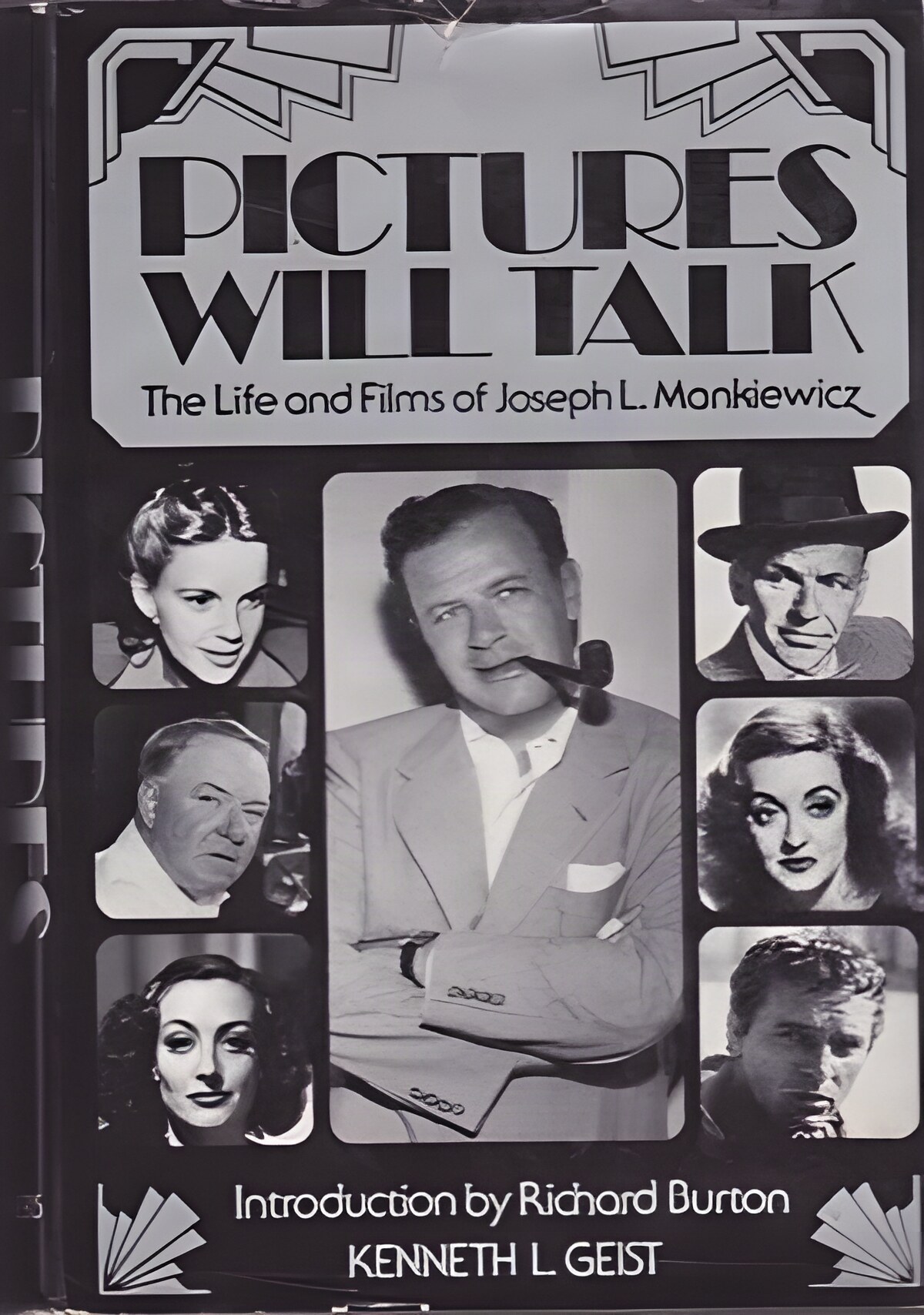
Hardcover. NY, Charles Scribner's Sons, 1st, 1978, Book: Very Good, Dust Jacket: Very Good, Hardcover in a bright dust jacket with light edgewear. Introduction by Richard Burton. An in depth look at the career and films of Joseph Mankiewicz whose career spanned nearly half a century. His credits include such classics as The Philadelphia Story; A Letter to Three Wives; All About Eve, and Five Fingers. 443 pages, b&w photos. Clean copy.
NY, Harper & Brothers , reprint, 1900, Book: Very Good, Dust Jacket: None, Hardcover, 385 pages. Illustrated with a frontispiece and 48 half tone photographs. Original decorated publisher's cloth, with gilt titles. First published in 1897. Account of Sicily at the turn of the 20th century, with a focus on the art, history, and landscape of the Island, from the largest of cities to its hamlets and villages. Contemporary color postcard laid in. Original pale green cloth fafed, previous owners name, embossed stamp on front fly leaf, otherwise clean.
Hardcover. NY, William Edwin Rudge, 1st, 1930, Book: Good, Dust Jacket: None, Hardcover, red cloth, 46 pages + 51 b&w plates (color frontispiece). Russian artist and diplomatic secretary Paul or Pavel Svinin (1787-1839) toured the northeastern United States in the early 1800s. Here are excerpts of his notes, details about the time and his trip, and 51 BW reproductions of landscapes he rendered along the way. Most of the paintings show scenes from Pennsylvania, New York, New Jersey, Virginia and Maryland. Of interest to both cultural and art historians. With an introduction by R.T.H. Halsey. One of 1000 copies. Ex-lib with stamping, residue to endpapers, gilt lettering on spine faded, otherwise clean.
Hardcover. US, Univ of New Mexico Press, 1st, 1995-10-01, Book: Very Good, Dust Jacket: Very Good, 227 pages. Minor edgewear to dust jacket, else a clean, tight copy. A in depth study of the exhibition held at the Museum of Modern Art in 1955, and its influence, with a final chapter on "Edward Steichen, Robert Frank and American Modernism".
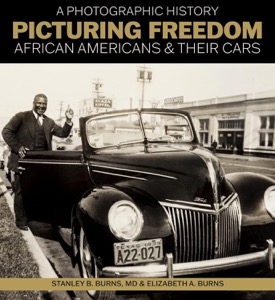
Softcover. NY, Burns Archive Press, 1st, 2022, Book: Very Good, Dust Jacket: None, Softcover, 272 pages. SIGNED BY STANLEY BURNS on title page. Picturing Freedom chronicles and celebrates the photographic history of African Americans and their cars by focusing on personal images of the pride and joy of car ownership (1900-1980+). Owning a car was a significant life-changing achievement. It offered special freedoms--the freedom to travel, the freedom to work further from home, the freedom to visit family and friends, the freedom to avoid Jim Crow laws, and the freedom to migrate. The car was unequivocal evidence of Black success and an important symbol of status in a country that had long fought their advancement in every area. Car ownership was purposely and proudly photographed. All of the photographs were taken in Black communities by a family member or a friend and reveal how African Americans represented themselves. This 2022 IPPY award-winning compilation of over 450 unique photographs is an inspiring visual narrative of American life. Clean, bright copy.
Hardcover. Washington DC, Smithsonian, 1st, 2003, Book: Very Good, Dust Jacket: Very Good, Hardcover, 260 pages. Working for the government's Farm Security Administration in the 1930s, photographers set out across the country to capture the human face of the Depression. Walker Evans' portraits of sharecroppers and Dorothea Lange's images of migrant families today stand as the most popular images from the FSA's project. Yet, in their own time, the pictures functioned as urgent, powerful reminders that one-third of the nation was in a real crisis. Focusing on these and other well-known FSA photographs, Finnegan examines how popular magazines constructed complex and often contradictory messages about poverty. Picturing Poverty also explores a moment in American history when visual images took center stage as the nation struggled with economic, political, and social strife. By striving to understand the original context of the photographs, Finnegan shines new light on the meanings of poverty, the Depression, and the various roles of the media. At once a persuasive analysis of FSA images and a balanced commentary on the role of the media, Picturing Poverty is above all a look into the difficult issue of how the mass media presents social issues to Americans.
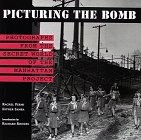
Hardcover. NY, Harry N Abrams, 1st, 1995, Book: Very Good, Dust Jacket: Very Good, Hardcover in a bright dust jacket, 232 pages. The first photographic record of the Manhattan Project--the U.S. Government-sponsored effort to build an atomic bomb. With an introduction by Richard Rhodes. The granddaughter of Enrico Fermi, a key participant in the Manhattan Project, presents a pictorial survey of the making of the atomic bomb, containing many never-before-published photographs and snapshots of the many aspects of the Project.Illustrated with over 100 B&W photographs, some color. Clean copy. DOMESTIC SHIPPING ONLY.

 "Physico-Theology: Or, A Demonstration of the Being and Attributes of God, From His Works of Creationby: William Derham")

 "Pictorial Life of General Washington: Embracing a Complete History of the Seven Years' War, the Revolutionary War, the Formation of the Federal Constitution, and the Administration of Washingtonby:")
 "Pictorialism into Modernism: The Clarence H. White School of Photographyby: Marianne Fulton")
 "Picture Book of Greenwich Village, Theby: Gaylord, R. Bruce")
 "Picture History of the Reformation and Protestantism by: Haverstick, John")
 "Picture Maker of the Old West: William H. Jacksonby: Jackson, Clarence S.")


 "Pictures and Progress: Early Photography and the Making of African American Identity by: Wallace, Maurice O. & Smith, Shawn Michelle (Editors)")
 "Pictures of Illinois One Hundred Years Ago by: Milo Milton Quaife (Ed.)")
 "Pictures of Nothing: Abstract Art since Pollock (The A. W. Mellon Lectures in the Fine Arts, 38)by: Kirk Varnedoe , Adam Gopnik, et al.")
 "Pictures of the Times: A Century of Photography from The New York Timesby: Safire, William/ Peter Galassi, Susan Kismaric")


 "Picturesque United States of America 1811 1812 1813 being a Memoir on Paul Svinin Russian Diplimatic Officer Artist and Author Containing Copious Excerpts from His Account of His Travels in America with Fifty two Reproductions of Wat")
 "Picturing an Exhibition: The Family of Man and 1950s Americaby: Sandeen, Eric J.")


 "Picturing Poverty: Print Culture and FSA Photographsby: Cara A. Finnegan")