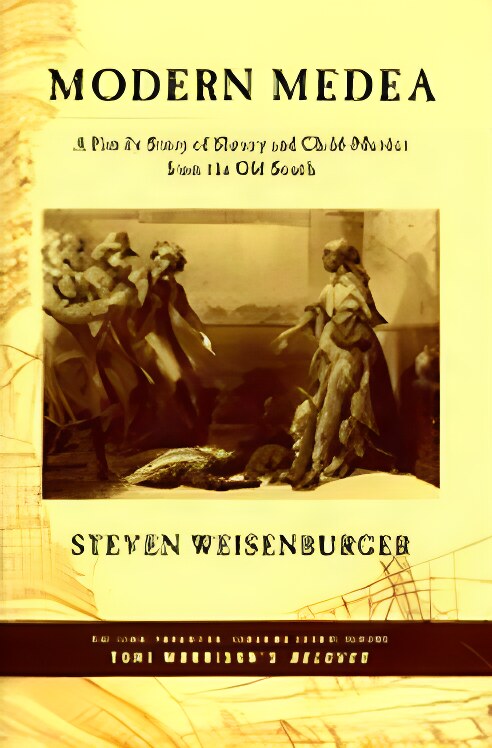
Hardcover. Ostfildern GR, Hatje Cantz, 1st, 2010, Book: Very Good, Dust Jacket: None, Like new in publishers shrink-wrap. Dutch documentary photographer Martin Roemers decided to track down the remains of deserted atom bomb shelters of the Cold War period. For over ten years he traveled through formerly hostile countries on both sides of the line: through eastern and western Germany, England, Belgium, the Netherlands, Poland, Ukraine, and other former East Bloc nations. Hardcover, 144 pages, 73 color plates, essays by Roemers, H.J.A. Hofland, and Nadine Barth.
Hardcover. Boston, Walker, Fuller, and Company, 1st, 1866, Book: Good, Dust Jacket: None, Hardcover, brown cloth binding with gilt lettering and gilt illustrations on front board and spine, 688 pages + ads in front of title-page. Black & white plates with tissue guards. Tissue guard on frontispiece removed. Foxing to pages. Hinge once separated from binding, now reglued at front endpaper. Spotting, fade to spine. Small hole to spine binding. Edgewear to bottom edges. No markings.
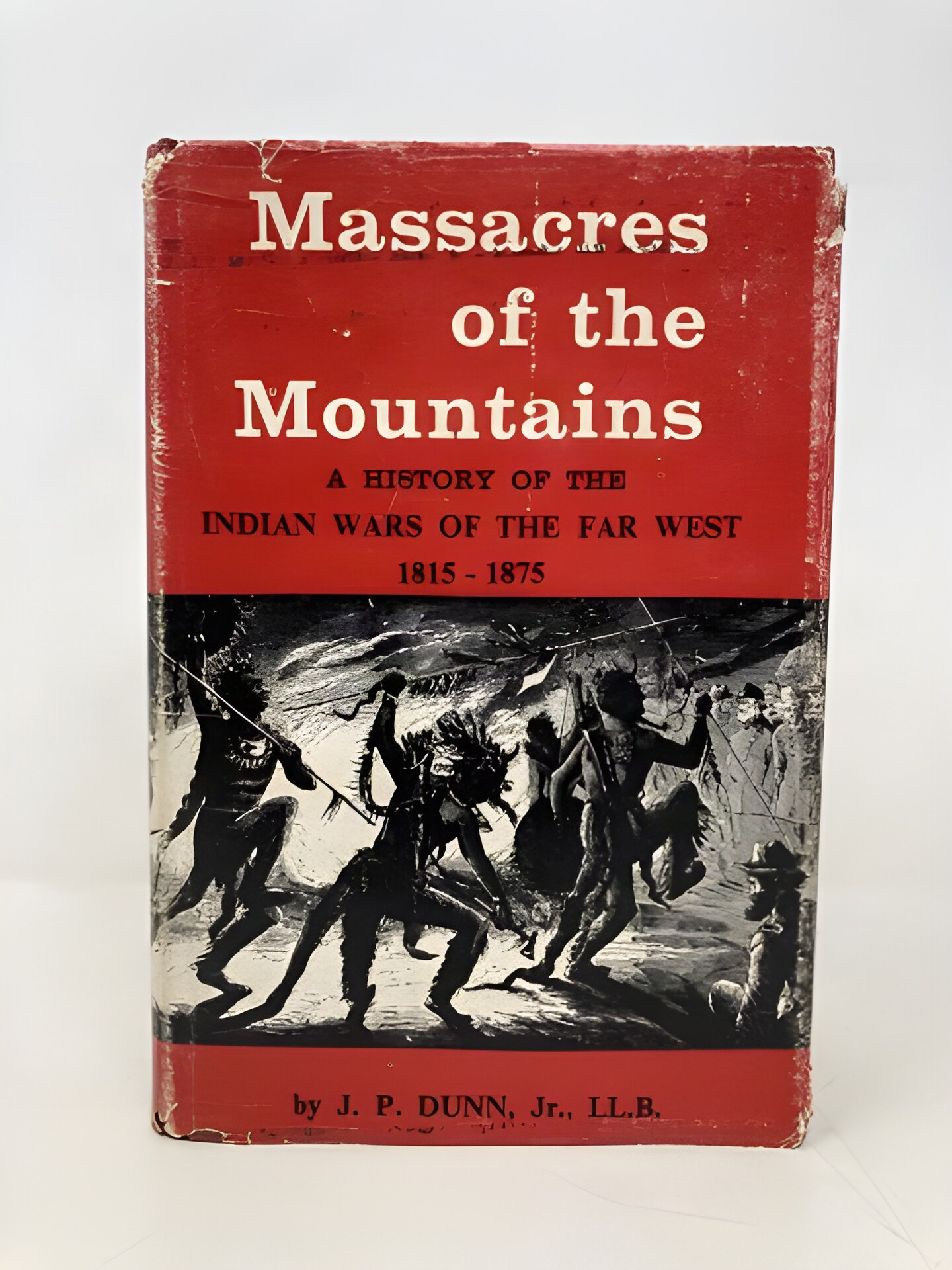
Hardcover. NY, Archer House, reprint, 1958, Book: Very Good, Dust Jacket: Good, Hardcover in a lightly worn dust jacket, 110 b/w illustrations. 669 pages. This is a facsimile reprint of edition first published in 1886. Covering 60 years of merciless bloody conflict, it documents in detail every major Indian battle between 1815 and 1876. Dust jacket spine faded, otherwise a clean, very good copy.
Hardcover. New York, Simon & Schuster, 1st, 2009, Book: Very Good, Dust Jacket: Very Good, 416 pages. Hardcover. Dust jacket unclipped. B/w illustrations throughout. Gilt title on spine. Binding tight, in excellent shape. Clean inside and out.
Hardcover. New York, Harper, 1st, 2009, Book: Very Good, Dust Jacket: Very Good, 720 pages. Hardcover with dust jacket. Clean, unmarked copy with only minor wear to dust jacket. Black and white pictures throughout.
Hardcover. Dynamite Entertainment, 1st, 2017, Hardcover, glossy pictorial boards, 272 pages. A celebration of the great artists who revolutionized horror comics in the 1970s with their work on Warren's Vampirella, Creepy, and Eerie horror comics. This first-ever comprehensive history of Spanish comic books and Spanish comic artists reveals their extraordinary success -- not just in Spain and America, but around the world. Containing artwork from over 80 artists, this in-depth retrospective includes profiles of such legends as Esteban Maroto, Sanjulian, Jose Gonzalez, Jordi Bernet, Enrich, Victor De La Fuente, Jose Ortiz and Luis Garcia Mozos. With 500 illustrations, over half scanned directly from the original artwork, Masters Of Spanish Comic Book Art honors the "Golden Generation" whose artwork inspired the imagination of comic book lovers everywhere. Clean copy.
Softcover. NY, Seven Stories Press, reprint, 2012, Book: Very Good, Dust Jacket: None, Softcover, 431 pages. A fascinating document of an extraordinary life, Memoirs of A Breton Peasant reads with the liveliness of a novel and bristles with the vigor of an opinionated autodidact from the very lowest level of peasant society. Brittany during the nineteenth century was a place seemingly frozen in the Middle Ages, backwards by most French standards; formal education among rural society was either unavailable or dismissed as unnecessary, while the church and local myth defined most people's reasoning and motivation. Jean-Marie Deguignet is unique not only as a literate Breton peasant, but in his skepticism for the church, his interest in science, astronomy and languages, and for his keen--often caustic--observations of the world and people around him. Born into rural poverty in 1834, Deguignet escapes Brittany by joining the French Army in 1854, and over the next fourteen years he fights in the Crimean war, attends Napoleon III's coronation ceremonies, supports Italy's liberation struggle, and defends the hapless French puppet emperor Maximilian in Mexico. He teaches himself Latin, French, Italian and Spanish and reads extensively on history, philosophy, politics, and literature. He returns home to live as a farmer and tobacco-seller, eventually falling back into dire poverty. Throughout the tale, Deguignet's freethinking, almost anarchic views put him ahead of his time and often (sadly, for him) out of step with his contemporaries. Deguignet's voluminous journals (nearly 4,000 pages in total) were discovered in a farmhouse in Brittany a century after they were written. This narrative was drawn from them and became a surprise bestseller when published in France in 1998. Clean copy.
Hardcover. Boston, City of Boston, 1st, 1889, Book: Fair, Dust Jacket: None, Hardcover, 274 pages, b&w plates and illustrations. Brown end papers. Brown cloth coverings w/ gilt seal and lettering on spine. Wear and rubbing to covers, corners. Binding weak, several pages loose. Else pages clean and crisp.
Hardcover. Newport, VT, Civil War Enterprises, Reprint, Book: Very Good, Dust Jacket: None, 77 pages. Hardcover. Reprint, original publishing date 1868. In excellent shape, clean inside and out. Binding tight. From title page: "The Memorial Record of the Soldiers Who Enlisted from Greensboro, Vermont, to Aid in Subduing the Great Rebellion of 1861-5, Accompanied by a brief History of Each Regiment that Left the state."
Hardcover. NY, Time Life, reprint, 1985, Book: Very Good, Dust Jacket: None, 336 pages. Hardcover with no dust jacket. Dark blue leather bound with gilt titles to front cover and spine. Embossed decoration on front cover. Gilt text block edges, red ribbon marker. Clean, tight copy.
Hardcover. Carlton Books, 1st, 2003, Book: Very Good, Dust Jacket: Very Good, Hardcover, 128 pages, illustrated throughout with numerous plates in color and b&w. Clean, unmarked copy with only minor wear to dust jacket.
Softcover. Lincoln NE, iUniverse, 1st, 2001, Book: Very Good, Dust Jacket: None, Softcover, 236 pages. "Forward! Double-Quick!" and away we all rushed toward the fort... capturing two brass field pieces, one of which the rebels left loaded." A true account of Vermont men of color in battle during the Civil War. A barely known fact is that the tiny state of Vermont provided over one hundred and fifty African American soldiers to fight for the Union and by doing so, free millions of their own race. This is their story. Derived from historical archives and through their own words. Clean copy. Hastily signed by the author on the half-title page.
Hardcover. NY, Free Press, 1st, 2005, Book: Very Good, Dust Jacket: Very Good, Hardcover in a bright, unclipped dust jacket. No artist looms so large in Western consciousness and culture as Michelangelo Buonarroti, the most celebrated sculptor of all time. And no place on earth provides a stone so capable of simulating the warmth and vitality of human flesh and incarnating the genius of a Michelangelo as the statuario of Carrara, the storied marble mecca at Tuscany's northwest corner. It was there, where shadowy Etruscans and Roman slaves once toiled, that Michelangelo risked his life in dozens of harrowing expeditions to secure the precious stone for his Pieta, Moses, and other masterpieces. Many books have recounted Michelangelo's achievements in Florence and Rome. Michelangelo's Mountain goes beyond all of them, revealing his escapades and ordeals in the spectacular landscape that was the third pole of his tumultuous career and the third wellspring of his art. Eric Scigliano brings this haunting place and eternally fascinating artist to life in a sweeping tale peopled by popes and poets, mad dukes and mythic monsters, scheming courtiers and rough-hewn quarrymen. In showing how the artist, land, and stone transformed one another, Scigliano brings fresh insight to Michelangelo's most cherished works and illuminates his struggles with the princes and potentates of Carrara, Rome, and Medici Florence, who raised intrigue to a high art.
Hardcover. New York, McGraw-Hill Book Company, Inc., 1st, 1957, Book: Very Good, Dust Jacket: Very Good, 547 pages. Hardcover. A Special Hall of Fame Edition of 1,000 copies of which this is SIGNED and hand numbered #738/1000 BY THE AUTHOR. Illustrated with 8 pages of black & white photographs. Faint darkening to top right corner, edge of front endpaper. Price clipped dust jacket with light wear - jacket now protected with clear plastic cover. Unmarked text. Clean, tight copy.
Hardcover. NY, Aperture, 1st, 2000, Book: Very Good, Dust Jacket: Very Good, Hardcover in a bright, unclipped dust jacket. In Migrations, Sebastiao Salgado turns his attention to the staggering phenomenon of mass migration. Photographs taken over seven years across more than 35 countries document the epic displacement of the world's people at the close of the twentieth century. Wars, natural disasters, environmental degradation, explosive population growth and the widening gap between rich and poor have resulted in over one hundred million international migrants, a number that has doubled in a decade. This demographic change, unparalleled in human history, presents profound challenges to the notions of nation, community, and citizenship. The first extensive pictorial survey of the current global flux of humanity, Migrations follows Latin Americans entering the United States, Jews leaving the former Soviet Union, Africans traveling into Europe, Kosovars fleeing into Albania and many others. Clean copy. DOMESTIC SHIPPING ONLY.
Hardcover. NY, Aperture, 1st, 2000, Book: Very Good, Dust Jacket: Very Good, Hardcover. In Migrations, Sebastiao Salgado turns his attention to the staggering phenomenon of mass migration. Photographs taken over seven years across more than 35 countries document the epic displacement of the world's people at the close of the twentieth century. Wars, natural disasters, environmental degradation, explosive population growth and the widening gap between rich and poor have resulted in over one hundred million international migrants, a number that has doubled in a decade. This demographic change, unparalleled in human history, presents profound challenges to the notions of nation, community, and citizenship. The first extensive pictorial survey of the current global flux of humanity, Migrations follows Latin Americans entering the United States, Jews leaving the former Soviet Union, Africans traveling into Europe, Kosovars fleeing into Albania and many others. The images address suffering while revealing the dignity and courage of the subjects. With his unique vision and empathy, Salgado gives us a picture of the enormous social and political transformations now occurring in a world divided between excess and need. This is a heavy and oversized book and will require extra shipping. International customers please ask for a shipping quote before purchasing.
Hardcover. Poughkeepsie, New York, Abraham Tomlinson, 1st, 1855, Book: Fair, Dust Jacket: None, 128 pages, gilt title on cover and frontispiece illustration, with numerous illustrative notes throughout and a supplement containing official papers on the skirmishes at Lexington and Concord. Ex-library residue, front cover loose and binding needs new back strip. Internal pages are clean and bright.
Hardcover. Atlanta, Nexus Press, 1st, 1995, Book: Very Good, Dust Jacket: None, Hardcover, 118 pages. Glossy color illustrated boards, color illustrated end-papers, color and black-and-white illustrations from photographs throughout, accompanying 16 page facsimile journal laid in (no publishing info) with reproductions of polaroids of Burke's. 'Mine Fields' (a sequel to Bill Burke's justly famous I Want To Take Picture), is Burke's scrapbook of his life and his pursuit of the history and daily life of Cambodia. Part adventure story, part personal confession, part travelogue, and always fascinating, Burke's negotiation of the mine fields of divorce and war is a compelling collage of photographs, found objects, stories, and the contrast between glorious ancient temples and the horrors of war and genocide.
Hardcover. NY, The Burns Archive Press, 1st, 2012, Book: Very Good, Dust Jacket: None, Hardcover, laminated boards, measures 6 x 6 3/4". SIGNED AND INSCRIBED BY BURNS on the title page. Mirror, Mirror features an extraordinary scope of early photography from one of the most important and comprehensive private collections in the world. Over 250 daguerreotypes presented in full-color reproductions illustrate the depth and beauty of this special medium. Showcasing a wide range of American, British and French images, revealing the clear distinctions in the style and presentation of each country, makes this book an excellent guide for novice collectors as well as a resource for connoisseurs and curators. Clean copy.
Hardcover. NY, The Burns Archive Press, 1st, 2012, Book: Very Good, Dust Jacket: None, Hardcover, laminated boards, measures 6 x 6 3/4". SIGNED AND INSCRIBED BY BURNS on the title page. Mirror, Mirror features an extraordinary scope of early photography from one of the most important and comprehensive private collections in the world. Over 250 daguerreotypes presented in full-color reproductions illustrate the depth and beauty of this special medium. Showcasing a wide range of American, British and French images, revealing the clear distinctions in the style and presentation of each country, makes this book an excellent guide for novice collectors as well as a resource for connoisseurs and curators. Clean copy.
Hardcover. NY, Hill and Wang, BC Ed., 1998, Book: Very Good, Dust Jacket: Very Good, Hardcover, 352 pages, with illustrations. Minor dust jacket edge wear, otherwise, very clean and tight copy. In the middle of a frigid Sunday night in January 1856, a twenty-two-year-old Kentucky slave named Margaret Gamer gathered up her family and raced north, toward Cincinnati and freedom. But Margaret's master followed just hours behind and soon had the fugitives surrounded. Thinking all was lost, Margaret seized a butcher knife and nearly decapitated her two-year-old daughter, crying out that she would rather see her children dead than returned to slavery. She was turning on her other three children when slave catchers burst in and subdued her.Margaret Garner's child-murder electrified the United States, inspiring the longest, most spectacular fugitive-slave trial in history. Abolitionists and slaveholders fought over the meaning of the murder, and the case came to symbolize the ills of the Union in those last dark decades before the Civil War.
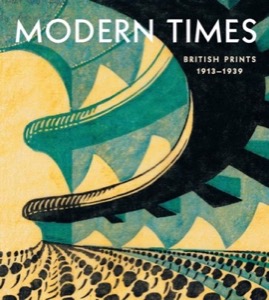
Hardcover. NY, Metropolitan Museum of Art, 1st, 2021, Book: Very Good, Dust Jacket: None, Hardcover, pictorial boards, 200 pages. A look at the artistic and technical innovation of British printmaking from World War I to the eve of World War II, as artists from the Grosvenor School and beyond harnessed an emerging modernist style. This richly illustrated volume reintroduces rare print works from the collection of Leslie and Johanna Garfield into the narrative of modernism, demonstrating their relationship to other movements such as Cubism, Futurism, and Constructivism. Essays explore how artists turned to printmaking to alleviate trauma, memorialize their wartime experiences, and capture the aspirations and fears of the twenties and thirties. Special attention is given to the linocut technique revolutionized by Claude Flight and his students at London's Grosvenor School of Modern Art. Highlighted as well are the pioneering works of artists such as C. R. W. Nevinson, Sybil Andrews, Cyril E. Power, Paul Nash, Edward Wadsworth, Edith Lawrence, Ursula Fookes, and Lill Tschudi. In their quest to promote a more democratic art, these artists created innovative graphics that portrayed in subject, form, material, and technique the dynamic era in which they lived. In publisher's shrinkwrap.
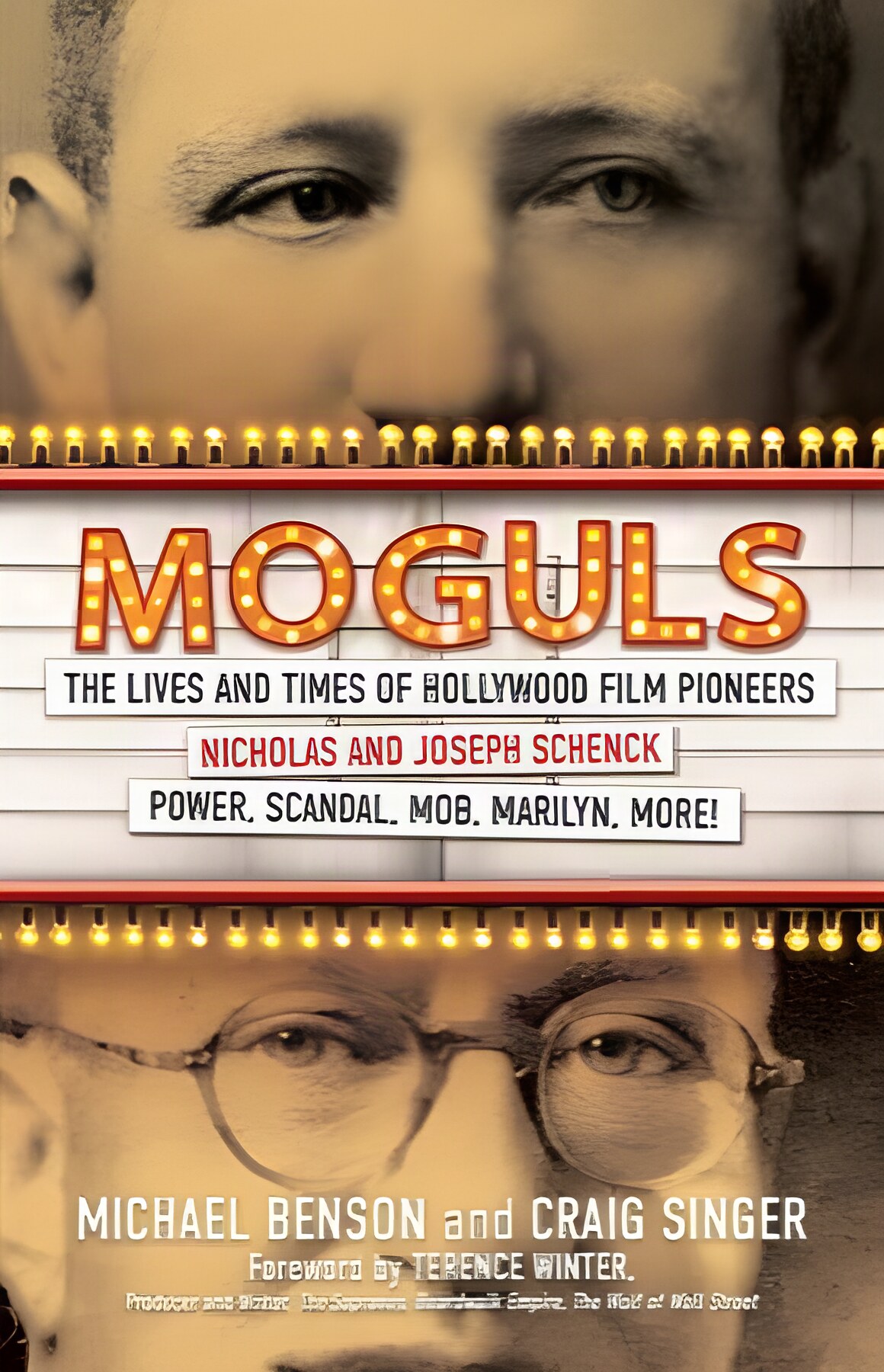
Hardcover. NY, Citadel Press, 1st, 2024, Book: Very Good, Dust Jacket: Very Good, Hardcover in a bright dust jacket, 294 pages, b&w illustrations. They were the Godfathers of the Movies. Groundbreaking pioneers of the Hollywood Dream Factory, Joseph and Nicholas Schenck may not have been household names like the Warner brothers or Louis B. Mayer, but they were infinitely more powerful, influential--and ruthless. A pair of Russian immigrants with giant ambitions, the Schencks turned their small nickelodeon business in New York's Bowery into a partnership with Loew's movie theaters and a controlling interest in three major studios: MGM, Twentieth Century-Fox, and United Artists. They painted the silver screen silver, laid the foundations for the all-powerful studio system, and ruled a global movie empire from their Gatsby-sized mansions on the East and West Coasts. Clean copy.



 "Memoirs of a Breton Peasant, 1834-1905by: Jean-Marie D?©guignet")
 "Memorial of the American Patriots Who Fell at the Battle of Bunker Hill, June 17, 1775, A by: City of Boston")
 "Memorial Record of the Soldiers of Greensboro, Vermont, By E.E. Rollins 1868, Theby: Rollins, E. E.")
 "Memories: A Record of Personal Experience and Adventure During Four Years of War (Collector's Library of the Civil War)by: Beers, Fannie A.")
 "Men O'War: The Illustrated Story of Life in Nelson's Armyby: Goodwin, Peter")



 "Migrations: Humanity in Transitionby: Salgado, Sebastiao")
 "Miliitary Journals of Two Private Soldiers, 1758-1775by: N/A")
 "Military Commission to Europe in 1855 and 1856 (with) Rifled Infantry Arms: A Brief Description of the Modern System of Small Arms as Adopted in the Various European Armiesby:")