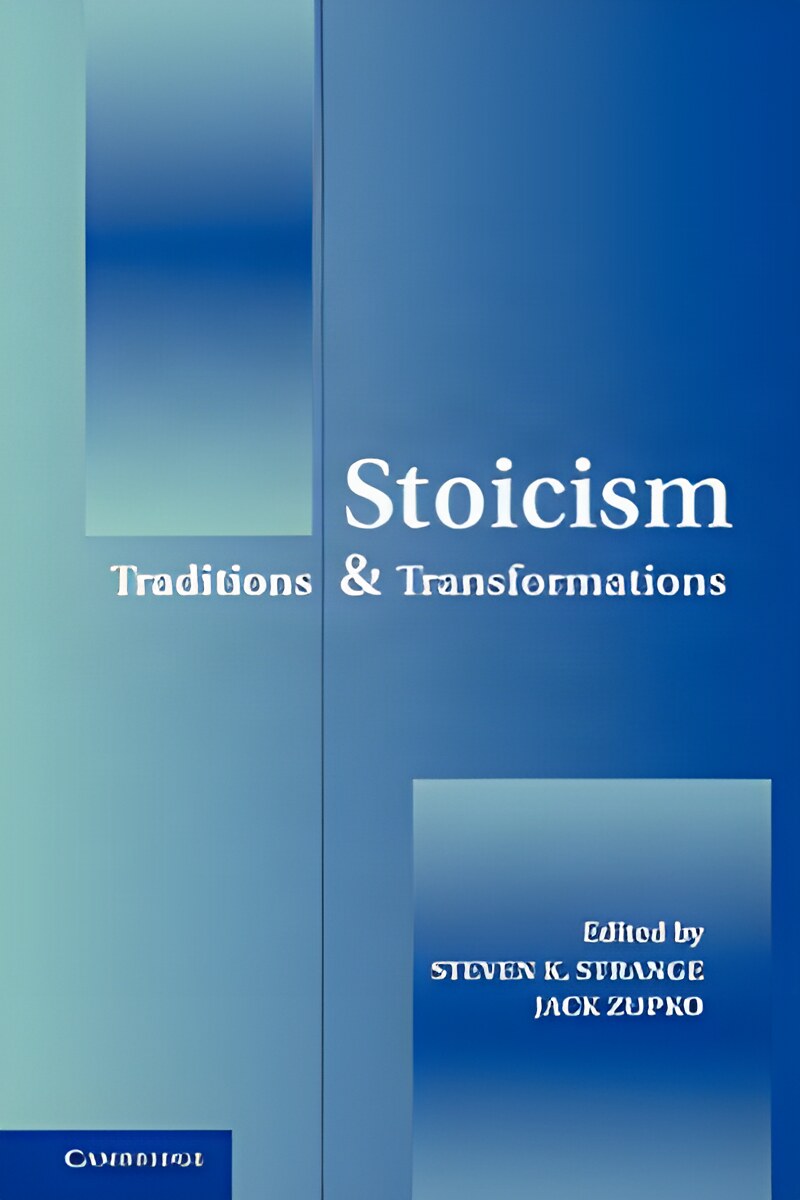
Hardcover. Cambridge UK, Cambridge University Press, 1st, 2004, Book: Very Good, Dust Jacket: Very Good, Hardcover in a bright dust jacket with mild edgewear. 295 pages. Stoicism is now widely recognized as one of the most important philosophical schools of ancient Greece and Rome. But how did it influence Western thought after Greek and Roman antiquity? The contributors recruited for this volume include leading international scholars of Stoicism as well as experts in later periods of philosophy. They trace the impact of Stoicism and Stoic ideas from late antiquity through the medieval and modern periods. Name on front fly leaf otherwise clean.
Hardcover. Munchen/Leipzig, K.G. Saur, 1st, 2004, Book: Very Good, Dust Jacket: None, Hardcover, blue cloth with light gray stamping, 348 pages. Name on front fly leaf, otherwise clean. Name on front fly leaf, otherwise clean.
Hardcover. Munchen/Leipzig, K.G. Saur, 1st, 2004, Book: Very Good, Dust Jacket: None, Hardcover, blue cloth with light gray stamping, 269 pages. Name on front fly leaf, otherwise clean. Name on front fly leaf, otherwise clean.
Hardcover. Munchen/Leipzig, K.G. Saur, 1st, 2004, Book: Very Good, Dust Jacket: None, Hardcover, blue cloth with light gray stamping, 221 pages. Name on front fly leaf, otherwise clean. Name on front fly leaf, otherwise clean.
Hardcover. London, Reaktion Books, 2013, 2013, Book: Very Good, Dust Jacket: Very Good, 336 pages. Hardcover with dust jacket. Profusely illustrated in full color & black & white throughout. Clean, tight copy.
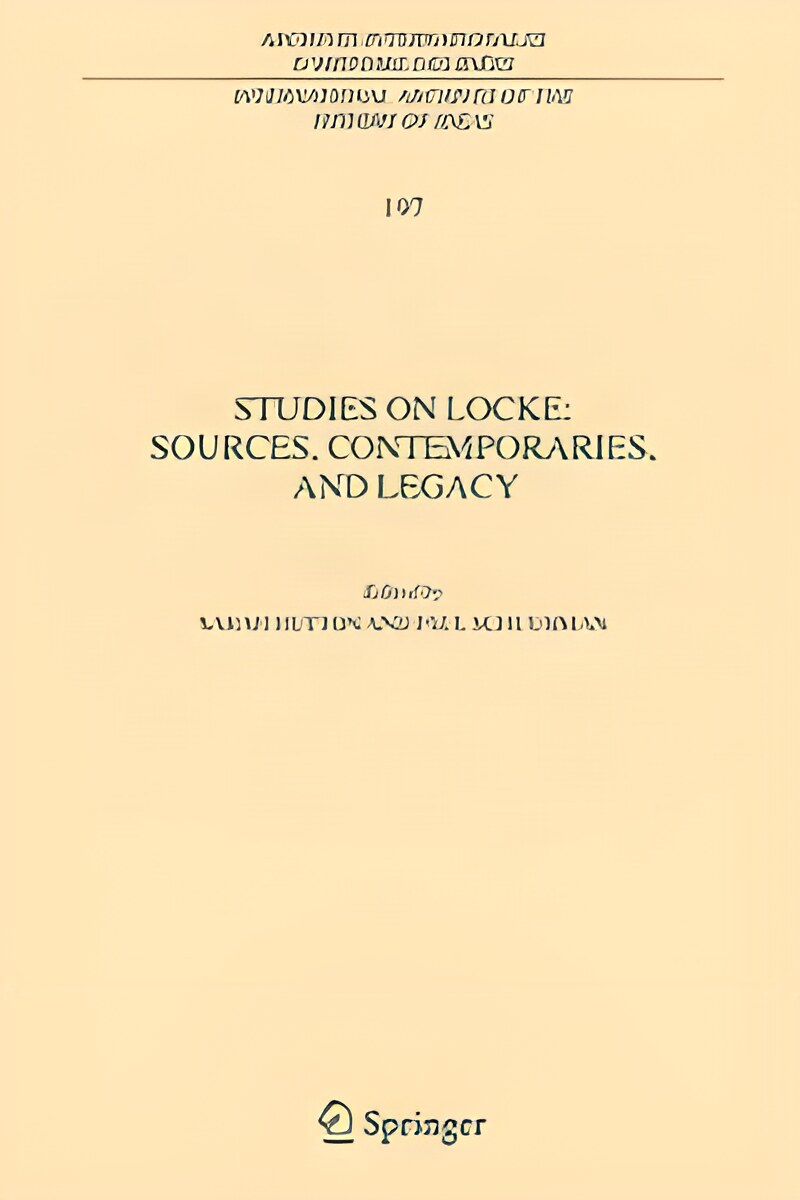
Hardcover. Netherlands, Springer, 1st, 2008, Book: Very Good, Dust Jacket: Very Good, Hardcover in a dust jacket, 289 pages. This collection of new essays on John Locke by a constellation of leading Locke scholars focuses on his philosophy, biography, sources and influence. The topics discussed here include his theory of ideas, his debt to Stoicism, his relations the Dry Club and with his translator, Pierre Coste, and the hitherto overlooked critique by Thomas Beconsall. A major emphasis of the collection is the relationship between Locke and seventeenth-century philosophers, Descartes, Hobbes, Cudworth, Bayle, Malebranche and Leibniz. The coverage of Locke's legacy extends to into the eighteenth-century legacy as far as Rousseau and Kant. Ink name on front fly leaf, otherwise clean.
Hardcover. Indianapolis, Hackett Publishing, 1st, 2000, Book: Very Good, Dust Jacket: Very Good, Hardcover in a bright dust jacket, 322 pages. In this groundbreaking work, C. D. C. Reeve uses a fundamental problem--the Primacy Dilemma--to explore Aristotle's metaphysics, epistemology, dialectic, philosophy of mind, and theology in a new way. At a time when Aristotle is most often studied piecemeal, Reeve attempts to see him both in detail and as a whole, so that it is from detailed analysis of hundreds of particular passages, drawn from dozens of Aristotelian treatises, and translated in full that his overall picture of Aristotle emerges. Primarily a book for philosophers and advanced students with an interest in the fundamental problems with which Aristotle is grappling, Substantial Knowledge's clear, non-technical and engaging style will appeal to any reader eager to explore Aristotle's difficult but extraordinarily rewarding thought. Name on front fly leaf, otherwise clean.
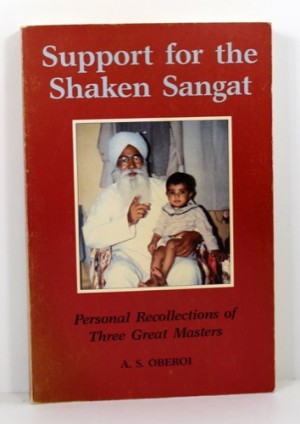
Softcover. Sanbornton, Sant Bani Press, First Edition, 1984, Book: Very Good, Dust Jacket: None, 333 pages. Softcover. Full page, full color illustrations and a few in bw. Interviews & reflections with Kirpal Singh, Baba Sawan & Sant Ajaib. Light wear to spine edges, light sunfading to lower spine. Discolored smudge to top edge. Previous owner's signature to preliminary pages. Otherwise, clean & unmarked copy.
Hardcover. London, NLB, 1st transl. thus, 1972, Book: Very Good, Dust Jacket: None, Hardcover, light blue cloth stamped in gilt, 257 pages. The articles and essays collected in this book were written during the decade of Lukacs's life when he was most active in politics. The first texts mark his transition from an anti-bourgeois aestheticism to Marxism and the newly founded Hungarian Communist Party. They are followed by material which displays the full range of his activity and thought during the subsequent ten years. Some of these essays were written when Lukacs was deputy commissar of education in the embattled, short-lived Hungarian Soviet Republic. Others include the famous article on parliamentarianism which earned its author the respectful yet severe criticism of Lenin.The volume includes short studies on German revisionism, Bukharin's Marxism, and Karl Wittfogel, and longer pieces on Lassalle and Moses Hess. The collection ends with the theses Luckas wrote, under his cover name "Blum", in opposition to the policies of the Third Period of the Comintern. Clean copy.
Softcover. Cambridge UK, Cambridge University Press, reprint, 2010, Book: Very Good, Dust Jacket: None, Softcover, 449 pages. Thomas Hobbes is widely acknowledged as the most important political philosopher to have written in English. Originally published in 2007, Taming the Leviathan is a wide-ranging study of the English reception of Hobbes's ideas. In the first book-length treatment of the topic for over forty years, Jon Parkin follows the fate of Hobbes's texts (particularly Leviathan) and the development of his controversial reputation during the seventeenth century, revealing the stakes in the critical discussion of the philosopher and his ideas. Revising the traditional view that Hobbes was simply rejected by his contemporaries, Parkin demonstrates that Hobbes's work was too useful for them to ignore, but too radical to leave unchallenged. His texts therefore had to be controlled, their lessons absorbed and their author discredited. In other words the Leviathan had to be tamed. Taming the Leviathan significantly revised our understanding of the role of Hobbes and Hobbism in seventeenth-century England. Clean copy.
Hardcover. New Haven CONNECTICUT, Yale University Press, 1st, 1978, Book: Very Good, Dust Jacket: Very Good, Hardcover, 317 pages, b&w illustrations, red cloth with gilt lettering on spine. Bright dust jacket with price-clip.
Hardcover. London, Victor Gollancz , 1st, 1963, Book: Very Good, Dust Jacket: Very Good, Hardcover in a bright yellow dust jacket with light edgewear. Nine fictional characters argue/debate philosophical questions and offer opinions on history and literature. Clean copy.
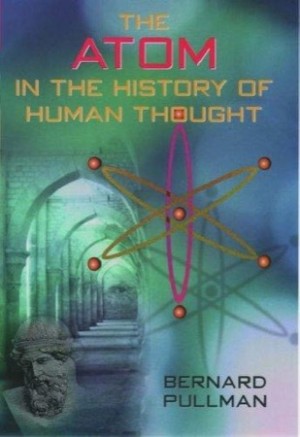
Hardcover. NY, Oxford University Press, 1st, 1998, Book: Very Good, Dust Jacket: Very Good, Hardcover in a very good dust jacket with fading to spine, 403 pages. The concept of the atom is very near scientific bedrock, touching first causes, fundamental principles, our conception of the nature of reality. This book is a translation from the French of a history of atomic thought and theory, from ancient Greece to the present day. Pullman grounds his coverage of scientific theory always in the religious and philosophical context of the times, covering the whole period of Western civilization, including in passing the major scientific philosophies of the Muslim world and India. The transition of atomism from a philosophical position to an experimental science, in the mid-19th century, is well handled, and the coverage is nicely rounded out by a treatment of the first visual proof of atoms' material existence by direct microscopic imaging of individual atoms about 10 years ago. Name on front fly leaf otherwise clean.
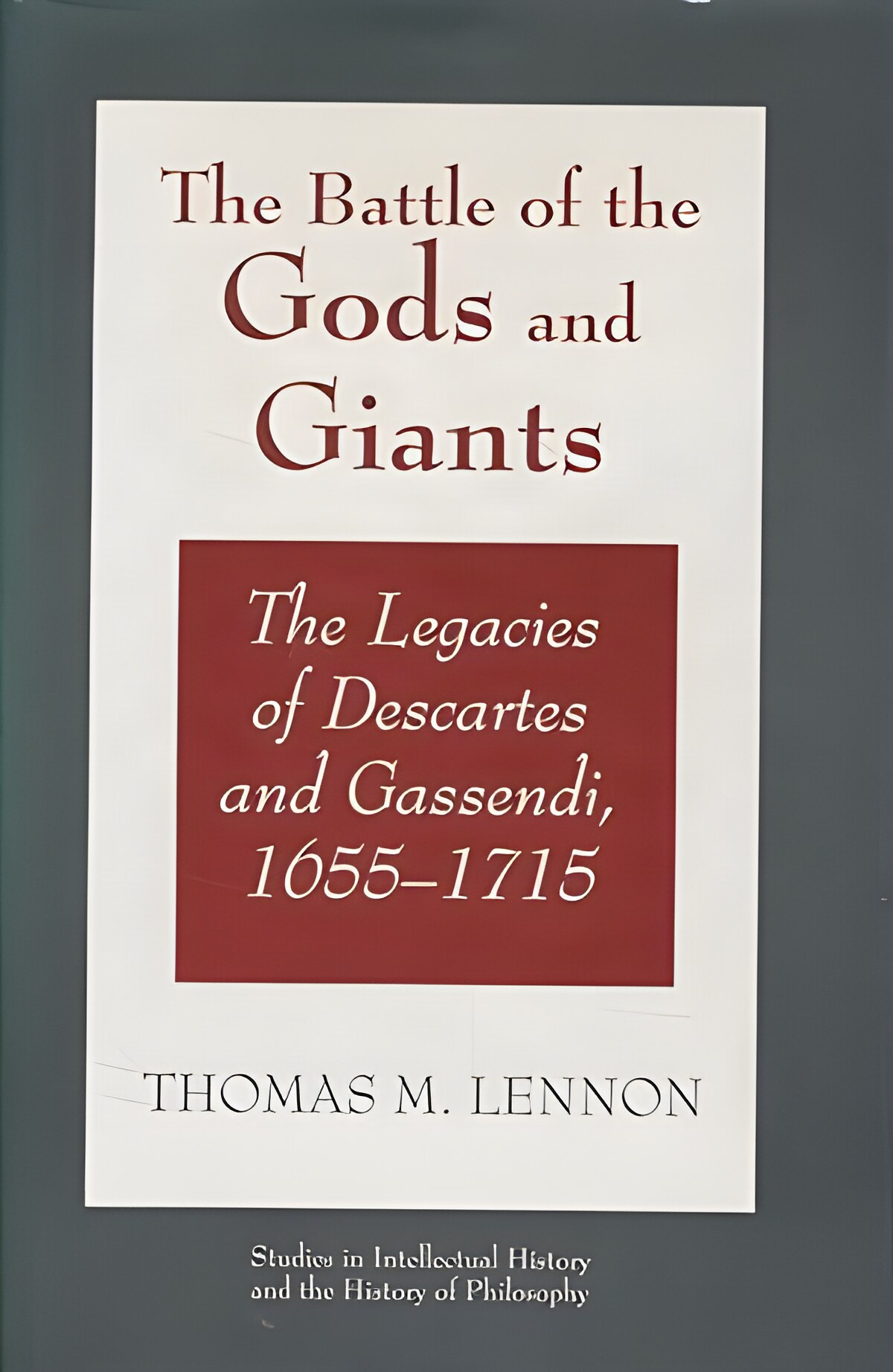
Hardcover. Princeton NJ, Princeton University Press, 1st, 1993, Book: Very Good, Dust Jacket: Very Good, Hardcover in a bright dust jacket with light edgewear, 419 pages. By the mid-1600s, the commonsense, manifest picture of the world associated with Aristotle had been undermined by skeptical arguments on the one hand and by the rise of the New Science on the other. What would be the scientific image to succeed the Aristotelian model? Thomas Lennon argues here that the contest between the supporters of Descartes and the supporters of Gassendi to decide this issue was the most important philosophical debate of the latter half of the seventeenth century. Descartes and Gassendi inspired their followers with radically opposed perspectives on space, the objects in it, and how these objects are known. Lennon maintains that differing concepts on these matters implied significant moral and political differences: the Descartes/Gassendi conflict was typical of Plato's perennial battle of the gods (friends of forms) and giants (materialists), and the crux of that enduring philosophical struggle is the exercise of moral and political authority. Lennon demonstrates, in addition, that John Locke should be read as having taken up Gassendi's cause against Descartes. In Lennon's reinterpretation of the history of philosophy between the death dates of Gassendi and Malebranche, Locke's acknowledged opposition to Descartes on some issues is applied to the most important questions of Locke exegesis.
Hardcover. London, Ruskin House, George Allen and Unwin, 1st, 1959, Book: Very Good, Dust Jacket: Good, Hardcover in a worn dust jacket, 194 pages. This study traces the origin of Buddhism in Brahmanism, and fixes its relationship to Hinduism, describing and stressing the basic importance of Buddhist contemplation. No markings.
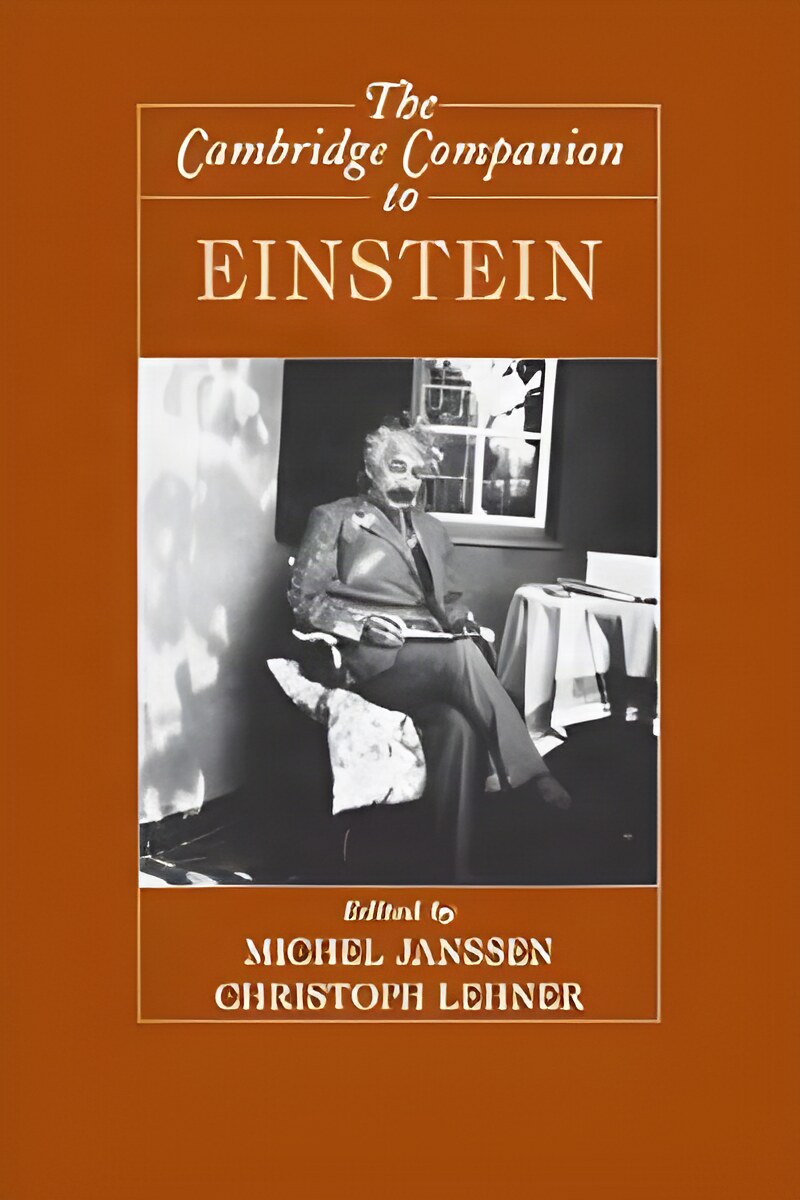
Softcover. UK, Cambridge University Press, 1st pbk, 2014, Book: Very Good, Dust Jacket: None, Softcover, 562 pages with index. This volume is the first systematic presentation of the work of Albert Einstein, comprising fourteen essays by leading historians and philosophers of science that introduce readers to his work. Following an introduction that places Einstein's work in the context of his life and times, the book opens with essays on the papers of Einstein's 'miracle year', 1905, covering Brownian motion, light quanta, and special relativity, as well as his contributions to early quantum theory and the opposition to his light quantum hypothesis. Further essays relate Einstein's path to the general theory of relativity (1915) and the beginnings of two fields it spawned, relativistic cosmology and gravitational waves. Essays on Einstein's later years examine his unified field theory program and his critique of quantum mechanics. The closing essays explore the relation between Einstein's work and twentieth-century philosophy, as well as his political writings. Clean, bright copy.
Softcover. UK, Cambridge University Press, 4th pr., 2008, Book: Very Good, Dust Jacket: None, Softcover, 745 pages. Beginning with Homer and ending in late antiquity with Christian and pagan reflections on divine and human order, this volume is the first general and comprehensive treatment of Rome ever to be published in English. Its international team of distinguished scholars includes historians of law, politics, culture and religion, as well as philosophers. The volume will long remain an accessible and authoritative guide to Greek and Roman thinking about government and community. Remainder line on bottom edge otherwise clean.
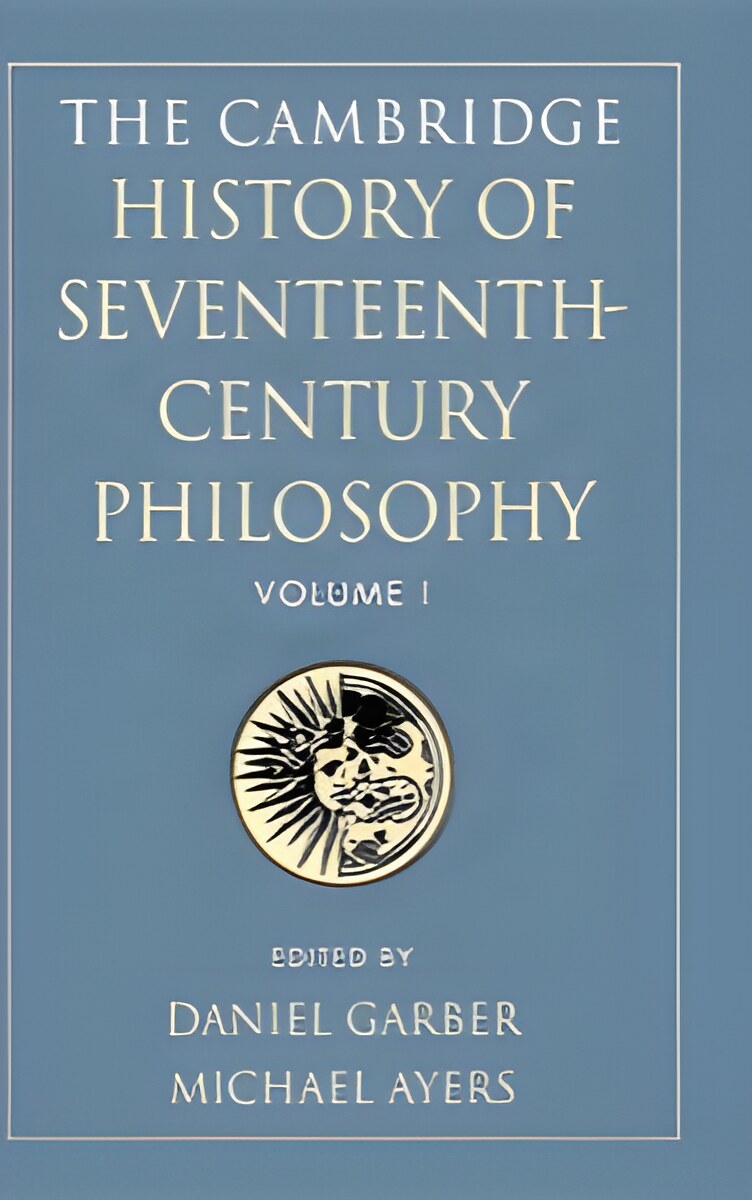
Hardcover. Cambridge UK, Cambridge University Press, 1st, 1998, Book: Very Good, Dust Jacket: Very Good, Hardcover in a dust jacket with mild fading to spine, 949 pages. Volume 1 only of a 2-volume set. The Cambridge History of Seventeenth-Century Philosophy offers a uniquely comprehensive and authoritative overview of early-modern philosophy written by an international team of specialists. As with previous Cambridge Histories of Philosophy the subject is treated by topic and theme, and since history does not come packaged in neat bundles, the subject is also treated with great temporal flexibility, incorporating frequent reference to medieval and Renaissance ideas. The basic structure corresponds to the way an educated seventeenth-century European might have organized the domain of philosophy. Thus, the history of science, religious doctrine, and politics feature very prominently. Name on front fly leaf, about 12 pages with light pencil markings. Otherwise clean.
Hardcover. Montreal, McGill-Queen's University Press, 1st, 1997, Book: Very Good, Dust Jacket: None, Hardcover, gray cloth stamped in black. 164 pages. The Career of Toleration considers the Locke-Proast controversy from the standpoint of political theory, examining Locke's and Proast's texts and tracing their relationship to later discussions of toleration. Vernon reconstructs the grounds of the dispute, drawing attention to the long-term importance of the arguments and evaluating their relative strength. He then examines issues of toleration in later contexts, specifically James Fitzjames Stephen's critique of John Stuart Mill, the perfectionist alternative to contractualist liberalism, and the view that the traditional attachment to toleration must, by the force of its own arguments, move from liberalism to a defence of a much stronger form of democracy. Arguing that Locke's and Proast's exchange marks a turning point in the intellectual history that has helped to structure the terms of modern political debate, Vernon presents a solid case for thinking that the exchange between Locke and Proast is as important for the twentieth century as it was for the seventeenth. Bright, clean copy.
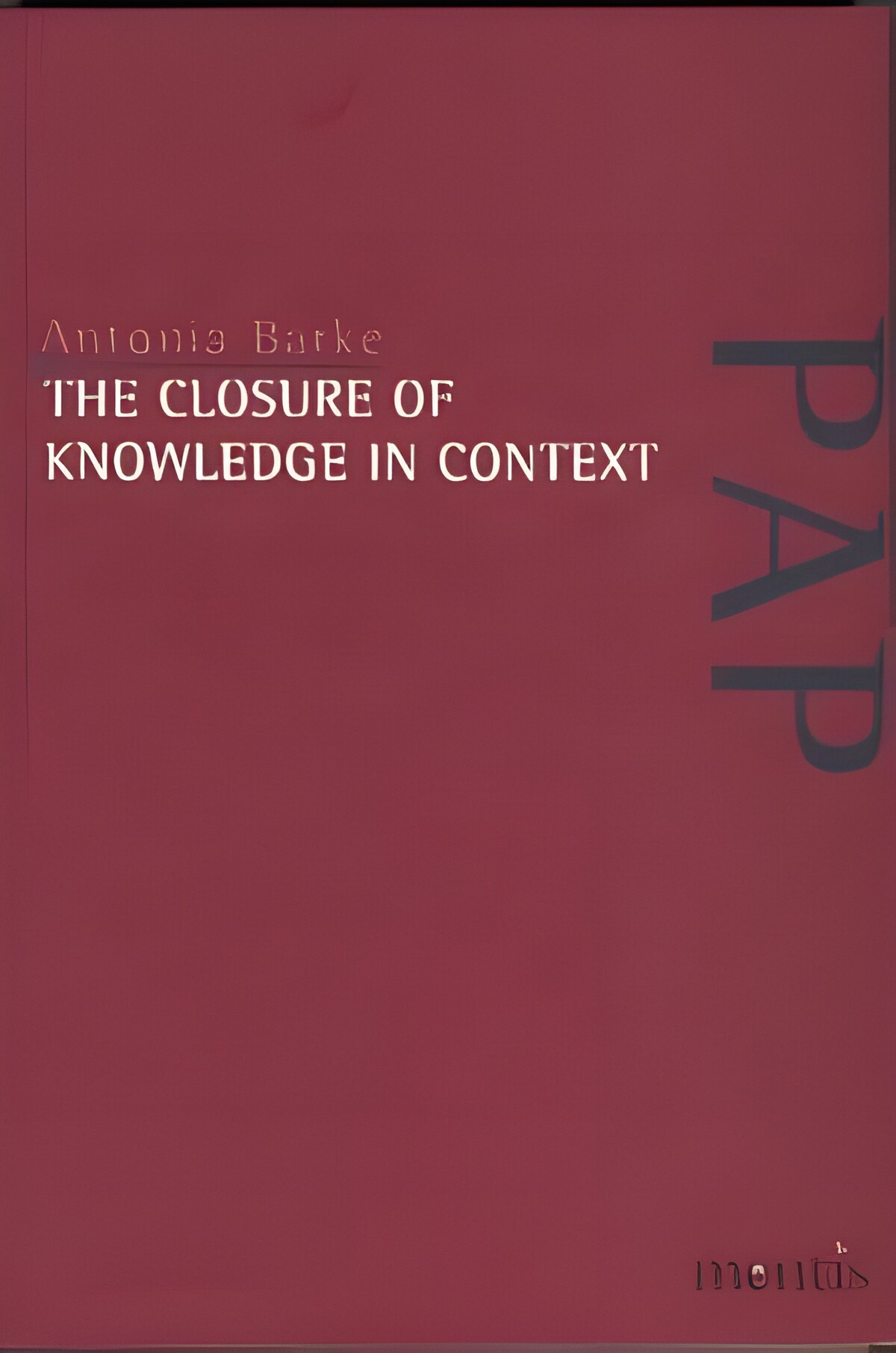
Softcover. Paderborn GER, Mentis, 1st, 2002, Book: Very Good, Dust Jacket: None, Softcover, 199 pages. INSCRIBED BY AUTHOR on the front fly leaf. This book investigates whether knowledge is closed under known entailment. Clean copy.
Hardcover. NY, St. Martin's Press, 1st, 1963, Book: Very Good, Dust Jacket: None, Hardcover, blue cloth with gold lettering on spine, 272 pages. The nine essays compiled in this work deal with the nature of philosophical arguments and the degree to which they are linguistic; the possibility and status of private experience; the criteria of personal identity and the relation between mind and body; the interplay of the referential and descriptive functions of language; the criteria of truth; the interpretation of judgments of probability; the distinction between generalizations of law and generalizations of fact; and the status of judgments about the future and the question of free will and determinism. New theories are advanced and old theories are criticized. Bright, clean copy, lacks dust jacket.
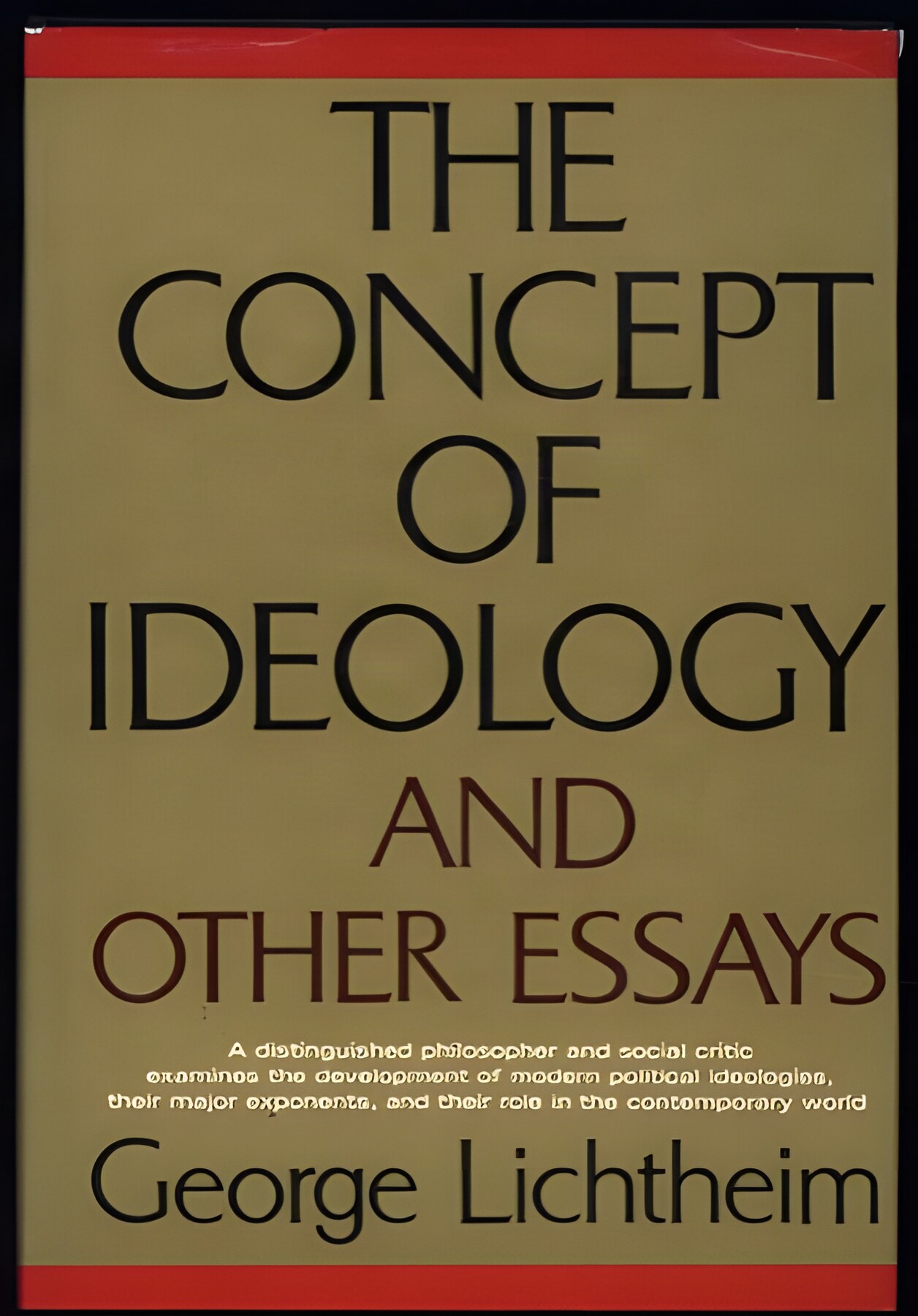
Hardcover. NY, Random House, 1st, 1967, Book: Very Good, Dust Jacket: Very Good, Hardcover in a bright, unclipped dust jacket, 327 pages. George Lichtheim (1912-1973) was a German-born intellectual whose works focused on the history and theory of socialism and Marxism. He defined himself as a socialist and stated in a 1964 letter to the New York Review of Books that "I am not a liberal and never have been. I find liberalism almost as boring as communism and have no wish to be drawn into an argument over which of these two antiquated creeds is less likely to advance us any further." His work appeared in the Palestine Post, Commentary, Partisan Review, Dissent, the New Leader, Encounter, the Times Literary Supplement and the New York Review of Books. Additionally, he translated Gershom Scholem's Main Currents in Jewish Mysticism. His death was by suicide. Clean, tight copy.
Hardcover. UK, Cambridge at the University Press, 2nd pr., 1926, Book: Very Good, Dust Jacket: None, Hardcover, dark blue cloth with gilt lettering on spine, 202 pages. When The Concept of Nature by Alfred North Whitehead was first published in 1920 it was declared to be one of the most important works on the relation between philosophy and science for many years, and several generations later it continues to deserve careful attention. This is the second printing published six years later. Whitehead explores the fundamental problems of substance, space and time, and offers a criticism of Einstein's method of interpreting results while developing his own well-known theory of the four-dimensional 'space-time manifold'. Name on front fly leaf, light pencil notations to 15 pages.
Hardcover. NY, Verso, 1st, 2021, Book: Very Good, Dust Jacket: Very Good, Hardcover in a bright dust jacket, 241 pages. In essays that range from ancient Greece to the end of the Anthropocene, Bull addresses questions central to contemporary political theory in novel readings of texts by Aristotle, Machiavelli, Marx, and Arendt, and shows how classic philosophical problems have a bearing on issues like political protest and climate change. The result is an entirely original account of political agency for the twenty-first century in which uncertainty and idleness are limned with utopian promise. Clean, bright copy.






 "Taming the Leviathan: The Reception of the Political and Religious Ideas of Thomas Hobbes in England 1640??\"1700 (Ideas in Contextby: Parkin, Jon")
 "Teachings of Taoist Master Chuang, Theby: Saso, Michael")



 "The Career of Toleration: John Locke, Jonas Proast, and After by: Vernon, Richard")

 "The Concept of Nature: Tarner Lectures Delivered in Trinity College November 1919.by: Alfred North Whitehead")
