Hardcover. NY, Houghton Mifflin Harcourt, 1st, 2019, Book: Very Good, Dust Jacket: Very Good, Hardcover in a bright, unclipped dust jacket. Nigel Hamilton's celebrated trilogy culminates with a story of triumph and tragedy. Just as FDR was proven right by the D-day landings he had championed, so was he found to be mortally ill in the spring of 1944. He was the architect of a victorious peace that he would not live to witness. Using hitherto unpublished documents and interviews, Hamilton rewrites the famous account of World War II strategy given by Winston Churchill in his memoirs. Seventy-five years after the D-day landings we finally get to see, close-up and in dramatic detail, who was responsible for rescuing, and insisting upon, the great American-led invasion of France in June 1944, and why the invasion was led by Eisenhower. As FDR's D-day triumph turns to personal tragedy, we watch with heartbreaking compassion the course of the disease, and how, in the months left him as US commander in chief, the dying president attempted at Hawaii, Quebec, and Yalta to prepare the United Nations for an American-backed postwar world order. Now we know: even on his deathbed, FDR was the war's great visionary.
Hardcover. New Haven CT, Yale University Press, 1st thus, 1950, Book: Very Good, Dust Jacket: None, Hardcover. The Chronicles of America Vol. 54. 364 pages, b&w illustrations. Red gilt-decorated cloth, top edge gilt, no dust jacket as issued. Details the campaigns of the U.S. Armed Forces in all theaters of World War II, including Tunisia, France, Italy, the Philippines, and Guadalcanal. A very nice, tight, clean copy in excellent condition.
Hardcover. NY, Time Life, reprint, 1985, Book: Very Good, Dust Jacket: None, 308 pages. Hardcover with no dust jacket. Dark blue leather bound with gilt titles to front cover and spine. Embossed decoration on front cover. Gilt text block edges, red ribbon marker. Clean, tight copy. From a captain who served in three manor battles the full story of their hardships and trials during the war. 40% casualties being the norm for 9 months service. Inspirational writings on a period of time that continues to have an effect on our country.
Hardcover. London, J. Hatchard, 2nd Ed., 1805, Book: Good, Dust Jacket: None, 252 pages with appendix added in this December printing. (The first edition consisted of 215 pages and was issued in October.) Half black leather binding and marbled boards. Both covers detached, the front missing. The interior and binding are in very nice condition, clean.
Hardcover. Syracuse, N.Y., Syracuse University Press, 1st, 1981, Book: Very Good, Dust Jacket: Very Good, Hardcover, 239 pages, b&w photographs and maps. Minor edgewear to dust jacket. Else a very clean, tight copy.
Hardcover. Gretna LA, Pelican Publishing, 1st, 2003, Book: Very Good, Dust Jacket: Very Good, Hardcover in a bright dust jacket. In June 1892, a thirty-year-old shoemaker named Homer Plessy bought a first-class railway ticket from his native New Orleans to Covington, north of Lake Pontchartrain. The two-hour trip had hardly begun when Plessy was arrested and removed from the train. Though Homer Plessy was born a free man of color and enjoyed relative equality while growing up in Reconstruction-era New Orleans, by 1890 he could no longer ride in the same carriage with white passengers. Plessy's act of civil disobedience was designed to test the constitutionality of the Separate Car Act, one of the many Jim Crow laws that threatened the freedoms gained by blacks after the Civil War. This largely forgotten case mandated separate-but-equal treatment and established segregation as the law of the land. It would be fifty-eight years before this ruling was reversed by Brown v. Board of Education. Keith Weldon Medley brings to life the players in this landmark trial, from the crusading black columnist Rodolphe Desdunes and the other members of the Comite des Citoyens to Albion W. Tourgee, the outspoken writer who represented Plessy, to John Ferguson, a reformist carpetbagger who nonetheless felt that he had to judge Plessy guilty. Clean copy.
Hardcover. Baltimore, Gateway Press, 1st, 1990, Book: Very Good, Dust Jacket: Good, Hardcover in a lightly worn dust jacket, 335 pages, b&w illustrations. INSCRIBED BY THE AUTHOR on the title page to the previous owner, a Major in the US Air Force Reserve. His ownership signature on the front fly leaf. Otherwise clean.
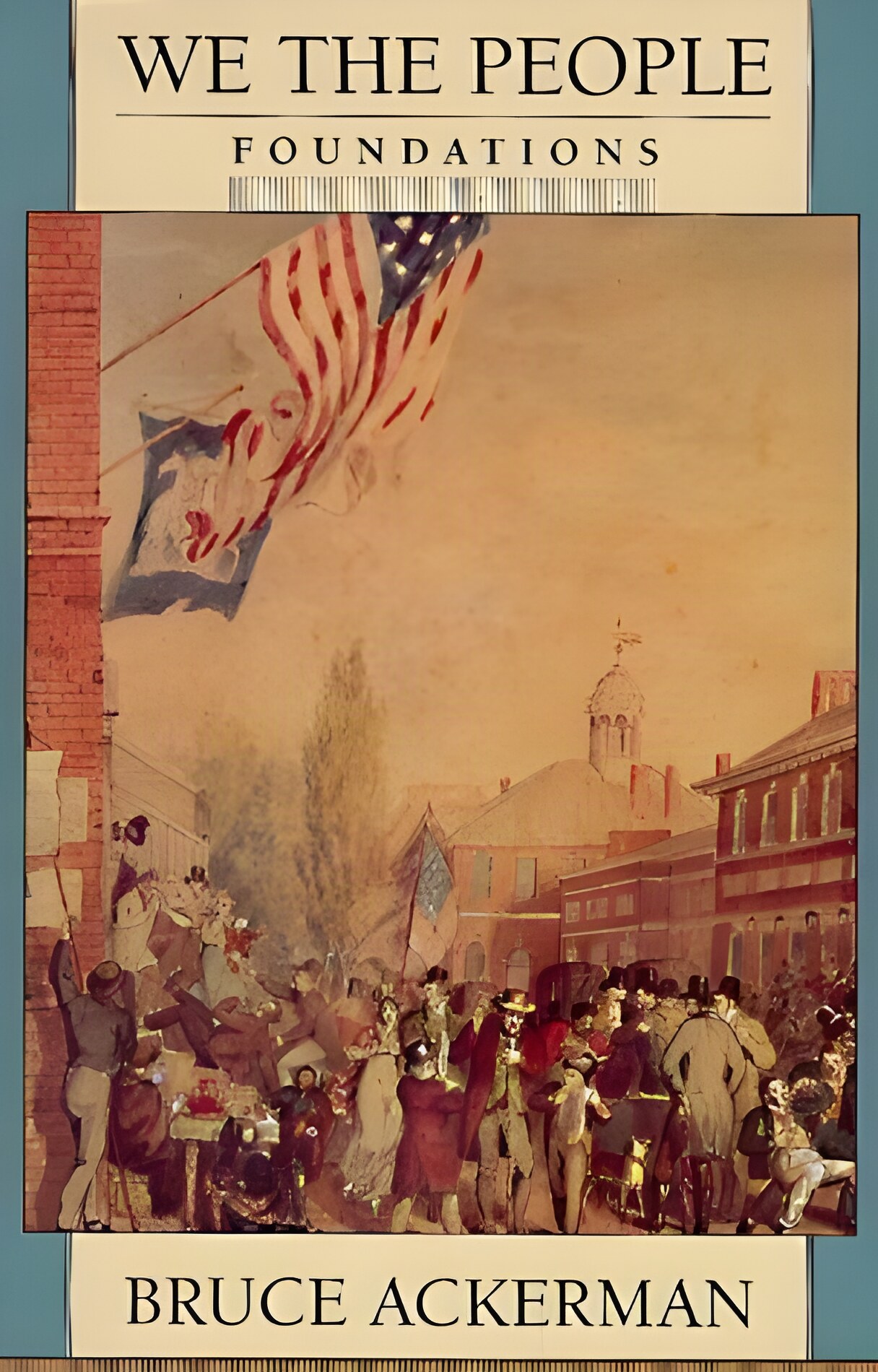
Hardcover. Cambridge MA, Harvard University Press, 1st, 1991, Book: Very Good, Dust Jacket: Very Good, Hardcover in a lightly worn dust jacket. Bruce Ackerman offers a sweeping reinterpretation of our nation's constitutional experience and its promise for the future. Integrating themes from American history, political science, and philosophy, We the People confronts the past, present, and future of popular sovereignty in America. Only this distinguished scholar could present such an insightful view of the role of the Supreme Court. Rejecting arguments of judicial activists, proceduralists, and neoconservatives, Ackerman proposes a new model of judicial interpretation that would synthesize the constitutional contributions of many generations into a coherent whole. The author ranges from examining the origins of the dualist tradition in the Federalist Papers to reflecting upon recent, historic constitutional decisions. The latest revolutions in civil rights, and the right to privacy, are integrated into the fabric of constitutionalism. Today's Constitution can best be seen as the product of three great exercises in popular sovereignty, led by the Founding Federalists in the 1780s, the Reconstruction Republicans in the 1860s, and the New Deal Democrats in the 1930s.
Softcover. Worcester MA, American Antiquarian Society, 1st, 1977, Book: Very Good, Dust Jacket: None, Softcover. Exhibition catalog. 141 pages, illustrated throughout in b&w. Tan stiff wrappers. Covers and spine slightly sunned, small stain to for-edge, dog-ears to upper page-corners. A nice, tight copy.
Softcover. Logan UT, Utah State University Press, reprint, 1994, Book: Good, Dust Jacket: None, Softcover, pictorial wrappers, 328 pages, b&w illustrations. Two fold-out maps in a rear pocket. Three pages with yellow highlighting, otherwise clean.
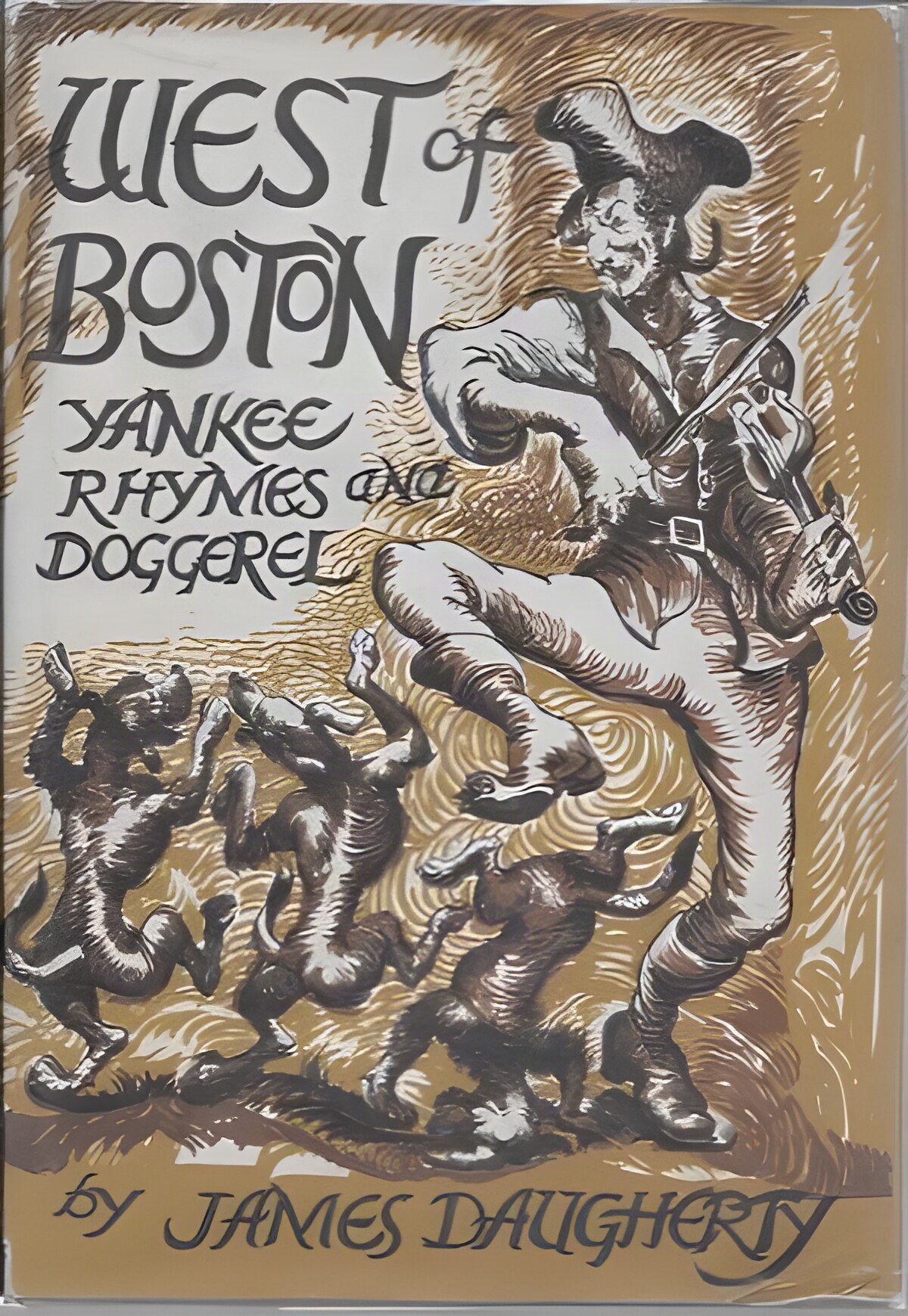
Hardcover. NY, Viking Press , 1st, 1956, Book: Very Good, Dust Jacket: Very Good, 95 pages. Hardcover with dust jacket. Illustrated in 2-colors by Daugherty. In a bright, unclipped dust jacket.
Hardcover. New York, William Morrow and Company, 1st, 1963, Book: Very Good, Dust Jacket: Good, Hardcover, 208 pages, illustrated with 50 early photographs and sketches. Minor dust jacket edge wear and rubbing, otherwise, very clean and tight copy.
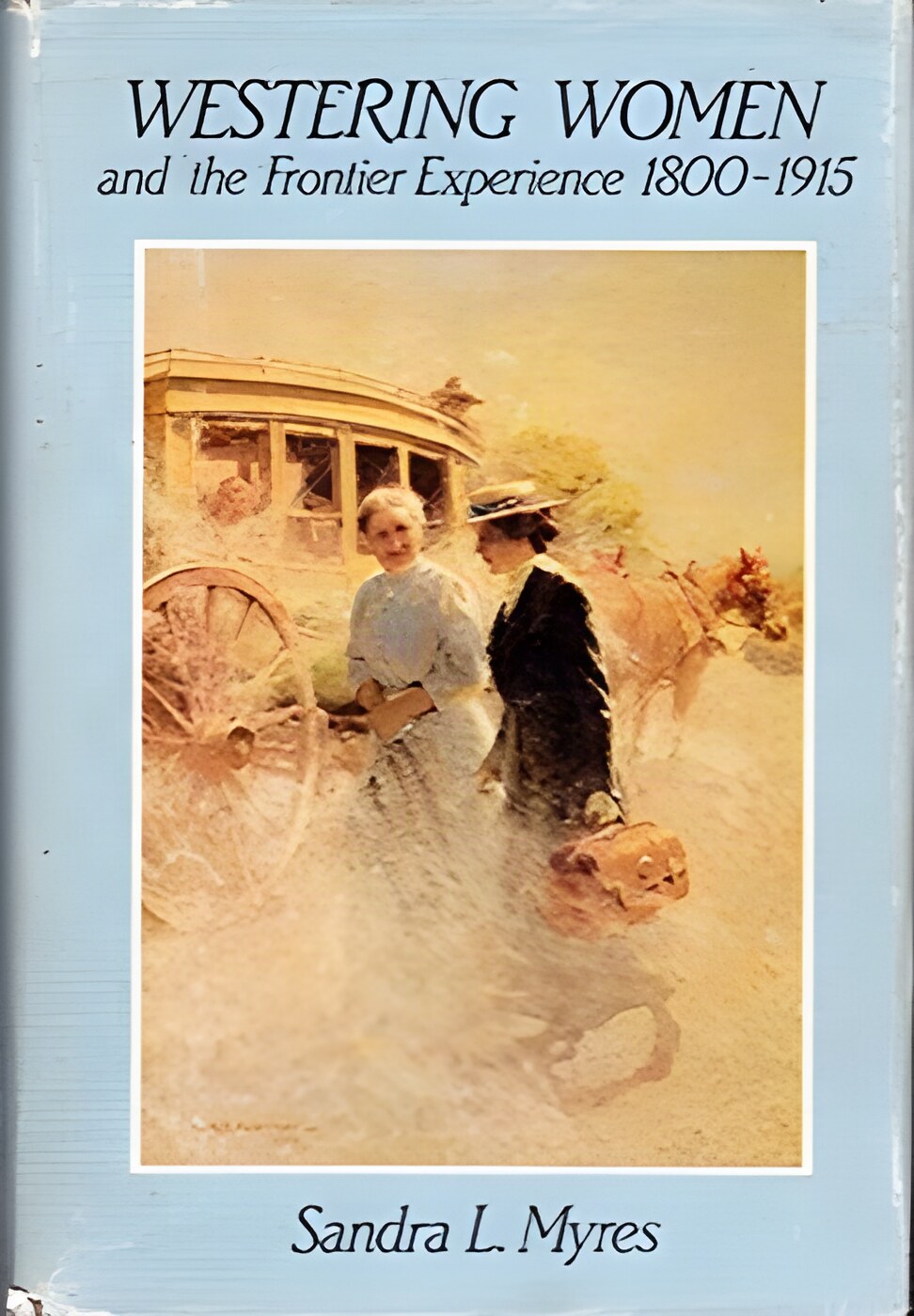
Softcover. Albuquerque NM, University of New Mexico Press, reprint, 1993, Book: Very Good, Dust Jacket: None, Softcover, 365 pages, b&w illustrations. Professor Myres gives frontier women a voice they never had. She uses extensive source material by and about women ( letters, journals, and reminiscences from over 400 collections ) to study the impact of the frontier on women's lives and the role of women in the West. She offers a major reinterpretation of the experience of pioneer women, including that of Indian, Mexican, French, black, and Anglo-American women. The account recreates in detail the frontier experience of all these women, beginning with their physical and intellectual responses to the trek West, and concluding with their struggle for political suffrage and economic opportunity. Clean copy.
Softcover. Essex New York , Eyrie Publications , 1st, 2001, Book: Very Good, Dust Jacket: None, 144 pages. Spiral bound softcover. Black & white photographs and maps throughout. SIGNED BY AUTHOR ON TITLE PAGE. Map of Whallonsburg, New York laid-in. Clean, tight copy with only minor wear to wrappers.
Hardcover. Washington DC, Smithsonian Institution Press, 1st, 1998, Book: Very Good, Dust Jacket: Very Good, Hardcover in a bright dust jacket, 292 pages, b&w illustrations. SIGNED BY BOTH AUTHORS on the title page. Additionally INSCRIBED BY COHN on the dedication page. Kevin J. Crisman and Arthur B. Cohn show how a confluence of geographic, technological, economic, and social conditions in the United States and Canada turned an ancient idea into a practical alternative to more expensive and dangerous steamboats. Reviewing evidence from travelers' memoirs, regional histories, pictorial records, and the only horseboat ever studied by archaeologists - a wreck on the floor of Lake Champlain's Burlington Bay, in Vermont - the authors trace the evolution of horseboats from early mechanisms that forced the animals to walk in tight circles to "endless floor" treadmills that resembled modern exercise machines. In a lively narrative interspersed with quotes from passenger accounts, the book charts the rise and demise of horseboat businesses on the Hudson River, as well as in New York City, St. Louis, and Halifax, Nova Scotia. The authors also describe and record the underwater excavation of the Lake Champlain wreck, revealing a wealth of detail about the construction and operation of a typical treadwheel horseboat of the 1830s and 1840s. Clean copy.
Softcover. Chapel Hill, University of North Carolina, reprint, 2002, Book: Very Good, Dust Jacket: None, Softcover, 378 pages. Namias shows that visual, literary, and historical accounts of the capture of Euro-Americans by Indians are commentaries on the uncertain boundaries of gender, race, and culture during the colonial Indian Wars, the American Revolution, and the Civil War. She compares the experiences and representations of male and female captives over time and on successive frontiers and examines the narratives of captives Jane McCrea, Mary Jemison, and Sarah Wakefield. Clean copy.
Hardcover. NY, Viking, 1st, 2016, Book: Very Good, Dust Jacket: Very Good, Hardcover in a bright, unclipped dust jacket. 480 pages. In her groundbreaking bestselling history of the class system in America, Nancy Isenberg upends history as we know it by taking on our comforting myths about equality and uncovering the crucial legacy of the ever-present, always embarrassing--if occasionally entertaining--poor white trash. "When you turn an election into a three-ring circus, there's always a chance that the dancing bear will win," says Isenberg of the political climate surrounding Sarah Palin. And we recognize how right she is today. Yet the voters who boosted Trump all the way to the White House have been a permanent part of our American fabric, argues Isenberg. The wretched and landless poor have existed from the time of the earliest British colonial settlement to today's hillbillies. They were alternately known as "waste people," "offals," "rubbish," "lazy lubbers," and "crackers." By the 1850s, the downtrodden included so-called "clay eaters" and "sandhillers," known for prematurely aged children distinguished by their yellowish skin, ragged clothing, and listless minds.
Hardcover. NY, Holt, Rinehart and Winston, 1st, 1967, Book: Very Good, Dust Jacket: Good, Hardcover in a worn, chipped dust jacket. Dark blue cloth, 274 pages. Fully illustrated with reproductions of Father Point's paintings and drawings, most in full color. DOMESTIC SHIPPING ONLY.
Softcover. Charleston SC, Arcadia Publishing , 1st, 2009, Book: Very Good, Dust Jacket: None, Softcover, 128 pages illustrated in b&w. In 1836 workers broke ground for the nearly 100-mile-long Illinois and Michigan Canal between the Illinois and Chicago Rivers. The opening of the Chicago Sanitary and Ship Canal and the movement of industry away from Chicago caused manufacturers to turn their attention to Will. As the county's population grew, the unincorporated area between Joliet and Chicago's southern suburbs continued to shrink. The transportation ties linking Chicago with the communities of Will County--traces, paths, wagon roads, canals, rail lines, plank roads, and highways--helped create an expanding metropolitan region. The early history and unique growth of Will County is showcased in this book. Over 200 vintage postcards provide an interesting glimpse into the social, material, and cultural history of Will County in the early 20th century. Clean copy.
Hardcover. NY, New York University Press, 1st, 1970, Book: Very Good, Dust Jacket: Very Good, Hardcover in a bright dust jacket, 116 pages, b&w illustrations. Name on front fly leaf otherwise clean.
Hardcover. Hamden CT, Archon Books, reprint, 1970, Book: Very Good, Dust Jacket: Good, Hardcover in a lightly worn dust jacket, 243 pages, b&w portrait frontis. A biography of the Virginia cavalier and landowner who lavished his wealth in the building of Westover where he lived on an almost feudal estate and gathered the most valuable library in the colonies. Originally published in 1932.
Hardcover. Chapel Hill NC, University of North Carolina Press, reprint, Book: Very Good, Dust Jacket: None, Hardcover, black cloth, 292 pages, b&w plates. ISBN number on copyright page denotes a reprint. Clean, bright copy, lacks dust jacket.
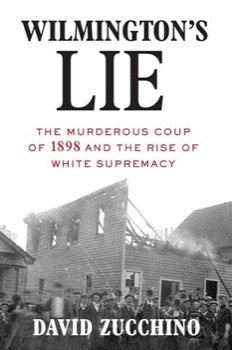
Hardcover. NY, Atlantic Monthly Press, 1st, 2020, Book: Very Good, Dust Jacket: Very Good, Hardcover in a bright, unclipped dust jacket, 426 pages, illustrations. From Pulitzer Prize-winner David Zucchino comes a searing account of the Wilmington riot and coup of 1898, an extraordinary event unknown to most Americans. By the 1890s, Wilmington was North Carolina's largest city and a shining example of a mixed-race community. It was a bustling port city with a burgeoning African American middle class and a Fusionist government of Republicans and Populists that included black aldermen, police officers and magistrates. There were successful black-owned businesses and an African American newspaper, The Record. But across the state-and the South--white supremacist Democrats were working to reverse the advances made by former slaves and their progeny. In 1898, in response to a speech calling for white men to rise to the defense of Southern womanhood against the supposed threat of black predators, Alexander Manly, the outspoken young Record editor, wrote that some relationships between black men and white women were consensual. His editorial ignited outrage across the South, with calls to lynch Manly. Clean copy.



 "War from the Inside -The Story of the 132nd Regiment Pennsylvania Volunteer Infantry in the War for the Suppression of the Rebellion, 1862-1863 (Collector's Library of the Civil War)by:")
 "War in Disguise: Or the Frauds of the Neutral Flagsby: Stephen)(James")
 "War of 1812 in the Champlain Valley, The by: Everest, Allan Seymour")




 "West on the 49th Parallel: Red River to the Rockies, 1872-1876by: Parsons, John E.")
 "Whallonsburg, New York Agricultural Heritage Area (SIGNED COPY)by: LaForest, Shirley")
 "When Horses Walked on Water: Horse-Powered Ferries in Nineteenth-Century America (SIGNED COPY)by: Kevin J. Crisman, Arthur B. Cohn")
 "White Trash: The 400-Year Untold History of Class in Americaby: Isenberg, Nancy")



 "William Byrd of Westoverby: Richmond Croom Beatty")

 "Wilsonby: Berg, A. Scott")