Hardcover. Washington D.C., Government Printing Office, 1st, 1895, Book: Good, Dust Jacket: None, 263 pages. Hardcover. B/w illustrations with tissue guards. Some age wear throughout. Foxing, page and edge yellowing, binding a bit loose in some places. Still in great shape for its age.
Hardcover. NY, Negro Universities Press, reprint, 1969, Book: Very Good, Dust Jacket: None, Hardcover, 175 pages. Brown cloth covers with gilt lettering. Originally published in 1864 by the American Anti-Slavery Society. Introduction by William Lloyd Garrison, President. Name on front fly leaf, otherwise clean.
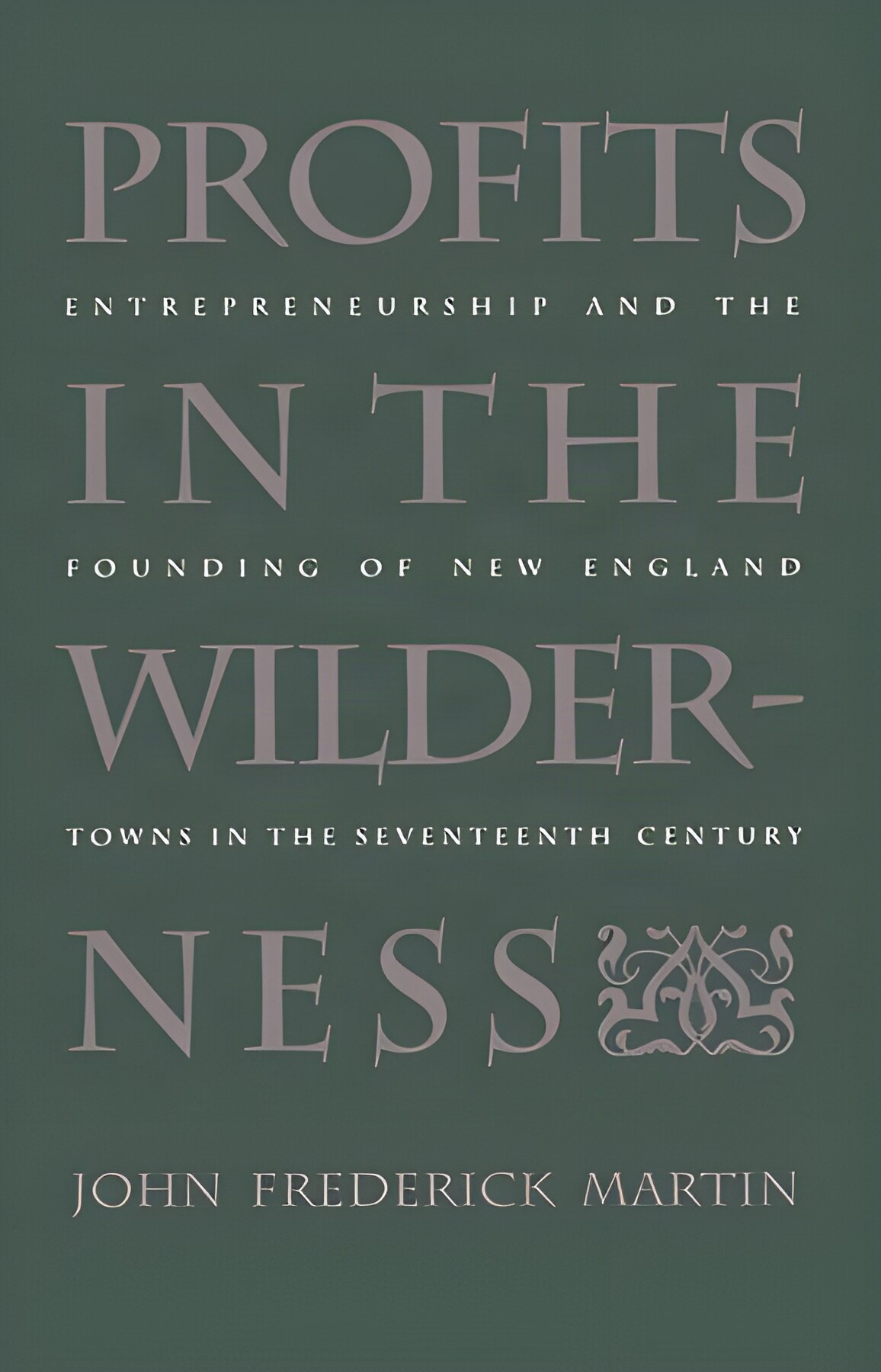
Hardcover. Chapel Hill NC, University of North Carolina, 1st, 1991, Book: Very Good, Dust Jacket: Very Good, Hardcover in a bright dust jacket, 363 pages. In examining the founding of New England towns during the seventeenth century, John Frederick Martin investigates an old subject with fresh insight. Whereas most historians emphasize communalism and absence of commerce in the seventeenth century, Martin demonstrates that colonists sought profits in town-founding, that town founders used business corporations to organize themselves into landholding bodies, and that multiple and absentee landholding was common. In reviewing some sixty towns and the activities of one hundred town founders, Martin finds that many town residents were excluded from owning common lands and from voting. It was not until the end of the seventeenth century, when proprietors separated from towns, that town institutions emerged as fully public entities for the first time. Name on front endpaper, otherwise clean.
Hardcover. NY, Interstate M'f'g Company, 1st, 1890, Book: Very Good, Dust Jacket: None, Hardcover, 536 pages, illustrated with many b&w engravings. Green cloth with black and gilt decoration. First half of book covers the great cities and features many detailed illustrations of buildings and cityscapes. The second half covers the West with many personalities sketched in line cuts. Previous owner's signature on front fly leaf. Solid copy. Cover gilt partially faded.
Hardcover. Cambridge MA, Harvard University Press, 1st, 2011, Book: Very Good, Dust Jacket: Very Good, Hardcover in a bright, unclipped dust jacket. Tracing the history of isolationist and internationalist ideas from the 1890s through the 1930s, Nichols reveals unexpected connections among individuals and groups from across the political spectrum who developed new visions for America's place in the world. From Henry Cabot Lodge and William James to W. E. B. Du Bois and Jane Addams to Randolph Bourne, William Borah, and Emily Balch, Nichols shows how reformers, thinkers, and politicians confronted the challenges of modern society--and then grappled with urgent pressures to balance domestic priorities and foreign commitments.
Hardcover. Ithaca NY, Cornell University Press, 1st, 2004, Book: Very Good, Dust Jacket: Very Good, Hardcover in a bright dust jacket, 260 pages. From the dawn of the twentieth century to the early 1960s, public-sector unions generally had no legal right to strike, bargain, or arbitrate, and government workers could be fired simply for joining a union. Public Workers is the first book to analyze why public-sector labor law evolved as it did, separate from and much more restrictive than private-sector labor law, and what effect this law had on public-sector unions, organized labor as a whole, and by extension all of American politics. Joseph E. Slater shows how public-sector unions survived, represented their members, and set the stage for the most remarkable growth of worker organization in American history. Slater examines the battles of public-sector unions in the workplace, courts, and political arena, from the infamous Boston police strike of 1919, to teachers in Seattle fighting a yellow-dog rule, to the BSEIU in the 1930s representing public-sector janitors, to the fate of the powerful Transit Workers Union after New York City purchased the subways, to the long struggle by AFSCME that produced the nation's first public-sector labor law in Wisconsin in 1959. Slater introduces readers to a determined and often-ignored segment of the union movement and expands our knowledge of working men and women, the institutions they formed, and the organizational obstacles they faced.
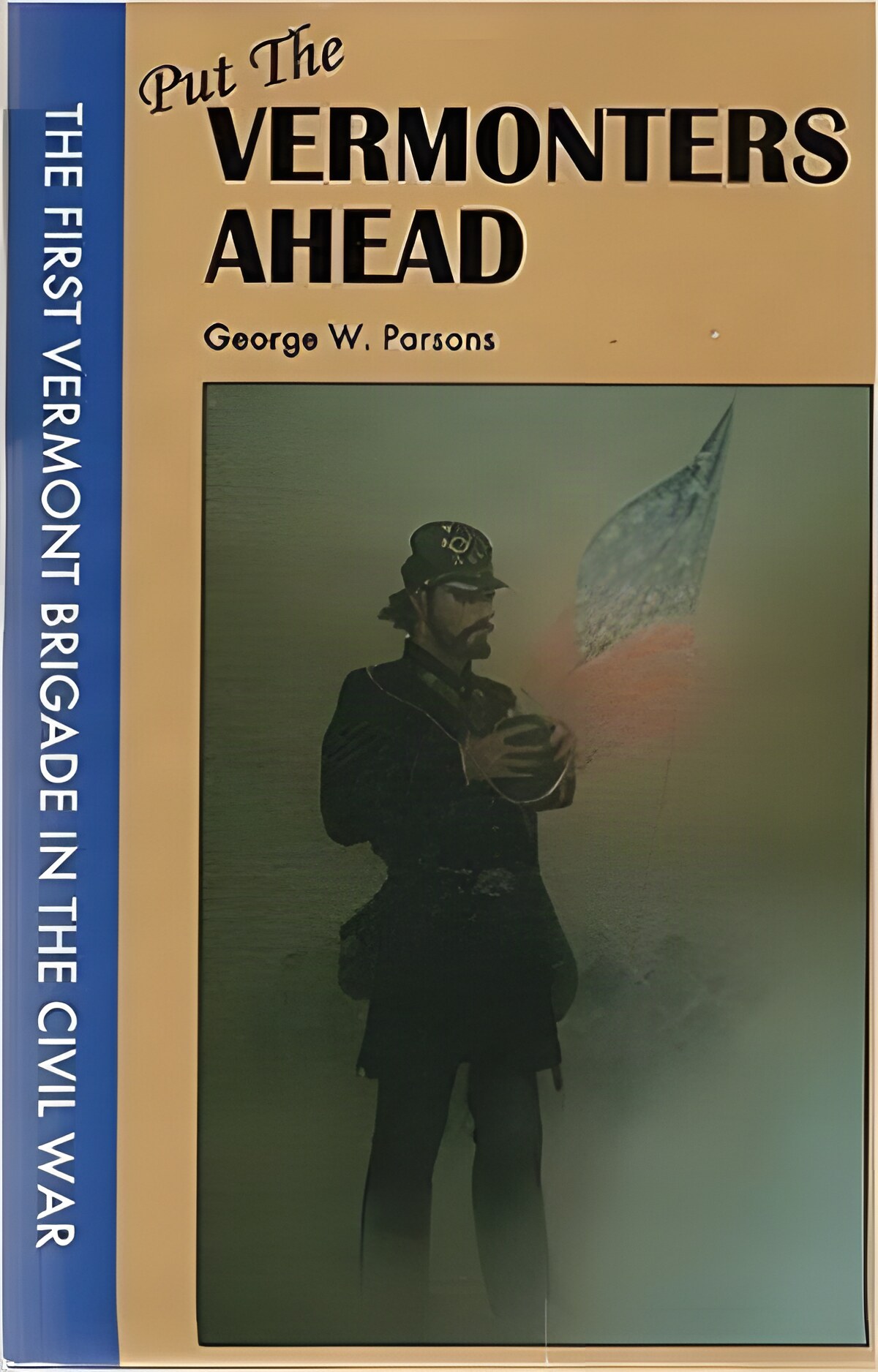
Hardcover. Shippensburg PA, White Mane, 1st, 1996, Book: Very Good, Dust Jacket: Good, Hardcover in a bright, lightly worn dust jacket. 216 pages, b/w illustration, maps. The regiment defended Washington, DC from Jubal Early's raid and served in the Shenandoah Valley among other campaigns. Clean copy.
hardcover. London, Turnberry Consulting , reprint, 2013, Book: Very Good, Dust Jacket: Very Good, 271 pages. Hardcover. Extensive color and b&w photographs throughout. Silver gilt titles on spine. Includes extensive glossary. Like new in publisher's shrink-wrap.
Hardcover. Princeton NJ, D. Van Nostrand Co., 1st, 1964, Book: Very Good, Dust Jacket: Very Good, Hardcover in a lightly worn dust jacket. 125 pages, endpapers map, 'The New Jersey Historical Series, Volume 12'. A look at radicalism from colonial days forward. Mild soil to dust jacket.
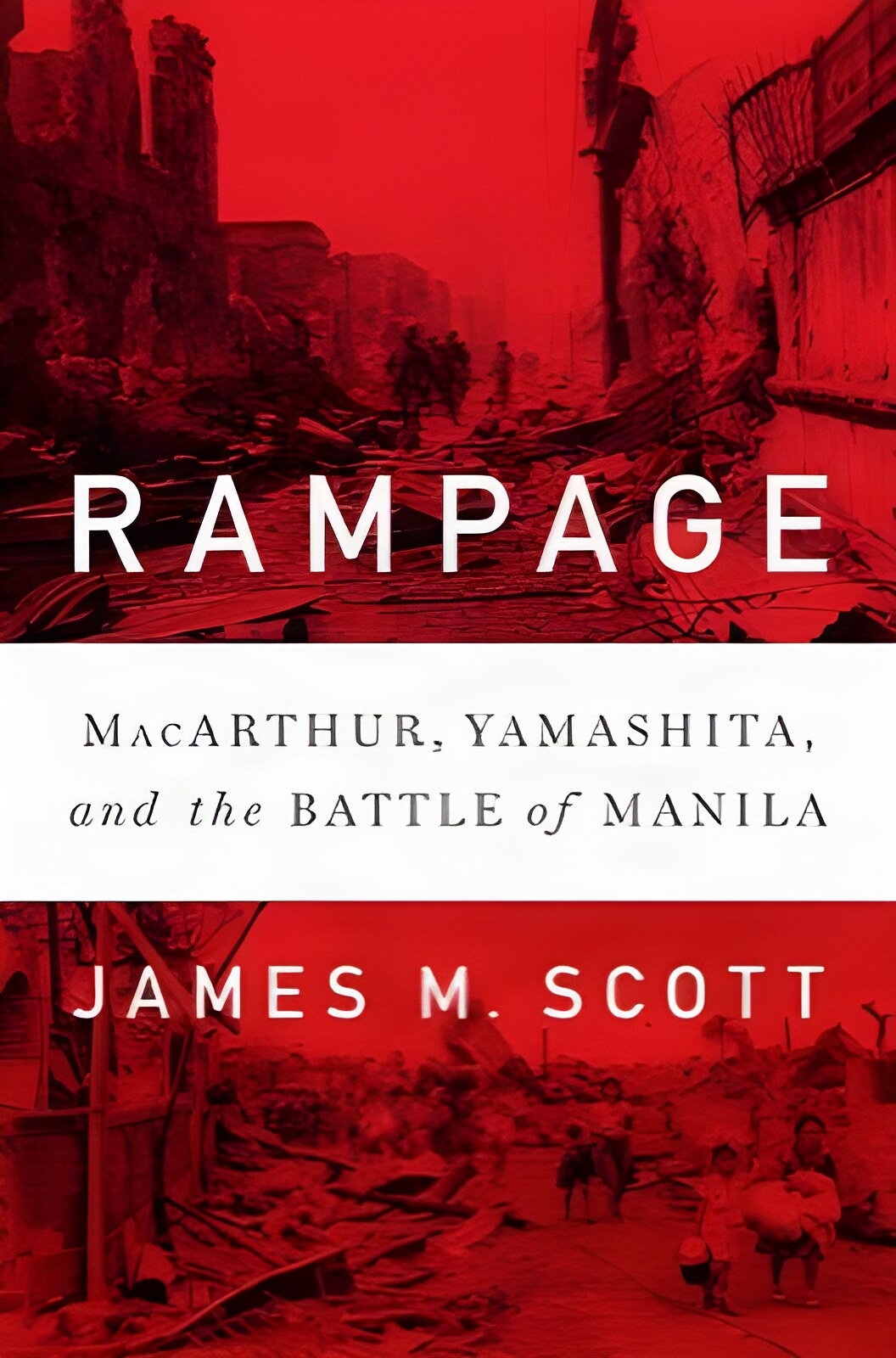
Hardcover. NY, W. W. Norton, 1st, 2018, Book: Very Good, Dust Jacket: Very Good, Hardcover in a bright, unclipped dust jacket, 635 pages. The definitive history of one of the most brutal campaigns of the war in the Pacific. "What Iris Chang did for our understanding of the Rape of Nanking, James M. Scott has now done for the Battle of Manila. Here is a sweeping tale of frenzied fighting and heartbreaking devastation, written by a meticulous historian who has unflinchingly probed the truth of this largely forgotten episode from the Pacific." Clean copy.
Hardcover. Flagstaff AZ, Northland Press, reprint, 1985, Book: Very Good, Dust Jacket: Very Good, Hardcover in a bright, price-clipped dust jacket with a small chip to rear panel. B&w drawings by Remington. Reprinted from a series of articles published in The Century Magazine in 1888. During the early 1880s, both Remington the artist and Roosevelt the writer were trying their hands at ranching, Remington in Kansas and Roosevelt in Dakota territory. Their respective records of the experience as perhaps the most important to survive of ranching in that era. Contains specific material on the severe winter of 1886-87 which put an end to ranching for many. Clean copy.
Softcover. Ithaca, NY, Cornell University Press, 1st, 1999, Book: Very Good, Dust Jacket: None, 245 pages. Softcover. B/w illustrations throughout. Wrapper has a touch of age wear, top edge has former bookstore stamp. otherwise clean inside and out. In very good condition.
Hardcover. New York, Scribner, 1st, 2009, Book: Very Good, Dust Jacket: Very Good, 578 pages. Hardcover with dust jacket. Clean, tight copy with only minor wear to dust jacket. Pictures in center. Nice copy.
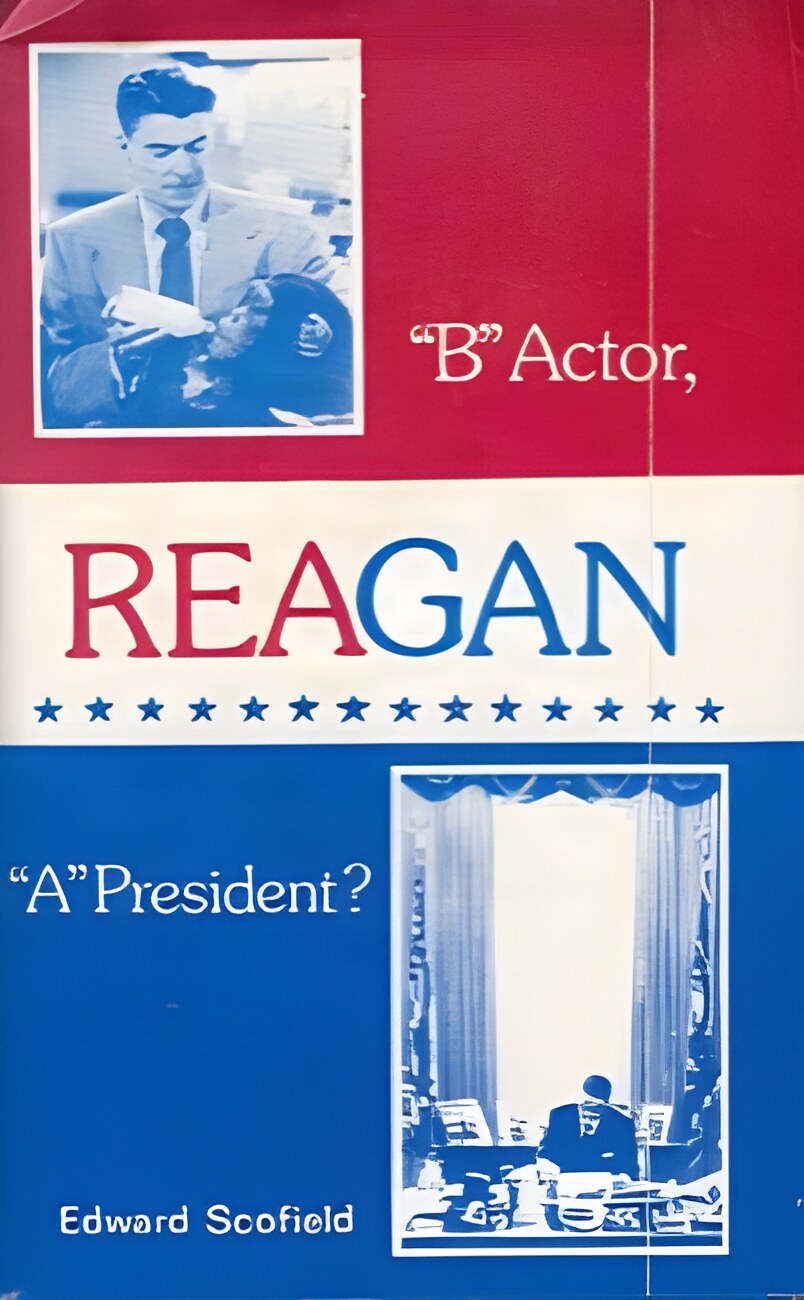
Softcover. Hollywood CA, American Progress Enterprises, 1st, 1983, Book: Very Good, Dust Jacket: None, Softcover, 255 pages. A rambling discourse about America, it's problems and future prospects by a former publicist for Warner Brothers. The author wrote this book to elucidate problems caused by governmental blunders and to ferret out solutions, emphasizing the science of psychology. This book contains copies of correspondence between the author and President Reagan as well as copies of other supporting documents. Lots of advice for the President, Clean, bright copy.
Hardcover. NY, Time Life, reprint, 1982, Book: Very Good, Dust Jacket: None, 480 pages. Hardcover with no dust jacket. Dark blue leather bound with gilt titles to front cover and spine. Embossed decoration on front cover. Gilt text block edges, red ribbon marker. Clean, tight copy.
Hardcover. NY, Time Life, reprint, 1982, Book: Very Good, Dust Jacket: None, 392 pages. Hardcover with no dust jacket. Dark blue leather bound with gilt titles to front cover and spine. Embossed decoration on front cover. Gilt text block edges, red ribbon marker. Clean, tight copy.
Hardcover. NY, Time Life, reprint, 1982, Book: Very Good, Dust Jacket: None, 392 pages. Hardcover with no dust jacket. Dark blue leather bound with gilt titles to front cover and spine. Embossed decoration on front cover. Gilt text block edges, red ribbon marker. Clean, tight copy.
Hardcover. NY, Time Life, reprint, 1984, Book: Very Good, Dust Jacket: None, 354 pages. Hardcover with no dust jacket. Dark blue leather bound with gilt lettering on front cover and spine. Embossed decoration to front cover. Gilt text block edges, red ribbon marker. Clean, tight copy.
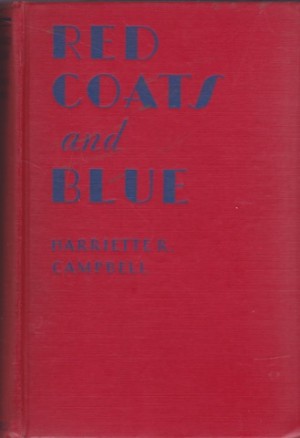
Hardcover. NY, Juniot Literary Guild, Book Club, 1930, Book: Very Good, Hardcover, 324 pages. Color frontispiece, 9 b&w plates by Marguerite DeAngeli. Red cloth with blue lettering. Spine slightly cocked, previous owner's inscription on front paste-down. Still very good.
Hardcover. NY, The New Press , 1st, 1998, Book: Very Good, Dust Jacket: Very Good, Hardcover book with a bright dust jacket in a slipcase that also includes interview tapes. A startling first-person history of slavery. Using excerpts from the thousands of interviews conducted with ex-slaves in the 1930s by researchers working with the Federal Writers' Project, the astonishing audiotapes made available the only known recordings of people who actually experienced enslavement-recordings that had gathered dust in the Library of Congress until they were rendered audible for the first time specifically for this set. Two sixty-minute audiotapes: the first is original recordings of former slaves recorded in the 1930s, the second features dramatic readings by Esther Rolle, James Earl Jones and other black artists. Foreword by Robin D. G. Kelley.
Hardcover. Chicago, The Lakeside Press, 1st, 1913, Book: Very Good, Dust Jacket: None, Hardcover, dark green cloth stamped in gilt, top edge gilt, 137 pages. Tight, attractive copy of this early "Lakeside Classic," the annual keepsake presented by this printer/publisher to friends and clients starting in 1903. The frontispiece is a portrayal of Chicago in 1853 with a tissue guard. Includes: Introduction; William Bross - extracted from "What I remember of early Chicago", a lecture delivered Jan. 23, 1876; Charles Cleaver - extracts from articles which appeared first in the Chicago tribune; Joseph Jefferson, Chicagoan - reprinted from "The autobiography of Joseph Jefferson"; and Chicago's first railroad systems - reprinted from Andraes's "History of Chicago." Clean, bright copy.
Hardcover. Chicago, The Lakeside Press, 1st, 1915, Book: Very Good, Dust Jacket: None, Hardcover, dark green cloth stamped in gilt, top edge gilt, 140 pages. Tight, attractive copy of this early "Lakeside Classic," the annual keepsake presented by this printer/publisher to friends and clients starting in 1903. In this volume there have been gathered the personal experiences of some ten individuals who passed through the great Chicago Fire of 1871. The total area burned over was 2,124 acres, the number of buildings destroyed was about 17,450 and the persons rendered homeless nearly 100,000; out of a population of about 300,000. This work has two large fold-outs the first of which is opposite the title page and is entitled: "Chicago After the Great Fire of 1871". It is in two pieces with the last section separated along fold, minor tape repair. The second fold out (after page 36) is a map showing the course of the Chicago Fire of 1871 and is in excellent condition. No markings.
Hardcover. NY, Time Life, reprint, 1981, Book: Very Good, Dust Jacket: None, 474 pages. Hardcover with no dust jacket. Dark blue leather bound with gilt titles to front cover and spine. Embossed decoration on front cover. Gilt text block edges, red ribbon marker. Clean, tight copy. Fascinating reminiscences of our Civil War by an important participating leader on the Southern side with wide experience. Covers wartime highlights, anecdotes, and other recollections drafted some 3 decades after the conclusion of hostilities.

 "Proceedings in Congress upon the Acceptance of the Statues of John Stark and Daniel Webster, Presented by the State of New Hampshireby: N/A")


 "Progress of Four Hundred Years in the Great Republic of the West, Theby: Lossing, Benson J.")


 "Racecourse Architectureby: Roberts, Paul")

 "Ranch Life in the Far Westby: Roosevelt, Theodore / Frederic Remington")


 "Rebel War Clerk's Diary at the Confederate States Capital, A (Volume 2) (Collector's Library of the Civil War)by: Jones, John B.")
 "Rebel War Clerk's Diary, A (Volume 1) (Collector's Library of the Civil War)by: Jones, John B.")
 "Rebel War Clerk's Diary, A (Volume 1) (Collector's Library of the Civil War)by: Jones, John B.")
 "Recollections of a Private - A Study of the Army of the Potomac (Collector's Library of the Civil War)by: Goss, Warren Lee")




 "Reminiscences of Chicago During the Great Fire by: McIlvaine, Mabel")
 "Reminiscences of the Civil War (Collector's library of the Civil War)by: Gordon, John B.")