Hardcover. NY, Oxford University Press, 2nd pr., 1968, Book: Very Good, Dust Jacket: Very Good, Hardcover in a bright, unclipped dust jacket, 347 pages including index. A chronicle of the events leading up to the Boston Tea Party and eventual independence. Name on front fly leaf otherwise clean.
Hardcover. NY, Thomas Y. Crowell , 1st, 1979, Book: Very Good, Dust Jacket: Very Good, Hardcover in a bright, lightly worn dust jacket, 299 pages. Name on front fly leaf, otherwise clean.
Hardcover. Norman OK, University of Oklahoma Press, Revised Ed., 2003, Book: Very Good, Dust Jacket: Very Good, Hardcover in a bright dust jacket, 319 pages. B&w illustrations. A well-researched and authoritative study of 'negro' soldiers who wished to remain in the United States Army following the Civil War. They were eventually organized into the Ninth and Tenth Cavalry Regiments their service in controlling Indians on the Great Plains during the next twenty years was as invaluable as it was unpraised. With Bibliography and Index. Clean copy.
Hardcover. NY, Oxford University Press, 1st, 1954, Book: Very Good, Dust Jacket: None, Hardcover, light brown cloth with black lettering on spine, 301 pages. Endpapers map, frontis. portrait. Light ring stain on front cover otherwise clean, no dust jacket.
Hardcover. Westholme Publishing, 1st, 2012, Book: Very Good, Dust Jacket: Very Good, Hardcover in a bright dust jacket, 374 pages, b&w illustrations. Bright, clean. INSCRIBED BY AUTHOR on title page. "Early in the afternoon of May 22, 1856, ardent pro-slavery Congressman Preston S. Brooks of South Carolina strode into the United States Senate Chamber in Washington, D.C., and began beating renowned anti-slavery Senator Charles Sumner with a cane until it splintered and the helpless Massachusetts senator lay unconscious and covered in blood. One of the most shocking and provocative events in American history, the caning convinced each side that the gulf between them was unbridgeable and that they could no longer discuss their vast differences of opinion regarding slavery on any reasonable level."
Hardcover. NY, Liveright, 1st, 2021, Book: Very Good, Dust Jacket: Very Good, Hardcover in a bright, unclipped dust jacket. 375 pages. Pulitzer Prize-winning historian Joseph J. Ellis offers an epic account of the origins and clashing ideologies of America's revolutionary era, recovering a war more brutal, and more disorienting, than any in our history, save perhaps the Civil War. For more than two centuries, historians have debated the history of the American Revolution, disputing its roots, its provenance, and above all, its meaning. These questions have intrigued Ellis-one of our most celebrated scholars of American history-throughout his entire career. With this much-anticipated volume, he at last brings the story of the revolution to vivid life, with "surprising relevance" (Susan Dunn) for our modern era. Clean copy.
Hardcover. Chapel Hill NC, University of North Carolina Press, 1st, 1976, Book: Very Good, Dust Jacket: Very Good, Hardcover in a bright dust jacket, 324 pages, b&w illustrations. Published for the Williamsburg, VA Institute of Early American History & Culture. Instead of recounting, in detail, the public events of John Adams's extraordinary career, Peter Shaw views as a whole Adams's character, thought, and acts, personalizing for the reader the most remote of our Founding Fathers. This compact but comprehensive biography brilliantly portrays the poignant revelations of John Adams's inner life implicit in the recently released Adams family manuscripts. The formal side of Adams is reconciled with his remarkably colorful private life by the author's penetrating grasp of the whole man. Adams's behavior appears less eccentric when viewed in the context of its origin in the village life of eighteenth~century Massachusetts; and his politics and ideas appear less abstractly motivated when viewed in the light of the evolution of his character. Name on front fly leaf, otherwise clean.
Hardcover. NY, WW Norton & Co,, 1st, 2018, Book: Very Good, Dust Jacket: Very Good, Hardcover in a bright, unclipped dust jacket. As World War II came to an end, General George Marshall was renowned as the architect of Allied victory. Set to retire, he instead accepted what he thought was a final mission-this time not to win a war, but to stop one. Across the Pacific, conflict between Chinese Nationalists and Communists threatened to suck in the United States and escalate into revolution. His assignment was to broker a peace, build a Chinese democracy, and prevent a Communist takeover, all while staving off World War III. In his thirteen months in China, Marshall journeyed across battle-scarred landscapes, grappled with Mao Zedong and Zhou Enlai, and plotted and argued with Generalissimo Chiang Kai-shek and his brilliant wife, often over card games or cocktails. The results at first seemed miraculous. But as they started to come apart, Marshall was faced with a wrenching choice. Its consequences would define the rest of his career, as the secretary of state who launched the Marshall Plan and set the standard for American leadership, and the shape of the Cold War and the US-China relationship for decades to come. It would also help spark one of the darkest turns in American civic life, as Marshall and the mission became a first prominent target of McCarthyism, and the question of "who lost China" roiled American politics. Remainder dot to top edge, otherwise like new.
Hardcover. NY, Random House, reprint, 1974, Book: Very Good, Dust Jacket: Very Good, Hardcover in a bright, unclipped dust jacket. The Civil War: A Narrative, Vol. 2 focuses on the pivotal year of 1863, as Shelby Foote's masterful narrative history brings to life the Battle of Gettysburg and Grant's Vicksburg campaign and covers some of the most dramatic and important moments in the Civil War. Endpaper maps. First published in 1963, this appears to be a 70s reprint ($40 price on dust jacket). Clean copy.
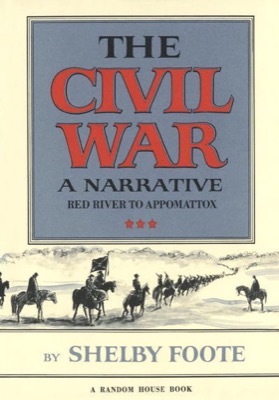
Hardcover. NY, Random House, reprint, 1974, Book: Very Good, Dust Jacket: Very Good, Hardcover in a bright, unclipped dust jacket. The Civil War: A Narrative. In the third -- and last -- volume of this vivid history, Foote brings to a close the story of four years of turmoil and strife which altered American life forever. Here, told in vivid narrative and as seen from both sides, are those climactic struggles, great and small, on and off the field of battle, which finally decided the fate of this nation. "Red River to Appomattox" opens with the beginning of the two final, major confrontations of the war: Grant against Lee in Virginia, and Sherman pressing Johnston in North Georgia. While the Virginia-Georgia fighting is in progress, Kearsarge sinks the Alabama and Forrest gains new laurels at Brice's Crossroads.With Grant and Lee deadlocked at Petersburg, Sherman takes Atlanta -- assuring Lincoln's reelection, together with the certainty that the war will be fought (not negotiated) to a finish. These events are followed by Hood's bold northward strike through middle Tennessee while Sherman sets out on his march to the sea, to be opposed at its end by the ghost of the Army of Tennessee. Endpaper maps. First published in 1974, this appears to be a reprint (no price on dust jacket). Newspaper obituary of Foote laid in. Clean copy.
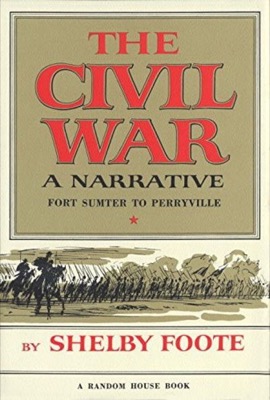
Hardcover. NY, Random House, reprint, 1974, Book: Very Good, Dust Jacket: Very Good, Hardcover in a bright, unclipped dust jacket. The Civil War: A Narrative, Vol. 1 begins one of the most remarkable works of history ever fashioned. All the great battles are here, of course, from Bull Run through Shiloh, the Seven Days Battles, and Antietam, but so are the smaller ones: Ball's Bluff, Fort Donelson, Pea Ridge, Island Ten, New Orleans, and Monitor versus Merrimac. The word "narrative" is the key to this extraordinary book's incandescence and its truth. The story is told entirely from the point of view of the people involved in it. One learns not only what was happening on all fronts but also how the author discovered it during his years of exhaustive research. This first volume in Shelby Foote's comprehensive history is a must-read for anyone interested in one of the bloodiest wars in America's history. Endpaper maps. First published in 1958, this appears to be a 70s reprint ($40 price on dust jacket). Clean copy.
Hardcover. Lexington KY, University of Kentucky Press, 1st, 1968, Book: Very Good, Dust Jacket: None, Hardcover, light green cloth, 307 pages. This volume of Eaton's selected writings forms a rich and provocative mosaic of southern life from the years of Thomas Jefferson to the close of the Civil War. These selections, perceptively edited by Albert D. Kinvan, show the wide range of Eaton's interests, including the impact of slavery, the influence of religion, and the art of politics, and they demonstrate the depth of his insight into the civilization of the Old South. Name on front fly leaf, otherwise clean.
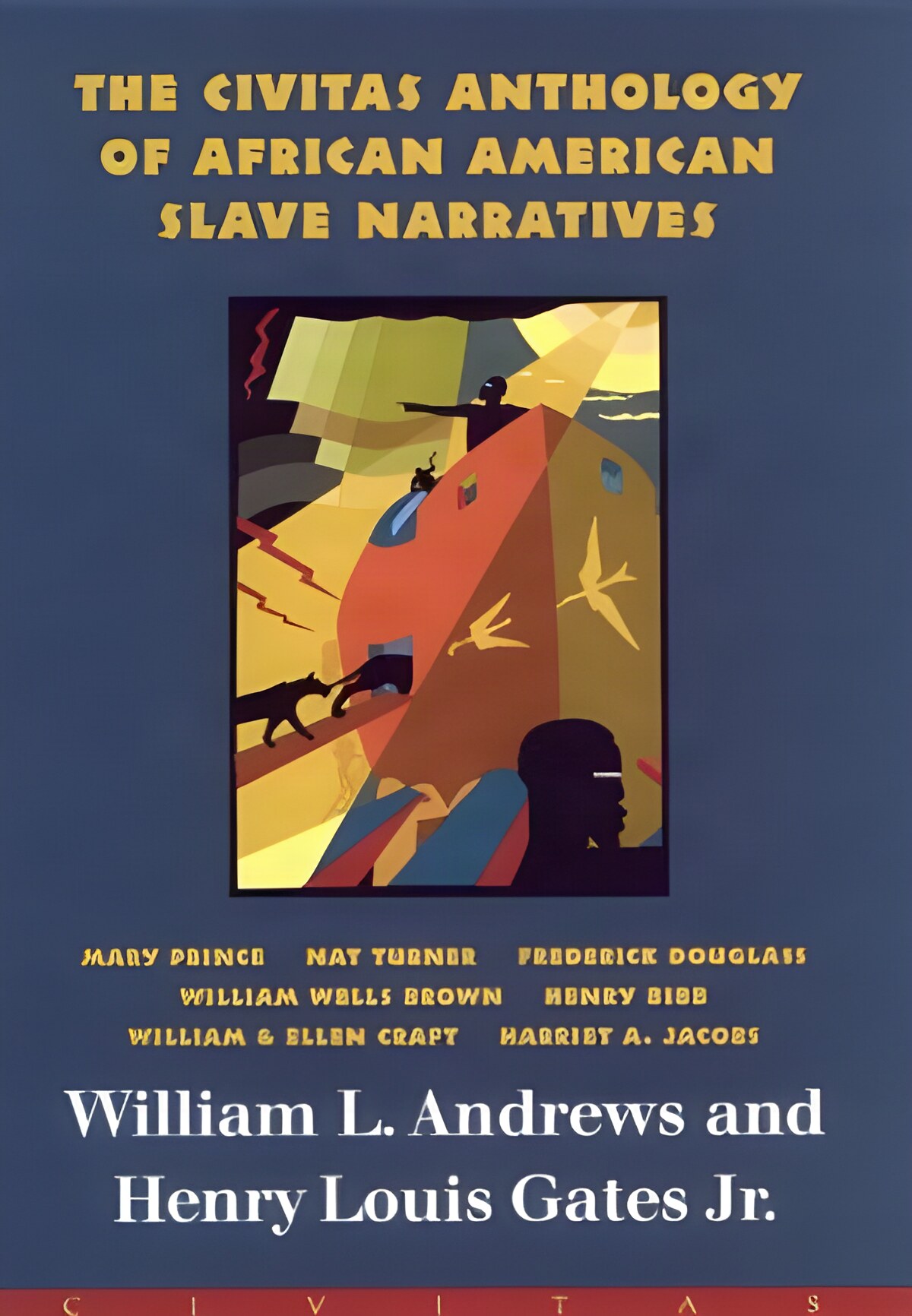
Hardcover. Washington DC, Counterpoint, 1999, Book: Very Good, Dust Jacket: Very Good, Hardcover, 642 pages. Hailed in 1849 as "a new department in the literature of civilization," the slave narrative forms the foundation of the African American literary tradition. From the late-eighteenth-century narratives by Africans who endured the harrowing Middle Passage, through the classic American fugitive slave narratives of the mid-nineteenth century, slave narratives have provided some of the most graphic and damning documentary evidence of the horrors of slavery. Riveting, passionate, and politically charged, the slave narrative blends personal memory and rhetorical attacks on slavery to create powerful literature and propaganda.The Civitas Anthology presents the seven classic antislavery narratives of the antebellum period in their entirety: The History of Mary Prince, a West Indian Slave , the first slave narrative published by a woman in the Americas; The Confessions of Nat Turner , written when Turner was asked to record his motivation for leading the bloodiest slave revolt in U.S. history; The Narrative of the Life of Frederick Douglass , an international bestseller and the first narrative to fashion the male fugitive slave into an African American cultural hero; The Narrative of William W. Brown , an account that explored with unprecedented realism the slave's survival ethic and the art of the slave trickster; The Narrative of the Life of Henry Bibb , the story of the struggles of the most memorable family man among the classic slave narrators; Running a Thousand Miles for Freedom , a gripping chronicle of one of the most daring and celebrated slave escapes ever recorded; and Incidents in the Life of Slave Girl , a dramatic text that exposed the sexual abuse of female slaves and pioneered the image of the fugitive slave woman as an articulate resister and survivor.Born out of lives of unparalleled suffering, the slave narrative captures all the bravery, drama, and hope that characterized the African American struggle against slavery. From these beginnings came some of the most influential novels in American literature, for the works of writers such as Harriet Beecher Stowe, Mark Twain, and Toni Morrison owe much of their power and social resonance to the slave narrative tradition. The Civitas Anthology gathers the most important narratives in this tradition into one volume for the first time, an indispensable resource for scholars, students, and general readers. Clean copy.
Softcover. Carbondale IL, Southern Illinois University Press , 1st, 1970, Book: Very Good, Dust Jacket: None, Softcover, dark gray covers with some fading. 639 pages. A detailed documentary on the American Colonial Society, discussing culture, politics, religion, and much more. David Potter and Gordon L. Thomas have selected representative and important speeches and exhortations delivered by famous Americans from the beginning of the Massachusetts Bay Colony to the signing of the Declaration of Independence. The selections are arranged in five categories--those dealing with academic, legal, occasional, political, and religious matters. They are drawn from every stratum of colonial activity--from the classrooms, clerical studies, town meetings, provincial assemblies, and the bar. Great names abound in these pages, but, frequently, expounders of great ideas found here are unremembered figures whose works cannot be found easily elsewhere. The editors have carried out careful research on each speech to assure the authenticity of the text. They have added, for each selection, a note on the speaker and on the place where he delivered his address. Clean copy.
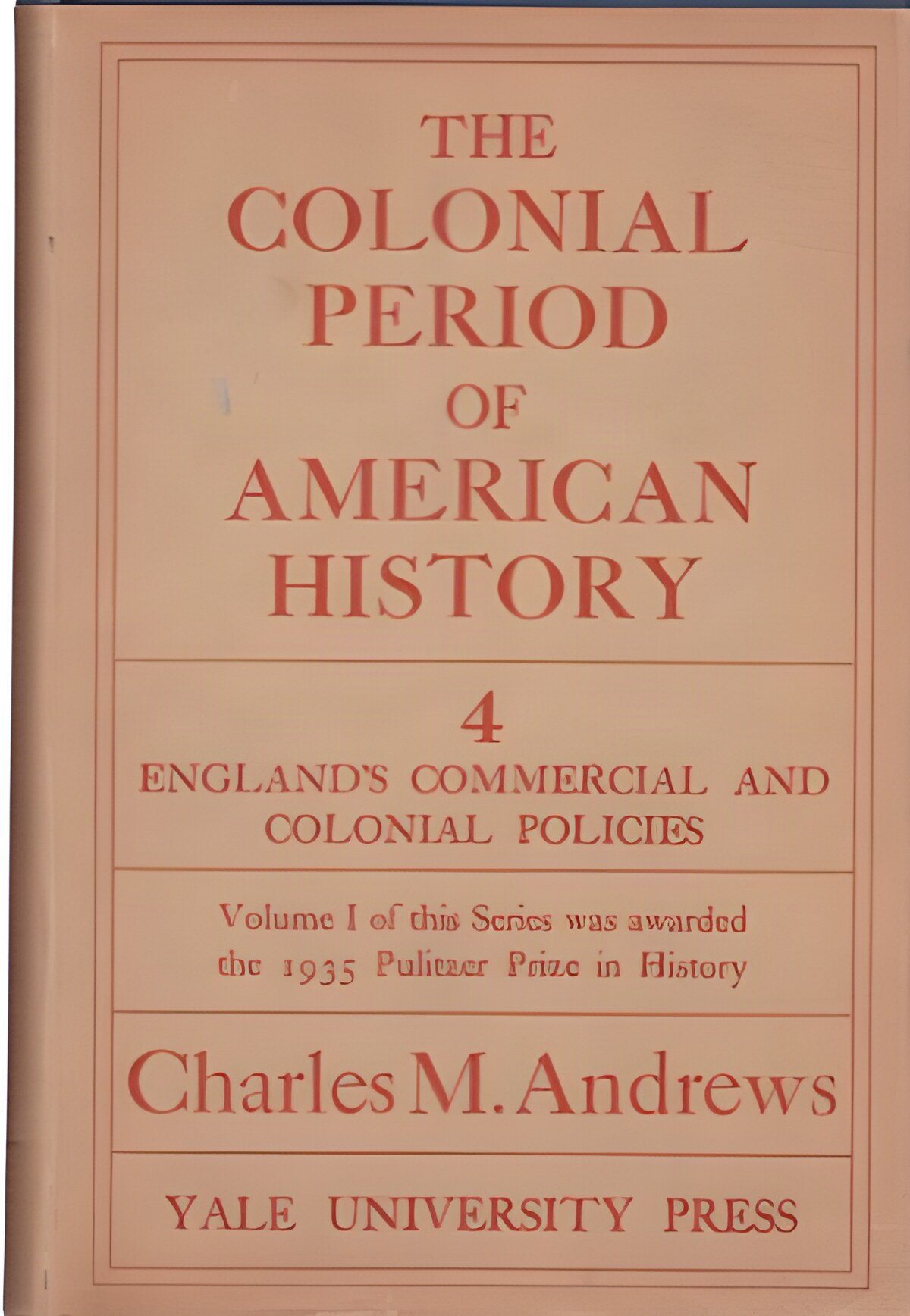
Hardcover. New Haven CT, Yale University Press, 1st, 1938, Book: Very Good, Dust Jacket: Very Good, Hardcover in a lightly worn, price-clipped dust jacket, 477 pages. Original edition of this major study of British policies toward its North American colonies by a premiere early 20th century historian of Colonial America, Charles M. Andrews. Name on front fly leaf, otherwise a clean, tight copy.
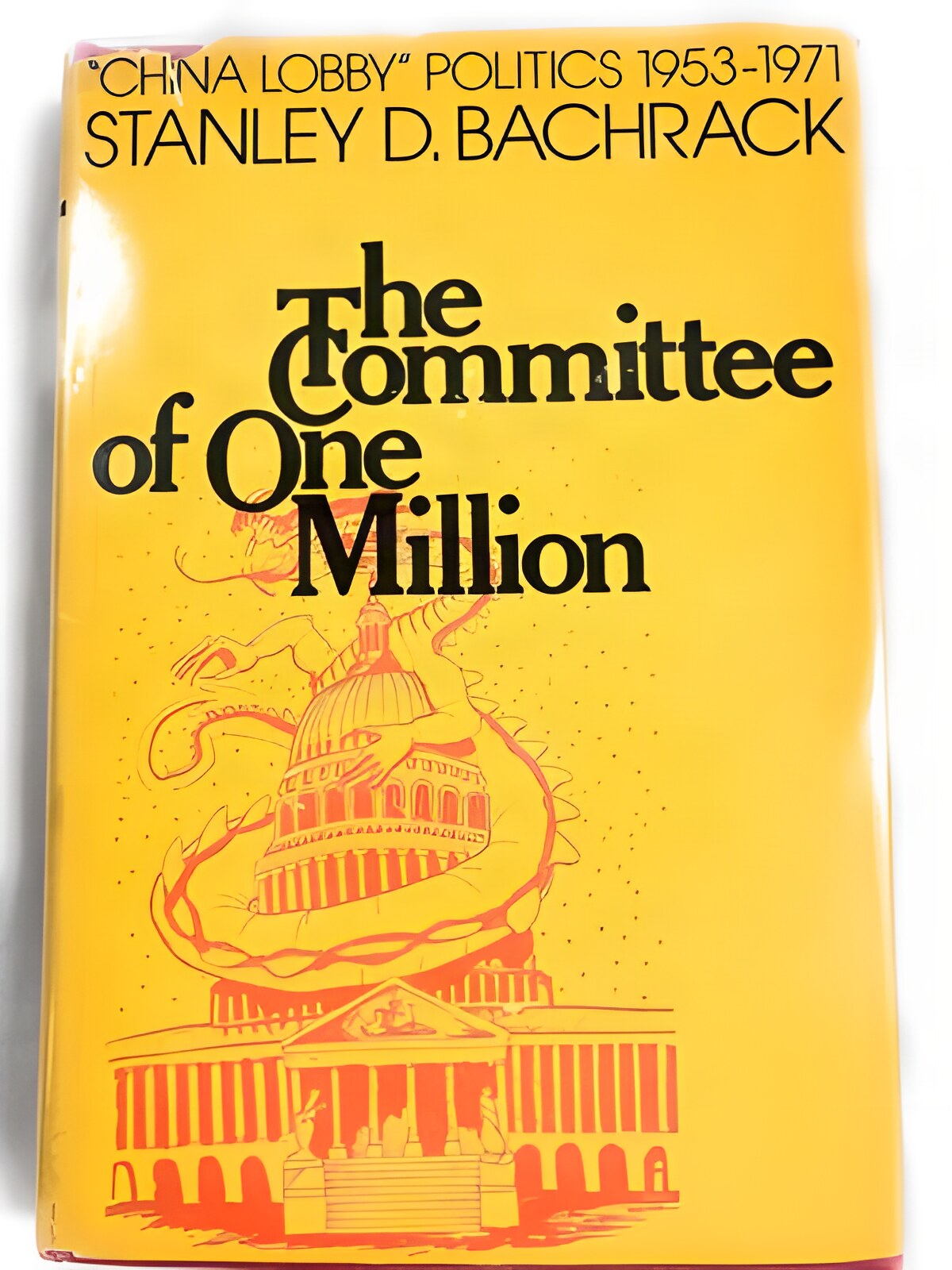
Hardcover. NY, Columbia University Press, 1st, 1976, Book: Very Good, Dust Jacket: Very Good, Hardcover in a bright, price-clipped dust jacket, 371 pages. Looks into the origins and activities of a foreign-policy interest group which emerged after the Korean War and exerted pressure on the federal government not to recognize the People's Republic of China. Name on front fly leaf, otherwise clean.
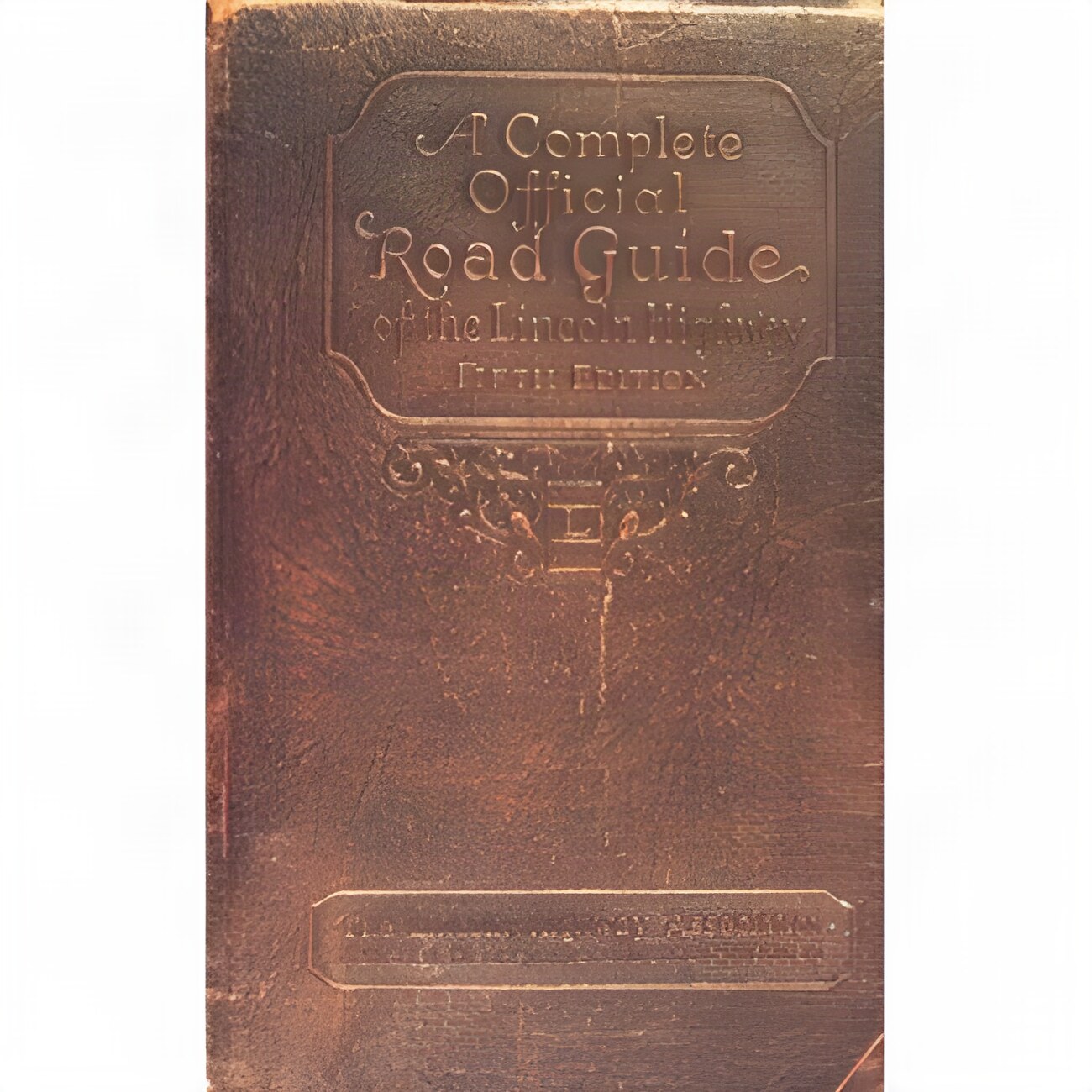
Softcover. Tucson AZ, Patrice Press, reprint, 1993, Book: Very Good, Dust Jacket: None, Softcover, 536 pages. This is a facsimile printing of the 1924 edition, profusely illustrated including original advertisements. The book gives detailed information on the 414 cities and towns through which the famous highway passed, from Times Square in New York City to San Francisco's Lincoln Park, on the Pacific Ocean. Advice to readers includes "Don't forget the colored goggles," and "Don't stop to cool motor at top of a hill, put car in gear and coast down to cool motor." The trip was thrilling in 1924. The book is thrilling today. Mild nick to top of rear cover otherwise clean and bright copy.
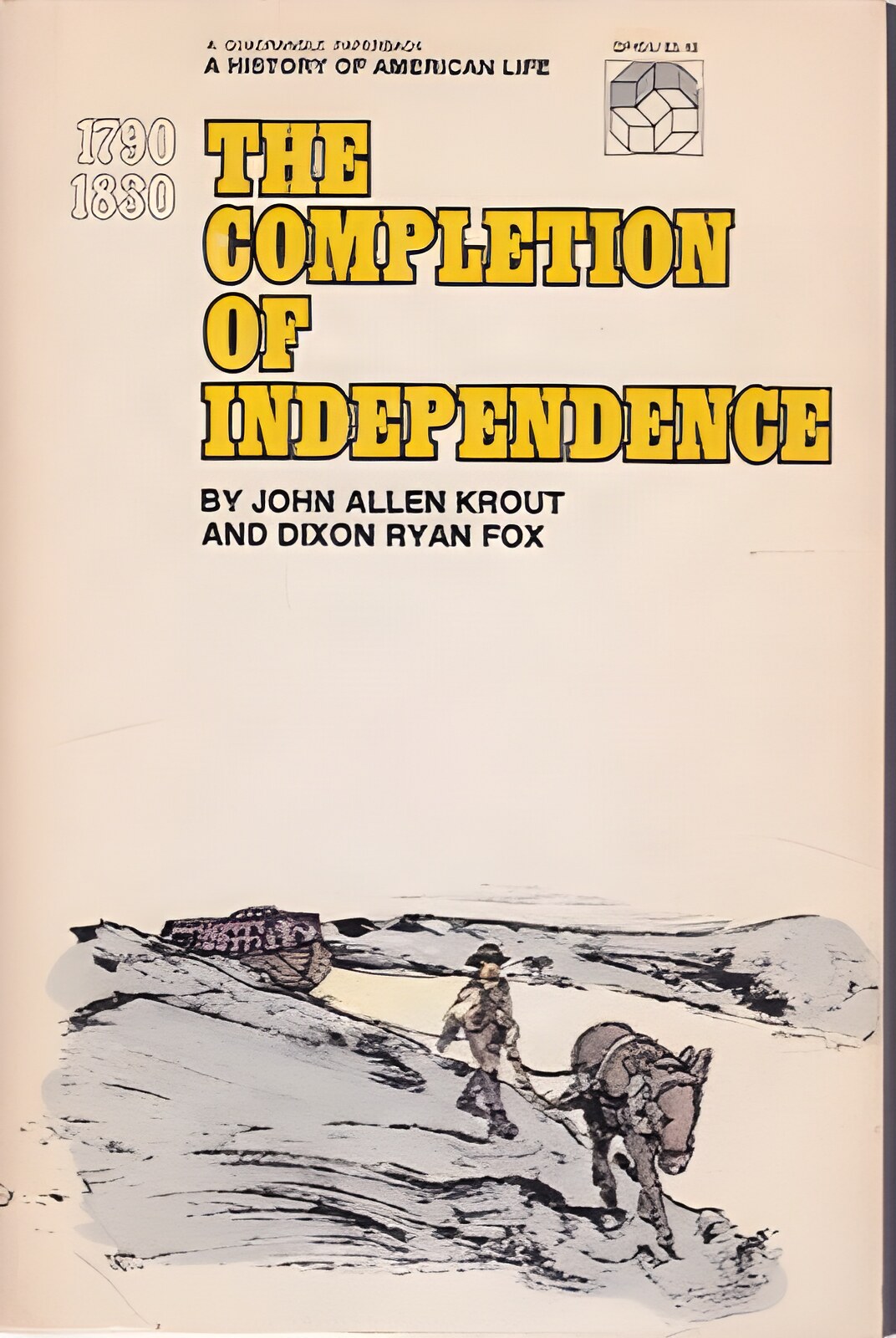
Softcover. Chicago, Quadrangle, reprint, 1971, Book: Very Good, Dust Jacket: None, Softcover, 487 pages. This "Early National" period, one of yearning adolescence in the life of the nation, is the subject of this study which shows how the United States went about winning economic and cultural independence from Europe to match the political emancipation gained by the Revolution.
Hardcover. Baton Rouge LA, Louisiana State University Press, 1st, 1988, Book: Very Good, Dust Jacket: Very Good, Hardcover in a bright dust jacket. 360 pages, b&w illustrations. Following the American Civil War, many former Confederates fled their southern homeland. Some left the United States, some moved to the western territories. Still others moved north to northeastern and midwestern towns and cities, believing that northern economic and educational opportunities offered the quickest means of rebuilding shattered fortunes and lives. Sutherland provides a detailed and illuminating account of the contributions these displaced southerners made to the financial, literary, artistic, and political life of the nation. Very nice copy.
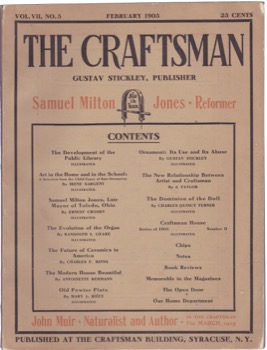
Softcover. Syracuse NY, Gustav Stickley, 1st, 1905, Book: Very Good, Dust Jacket: None, Softcover, approx. 200 pages, b&w illustrations, ads. Gustav Stickley showed his designs and ideas through his magazine The Craftsman. Published monthly between Oct 1901 and Dec 1916, The Craftsman was "the bible" of the Arts and Crafts Movement in the United States, which emphasized spare design, hand-crafting, and the importance of the individual craftsman. This issue features his article "Ornament: Its Use and Its Abuse". Also articles on The Development of the Public Library, The Future of Ceramics in America, Old Pewter Plate, The Modern House Beautiful, others. Clean, bright copy.
Hardcover. Princeton NJ, Princeton University Press, 1st, 2009, Hardcover in a bright dust jacket, 157 pages. Was George W. Bush the true heir of Woodrow Wilson, the architect of liberal internationalism? Was the Iraq War a result of liberal ideas about America's right to promote democracy abroad? In this timely book, four distinguished scholars of American foreign policy discuss the relationship between the ideals of Woodrow Wilson and those of George W. Bush. The Crisis of American Foreign Policy exposes the challenges resulting from Bush's foreign policy and ponders America's place in the international arena. Led by John Ikenberry, one of today's foremost foreign policy thinkers, this provocative collection examines the traditions of liberal internationalism that have dominated American foreign policy since the end of World War II. Clean copy.
Hardcover. Baltimore, Clearfield Company, reprint, 1989, Book: Very Good, Dust Jacket: None, Hardcover, blue cloth, gilt lettering on spine, 132 pages. A reprint of a book written by Alexander Jones in 1855. The book explores the role of Welsh immigrants and their descendants during the American Revolution. It provides a detailed account of the Welsh contributions to the war effort, including their participation in battles, their leadership in politics and commerce, and their support for the cause of American independence. The book is divided into several chapters, each focusing on a different aspect of Welsh involvement in the Revolution. It begins by discussing the early settlement of Welsh immigrants in America, their struggles to maintain their language and culture, and their eventual integration into American society. Jones then goes on to describe the various battles and campaigns in which Welsh soldiers fought, including the Battle of Bunker Hill, the Battle of Saratoga, and the Battle of Yorktown. He also highlights the contributions of Welsh leaders such as General Richard Montgomery and Colonel William Davies.In addition to military contributions, the book also explores the role of Welsh Americans in politics and commerce during the Revolution. Jones discusses the involvement of Welshmen in the Continental Congress, as well as their contributions to the development of American industry and trade. Overall, The Cymry of '76 provides a comprehensive and detailed account of the Welsh contribution to the American Revolution. Clean copy.
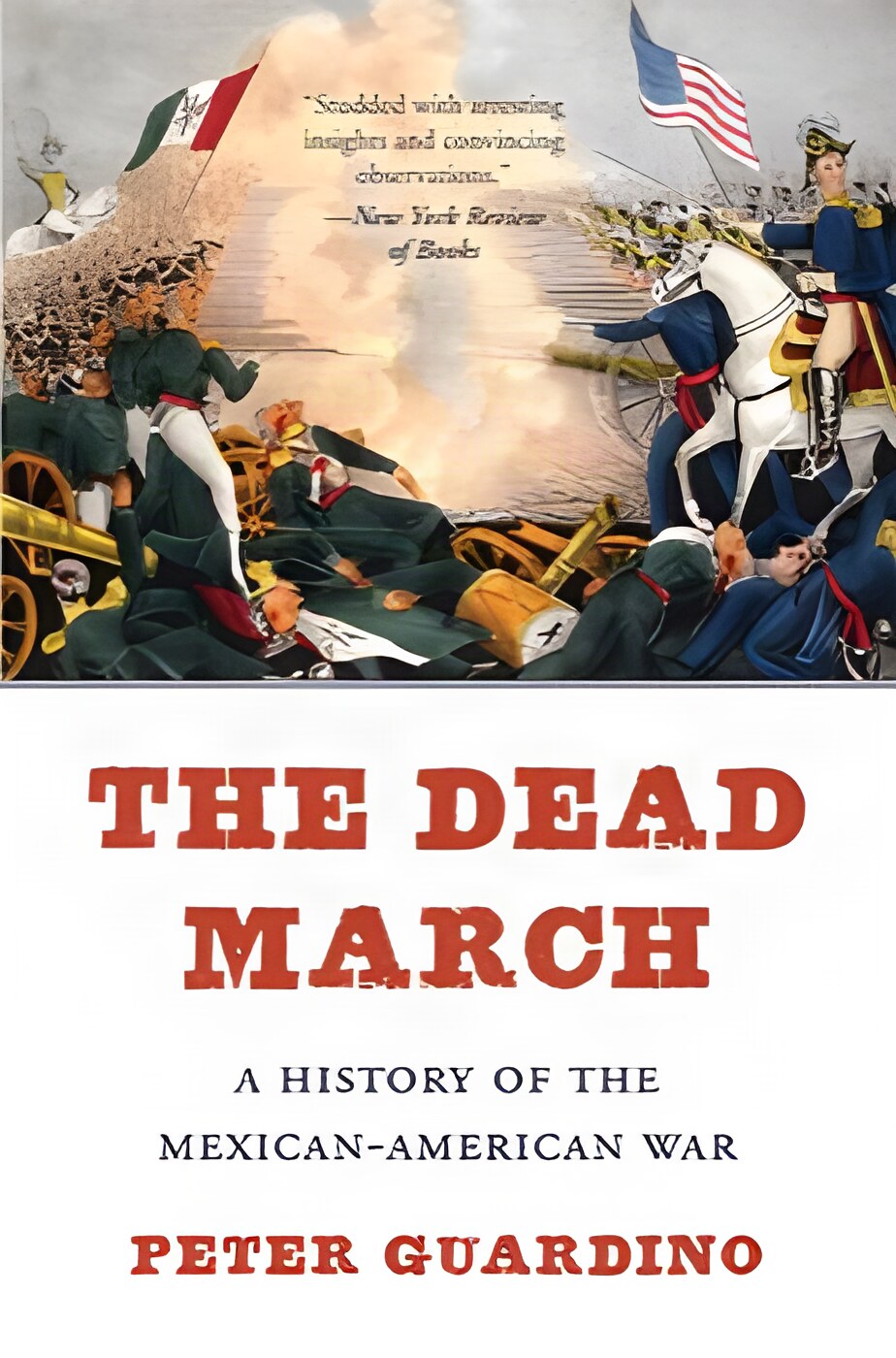
Hardcover. Cambridge MA, Harvard University Press, 2nd pr., 2017, Book: Very Good, Dust Jacket: Very Good, Hardcover in a bright dust jacket, 502 pages, b&w illustrations. "Superb...A remarkable achievement, by far the best general account of the war now available. It is critical, insightful, and rooted in a wealth of archival sources; it brings far more of the Mexican experience than any other work...and it clearly demonstrates the social and cultural dynamics that shaped Mexican and American politics and military force." -Journal of American History It has long been held that the United States emerged victorious from the Mexican-American War because its democratic system was more stable and its citizens more loyal. But this award-winning history shows that Americans dramatically underestimated the strength of Mexican patriotism and failed to see how bitterly Mexicans resented their claims to national and racial superiority. Their fierce resistance surprised US leaders, who had expected a quick victory with few casualties. By focusing on how ordinary soldiers and civilians in both countries understood and experienced the conflict, The Dead March offers a clearer picture of the brief, bloody war that redrew the map of North America. Clean copy.
Hardcover. NY, Library of America, 8th pr., Book: Very Good, Dust Jacket: Very Good, Hardcover in a bright dust jacket, 1175 pages. Part Two of a two-volume set. Assembled here in chronological order are hundreds of newspaper articles, pamphlets, speeches, and private letters written or delivered in the aftermath of the Constitutional Convention. Along with familiar figures like Franklin, Madison, Patrick Henry, Jefferson, and Washington, scores of less famous citizens are represented, all speaking clearly and passionately about government. The most famous writings of the ratification struggle - the Federalist essays of Hamilton and Madison - are placed in their original context, alongside the arguments of able antagonists, such as "Brutus" and the "Federal Farmer." Part Two gathers collected press polemics and private commentaries from January to August 1788, including all the amendments proposed by state ratifying conventions as well as dozens of speeches from the South Carolina, Virginia, New York, and North Carolina conventions. Included are dramatic confrontations from Virginia, where Patrick Henry pitted his legendary oratorical skills against the persuasive logic of Madison, and from New York, where Alexander Hamilton faced the brilliant Antifederalist Melancton Smith. Like new.

 "The Boston Tea Partyby: Benjamin Woods Labaree")



 "The Caning: The Assault That Drove America to Civil War (SIGNED COPY)by: Puleo, Stephen")
 "The Character of John Adamsby: Shaw, Peter")