Hardcover. Osceola, WI, MBI, 1st, 1998, Book: Good, Dust Jacket: Very Good, Hardcover, 191 pages, illustrated throughout in color and b&w. Printers error and weak glue has caused signatures to separate from glued binding and protrude slightly. Otherwise a nice, clean copy.
Hardcover. New York, Penguin Publishing Group, 1st, 2018, Book: Very Good, Dust Jacket: Very Good, 304 pages. Hardcover with dust jacket. A very clean, unmarked copy with only minor wear to dust jacket edges. A tight copy.
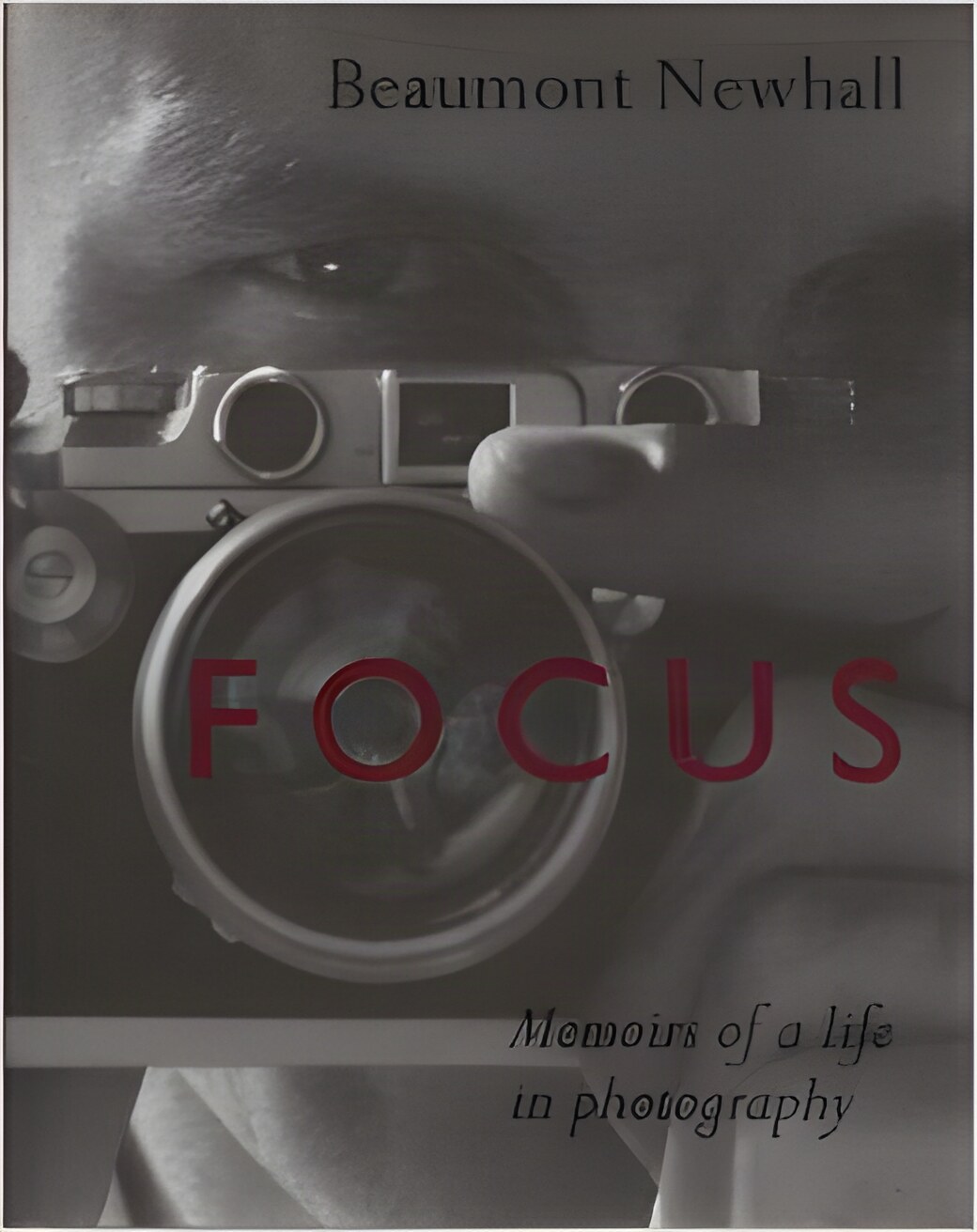
Hardcover. US, Bulfinch , 1st, 1993, Book: Very Good, Dust Jacket: Very Good, Hardcover, 264 pages includes index. Clean, unmarked copy with only minor wear to dust jacket. A graceful, lively memoir by photography's first historian, with accounts of his friendships with many of the century's great photographers, from Alfred Stieglitz to Ansel Adams, Edward Weston, and Henri Cartier-Bresson. Newhall (1908-93) wrote the now-standard History of Photography (1937) and founded the photo collection at the Museum of Modern Art; as much as anyone, he helped photography gain acceptance as art. This memoir, finished shortly before his death, includes an account of his boyhood in Lynn, Massachusetts; of his training in art history at Harvard; the important early exhibits he organized at the MOMA; and the contributions of his wife, Nancy, to both the field and his own accomplishments. A long section describing his work as a photoreconnaisance expert in Egypt and Italy during WW II, though not closely related to his career, is also highly interesting. In addition, Newhall offers detailed accounts of various important photographers' working methods, as well as of discussions carried on among them about their work.
Hardcover. New York, Atria Books, 1st Hardcover, 2016, Book: Very Good, Dust Jacket: Very Good, 416 pages. Hardcover with dust jacket. Remainder mark to bottom edge of textblock. Otherwise a very clean, unmarked copy with only minor edgewear to dust jacket. Black and white photographs. Tracing the highs and lows of fashion photography from the late 1940s to today, Gross vividly chronicles the fierce rivalries between photographers, fashion editors, and publishers like Conde Nast and Hearst, weaving together candid interviews, never-before-told insider anecdotes and insights born of his three decades of front-row and backstage reporting on modern fashion. An unprecedented look at an eccentric and seductive profession and the men and women who practice it on the treacherous shifting sands of pop and fashion culture, Focus depicts--perhaps most importantly--the rewards and cost, both terribly high, of translating an artist's vision of beauty for an often cold and cruel commercial reality.
Hardcover. NY, E.P. Dutton, 1st, 1955, Book: Very Good, Dust Jacket: Good, Hardcover, 219 pages, b&w photos. The author was the owner/manager of famous girl revue for 40 years and gives us this history. Preface by Maurice Chevalier. Dust jacket shoes wear, chipping.
Hardcover. New York, Aurora, 1st, Aurora, Book: Good, Dust Jacket: Good, Hardcover, 459 pages, 1430 illustrations, including 705 plates in full color. Light edgewear and rubbing to dust jacket with small scratch to front cover. Excellent reference copy.
Softcover. NY, Routledge, reprint, 2011, Book: Very Good, Dust Jacket: None, Softcover, 282 pages. Mods and Rockers, skinheads, video nasties, designer drugs, bogus asylum seeks and hoodies. Every era has its own moral panics. It was Stanley Cohen's classic account, first published in the early 1970s and regularly revised, that brought the term 'moral panic' into widespread discussion. It is an outstanding investigation of the way in which the media and often those in a position of political power define a condition, or group, as a threat to societal values and interests. Fanned by screaming media headlines, Cohen brilliantly demonstrates how this leads to such groups being marginalized and vilified in the popular imagination, inhibiting rational debate about solutions to the social problems such groups represent. Furthermore, he argues that moral panics go even further by identifying the very fault lines of power in society. Clean, bright copy.
Hardcover. Baton Rouge, Louisiana State University Press, 1st Edition, 1990, Book: Very Good, Dust Jacket: Very Good, 211 pages. Hardcover with light foxing to edges, preliminary pages and dust jacket interior. Published on occasion of the exhibition, Louisiana State University Union Art Gallery, Baton Rouge, August 20, 1990 - September 22, 1990 among other locations. Black & white photographs throughout. Dust jacket with minor edgewear. Otherwise clean, unmarked copy.
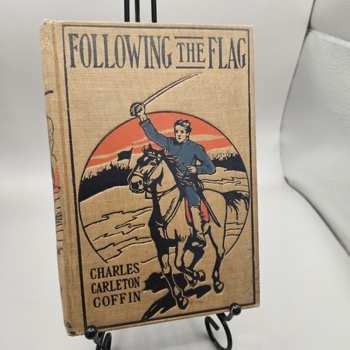
Hardcover. NY, Hurst & Company, reprint, Book: Very Good, Dust Jacket: None, Hardcover, beige cloth with 3-color pictorial cover, 286 pages. An historical book written by Charles Carleton Coffin and originally published in 1865. The book is a detailed account of Coffin's experiences as a war correspondent during the American Civil War, specifically with the Union Army of the Potomac. Coffin provides a firsthand account of the battles and events that took place during the period of August 1861 to November 1862. He describes the conditions and hardships faced by the soldiers, the tactics and strategies employed by the Union army, and the personalities of the commanders and soldiers he encountered. Clean copy.
Hardcover. NY, Alfred A. Knopf, 1st, 1964, Book: Very Good, Dust Jacket: Good, Hardcover in a bright, price-clipped dust jacket. 414 pages, numerous b/w illustrations, owner's gift inscription on endpaper, slight foxing, text clean and sound. Small paper scar at bottom of spine where sticker was removed.
Hardcover. London, Reaktion Books, 1st, 2019, Book: Very Good, Dust Jacket: Very Good, Hardcover in a bright dust jacket, 256 pages illustrated in color and b&w. Meals associated with train travel have been an important aspect of railway history for more than a century - from dinners in dining cars to lunches at station buffets to foods purchased from platform vendors. For many travelers, the experience of eating on a railway journey is often a highlight of the trip, a major part of the 'romance of the rails'. Food on the Move focuses on the culinary history of these famous journeys on five continents, from the earliest days of rail travel to the present. The engaging story and vivid illustrations invite readers to discover an array of railway feasts: haute cuisine in the elegant dining carriages of the Orient Express, American steak-and-eggs on the Santa Fe Super Chief, and home-cooked regional foods along the Trans-Siberian tracks. Readers will be tempted to eat their way across Canada's vast interior and Australia's spectacular and colourful Outback; grab an infamous `British railway sandwich' to munch on the Flying Scotsman; snack on spicy samosas on the Darjeeling Himalayan `Toy Train'; dine at high speed on Japan's `Bullet Train'; and sip South African wines in a Blue Train luxury lounge car featuring windows of glass fused with gold dust. Food on the Move focuses on the culinary history of these famous journeys. Clean copy.
Hardcover. Lanham MD, Rowman & Littlefield , 1st, 2014, Book: Very Good, Dust Jacket: None, Hardcover, glossy pictorial boards, 173 pages, b&w illustrations. In roughly one hundred years - from the 1870s to the 1970s - dining on trains began, soared to great heights, and then fell to earth. The founders of the first railroad companies cared more about hauling freight than feeding passengers. The only food available on trains in the mid-nineteenth century was whatever passengers brought aboard in their lunch baskets or managed to pick up at a brief station stop. It was hardly fine dining. Seeing the business possibilities in offering long-distance passengers comforts such as beds, toilets, and meals, George Pullman and other pioneering railroaders like Georges Nagelmackers of Orient Express fame, transformed rail travel. Fine dining and wines became the norm for elite railroad travelers by the turn of the twentieth century. The foods served on railroads - from consomme to turbot to souffle, always accompanied by champagne - equaled that of the finest restaurants, hotels, and steamships. Bright, clean copy.
Hardcover. NY, Harper Collins, 1st, 1997, Book: Very Good, Dust Jacket: Very Good, Hardcover in a bright, unclipped dust jacket. Color Illustrations by Lettimore. In a carefully researched, lavishly illustrated original tale of long ago, Deborah Nourse Lattimore transports readers back through time to a land where Shoguns rule and mythical creatures abound. Focusing on one of her favorite periods in history--Japan's Edo period--Lattimore writes of a poor birdcatcher named Hideo who is banished from his village when he is accused of being the evil bandit who steals from Shogun and villager alike. Finding shelter under the boughs of a tree, Hideo hears a rustling and makes a catch beyond his wildest dreams. Painted in the art style of the Edo period, each spread is breathtaking in its detail; every page is awash in shimmering and vibrant color.
Softcover. Jay NY, Graphics North, 1st thus, 2011, Book: Very Good, Dust Jacket: None, Softcover, pictorial wrappers, 430 pages plus index and photo pages. Two extensive memoirs written by a pioneer farmer and outdoorsman from Keeseville, New York. They cover the years 1831-1904 and his experiences in the Adirondacks as a hunter, farmer, innkeeper, educator, and adventurer. Edited by his son. Clean, like new.
Hardcover. Guilford CT, Rowman & Littlefield, 1st, 2016, Book: Very Good, Dust Jacket: Very Good, Hardcover in a bright dust jacket, 294 pages, b&w illustrations. The story of how Florida became entwined with Americans' twentieth-century hopes, dreams, and expectations is also a tale of mass delusion, real estate collapses, and catastrophic hurricanes. For Sale -- American Paradise concentrates on the experiences of American icon William Jennings Bryan, journalist Edwin Menninger, and others who shaped the image of Florida that we know today and who sold that image as America's paradise. The cast also includes the Marx Brothers, Thomas Edison, Al Capone, a pack of backwoods bandits known as the Ashley Gang, and the visionaries and businessmen who poured their dreams and their cash into Florida in the roaring, raucous 1920s.
Hardcover. Staten Island NY, Center Migration Studies , 1st, 2000, Book: Very Good, Dust Jacket: Very Good, Hardcover in a bright dust jacket, 359 pages. Clean copy.
Hardcover. NY, St Martins Press, 1st, 1996, Book: Very Good, Dust Jacket: Very Good, Hardcover in a bright, unclipped dust jacket. INSCRIBED BY SHATTUCK on the half-title page. 369 pages. An intellectual tour-de-force, Forbidden Knowledge is a study of the ethics of literary and scientific inquiry. Shattuck first approaches his subject indirectly, conducting an engaging tour of Western literature: Adam and Eve, Prometheus, Milton's Paradise Lost, Goethe's Faust, and Mary Shelley's Frankenstein. He then uses these tales to address the moral questions raised.
Softcover. NY, reprint, 1997, Book: Very Good, Dust Jacket: None, Softcover. A landmark exploration of the dark side of human ingenuity and imagination and an analysis of the history of Western culture. 369 pages, indexed, with bibliography.
Hardcover. NY, Harcourt Brace and Company, 1st US, 1939, Book: Very Good, Dust Jacket: Good, Hardcover in a lightly worn and faded dust jacket, 366 pages. A collection of speeches by the Right Hon. Anthony Eden in the House of Commons and elsewhere through 1938, which offers a criticism on British foreign policy. Previous owner's inscription on front fly leaf, otherwise clean.
Hardcover. New York , Arno Press, reprint, 1976, Book: Very Good, Dust Jacket: None, 295 pages, green cloth covers with gilt lettering. Previous owner's stamp on front fly leaf, otherwise clean, very good. Facsimile reprint of the 1933 edition. Scarce in hardcover.
Hardcover. Princeton University Press , 1st, 1967, Book: Very Good, Dust Jacket: None, Hardcover, gray cloth-covered boards, gilt titles to spine on black ground, 350 pages., illustrated with tables. The book sets out to "describe the inception, organisation, and administration of the Nazi foreign labor program and the relationship of the program to the Nazi war economy and government". It uses captured documents as well as material published during the war. Spine slightly cocked, clean copy.
Hardcover. Privately Printed, 1st, 1928, Book: Very Good, Dust Jacket: Good, Hardcover, blue paper-covered boards, black cloth spine with paper label, fore- and bottom edges untrimmed, frontis portrait and other black-and-white illustrations. Glassine wrapper present, chipped and worn. These letters document the nascent history of Smith College, Northampton, Mass. Pages unopened. Clean copy.

 "Flying Boats and Seaplanes: A History from 1905by: Nicolaou, Stephane")
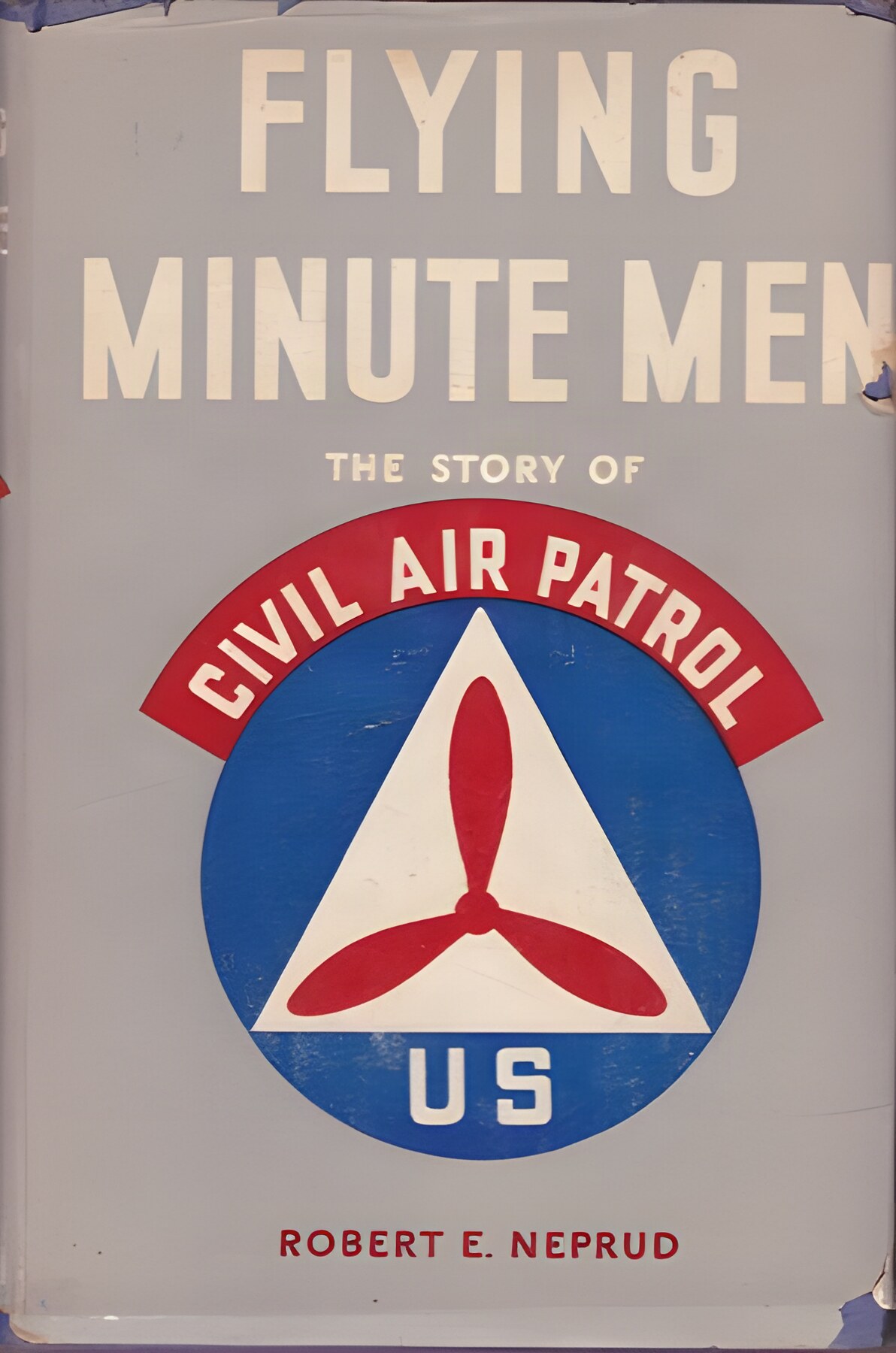
 "Flying Tigers, The: The Untold Story of the American Pilots Who Waged a Secret War Against Japanby: Kleiner, Sam")
 "Focus: The Secret, Sexy, Sometimes Sordid World of Fashion Photographersby: Gross, Michael")
 "Folies-Bergere by: Durval, Paul")
 "Folk Art in the Soviet Unionby: Razina, T. M. (Tat?eiiana Mikhaaeilovna)")

 "Folklife in Louisiana Photography - Images of Traditionby: De Caro, Frank")
 "Following the Frontier with F. Jay Haynes, Pioneer Photographer of the Old Westby: Tilden, Freeman")


 "Food on the Move: Dining on the Legendary Railway Journeys of the Worldby: Sharon Hudgins")
 "Food on the Rails: The Golden Era of Railroad Diningby: Quinzio, Jeri")
 "Fool and the Phoenix, The - A Tale of Old Japanby: Lettimore, Deborah Nourse")



 "Forbidden Knowledge: From Prometheus to Pornography (SIGNED COPY)by: Shattuck, Roger")
 "Forbidden Knowledge: From Prometheus to Pornography by: Roger Shattuck")
 "Ford Model A, As Henry Built It: Color, Upholstery and Production Facts Bookby: DeAngelis, George, Edward P. Francis, Leslie R. Henry")


 "Foreign Bonds; An Autopsy - A Study of Defaults and Repudiations of Government Obligationsby: Winkler, Max")
 "Foreign Labor in Nazi Germany by: Edward L. Homze")