Hardcover. NY, Abrams, 1st, 2000, Book: Very Good, Dust Jacket: Very Good, Hardcover, 328 pages. A noted photographer offers a visual tour of Christian communities around the world--in such diverse areas as Cuba, Jerusalem, Lourdes, the United States, Mali, and Russia--that explores what it means to be a Christian at the dawn of a new millennium.
Hardcover. NY, Abrams, 1st, 2000, Book: Very Good, Dust Jacket: Very Good, Hardcover, 328 pages. A noted photographer offers a visual tour of Christian communities around the world--in such diverse areas as Cuba, Jerusalem, Lourdes, the United States, Mali, and Russia--that explores what it means to be a Christian at the dawn of a new millennium.
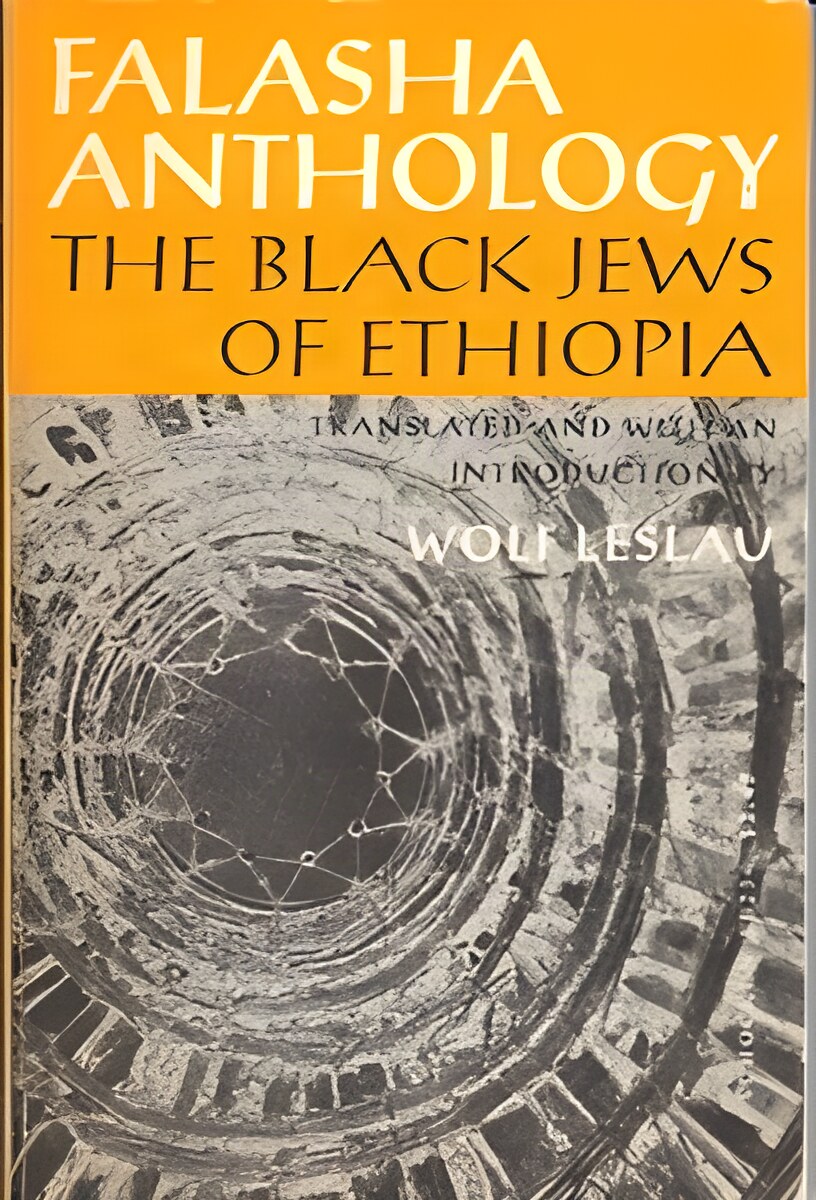
Softcover. NY, Schocken Books, reprint, 1969, Book: Very Good, Dust Jacket: None, Softcover, 222 pages, b&w illustrations. The Falashas, who are the most isolated and most ancient Jewish community extant, have preserved their own religious writings through the centuries. No one knows for certain how Judaism reached this part of Africa. They observe the Sabbath as indicated in the Torah, eat only kosher food, pray in straw-roofed synagogues, and use only unleavened bread during the seven days of Passover. This book offers a cross section of their sacred literature, translated for the first time into English from Ethiopic sources. In addition, the translator provides a detailed description of the life and mores of the Falashas, based on his personal experience and observation during a prolonged stay in their community. Clean copy.
Hardcover. London, Bloomsbury Academic, 1st, 2020, Hardcover, decorated boards, 244 pages. The portrait of John Locke as a secular advocate of Enlightenment rationality has been deconstructed by the recent 'religious turn' in Locke scholarship. This book takes an important next step: moving beyond the 'religious turn' and establishing a 'theological turn', Nathan Guy argues that John Locke ought to be viewed as a Christian political philosopher whose political theory was firmly rooted in the moderating Latitudinarian theology of the seventeenth-century. Nestled between the secular political philosopher and the Christian public theologian stands Locke, the Christian political philosopher, whose arguments not only self-consciously depend upon Christian assumptions, but also offer a decidedly Christian theory of government. Finding Locke's God identifies three theological pillars crucial to Locke's political theory: (1) a biblical depiction of God, (2) the law of nature rooted in a doctrine of creation and (3) acceptance of divine revelation in scripture. As a result, Locke's political philosophy brings forth theologically-rich aims, while seeking to counter or disarm threats such as atheism, hyper-Calvinism, and religious enthusiasm. Clean copy.
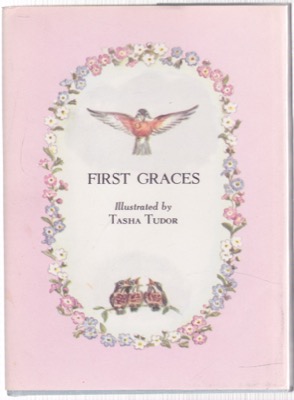
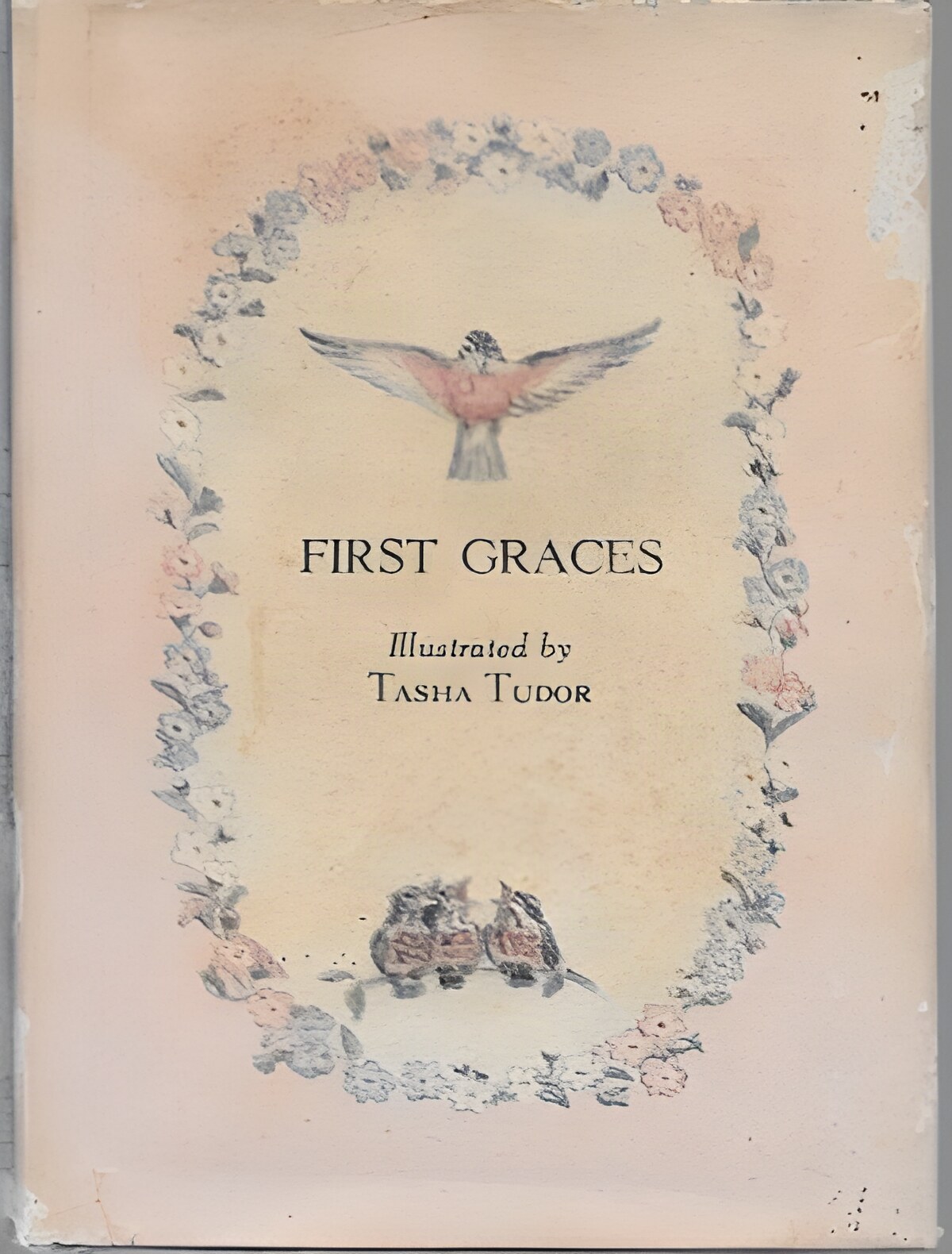
Hardcover. NY, Harry Z. Walck, 1st, 1955, Book: Very Good, Dust Jacket: Very Good, Small hardcover in a bright dust jacket. 47 pages illustrated in color and b&w by Tudor. Scarce pristine copy with 1955 on the title and copyright page. The bottom of front flap with $1.95 price. The top of flap is clipped, the only imperfection, otherwise like new.
Hardcover. New York, Walck, 1st, 1955, Book: Very Good, Dust Jacket: Good, 47 pages. Color illustrations by Tasha Tudor.Dust jacket price clipped. Dust jacket has edgewear, chipping.
Hardcover. NY, Henry Z. Walck, 1st, 1952, Book: Very Good, Dust Jacket: None, Hardcover, light blue cloth covers, no dust jacket. 48 pages illustrated in color and b&w by Tasha Tudor. No markings.
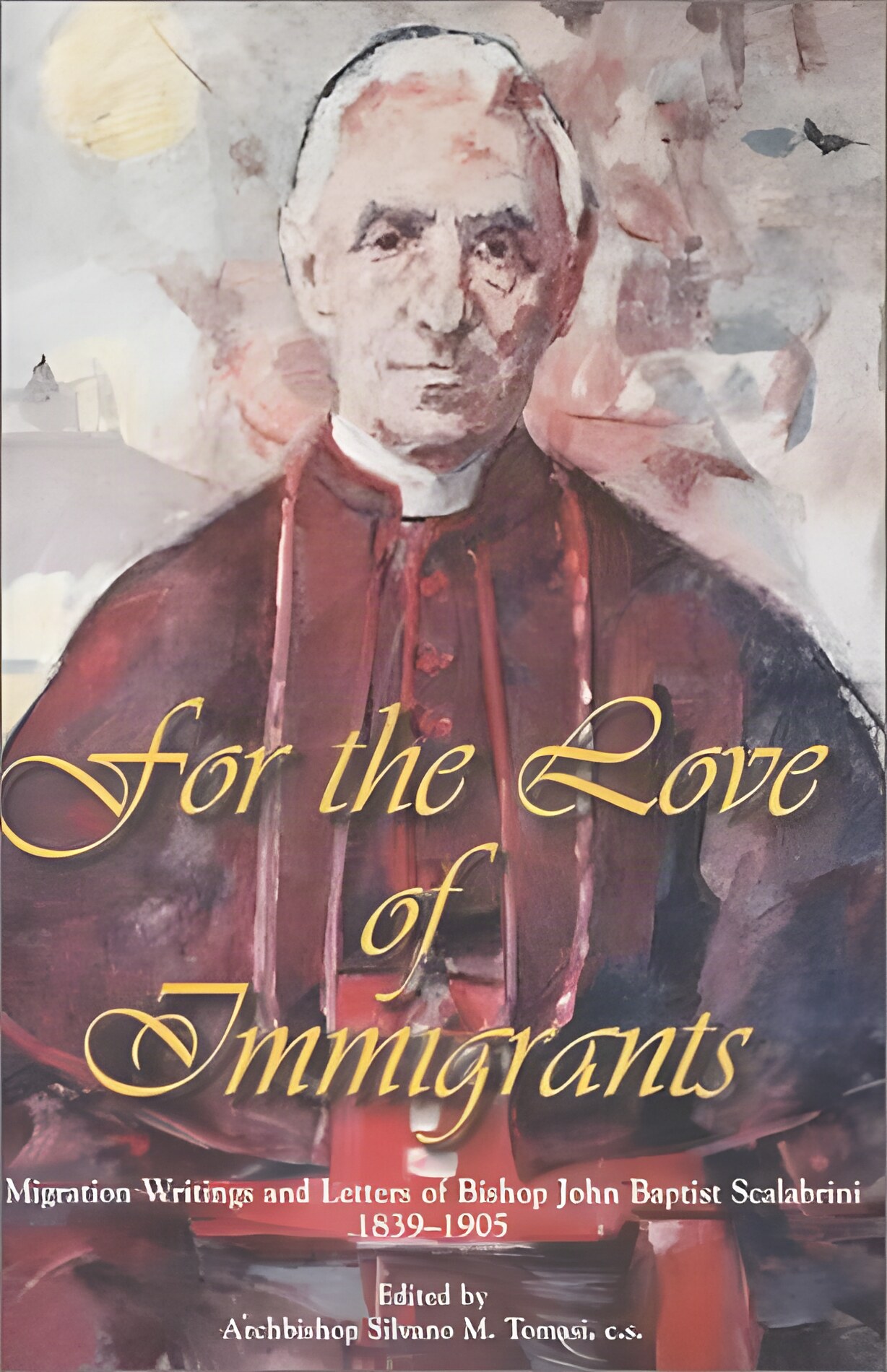
Hardcover. Staten Island NY, Center Migration Studies , 1st, 2000, Book: Very Good, Dust Jacket: Very Good, Hardcover in a bright dust jacket, 359 pages. Clean copy.
Hardcover. UK, Oxford University Press , 2nd Ed., 1962, Book: Very Good, Dust Jacket: None, Hardcover, dark blue cloth with gilt lettering on spine, 341 pages. Name on front fly leaf, light pencil notations to several pages.
Hardcover. Bristol UK, Thoemmes, reprint, 1990, Book: Very Good, Dust Jacket: None, Hardcover, red cloth with gilt lettering on spine, 464 pages. The handsome 1990 re-issue of the 1768 1st edition with a new introduction by John Stephens. Name on front fly leaf, otherwise clean.
Hardcover. NY, Fordham University Press, 1st, 2008, Hardcover, black cloth with gilt lettering on the spine, 196 pages. Philosophers have long and skeptically viewed religion as a source of over-easy answers, with a singular, totalizing "God" and the comfort of an immortal soul being the greatest among them. But religious thought has always been more interesting-indeed, a rich source of endlessly unfolding questions. With questions from the 1885 Baltimore Catechism of the Catholic Church as the starting point for each chapter, Karmen MacKendrick offers postmodern reflections on many of the central doctrines of the Church: the oneness of God, original sin, forgiveness, love and its connection to mortality, reverence for the relics of saints, and the doctrine of bodily resurrection. Clean copy. No dust jacket.
Softcover. Crossroad Pub Co, reprint, January 1992, Book: Good, Dust Jacket: None, 720 pages. Light wear, creasing, rubbing to wrappers, faint soil to edges, small dent to spine. Previous owner's notation in ink on contents-page.
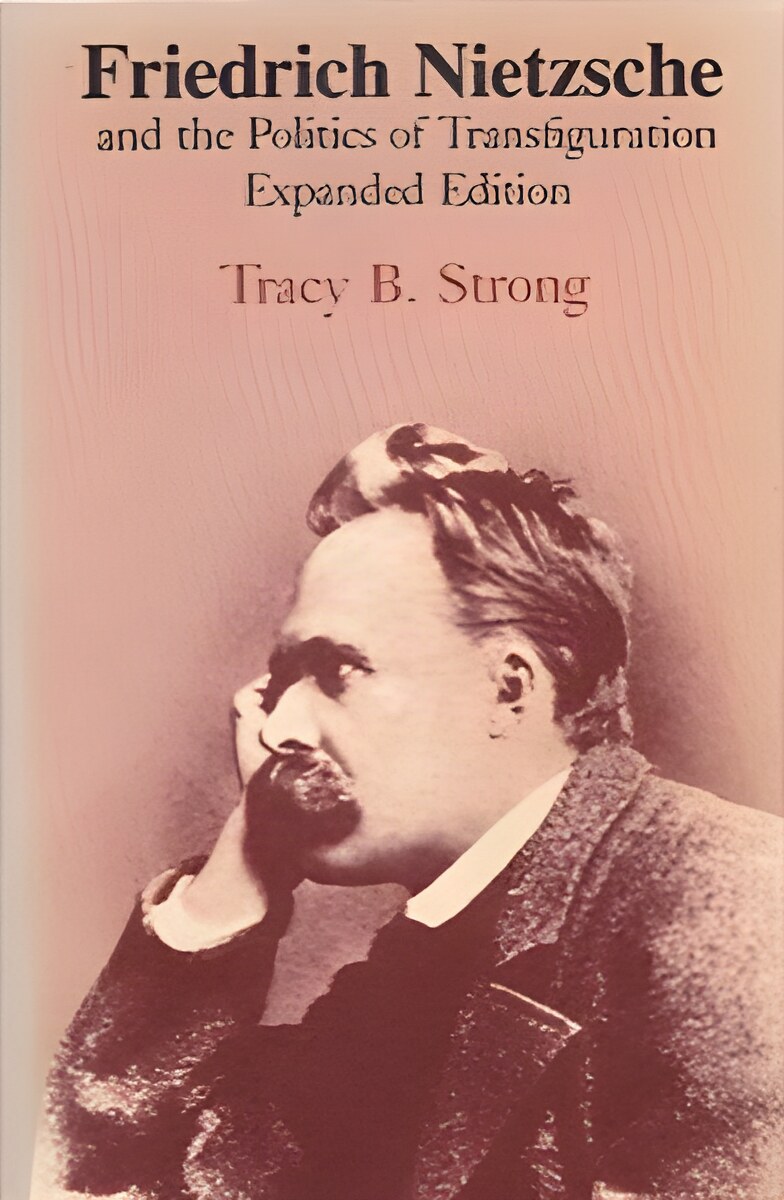
Softcover. Berkeley CA, University of California Press, reprint, 1988, Book: Very Good, Dust Jacket: None, Softcover, 392 pages. Provides a comprehensive analysis of the politics that are implicit and explicit in Nietzsche's work. This book examines both the personal and the political sides of Nietzsche's writings to show how his writings can expand notions of democratic politics and democratic understanding. Light pencil underlining to about 15 pages.
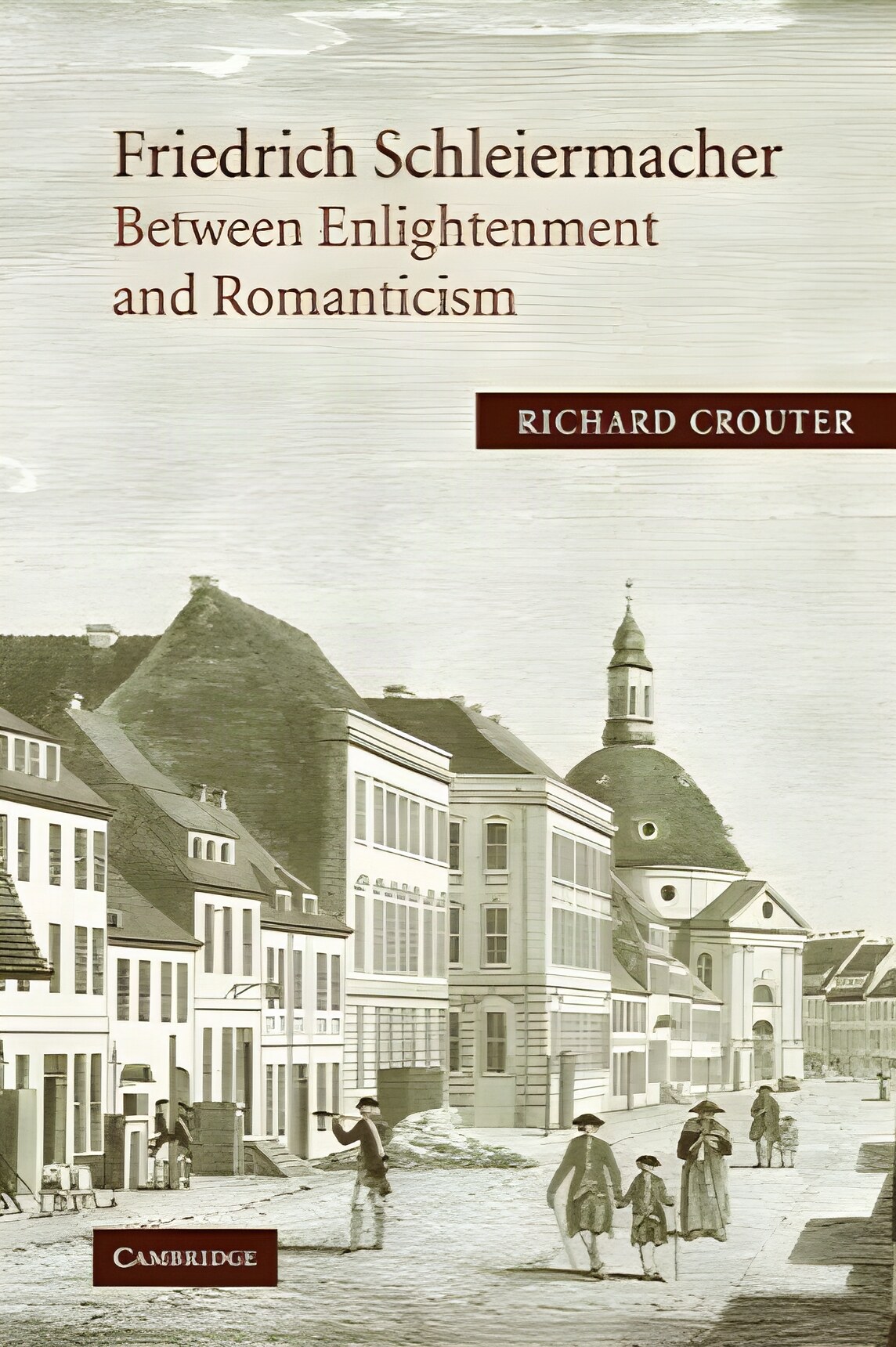
Softcover. Oxford UK, Cambridge University Press, reprint, 2008, Book: Very Good, Dust Jacket: None, Softcover, 277 pages. Friedrich Schleiermacher's groundbreaking work in theology and philosophy was forged in the cultural ferment of Berlin at the convergence of the Enlightenment and Romanticism. The three sections of this book include illuminating sketches of Schleiermacher's relationship to contemporaries, his work as a public theologian, as well as the formation and impact of his two most famous books, On Religion and The Christian Faith. Richard Crouter's essays examine the theologian's stance regarding the status of doctrine, church and political authority, and the place of theology among the academic disciplines. Clean, bright copy.
Hardcover. UK, Oxford University Press, 1st, 2019, Book: Very Good, Dust Jacket: Very Good, Hardcover in a bright dust jacket, 277 pages. The seventeenth and eighteenth centuries represent a period of remarkable intellectual vitality in British philosophy, as figures such as Hobbes, Locke, Hume, and Smith attempted to explain the origins and sustaining mechanisms of civil society. Their insights continue to inform how political and moral theorists think about the world in which we live. From Moral Theology to Moral Philosophy reconstructs a debate which preoccupied contemporaries but which seems arcane to us today. It concerned the relationship between reason and revelation as the two sources of mankind's knowledge, particularly in the ethical realm: to what extent, they asked, could reason alone discover the content and obligatory character of morality? This was held to be a historical, rather than a merely theoretical question: had the philosophers of pre-Christian antiquity, ignorant of Christ, been able satisfactorily to explain the moral universe? What role had natural theology played in their ethical theories - and was it consistent with the teachings delivered by revelation? Much recent scholarship has drawn attention to the early-modern interest in two late Hellenistic philosophical traditions - Stoicism and Epicureanism. Yet in the English context, three figures above all - John Locke, Conyers Middleton, and David Hume - quite deliberately and explicitly identified their approaches with Cicero as the representative of an alternative philosophical tradition, critical of both the Stoic and the Epicurean: academic scepticism. All argued that Cicero provided a means of addressing what they considered to be the most pressing question facing contemporary philosophy: the relationship between moral philosophy and moral theology. Clean copy.
Hardcover. Minneapolis, Fortress Press, 1st, 2003, Book: Very Good, Dust Jacket: Fair, Hardcover in a dust jacket with large chunk of rear panel gone. 525 pages. In this pathbreaking study of the rise and shape of the earliest churches in Rome, Lampe integrates history, archaeology, theology, and social analysis. He also takes a close look at inscriptional evidence to complement the reading of the great literary texts: from Paul's Letter to the Romans to the writings of Clement of Rome, Justin Martyr, Montanus, and Valentinus. Thoroughly reworked and updated by the author for this English-language edition, this study is a groundbreaking work, broad in scope and closely detailed. Lampe deals with the shape of leadership and the Christians' relation to the Judeans living in Rome. In six parts, comprised of fifty-one chapters and four appendices, Lampe greatly advances our knowledge of the shape of leadership and the Christians' relation to the Judeans living in Rome. Name and date on front fly leaf, otherwise clean.
Hardcover. NY, Eaton and Means, 1st, 1899, Book: Very Good, Dust Jacket: None, Hardcover, decorated cloth, gilt lettering on spine, 262 pages. An Account of the visitation of Bishop Foss and Dr. Goucher to the Indian and Malaysian Missions of the Methodist Episcopal Church. This book gives the reader new information as to the needs of the different fields which are under discussion, grasps more vividly the magnitude of the modern missionary movement, and gathers fresh confidence in the final triumph of the Messiah throughout the heathen world. B&w illustrations. Old ink price on front fly leaf, otherwise clean.
Hardcover. South Bend IN, St. Augustine's Press, reprint, 1998, Book: Very Good, Dust Jacket: None, Hardcover, glossy pictorial boards, 225 pages. Widely recognized as a classic account of the circumstances, issues, and consequences of Galileo's tragic confrontation with the theologians. Langford's book is cited in much of the Galileo literature of the past three decades, and it has been in print continuously since 1971. The present text is the third edition, updated and expanded with a survey of the most important advances in recent Galileo studies. In it, Langford assesses the validity of his own account while making the modifications dictated by recent scholarship.
Hardcover. UK, Oxford University Press, 1st, 2004, Book: Very Good, Dust Jacket: Very Good, Hardcover in a bright dust jacket, 482 pages. This is the first comprehensive study of Gangraena, an intemperate anti-sectarian polemic written by a London Presbyterian Thomas Edwards and published in three parts in 1646. These books, which bitterly opposed any moves to religious toleration, were the most notorious and widely debated texts in a Revolution in which print was crucial to political moblization. They have been equally important to later scholars who have continued the lively debate over the value of Gangraena as a source for the ideas and movements its author condemned. This study includes a thorough assessment of the usefulness of Edwards' work as a historical source, but goes beyond this to provide a wide-ranging discussion of the importance of Gangraena in its own right as a lively work of propaganda, crucial to Presbyterian campaigning in the mid-1640s. Name, date on front fly leaf, otherwise clean.
Hardcover. Thorverton UK, The Rota/Imprint Academic, 1st thus, 1977, Book: Very Good, Dust Jacket: None, Hardcover, gray cloth with gilt lettering on spine. A facsimile of 17th century polemical work, with a modern introduction. Approx. 800 pages. Name on front fly leaf otherwise a bright, clean copy.
Hardcover. POONA, Oriental Book Agency, 1st, 1939, Book: Very Good, Dust Jacket: None, 567 pages. Hardcover. Boards bound at spine with orange quartercloth, has fading and foxing to spine from age. Gray cardboard cover boards (some agewear). Pages and edges have some tanning, but otherwise unmarked. Previous owner's name on front flyleaf. This work is a product of seven manuscripts. It begins with the English tranlation of lectures on Nyayasutras by Gautama. The author has also used his notes from Bodhasiddhi.



 "First Prayersby: Tasha Tudor")

 "Formal Logicby: Prior, Arthur N.")
 "Four Dissertations by: Richard Price")

 "Francis of Assisiby: Fortini, Arnaldo")

 "From Rousseau to Ritschl being the translation of eleven chapters of Die Protestantische Theologie im 19. Jahrhundertby: Barth, Karl")

 "Gautama's Nyaua Sutras (With Vatsuayana-Bhasya)by: Jha, Ganganatha (English translation with revised notes)")