Softcover. Las Vegas, Parmenides Publishing, 1st, 2010, Book: Very Good, Dust Jacket: None, Softcover, 246 pages. Plato's Parmenides presents the modern reader with a puzzle. Noted for being the most difficult of Platonic dialogues, it is also one of the most influential. This new edition of the work includes the Greek text on facing pages, with an English translation by Arnold Hermann in collaboration with Sylvana Chrysakopoulou. Hermann's Introduction provides an overview and commentary aimed at scholars and first time readers alike.
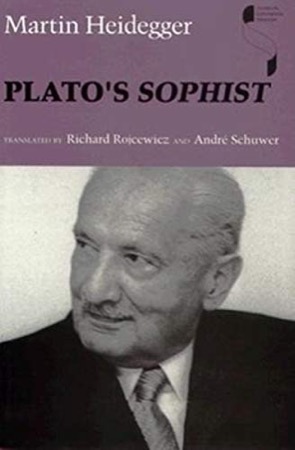
Hardcover. Bloomington, Indiana University Press, 1st, 1997, Book: Very Good, Dust Jacket: Very Good, Hardcover in a bright dust jacket, 476 pages. Reconstructs Martin Heidegger's lecture course at the University of Marburg in the winter semester of 1924-25, which was devoted to an interpretation of Plato and Aristotle. This volume approaches Plato through Aristotle. Translated by Richard Rojcewicz and Andre Schuwer. Name, date, light pencil making to 9 pages toward front.
Softcover. UK, Oxford University Press, 1st pbk., 2004, Book: Very Good, Dust Jacket: None, Softcover, 643 pages. An illuminating reappraisal of Plato's later works, which reveals radical changes in his ethical and political theory. Christopher Bobonich argues that in these works Plato both rethinks and revises important positions which he held in his better-known earlier works such as the Republic and the Phaedo. Bobonich analyses Plato's shift from a deeply pessimistic view of non-philosophers in the Republic, where he held that only philosophers were capable of virtue and happiness, to his far more optimistic position in the Laws, where he holds that the constitution and laws of his ideal city of Magnesia would allow all citizens toachieve a truly good life. Name on front fly leaf, otherwise clean.
Hardcover. UK, Oxford University Press, 1st, 2008, Book: Very Good, Dust Jacket: Very Good, Hardcover in a bright dust jacket, 238 pages. The Laws is Plato's last and longest dialogue. Although it has been neglected (compared to such works as the Republic and Symposium), it is beginning to receive a great deal of scholarly attention. Book 10 of the Laws contains Plato's fullest defence of the existence of the gods, and his last word on their nature, as well as a presentation and defence of laws against impiety (e.g. atheism). Plato's primary aim is to defend the idea that the gods exist and that they are good - this latter meaning that they do not neglect human beings and cannot be swayed by prayers and sacrifices to overlook injustice. As such, the Laws is an important text for anyone interested in ancient Greek religion, philosophy, and politics generally, and the later thought of Plato in particular. Robert Mayhew presents a new translation, with commentary, of Book X of the Laws. His primary aim in the translation is fidelity to the Greek. His commentary focuses on philosophical issues (broadly understood to include religion and politics), and deals with philological matters only when doing so serves to better explain those issues. Knowledge of Greek is not assumed, and the Greek that does appear has been transliterated. It is the first commentary in English of any kind on Laws X for nearly 140 years. Light pencil notations to about 15 pages.
Softcover. NY, Oxford University Press, reprint, 2011, Book: Very Good, Dust Jacket: None, Softcover, 384 pages. Plato is the best known and most widely studied of all the ancient Greek philosophers. Malcolm Schofield, a leading scholar of ancient philosophy, offers a lucid and accessible guide to Plato's political thought, enormously influential and much discussed in the modern world as well as the ancient. Schofield discusses Plato's ideas on education, democracy and its shortcomings, the role of knowledge in government, utopia and the idea of community, money and its grip on the psyche, and ideological uses of religion. Clean, bright copy.
Hardcover. Cambridge MA, Harvard University Press, 1st, 2001, Book: Very Good, Dust Jacket: Very Good, Hardcover in a very good dust jacket with light fading to spine, 342 pages. The Platonic Theology is a visionary work and the philosophical masterpiece of Marsilio Ficino (1433-1499), the Florentine scholar-philosopher-magus who was largely responsible for the Renaissance revival of Plato. A student of the Neoplatonic schools of Plotinus and Proclus, he was committed to reconciling Platonism with Christianity, in the hope that such a reconciliation would initiate a spiritual revival and return of the golden age. His Platonic evangelizing was eminently successful and widely influential, and his Platonic Theology, translated into English for the first time in this edition, is one of the keys to understanding the art, thought, culture, and spirituality of the Renaissance.
Hardcover. Cambridge MA, Harvard University Press, 1st, 2002, Book: Very Good, Dust Jacket: Good, Hardcover in a dust jacket with fading to spine and front cover, 397 pages. The Platonic Theology is a visionary work and the philosophical masterpiece of Marsilio Ficino (1433-1499), the Florentine scholar-philosopher-magus who was largely responsible for the Renaissance revival of Plato. A student of the Neoplatonic schools of Plotinus and Proclus, he was committed to reconciling Platonism with Christianity, in the hope that such a reconciliation would initiate a spiritual revival and return of the golden age. His Platonic evangelizing was eminently successful and widely influential, and his Platonic Theology, translated into English for the first time in this edition, is one of the keys to understanding the art, thought, culture, and spirituality of the Renaissance. Clean copy.
Hardcover. Cambridge MA, Harvard University Press, 1st, 2003, Book: Very Good, Dust Jacket: Very Good, Hardcover in a very good dust jacket with light fading to spine, 362 pages. The Platonic Theology is a visionary work and the philosophical masterpiece of Marsilio Ficino (1433-1499), the Florentine scholar-philosopher-magus who was largely responsible for the Renaissance revival of Plato. A student of the Neoplatonic schools of Plotinus and Proclus, he was committed to reconciling Platonism with Christianity, in the hope that such a reconciliation would initiate a spiritual revival and return of the golden age. His Platonic evangelizing was eminently successful and widely influential, and his Platonic Theology, translated into English for the first time in this edition, is one of the keys to understanding the art, thought, culture, and spirituality of the Renaissance. Name on front fly leaf otherwise clean.
Softcover. UK, Cambridge University Press, 1st pbk, 2019, Book: Very Good, Dust Jacket: None, Softcover, 931 pages. Greek glossary, English glossary, bibliography of Principal editions of secondary sources. Octavo. Glossy burgunday soft covers with gold and white titles. Covers have minimal shelf wear, a small bump at top left front, interior clean and fresh, a few pages have very slight sign of storage bend at the top corner, otherwise very good. Heavy for international shipping. The Enneads is a work central to the history of philosophy in late antiquity. This volume is the first complete edition in English for 75 years and also includes Porphyry's Life of Plotinus. Led by Gerson, a team of experts present up to date translations which are based on the best available text, the editio minor of Henry and Schwyzer and its corrections.... They also offer extensive annotation to assist the reader, together with cross-references and citations. Clean, bright copy.
Hardcover. London, England, Oxford at the Clarendon Press, 1st Edition, 1967, Book: Very Good, Dust Jacket: Fair, 406 pages. Hardcover. Previous owner's name on front flyleaf. Dust jacket price clipped, has some damage to top right corner of front cover, as well as agewear. Navy blue cover boards, gilt title on spine. The years between the two wars saw a rich flowering of work in formal logic in Poland. Yet the writings of Polish logicians of that time have largely remained inaccessible to English-speaking readers.
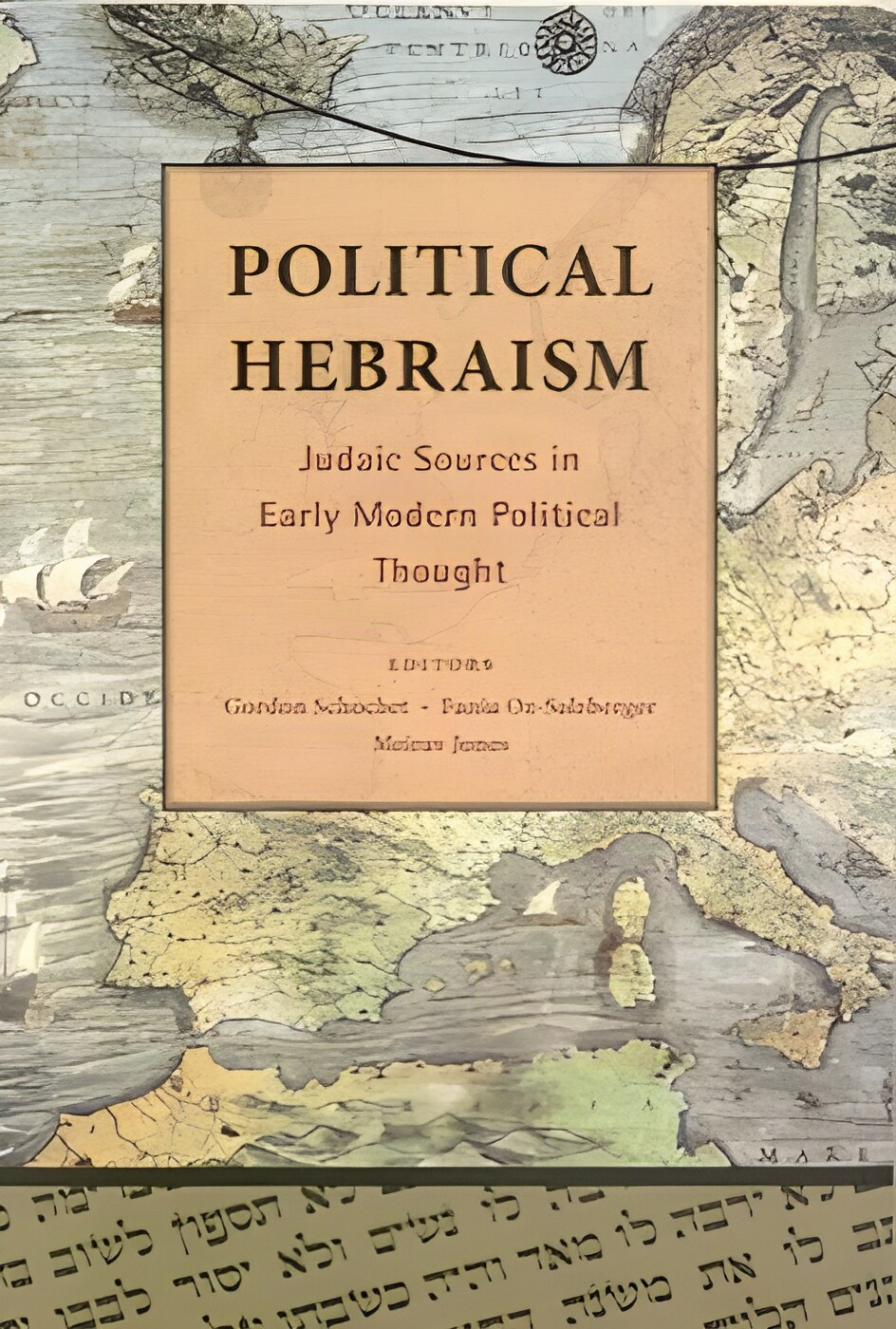
Softcover. Jerusalem/NY, Shalem Press, 1st, 2008, Book: Very Good, Dust Jacket: None, Softcover, 287 pages. Between the 16th and 18th centuries, European political philosophy felt intimately at home with the Hebrew Bible, enjoyed some familiarity with later Jewish texts and exegeses, and accommodated a small number of Jews within its political discourse. The period was characterized by a search for Hebraica Veritas, a view of De Republica Hebraeorum as the idealized polity, and biblical and Jewish ideas permeating the political imagination through art, literature, and legal codes. This volume is comprised of papers from the first ever international conference on political Hebraism held in Jerusalem in August 2004 under the auspices of the Shalem Center. The topic of political Hebraism is broached here from a number of approaches, including historical, literary, philosophical, theological, critical, and sociopolitical.
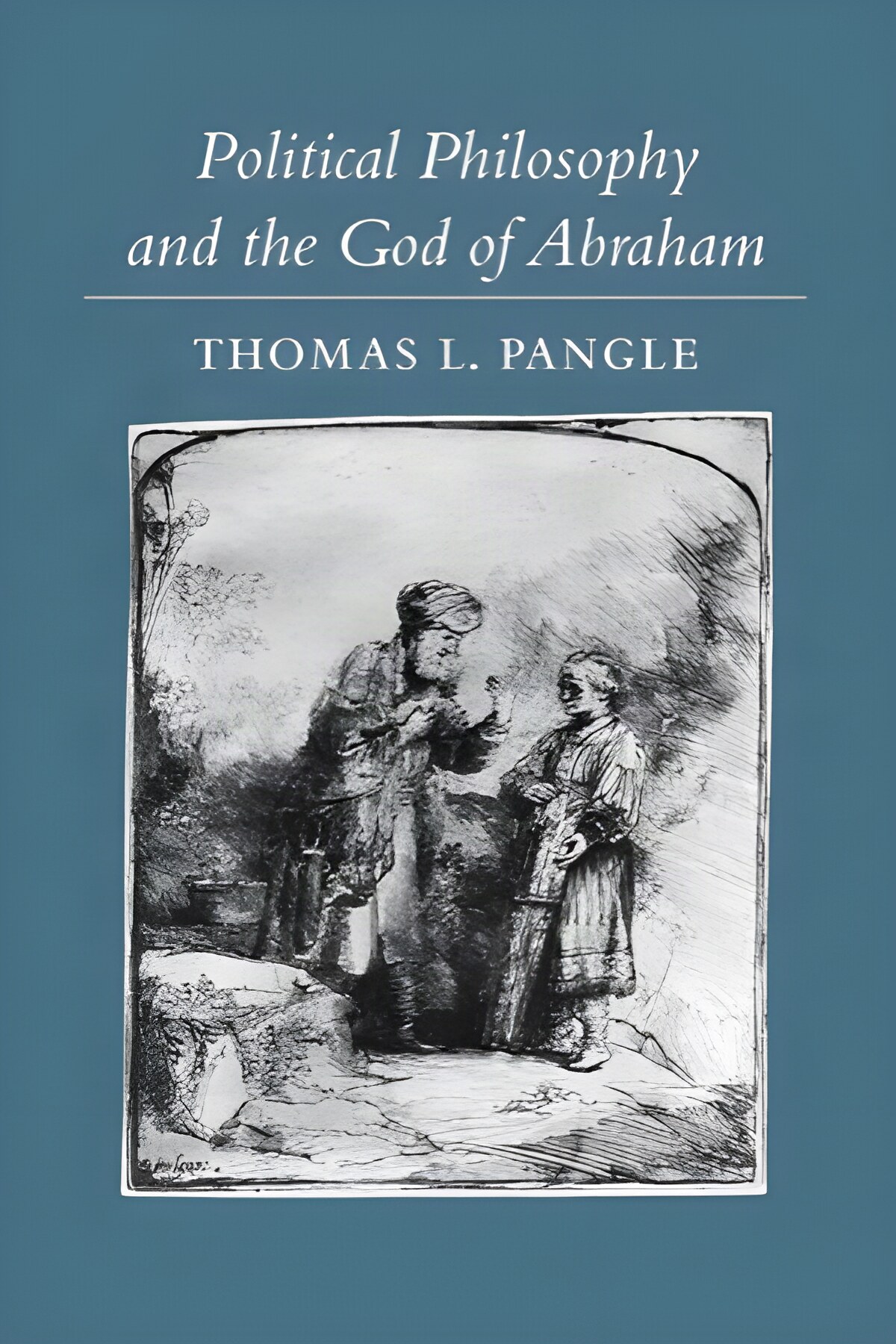
Softcover. Baltimore, Johns Hopkins University Press, reprint, 2007, Book: Very Good, Dust Jacket: None, Softcover, 285 pages. In this book noted scholar Thomas L. Pangle brings back a lost and crucial dimension of political theory: the mutually illuminating encounter between skeptically rationalist political philosophy and faith-based political theology guided ultimately by the authority of the Bible. Focusing on the chapters of Genesis in which the foundation of the Bible is laid, Pangle provides an interpretive reading illuminated by the questions and concerns of the Socratic tradition and its medieval heirs in the Christian, Jewish, and Islamic worlds. He brings into contrast the rival interpretive framework set by the biblical criticism of the modern rationalists Hobbes and Spinoza, along with their heirs from Locke to Hegel. The full meaning of these diverse philosophic responses to the Bible is clarified through a dialogue with hermeneutic discussions by leading political theologians in the Judaic, Muslim, and Christian traditions, from Josephus and Augustine to our day. Profound and subtle in its argument, this book will be of interest not only to students and scholars of politics, philosophy, and religion but also to thoughtful readers in every walk of life who seek to deepen their understanding of the perplexing relationship between religious faith and philosophic reason. Name and date on front fly leaf, otherwise clean.
Hardcover. Brattleboro VT, Joseph Steen & Co, reprint, 1851, Book: Good, Dust Jacket: None, All leather bound, with illustrations, a critical introduction, sermons and essay, and historical index. Gilt border on covers and title on spine with all edges marbled. Bound upside down, cover worn with wear and rub, two rough worn down patches on cover, otherwise, internally clean and tight.
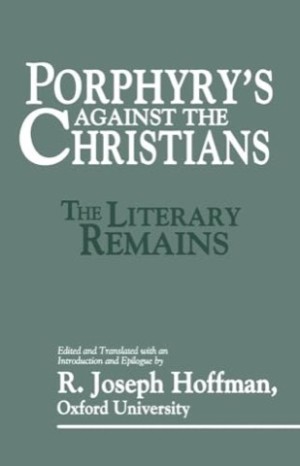
Hardcover. Lanham MD, Prometheus Books, 1st, 1994, Book: Very Good, Dust Jacket: None, Hardcover, glossy boards, 181 pages. Throughout its first three centuries, the growing Christian religion was subjected not only to official persecution but to the attacks of pagan intellectuals, who looked upon the new sect as a band of fanatics bent on worldwide domination even as they professed to despise the things of this world. Prominent among these pagan critics was Porphyry of Tyre (ca. 232-ca. 305 C.E.), scholar, philosopher, and student of religions. His book Against the Christians (Kata Christianon), was condemned to be burned by the imperial Church in 448. It survives only in fragments preserved by the cleric and teacher Macarius Magnes.This new translation of the remains of Against the Christians, by renowned biblical scholar R. Joseph Hoffmann, reveals a work of deft historical and literary criticism. Porphyry's trenchant comments extend to key figures, beliefs, and doctrines of Christianity as he roundly attacks the divinity of Jesus, the integrity of the apostles, the Christian concept of God, and the Resurrection. Clean copy.
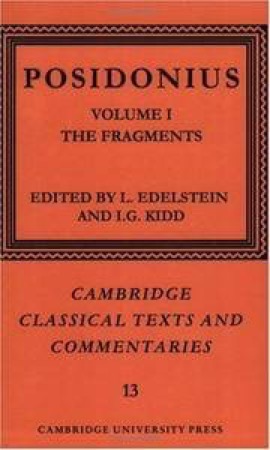
Softcover. UK, Cambridge University Press, reprint, 2004, Book: Very Good, Dust Jacket: None, Softcover, orange wrappers, 341 pages. Classic scholarly text contains a collection of the surviving attested fragments of Posidonius, the leading stoic philosopher of his time in the first half of the first century, B.C. This exhaustive work was begun by Prof. Edelstein, a preeminent authority on Posidonius, and subsequently completed and edited after his death by Ian Kidd. There are some sixty different ancient reporters represented in this volume. First published in 1972, this re-issue contains 60 new readings, nearly eighty alterations to the apparatus criticus and corrections of errors. GREEK AND LATIN TEXT. Name on front fly leaf, otherwise, clean.
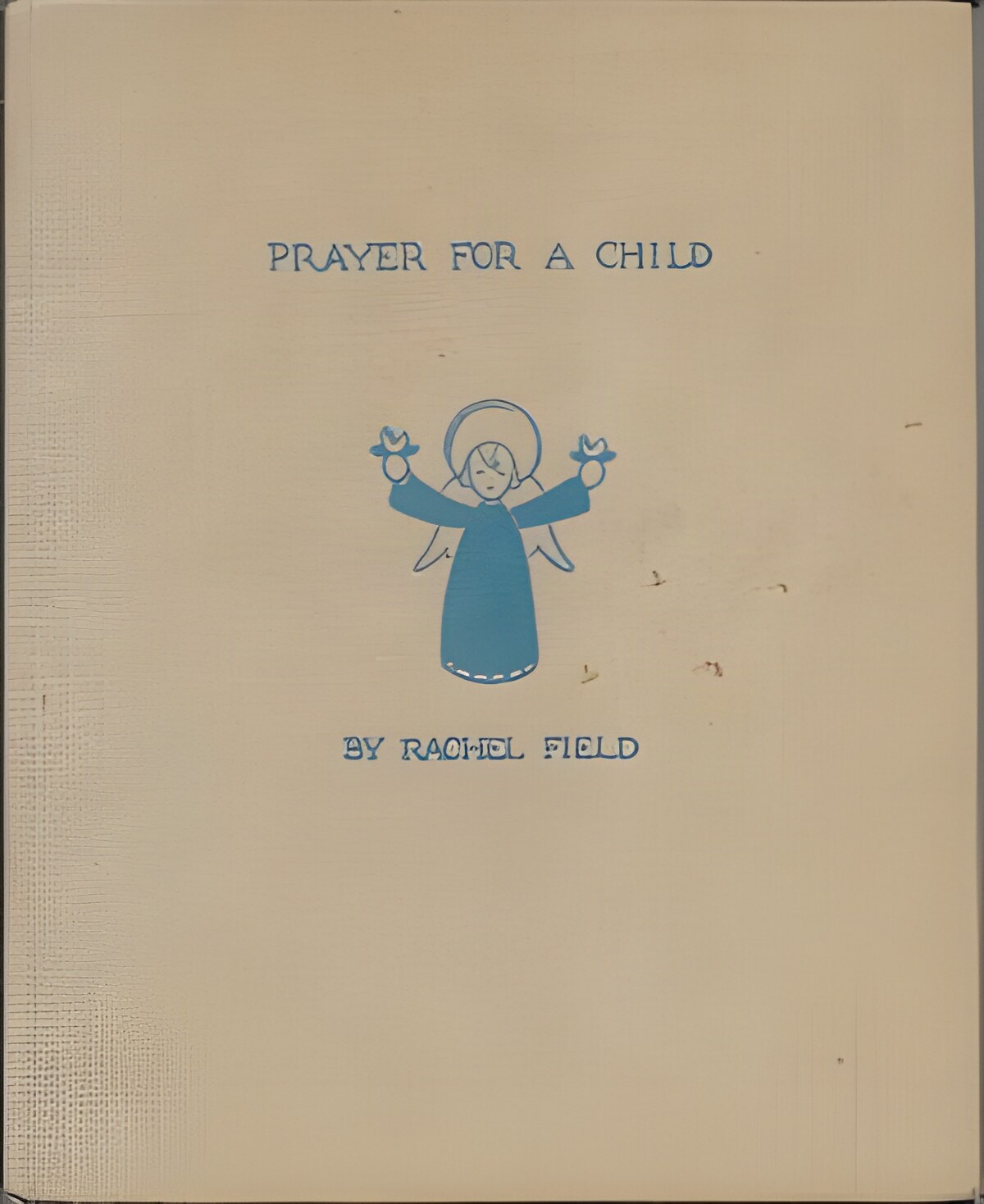
Hardcover. NY, Macmillan, 1st illust., 1944, Book: Very Good, Dust Jacket: None, Hardcover. Color illustrations by Elizabeth Orton Jones. Light tanning, spotting to covers, else a neat, tight copy.
Hardcover. New York , Harper & Brothers, 1st, 1912, Book: Very Good, Dust Jacket: None, Hardcover. A book of prayers for children. 96 pages, color illustrations by John Rae. Spine faded, deckled foredge.
NY, Doubleday Doran and Co., 1st, 1929, Book: Very Good, Dust Jacket: None, Hardcover, blue cloth with gilt title on spine, 96 pages. Color frontispiece by John Rae. B&w illustrations by Henry Pitz, Harold Sichel. Bookplate on front fly leaf, otherwise clean.
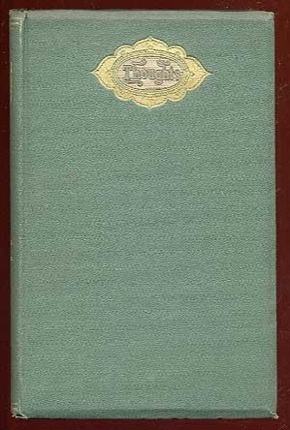
Hardcover. NY, John Wiley & Son, 1867, Book: Very Good, Dust Jacket: None, Hardcover, green cloth with gilt design and lettering on spine, beveled cloth boards, later printing (1867), 349 pages, top edge gilt. A compilation of 'hidden treasures' within Ruskin's writings. A must for anyone who appreciates the writings of John Ruskin. Some light stain to top margin of first 30 pages, not affecting text, otherwise clean.
Hardcover. New Vienna OH, Peace Association of Friends in America, 1st, 1876, Book: Very Good, Dust Jacket: None, Hardcover, 64 pages, thin flexible cloth covers. INSCRIBED "For my Dear Sister" from the author, dated 1876 Germantown on front fly leaf. Clean.
Hardcover. UK, Oxford University Press, reprint, 1997, Book: Very Good, Dust Jacket: Very Good, Hardcover in a bright dust jacket, 250 pages. Priscillian (died c.385) was a wealthy nobleman of Roman Hispania who promoted a strict form of Christian asceticism. He became bishop of Avila in 380. Certain practices of his followers (such as meeting at country villas instead of attending church) were denounced at the Council of Zaragoza in 380. Tensions between Priscillian and bishops opposed to his views continued, as well as political manoeuvring by both sides. Around 385, Priscillian was charged with sorcery and executed by authority of the Emperor Maximus. The ascetic movement Priscillianism is named after him, and continued in Hispania and Gaul until the late 6th century. Tractates by Priscillian and close followers, which had seemed lost, were discovered in 1885 and published in 1889. Clean, bright copy.
Hardcover. London/NY, Basil Blackwell, 1st, 1984, Book: Very Good, Dust Jacket: Very Good, Hardcover in a very good dust jacket with fading to spine, 251 pages. Name on front fly leaf otherwise clean.
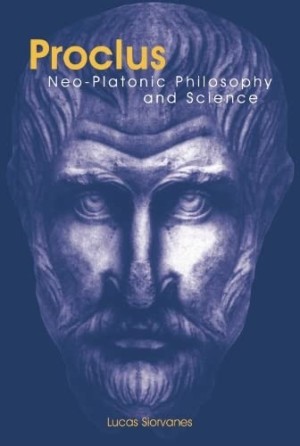
Hardcover. Edinburgh, Edinburgh University Press, 1st, 1996, Book: Very Good, Dust Jacket: Very Good, Hardcover in a bright dust jacket, 340 pages. Proclus was the most important figure in Neo-Platonism when it was established as the dominant philosophy of Late Antiquity. Neo-Platonism is not only the final flowering of Greek thought but also the mode in which it was transmitted to the Byzantine, Western European and Islamic civilisations. Stripping away the complexities surrounding this traditionally difficult philosopher, Lucas Siorvanes takes the reader through Proclus' metaphysics and theory of knowledge with original research examining all aspects of Proclus' work. This is the first book which places Proclus in his complete intellectual context and sheds new light on aspects of Proclus' thought, to which previous scholars have rarely done justice. - Presents a general survey of Proclus and his Neo-Platonism- Introduces results of original research, mainly on his metaphysics, theory of knowledge and science. All areas of Proclus' philosophical interest are covered including religion, physics, astronomy, mathematics and poetry. His philosophy is found in all these because concern with being and truth is central to all. Also introduced is the neglected area of his natural philosophy with its remarkable freshness of thought punctuated by the rejection of Aristotelian science and Ptolemy's cosmology. In this book, Proclus is shown as much more than just a metaphysician.




 "Platonic Theology, Volume 2: Books V-VIII (The I Tatti Renaissance Library)by: Ficino, Marsilio/ Editor: Hankins, James / Translator: Allen, Michael")

 "Polish Logic 1920-1939: Papers by Ajdukiewicz, Chwistek, Jaskowski, Jordan, Lesniewski, Lukasiewicz, Slupecki, Sobocinski, and Wajsbergby: McCall, Storrs (Editor), Ta")

 "Polyglott BIbleby: N/A")
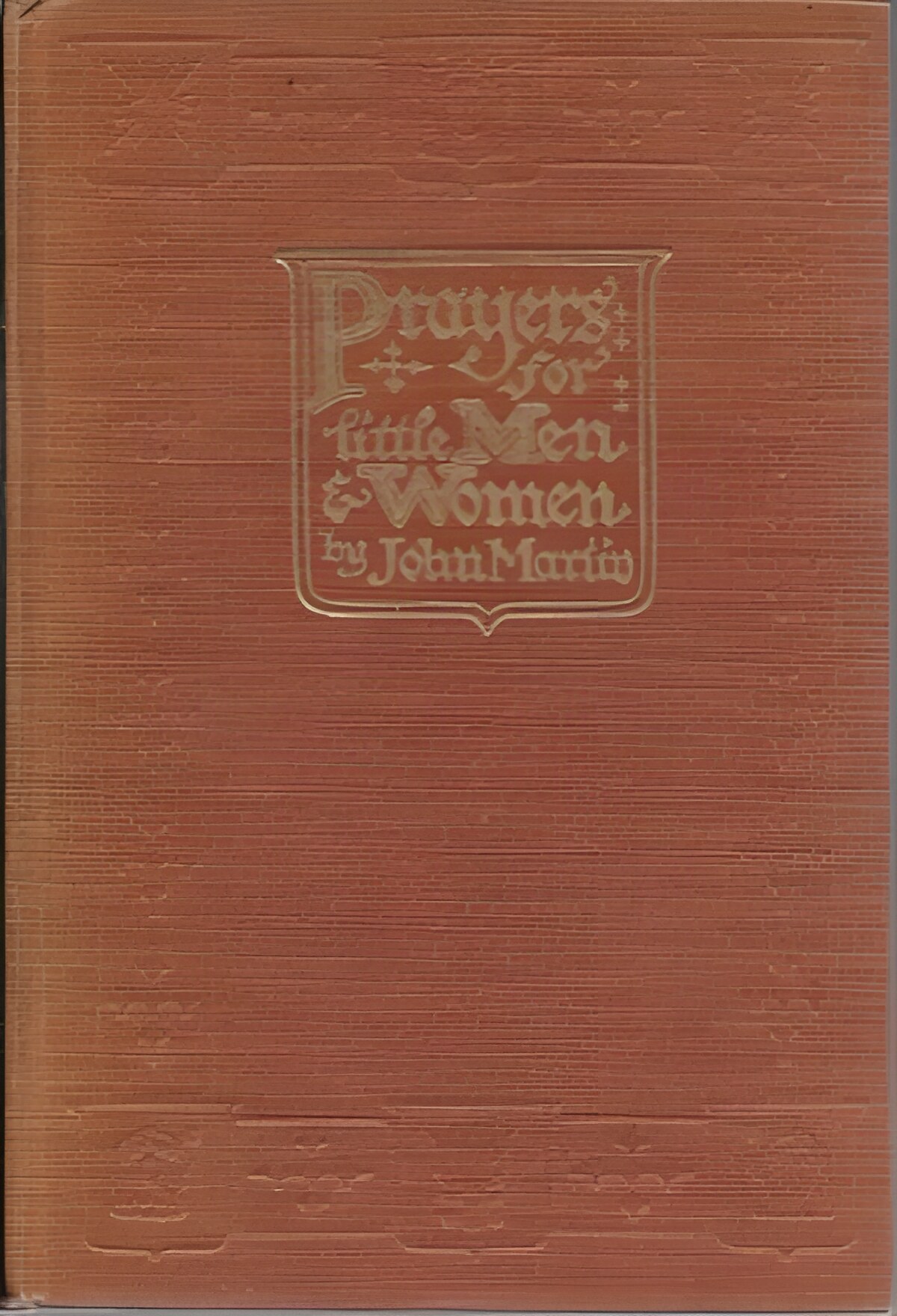
 "Prayers for Little Men and Womenby: Martin, John")
 "Primitive Christians Estimate of War and Self-Defense (SIGNED)by: Leeds, Josiah W.")