Hardcover. NY, Longmans Green and Co., 1st, 1926, Book: Good, Dust Jacket: None, Hardcover, dark green cloth with gilt title on spine. 702 pages. Front hinge cracked, re-enforced with tape. Light shelf-wear, otherwise sound and clean.
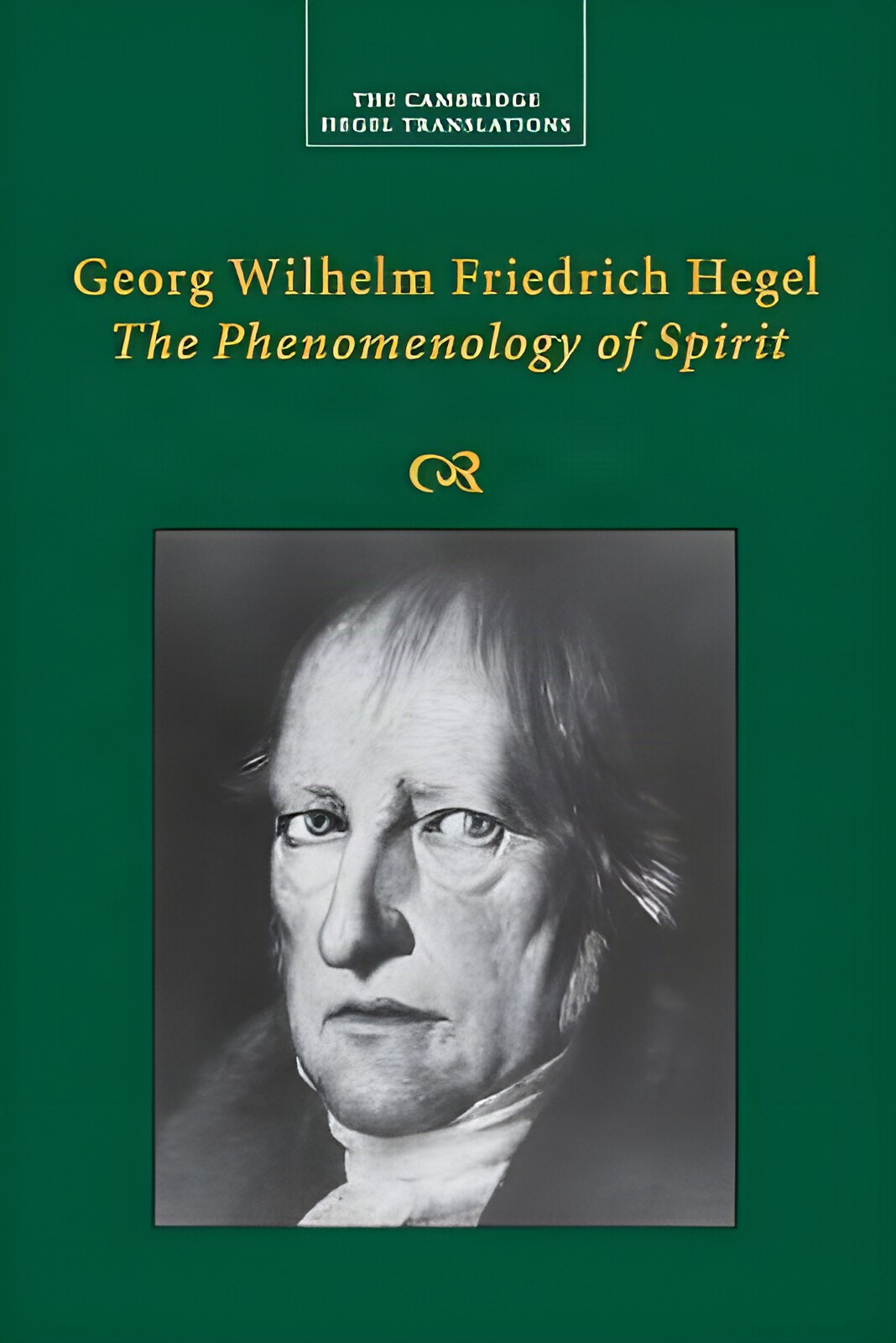
Softcover. Cambridge UK, Cambridge University Press, 1st pbk, 2018, Book: Very Good, Dust Jacket: None, Softcover, 492 pages. Hegel's The Phenomenology of Spirit (1807) is one of the most influential texts in the history of modern philosophy. In it, Hegel proposed an arresting and novel picture of the relation of mind to world and of people to each other. Like Kant before him, Hegel offered up a systematic account of the nature of knowledge, the influence of society and history on claims to knowledge, and the social character of human agency itself. A bold new understanding of what, after Hegel, came to be called 'subjectivity' arose from this work, and it was instrumental in the formation of later philosophies, such as existentialism, Marxism, and American pragmatism, each of which reacted to Hegel's radical claims in different ways. This edition offers a new translation, an introduction, and glossaries to assist readers' understanding of this central text, and will be essential for scholars and students of Hegel. Clean copy.
Softcover. Cambridge UK, Cambridge University Press, 1st pbk, 2018, Book: Very Good, Dust Jacket: None, Softcover, 492 pages. Hegel's The Phenomenology of Spirit (1807) is one of the most influential texts in the history of modern philosophy. In it, Hegel proposed an arresting and novel picture of the relation of mind to world and of people to each other. Like Kant before him, Hegel offered up a systematic account of the nature of knowledge, the influence of society and history on claims to knowledge, and the social character of human agency itself. A bold new understanding of what, after Hegel, came to be called 'subjectivity' arose from this work, and it was instrumental in the formation of later philosophies, such as existentialism, Marxism, and American pragmatism, each of which reacted to Hegel's radical claims in different ways. This edition offers a new translation, an introduction, and glossaries to assist readers' understanding of this central text, and will be essential for scholars and students of Hegel. Clean copy.
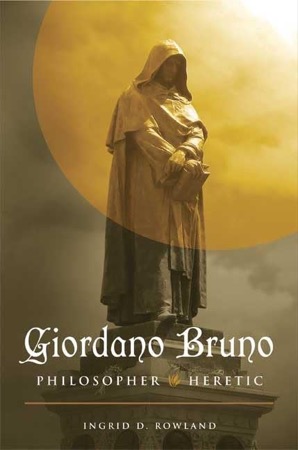
Hardcover. NY, Farrar, Straus and Giroux, 2nd pr., 2008, Book: Very Good, Dust Jacket: Very Good, Hardcover in a bright dust jacket, 335 pages. Giordano Bruno is one of the great figures of early modern Europe, and one of the least understood. Ingrid D. Rowland's pathbreaking life of Bruno establishes him once and for all as a peer of Erasmus, Shakespeare, and Galileo, a thinker whose vision of the world prefigures ours. By the time Bruno was burned at the stake as a heretic in 1600 on Rome's Campo dei Fiori, he had taught in Naples, Rome, Venice, Geneva, France, England, Germany, and the Prague of Emperor Rudolph II. His powers of memory and his provocative ideas about the infinity of the universe had attracted the attention of the pope, Queen Elizabeth and the Inquisition, which condemned him to death in Rome as part of a yearlong jubilee. Writing with great verve and sympathy for her protagonist, Rowland traces Bruno's wanderings through a sixteenth-century Europe where every certainty of religion and philosophy had been called into question and shows him valiantly defending his ideas (and his right to maintain them) to the very end. Clean copy.
Hardcover. Holland/Boston, D. Reidel Publishing, 1dt, 1983, Book: Very Good, Dust Jacket: Very Good, Hardcover in a blue dust jacket, 186 pages. A criticism of Fideism, the view that religious faith should not seek the support of reason. Clean, bright copy.
Hardcover. Manhasset NY, Round Table Press, reprint, 1963, Book: Very Good, Dust Jacket: Good, Hardcover in a lightly worn dust jacker, 143 pages. Introduction by Elmer Homrighausen. Owner's name on front fly leaf, otherwise clean.
Hardcover. UK, Oxford University Press, 1st, 2012, Book: Very Good, Dust Jacket: Very Good, Hardcover in a bright, unclipped dust jacket. God in the Age of Science? is a critical examination of strategies for the philosophical defence of religious belief. The main options may be presented as the end nodes of a decision tree for religious believers. The faithful can interpret a creedal statement (e.g. "God exists") either as a truth claim, or otherwise. If it is a truth claim, they can either be warranted to endorse it without evidence, or not. Finally, if evidence is needed, should its evidential support be assessed by the same logical criteria that we use in evaluating evidence in science, or not? Each of these options has been defended by prominent analytic philosophers of religion. In part I Herman Philipse assesses these options and argues that the most promising for believers who want to be justified in accepting their creed in our scientific age is the Bayesian cumulative case strategy developed by Richard Swinburne. Parts II and III are devoted to an in-depth analysis of this case for theism. Using a "strategy of subsidiary arguments," Philipse concludes (1) that theism cannot be stated meaningfully; (2) that if theism were meaningful, it would have no predictive power concerning existing evidence, so that Bayesian arguments cannot get started; and (3) that if the Bayesian cumulative case strategy did work, one should conclude that atheism is more probable than theism. Philipse provides a careful, rigorous, and original critique of theism in the world today. Clean copy.
Hardcover. Chapel Hill NC, University of North Carolina, 1st, 2004, Book: Very Good, Dust Jacket: Very Good, Hardcover in a bright, unclipped dust jacket, 349 pages. SIGNED BY AUTHOR on the title page. Clean copy.
Softcover. New Haven CT, Yale University Press, 1st pbk, 2022, Softcover, 483 pages. An engaging, richly illustrated account of parish churches and churchgoers in England, from the Anglo-Saxons to the mid-sixteenth century. Parish churches were at the heart of English religious and social life in the Middle Ages and the sixteenth century. In this comprehensive study, Nicholas Orme shows how they came into existence, who staffed them, and how their buildings were used. He explains who went to church, who did not attend, how people behaved there, and how they--not merely the clergy--affected how worship was staged. Clean, bright copy.
Hardcover. New York, Simon and Schuster, reprint, 1946, Book: Very Good, Dust Jacket: None, 124 pages. Hardcover with no dust jacket. Illustrated throughout by Feodor Rojankovsky. Previous owner's small stamp on front fly leaf. Mild delamination to spine, otherwise, clean, very good. Noah's ark illustration on front cover. Code inside front cover G295295 suggests 7th printing.
Hardcover. New York, Simon and Schuster, 1st, 1946, Book: Good, Dust Jacket: None, 124 pages. Hardcover with no dust jacket. Previous owner's writing on front fly leaf. Moderate wear to covers and heavy fraying, chipping and abrasion to corners of laminate.
Hardcover. NY, Oxford University Press, 1st, 1987, Book: Very Good, Dust Jacket: Very Good, Hardcover in a bright dust jacket, 186 pages. What is the origin of Christian faith? Are the roots of the concept the same in both the Old and New Testaments? With the support of semantic, historical, and analytical evidence, Kinneavy develops a controversial and persuasive hypothesis that the origin of the Christian concept of faith can be traced to Greek classical rhetoric. The author examines the notions of faith formulated by eight major Christian and Jewish theologians, presents a meticulous case for the historical influence of Greek rhetoric on Hebraic thought, and concludes with a novel rhetorical study of the several hundred occurrences of the Greek terms for "faith" and "to believe," emerging with overwhelming support for the Greek influence on Christian faith. Name on front fly leaf, otherwise clean.
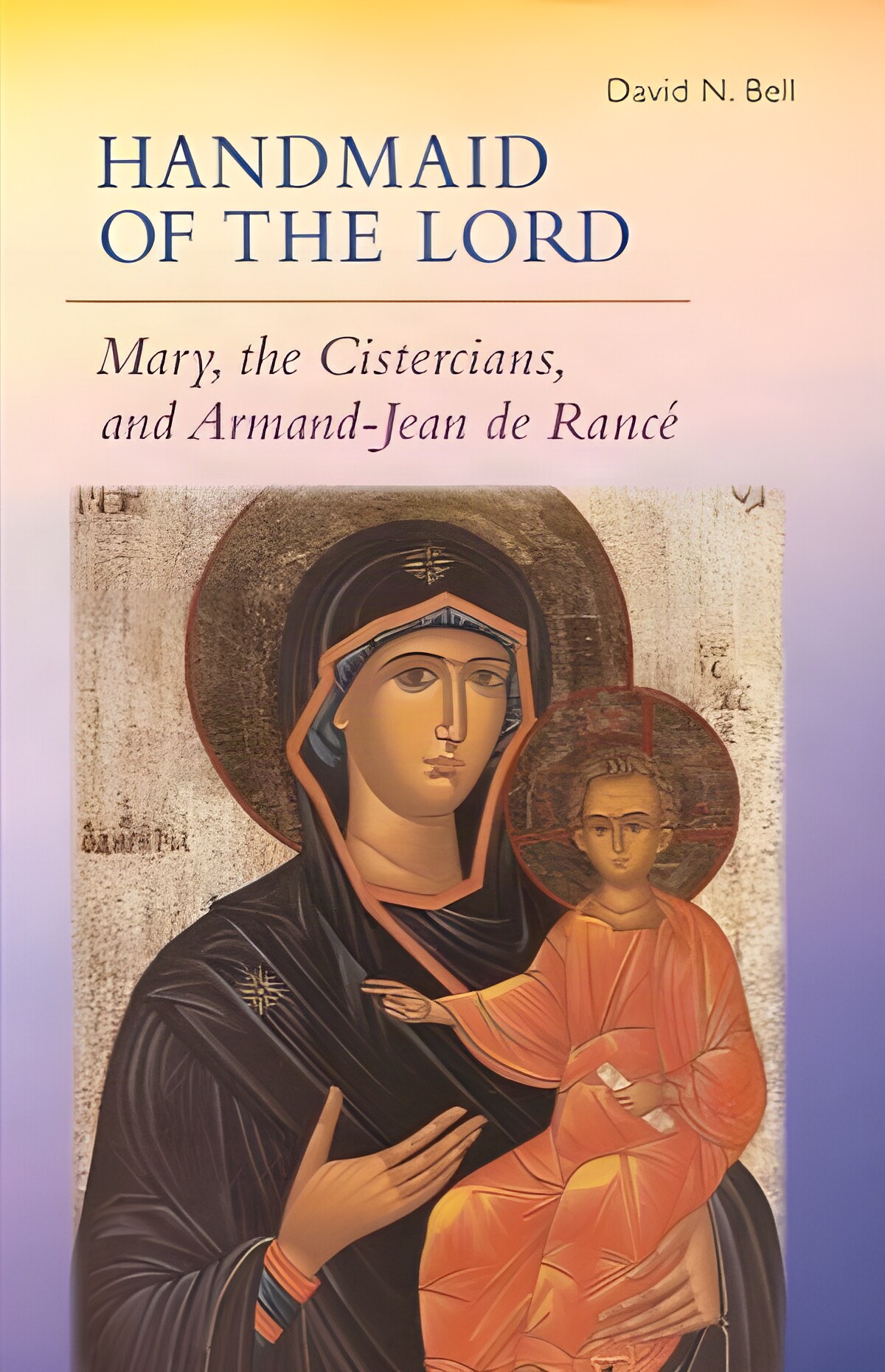
Softcover. Collegeville MN, Liturgical Press, 1st, 2021, Softcover, pictorial wrappers, 388 pages. In this book, David N. Bell explores what Cistercian writers and preachers have said about Mary from the time of the founding fathers of the Order to Armand-Jean de Rance, who introduced the Cistercian Strict Observance and who died in 1700. This work is divided into three parts. The first part presents some selective background material on Mary that is necessary for understanding where the Cistercian writers are coming from and the sources and ideas they are using. The next eight chapters, the second part of the book, examine the Marian ideas of Cistercian writers from Bernard of Clairvaux to a number of visionaries, both male and female, who take us to the very end of the thirteenth century. There is then a gap of more than three centuries--the reasons are given at the end of chapter 12--before we arrive at the birth of Armand-Jean de Rance in 1626. The final chapters--part 3 of the book--summarize the life of Rance, examine the place of Mary at La Trappe, and present annotated translations of Rance's five conferences for three Marian feasts: the Nativity of Mary, the Annunciation, and the Assumption. Clean copy.
Hardcover. NY, J. & J. Harper, 1831, Book: Very Good, Hardcover, Harper's Stereotype Edition. 6" tall; 261 pages + 4 page list of books in series; craft paper over boards. The frontis is a fold-out of the Sacred Temple of Mecca; the fold-out is quite clean, with only a bit of light foxing. Pages clean, covers tanned, remarkably nice condition, square and sound.
Softcover. Universtity Park PA, Pennsylvania State University Press, 1st, 1998, Book: Very Good, Dust Jacket: None, Softcover, pictorial wrappers, 280 pages. This easily accessible volume, which grew out of a series of lectures presented at the Smithsonian Institution in 1991, aims to provide a coherent introduction to Byzantine culture with a focus on the interconnected realms of art and religion. The eight participants have revised their lectures into chapters on Byzantine history, theology, icons and icon theory, church architecture, monumental painting, silver church furnishings, illustrated liturgical books, and pilgrimage. In addition to presenting current research on this range of topics, the chapters each contribute original scholarship from authors who are recognized experts in their respective fields. The Introduction, by Linda Safran, deals with views and definitions of Byzantium over the course of its long history and considers why that civilization deserves our attention today. Illustrated in b&w and color.
Hardcover. Cambridge, U.K. ; New York, Cambridge University Press, 1st, 2001, Book: Very Good, Dust Jacket: Very Good, Hardcover, 442 pages. Light shelf-wear to dust jacket with slight sun-fade on spine. Clean, tight copy.
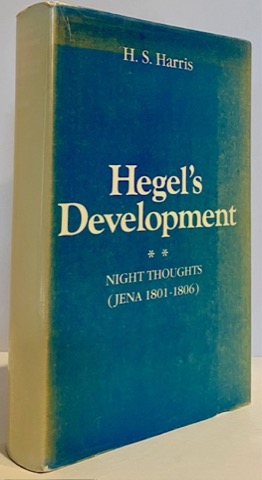
Hardcover. Oxford, England, Clarendon Press, 1st Edition, 1983, Book: Very Good, Dust Jacket: Very Good, 627 pages. Hardcover. Sequel to Hegel's Development: Toward the Sunlight 1770-1801(Clarendon Press, 1972). Black cover boards, gilt title and design on spine. Pages clean and bright. Binding tight. Spine straight. Dust jacket unclipped, faded (shelfwear), light agewear, glossy. Harris distinguishes three main phases in Hegel's development over this period: the period of callaboration with Schelling (1801-3); the appearance of a three-part 'phenomenological' system (1803-50; and the emergence of the mature system.
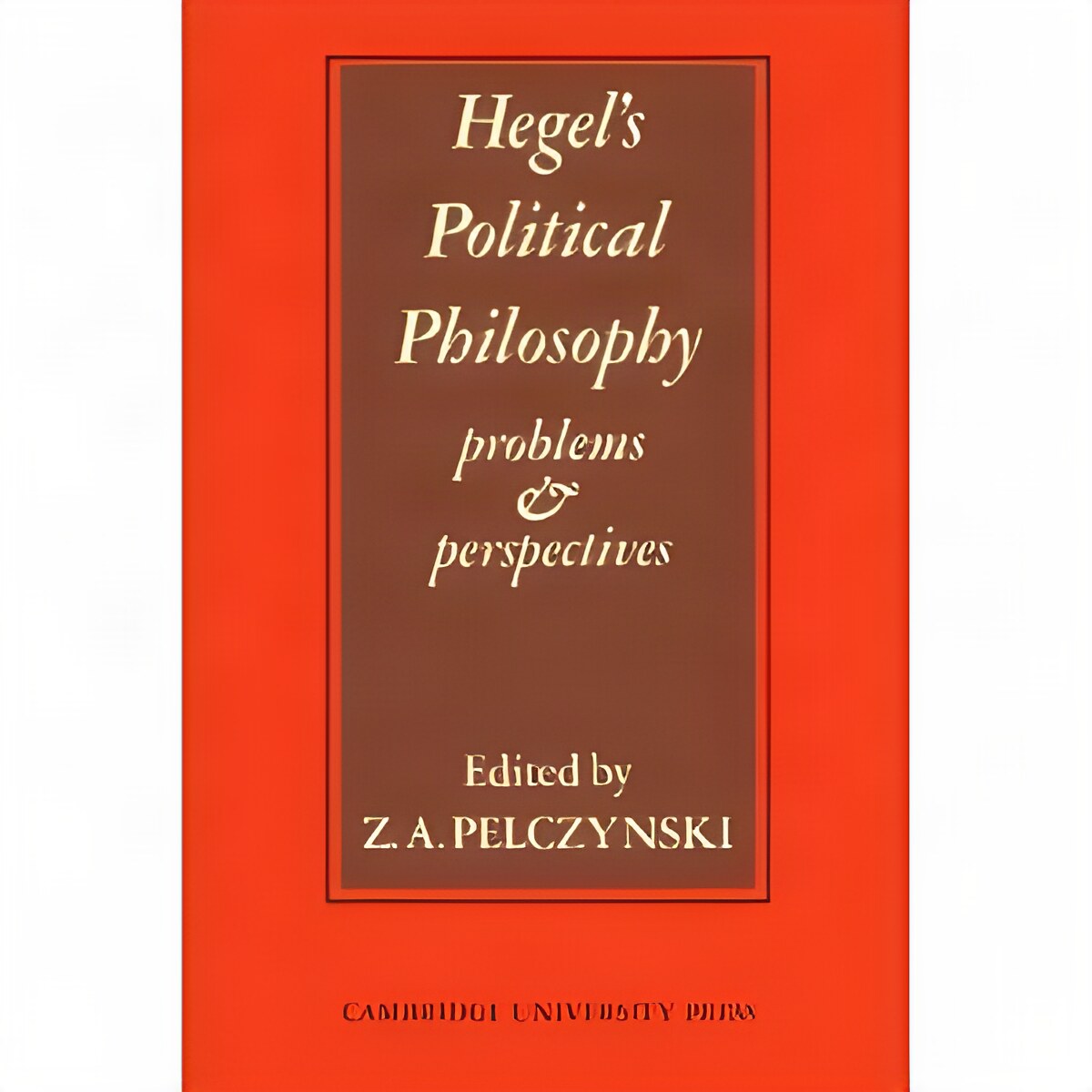
Hardcover. NY, Cambridge University Press, reprint, 2000, Book: Very Good, Dust Jacket: Very Good, Hardcover in a bright, price-clipped dust jacket, 256 pages. Originally published in 1971, this volume was created to commemorate the bicentenary of Hegel's birth in 1770. Thirteen essays are included from experts with diverse approaches, concentrating on the central issues of Hegel's political philosophy, and covering all of the major political works. These essays demonstrate the vitality of Hegel's philosophical perspective, engaging the reader and providing a way into the often difficult explication of his ideas. Whilst this is a commemorative edition, and the views put forward are broadly sympathetic, a critical distance is maintained, allowing for numerous fresh insights. Accessible and highly informative, this book will be of value to anyone with an interest in Hegelian thought and its political implications.
Hardcover. New York, State University of New York Press, 1st, 1991, Book: Very Good, Dust Jacket: Very Good, 233 pages. Hardcover. Dust jacket with light wear. Clean unmarked text.
Hardcover. Leiden/Boston, Brill, 1st, 1999, Book: Very Good, Dust Jacket: Very Good, Hardcover in a dust jacket, 332 pages. Volume 77 in the 'Studies in Medieval and Reformation Thought Series'. Through the examination of over 250 sermons by the most popular preacher in Paris before the Religious Wars, Francois Le Picart (1504-1556), this book offers a close look at religious mentalites in the French capital in these critical years and offers insight into changing definitions of orthodoxy and heresy.
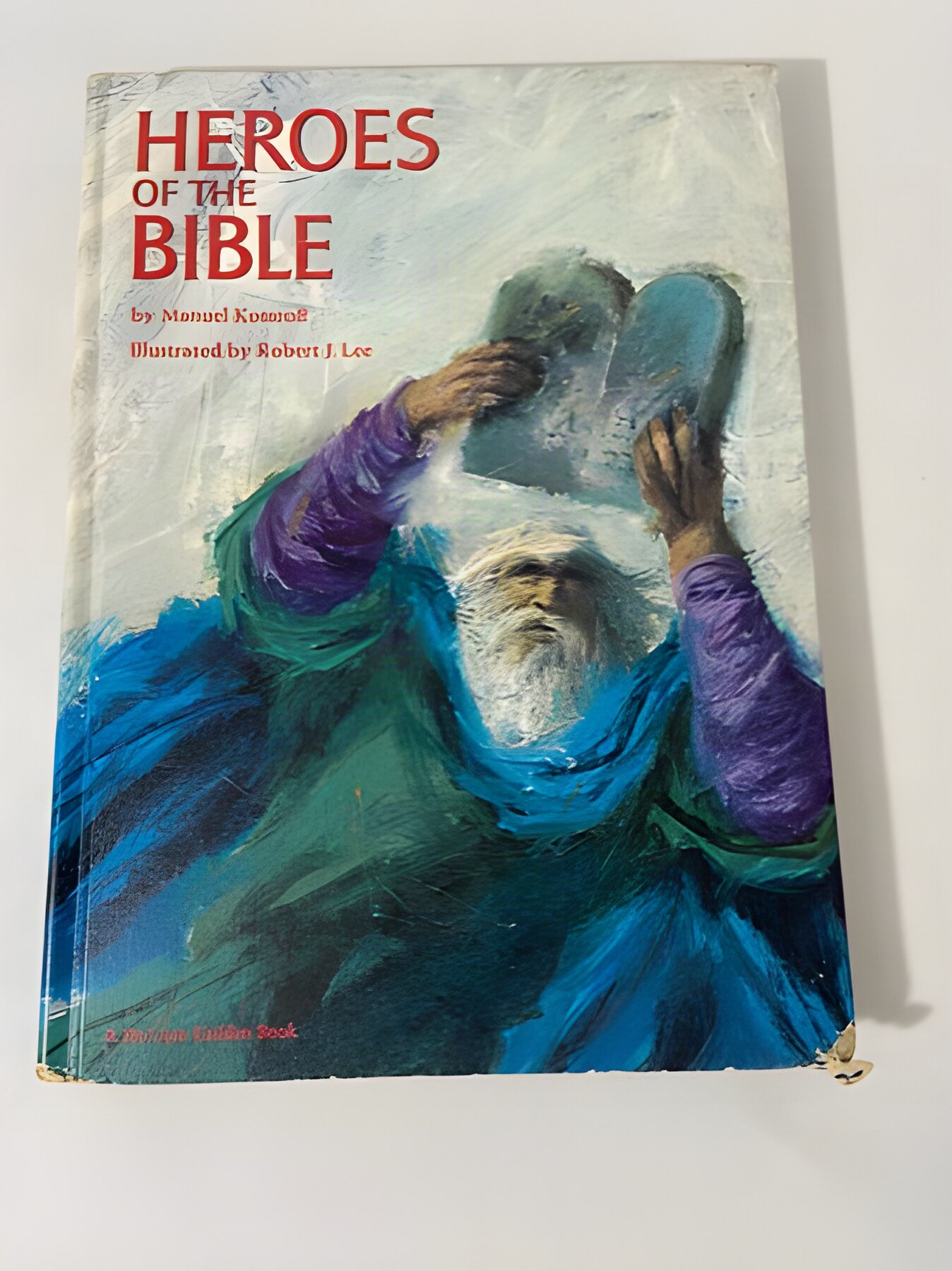
Hardcover. NY, Golden Press, 1st, 1966, Book: Very Good, Dust Jacket: Poor, Hardcover, pictorial cloth in a worn, tape-repaired dust jacket. 140 pages illustrated in color and b&w by Robert J. Lee. Clean copy.
Hardcover. London, England, Oxford at the Clarendon Press, 3rd Edition reprint, 1959, Book: Very Good, Dust Jacket: Good, 741 pages. Hardcover. B/w illustrated frontispiece. Previous owner's name on front flyleaf. Pages clean, unmarked. Binding good. Spine straight. Dark blue cloth cover boards, gilt title on spine. Dust jacket has some agewear, price-clipped. An impressive eye-witness account of life in India at the turn of the century. It combines descriptions of the Hindu religion and Hindu sociology with masterful portraits of the intimate lives of the people among whom the author lived.
Hardcover. Boston, Charles S. Nutter, 1st, 1892, Book: Very Good, Dust Jacket: None, Hardcover, 208 pages. Black & white illustrations. Cloth covers show light rubbing at corners and edges. Clean, tight copy.

 "General Theory of Value: Its Meaning and Basic Principles Construed in Terms of Interest by: Perry, Ralph Barton")



 "God In Action by: Barth, Karl")

 "God's Sacred Tongue (SIGNED COPY)by: Shalom Goldman")

 "Golden Bible, The: from the King James version of the Old Testamentby: Werner (edited), Elsa Jane")




 "Hegel and Aristotleby: Ferrarin, Alfredo")




 "Hindu Manners Customs and Ceremoniesby: Dubois, Abbe J.A. , Beauchamp, Henry K. (Tranlation, edit with notes, biography)")


 "Historic Hymnists - A Portrait Gallery of Great Hymn Writersby: Nutter, Rev. Charles S.")